EN
EN 


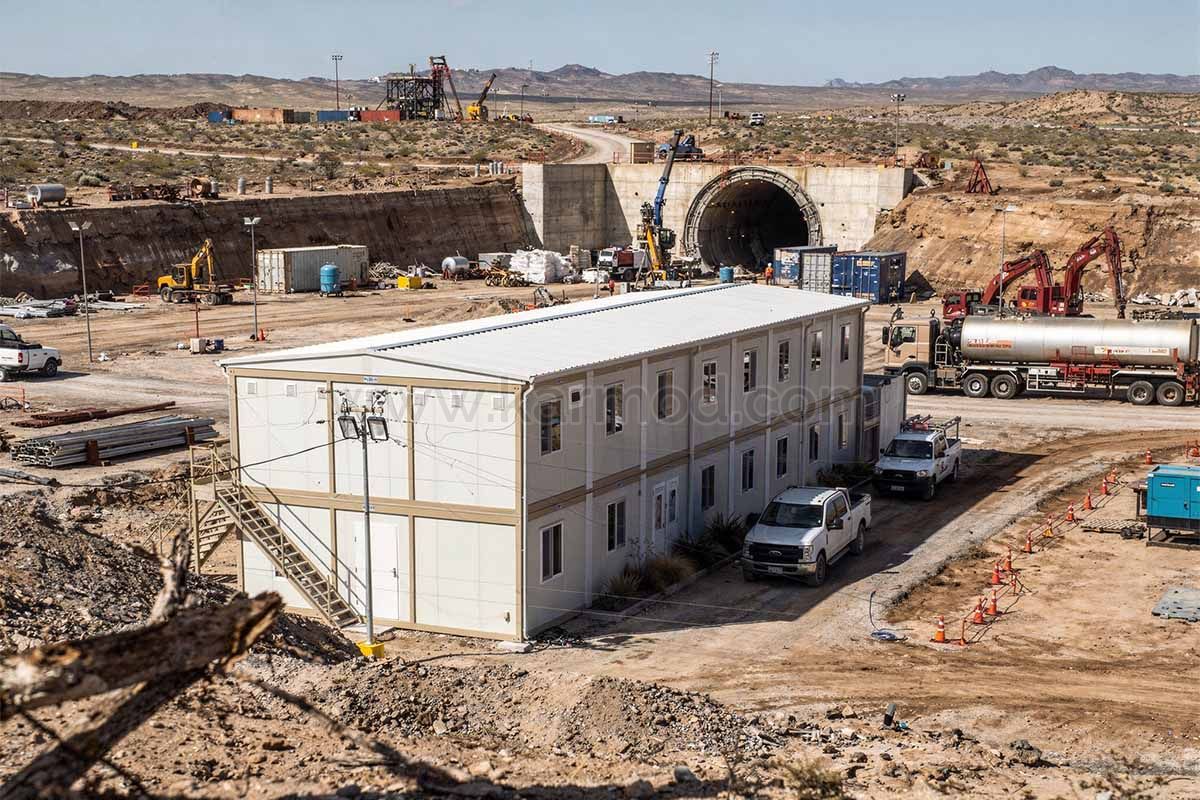
Tunnel projects require precise coordination between underground operations, surface works, safety teams, engineering staff, equipment operators, and project management units. Whether the project is a motorway tunnel, metro tunnel, railway tunnel, water tunnel, or utility tunnel, the site needs organized office and worker facilities from the first mobilization stage. A tunnel construction site office prefab solution helps create these spaces quickly and efficiently near the active work area.
Prefab and container-based site offices can be used for technical teams, shift supervisors, document control, safety briefings, equipment coordination, monitoring systems, and worker support. Since tunnel projects often continue for long periods and operate in demanding environments, modular site buildings must be durable, flexible, and suitable for daily field use.
A tunnel project camp is usually built around both surface and underground operations. The surface camp supports the teams working below ground by providing offices, rest areas, storage, welfare buildings, and emergency support spaces.
Prefab site offices allow project managers to organize daily activities close to the tunnel entrance or construction zone. Engineers can review drawings, supervisors can plan shifts, safety teams can manage permits, and quality teams can record inspection results without leaving the site.
Because tunnel projects often change as excavation progresses, modular offices offer an advantage. Units can be added, removed, or relocated according to the project phase. This makes them suitable for early preparation, active excavation, lining works, mechanical installation, and final commissioning stages.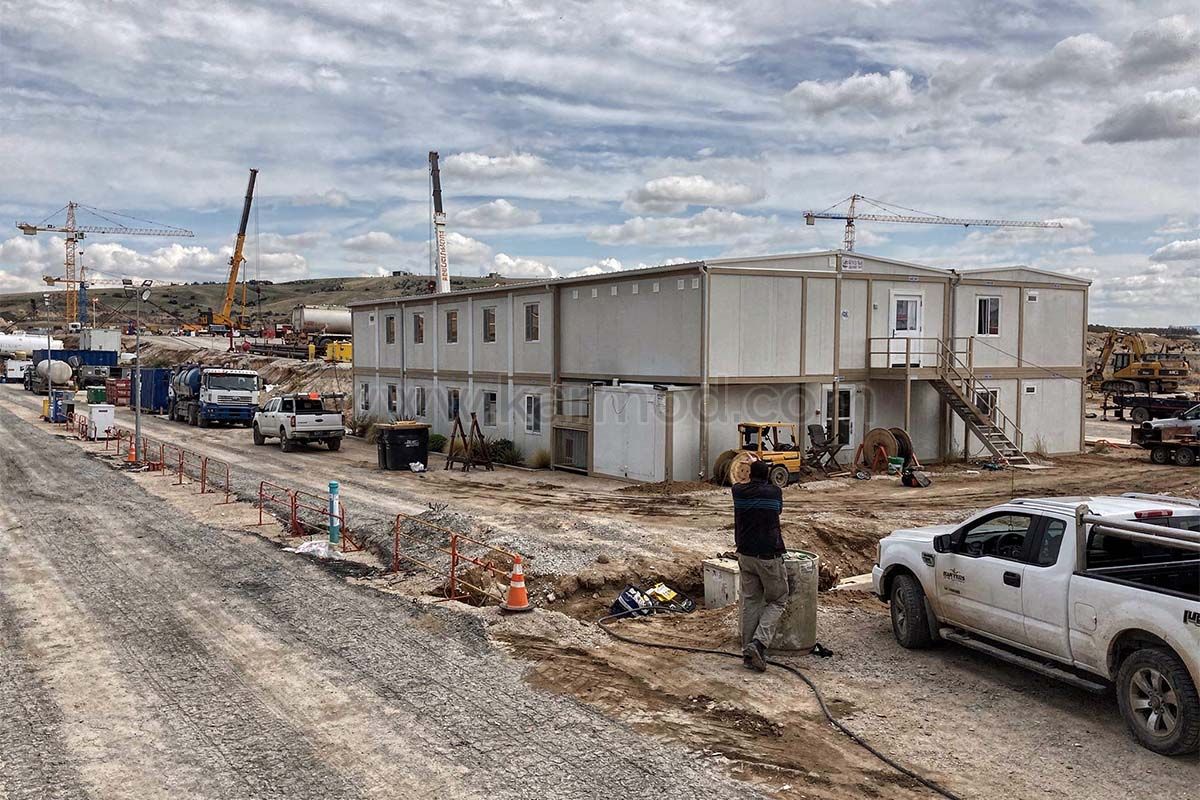
Underground construction housing is important when tunnel sites are far from city centers or when crews work in shifts around the clock. Tunnel workers may include drillers, TBM operators, electricians, mechanics, ventilation specialists, concrete teams, surveyors, and safety personnel.
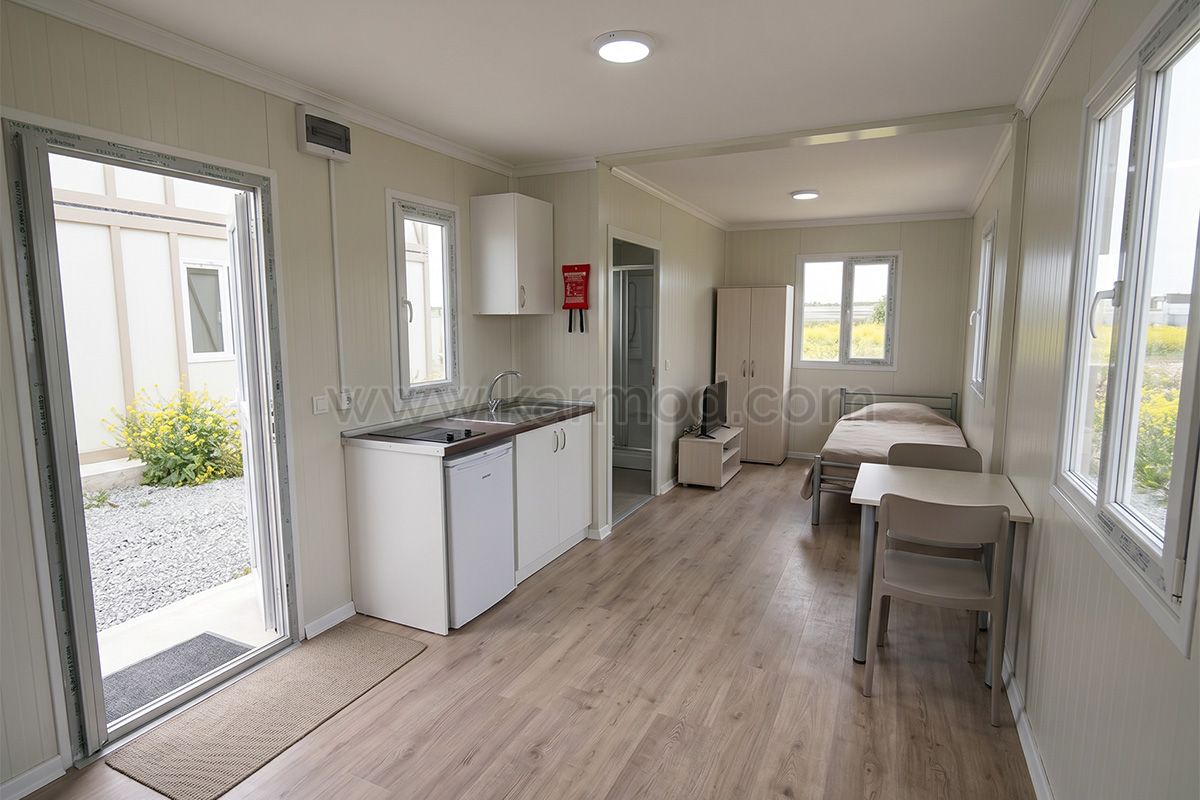
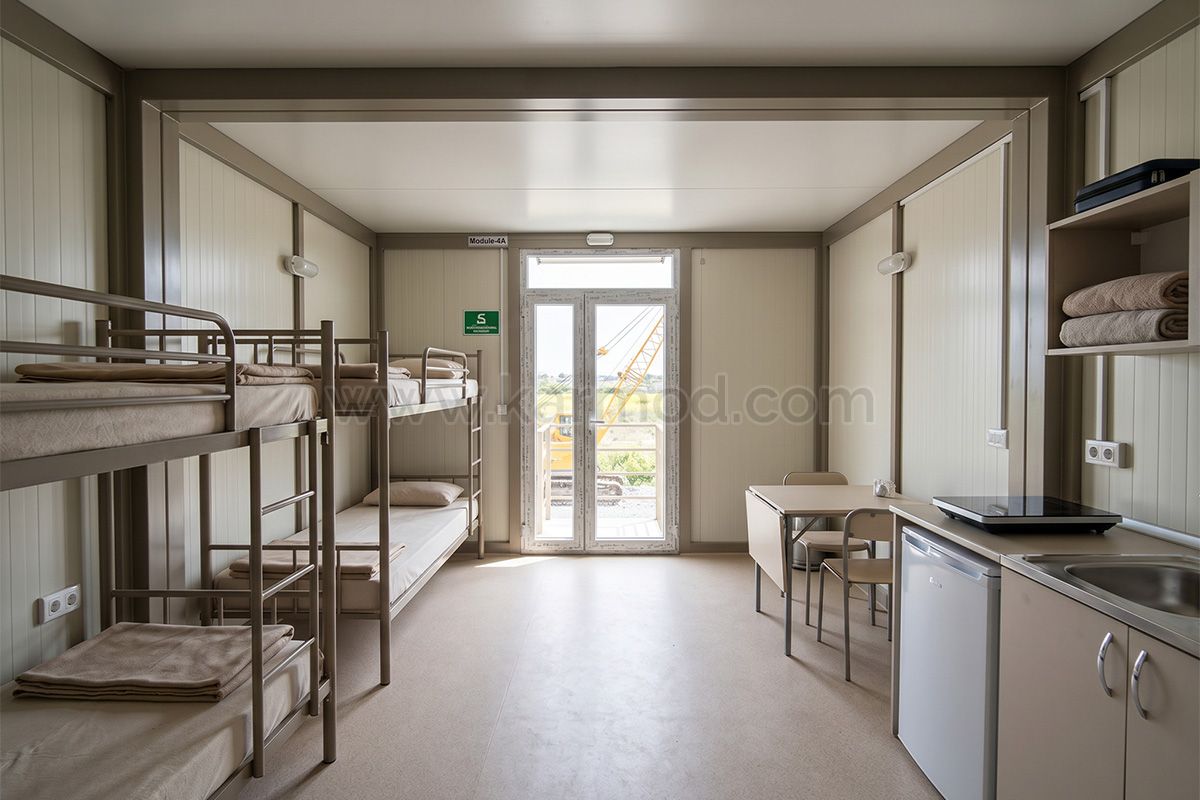
Accommodation units can include bedrooms, lockers, bathrooms, ventilation, heating, cooling, lighting, and rest areas. These facilities should support workers who return from physically demanding underground shifts and need clean, quiet, and comfortable spaces.
A complete camp may also include dining halls, kitchens, laundry rooms, sanitary units, medical rooms, changing rooms, and recreation spaces. For tunnel projects with continuous operations, the camp should be planned to support different shift groups without creating overcrowding.
A motorway tunnel site office must support construction coordination, traffic interface planning, safety management, and technical documentation. These projects often involve excavation, shotcrete, waterproofing, concrete lining, drainage works, ventilation systems, lighting systems, road works, and tunnel equipment installation.
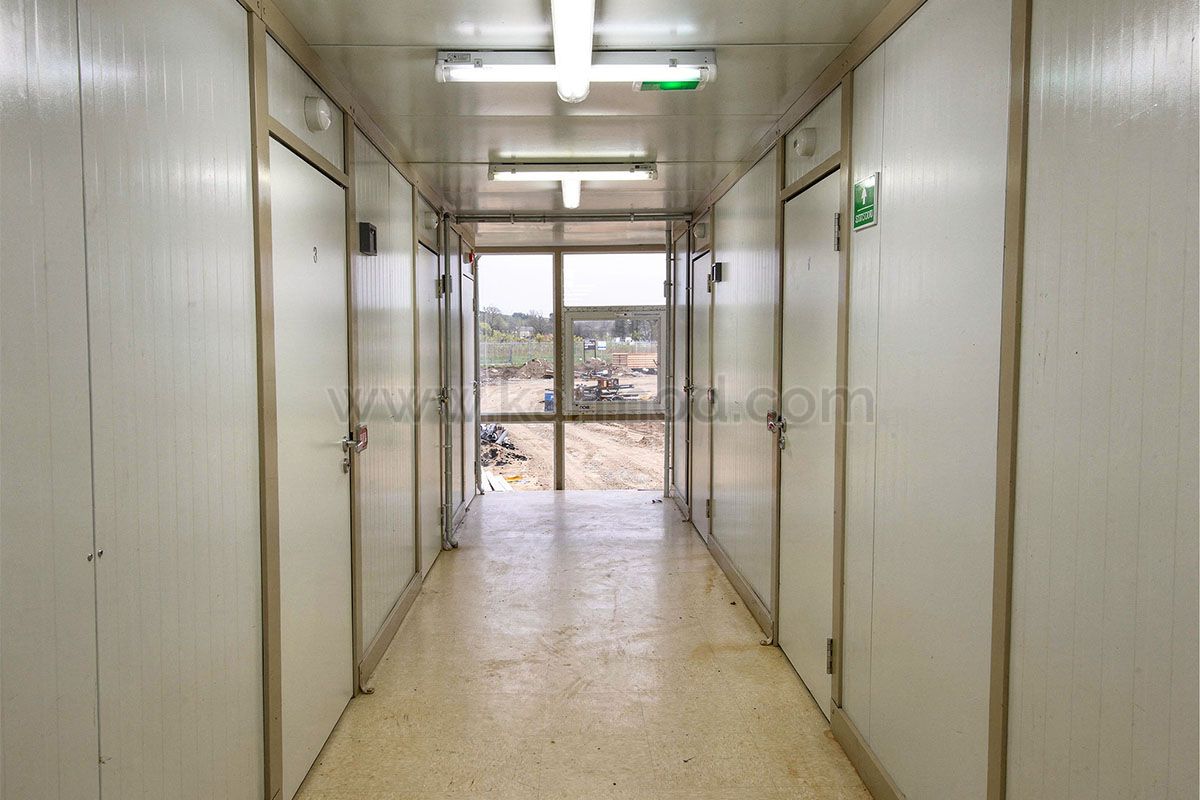
Office containers can be arranged as meeting rooms, engineering offices, document control spaces, control rooms, training rooms, and visitor reception areas. They can also be used for contractor coordination, quality control, procurement tracking, and daily reporting.
Since motorway tunnel projects may be located near active roads or mountainous terrain, office placement should consider safe access, traffic routes, emergency movement, and distance from blasting or excavation zones. A well-positioned office area helps teams manage the project without being exposed to unnecessary site risks.
A boring machine camp is especially important for tunnel boring machine projects. TBM operations require technical teams, spare parts, monitoring systems, maintenance areas, and continuous coordination between underground and surface crews.
TBM project accommodation may be needed for machine operators, mechanics, electricians, shift engineers, segment handling teams, and maintenance crews. These workers often follow demanding schedules, so the camp should include reliable rest areas, dining facilities, showers, and welfare spaces.
Surface support buildings can include control offices, technical rooms, tool storage, spare part containers, electrical rooms, and maintenance offices. Since TBM work depends on continuous operation, having these facilities close to the launch shaft or tunnel portal can help reduce downtime.
Tunnel boring worker housing should be planned around safety, hygiene, and recovery. Workers may return from underground areas with dust, mud, moisture, or noise exposure, so proper changing rooms, showers, laundry areas, and clean accommodation units are essential.
Welfare standards can include adequate room space, clean bedding, sanitary facilities, safe drinking water, food service, ventilation, heating and cooling, medical support, and recreation areas. These elements help maintain worker health and morale during long tunneling projects.
In larger camps, separate zones may be created for accommodation, offices, storage, dining, sanitation, and maintenance. This helps reduce congestion and creates a more organized daily routine for workers and managers.
Tunnel projects create unique air quality challenges. Dust, diesel emissions, humidity, concrete spraying, welding, and excavation activities can affect both underground and surface work areas. For this reason, ventilation planning is important not only inside the tunnel but also around camp and office zones.
Site offices and accommodation units should be positioned away from dust-heavy areas, exhaust points, material handling zones, and active excavation entrances where possible. Buildings can be equipped with proper ventilation, sealed openings, washable surfaces, and climate control systems.
For underground work, ventilation systems, air monitoring, dust control, and exhaust management must be planned according to project safety requirements. A well-designed camp supports these systems by providing clean rest spaces and safe welfare areas away from the most exposed work zones.
A TBM project camp may need site offices, control rooms, accommodation units, dining halls, sanitary facilities, showers, changing rooms, laundry areas, medical rooms, spare part storage, maintenance offices, tool containers, electrical rooms, segment handling support areas, and safety training rooms. The exact setup depends on the tunnel length, workforce size, TBM operation schedule, and site conditions.
Rescue and emergency facilities are integrated through first-aid rooms, emergency response offices, clearly marked evacuation routes, assembly points, communication systems, fire safety equipment, rescue equipment storage, and controlled access areas. For larger tunnel projects, dedicated emergency teams and coordination rooms may also be included near the tunnel portal or main site office.
Welfare standards may include safe accommodation, clean drinking water, sanitary facilities, showers, changing rooms, dining areas, rest spaces, medical support, ventilation, heating and cooling, laundry access, and proper room occupancy levels. Tunnel workers may also need additional hygiene and recovery facilities because underground work can involve dust, moisture, noise, and physically demanding conditions.
Ventilation and air quality are managed by placing camp buildings away from dust and exhaust sources, using sealed doors and windows, installing proper ventilation and HVAC systems, controlling vehicle movement, and cleaning surfaces regularly. Underground operations may also require dedicated ventilation fans, air monitoring systems, dust suppression, and exhaust control according to project safety rules.
The duration and cost depend on the project size, number of units, customization level, site access, utility connections, accommodation capacity, and required support facilities. Small prefab office setups can be installed relatively quickly, while large tunnel camps with accommodation, welfare, storage, and emergency facilities require more planning and installation time. Modular systems usually offer better flexibility than permanent buildings because they can be expanded, reduced, or relocated as the project changes.
In order to serve you better, if you could kindly send an e-mail to info@karmod.com for questions and details about your theoretical and special architectural plans, projects, and product specifications, your request will be responded to as soon as possible.

From one end of the world to the other, we enable our customers to reach the ready-made construction sector produced with the new technology of the world. We guarantee reliability through technology and innovation, flexible commercial models and smart supply chain solutions that add value for you, following the project production network.
Discover
Karmod is one of the largest prefabricated construction companies in Turkey, with a production of 45,000 m2. produces high quality prefabs and prefab containers