EN
EN 


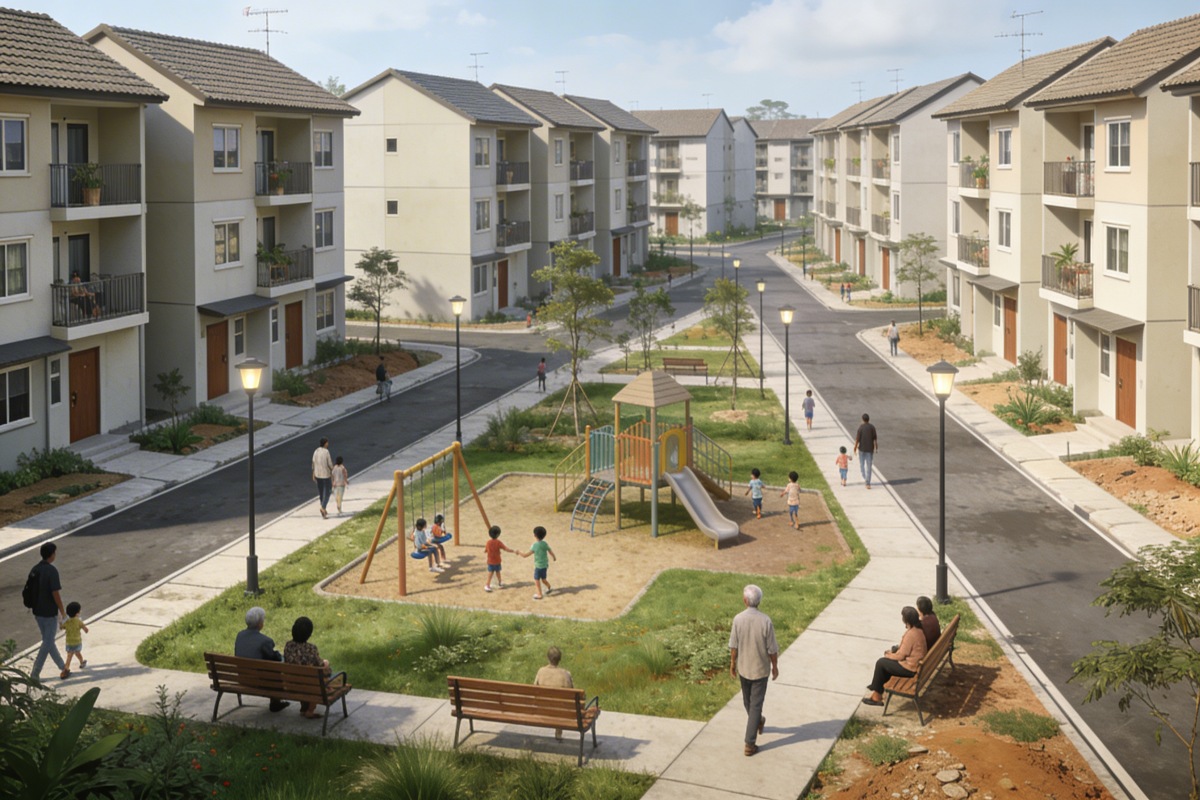
Thailand’s efforts to expand affordable social housing for low-income households are entering a new phase shaped by industrialized construction and policy-aligned delivery models. As urban areas such as Bangkok and regional growth centers continue to expand, pressure on housing affordability has intensified. In this context, Karmod contributes practical solutions through modular and prefab homes, supporting structured public housing projects designed to provide safe, durable, and financially accessible living environments.
Karmod’s housing approach in Thailand is built on the principle that affordable housing must combine speed, structural reliability, and long-term sustainability. By applying modular and prefabricated construction systems, projects can be delivered with greater cost predictability and shorter timelines compared to conventional building methods. This efficiency supports public authorities, housing providers, and NGOs seeking scalable solutions without compromising quality standards.
A defining feature of modular homes is their adaptability. Thailand’s housing needs vary widely between dense metropolitan districts, coastal provinces, and rural inland communities. Modular systems allow for flexible layouts, incremental expansion, and climate-responsive design features suited to tropical conditions, including ventilation planning and moisture-resistant materials. This adaptability strengthens community integration while maintaining construction discipline.


Sustainability remains central to affordable social housing development. Factory-controlled production reduces material waste and enhances quality assurance, contributing to lower maintenance demands and improved operating costs over time. Energy-conscious design elements further support residents by reducing utility expenses, aligning housing delivery with Thailand’s broader environmental objectives.
Through structured implementation and responsible planning, Karmod’s contribution to Thailand’s affordable housing landscape extends beyond individual units. The emphasis is on delivering housing that fosters stability, safety, and long-term community resilience—ensuring that low-income families gain access to dignified living spaces within well-considered development frameworks.


As Thailand advances its urban development goals, modular and prefab construction provide practical delivery models that balance housing demand with financial responsibility. Each completed project reinforces the broader objective of strengthening housing affordability while supporting inclusive growth across regions.
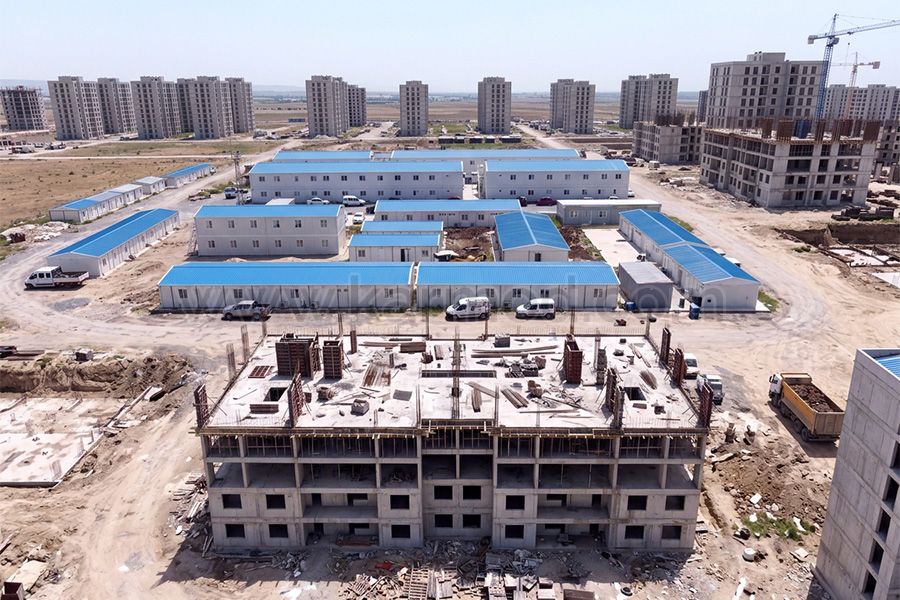
Modular social housing in Thailand offers a disciplined and scalable approach to addressing persistent housing gaps. By producing structural components off-site and assembling them efficiently on location, housing providers can accelerate project timelines and manage costs with greater certainty. This method supports phased development strategies suitable for expanding urban districts and emerging regional centers.


Thailand’s modular housing strategy emphasizes three operational advantages:
Prefab low-income housing initiatives complement modular systems by introducing standardized components engineered for rapid installation. Prefabrication supports large-scale public housing projects where consistent quality and budget control are critical. This approach is particularly effective when responding to urgent housing shortages or upgrading informal settlements.
By integrating modular and prefab methods, Thailand strengthens its capacity to deliver low income social housing in a structured, transparent, and scalable manner. These delivery models support housing authorities in meeting demand while maintaining long-term sustainability goals.
Affordable modular housing construction is increasingly recognized in Thailand as a practical response to rising land costs and urban density. The system emphasizes build consistency, structural durability, and operational efficiency—key criteria for sustainable social housing programs.
Thailand’s housing strategy must address both immediate accommodation needs and long-term settlement planning. Modular and mobile housing systems enable a dual-track approach, offering rapid deployment while supporting permanent community development.
This integrated framework ensures that temporary housing solutions contribute to broader development goals rather than functioning as isolated interventions.
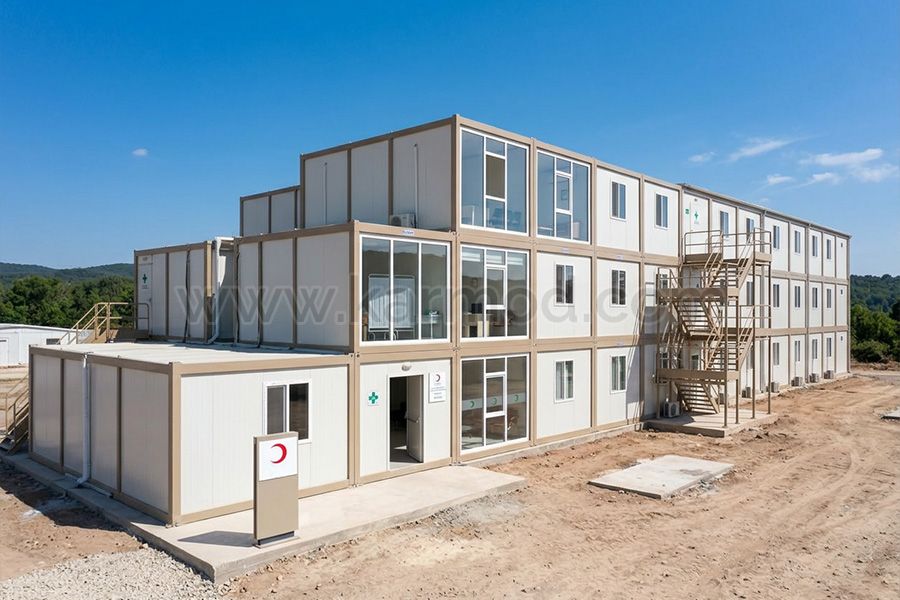
Karmod operates as a mobile affordable housing manufacturer capable of supporting Thailand’s diverse regional requirements. Its modular housing construction systems are designed for transportability, rapid assembly, and consistent structural standards. These characteristics make mobile units suitable for both transitional accommodation and structured social housing expansion.
By combining engineering precision with cost-conscious production, Karmod assists public housing stakeholders in delivering reliable housing units that align with affordability targets and sustainability priorities. The focus remains on providing functional, resilient homes that integrate into broader community planning frameworks.
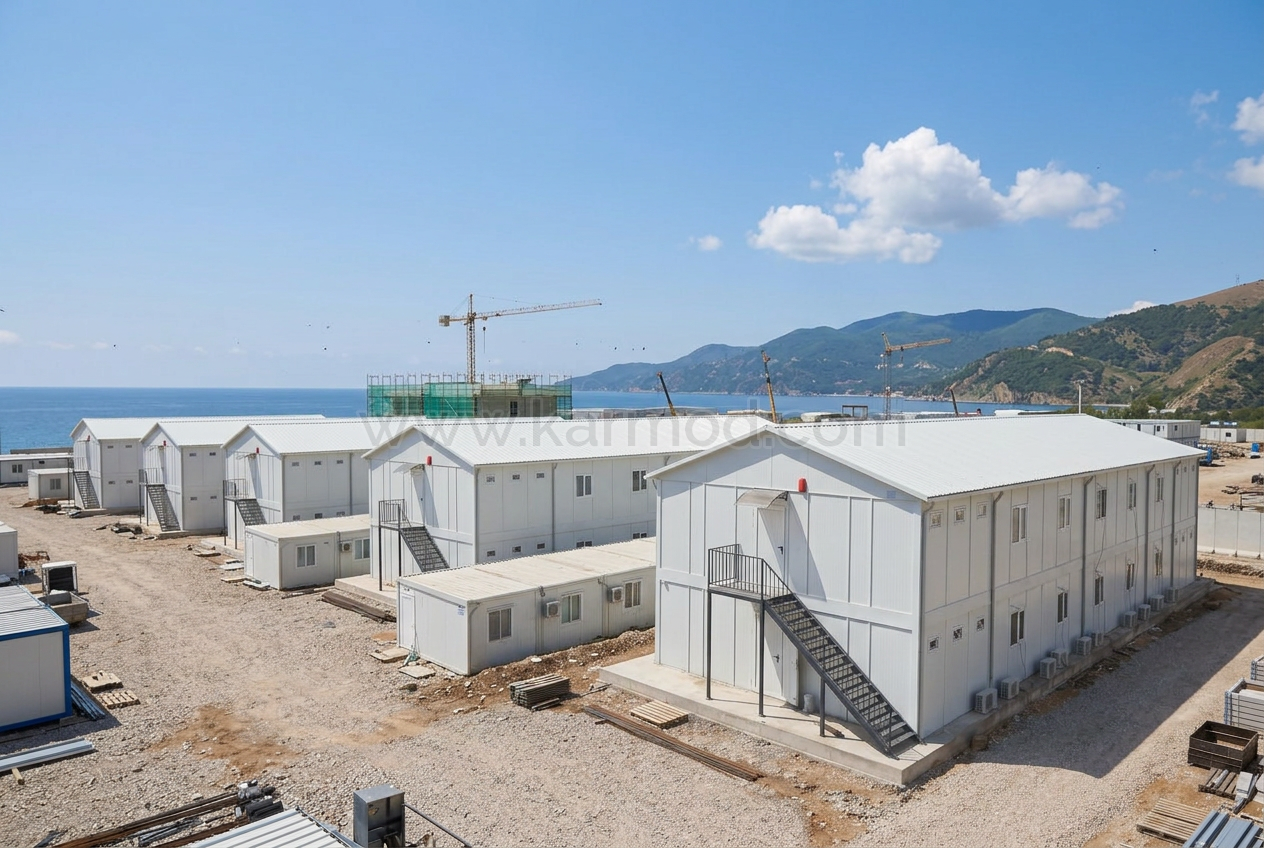
Effective temporary housing in Thailand requires a balance between rapid response and long-term durability. Modular construction offers this balance by enabling quick installation without compromising structural reliability. In regions vulnerable to flooding or seasonal storms, durable modular units provide a more secure alternative to improvised shelters.
Mobile affordable housing enhances this strategy by allowing units to be relocated or expanded as community needs evolve. Efficient low cost housing construction principles ensure that temporary accommodations remain financially sustainable while delivering safe and comfortable living conditions.
Through coordinated collaboration between manufacturers, public authorities, and housing providers, Thailand can strengthen its temporary and transitional housing capacity. Modular and mobile systems offer a structured pathway toward improved housing affordability, operational efficiency, and inclusive community development across the country.
In order to serve you better, if you could kindly send an e-mail to info@karmod.com for questions and details about your theoretical and special architectural plans, projects, and product specifications, your request will be responded to as soon as possible.

From one end of the world to the other, we enable our customers to reach the ready-made construction sector produced with the new technology of the world. We guarantee reliability through technology and innovation, flexible commercial models and smart supply chain solutions that add value for you, following the project production network.
Discover
Karmod is one of the largest prefabricated construction companies in Turkey, with a production of 45,000 m2. produces high quality prefabs and prefab containers