EN
EN 


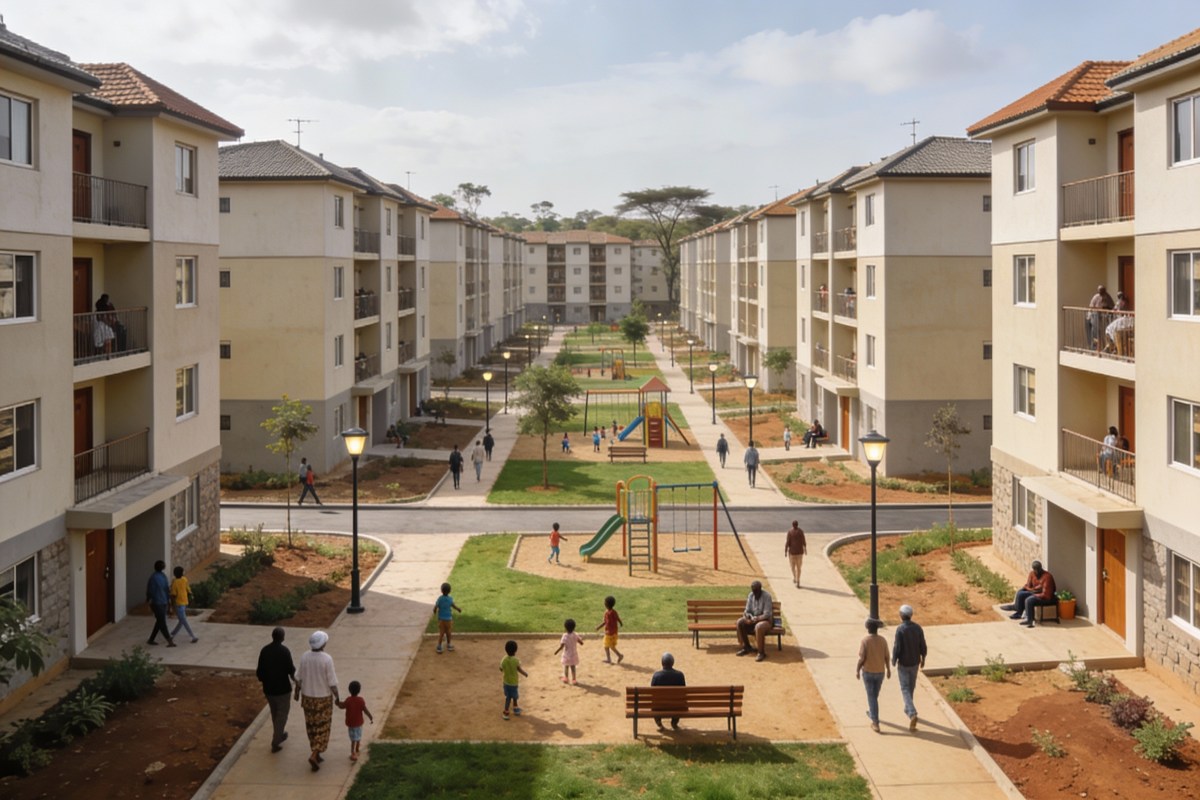
In Tanzania, expanding affordable housing for low income families increasingly depends on delivery models that can control costs, shorten construction timelines, and support reliable building standards. Modular construction and prefabricated houses are part of this shift, helping stakeholders move from isolated builds toward scalable affordable social housing solutions. Companies like Karmod contribute by supplying housing systems designed for durability and long-term sustainability. The housing challenge in Tanzania is not only about producing units; it is also about enabling community integration through safe, serviceable homes that can support stable family life.
Modular homes are gaining attention as a practical route to faster, cost-aware housing delivery. Unlike traditional construction, modular units are built predominantly in a factory environment and then transported for on-site installation. This method can reduce waste, improve quality consistency, and limit delays caused by on-site conditions. For public authorities and project partners, modular construction can provide clearer planning and procurement pathways, strengthening the capacity to deliver low-income housing at scale.
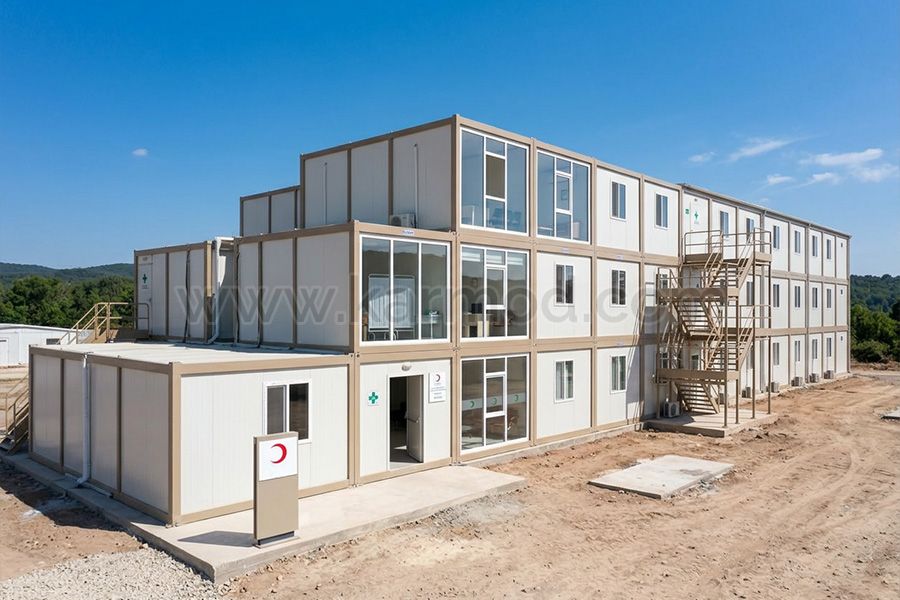
Prefabricated houses, another industrialized construction approach offered by Karmod, are also being adopted for their efficiency and predictable outcomes. Standardized components support efficient assembly, helping reduce labour time and overall project cost. In Tanzania, where affordability constraints can prevent households from accessing safe housing, prefab delivery models can help close gaps by offering dependable unit production and faster occupancy. Karmod’s focus on quality and affordability supports a broader objective: making homeownership or stable rental options more achievable for low income families.


The wider impact of modular and prefabricated housing in Tanzania is linked to more than unit numbers. When affordable, well-built homes are delivered with attention to operating costs and maintenance needs, housing providers can support long-term stability for residents and reduce the risk of projects becoming difficult to manage. As demand grows, these construction methods are likely to play a larger role in building housing stock that is both sustainable and suitable for local conditions.
This approach demonstrates how construction technology can be applied to meet real housing needs without shifting costs into the future. By supporting faster delivery, consistent build quality, and manageable operating costs, modular and prefab housing can strengthen Tanzania’s pathway toward affordable social housing for low income families. With responsible planning and implementation, these models can help more households access dignified housing without the burden of unaffordable costs.


To address housing shortages and support a growing population, Tanzania is increasingly evaluating construction methods that can scale efficiently. Modular housing construction is one option that can improve delivery speed and cost control, supporting low cost housing construction while maintaining consistent quality standards.
One of the key advantages of modular construction is the reduced time spent on site. With modules prefabricated in a controlled environment, projects can move from production to installation more quickly, with fewer disruptions. For affordable housing for low income groups in Tanzania, this can support earlier occupancy and more predictable delivery. Modular projects can also be configured to meet local community needs, strengthening the practicality of low income social housing programmes.


Modular housing construction can be adapted to Tanzania’s varied geographic and climate conditions by adjusting layouts, shading approaches, ventilation strategies, and material choices within the available building system. When low cost housing plans are developed with these factors in mind, the result can be housing that is more comfortable to live in and more feasible to operate over time.
For stakeholders considering investment or collaboration in Tanzania’s housing sector, modular delivery models offer a route to scalable low cost housing Tanzania projects. By focusing on modular housing construction and structured low cost housing plans, public authorities, NGOs, and private partners can contribute to expanding housing access in a way that supports long-term sustainability and community stability.
Tanzania’s efforts to expand low cost housing Tanzania solutions increasingly include prefab construction as a way to deliver homes faster and with more predictable outcomes. Prefab low income housing projects demonstrate how cost-effective development can be achieved without sacrificing durability or basic living standards.
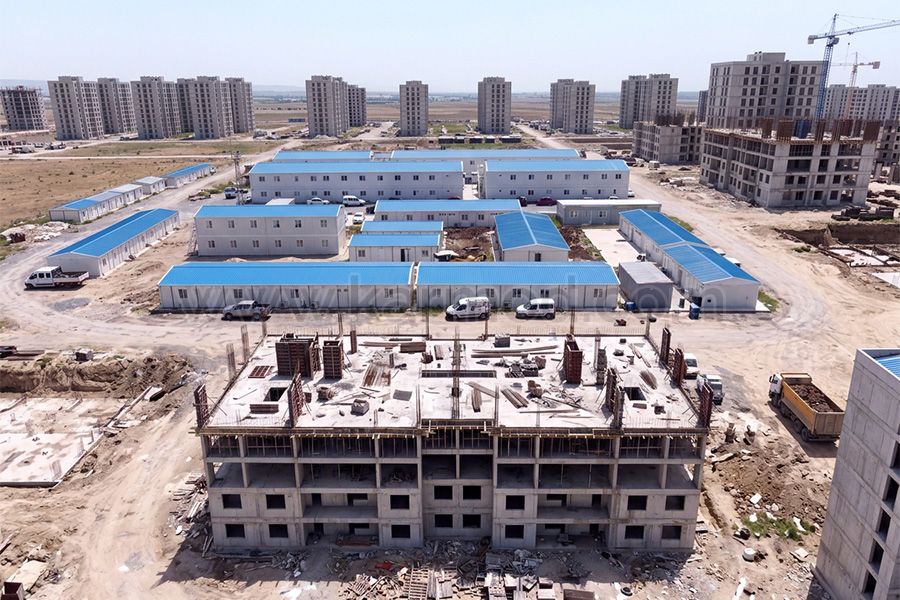
The strength of prefab construction is its streamlined production process. Off-site manufacturing supports consistent components, reduces waste, and limits delays that can occur on traditional sites. This approach is particularly relevant for low cost housing construction delivered at scale, where timelines and cost control directly influence how many families can be housed.
Mobile affordable housing, as part of prefab delivery models, can provide additional flexibility where immediate accommodation is required. Units that can be moved or repurposed may support emergency response needs or transitional housing, particularly in areas where changing conditions require adaptable solutions.
For developers, investors, and government agencies aiming for measurable outcomes, prefab low income housing projects provide a scalable approach aligned with affordable housing for low income and low income social housing goals. Standardized production can also support phased growth, allowing projects to expand as land, services, and budgets become available.
Both modular and prefab homes projects offer practical pathways for accelerating low cost housing Tanzania initiatives. By using these construction methods, Tanzania can strengthen delivery capacity and broaden access to safe, affordable homes for more households.
Tanzania is adopting modular housing construction as one of several tools for expanding affordable housing for low income families. By reducing construction time and improving process efficiency, modular delivery can support low cost housing construction that meets urgent demand while maintaining durability and liveability. This approach can also support structured low cost housing plans that contribute to reducing housing deficits over time.
Current construction delivery models can support both temporary and permanent low cost housing Tanzania solutions. Whether responding to urgent shelter needs after displacement or building long-term low income social housing, modular and prefab approaches provide scalable options that can be adapted to different contexts.
Tanzania’s progress depends on continuous collaboration between government, private sector partners, and communities to ensure homes are safe, affordable, and feasible to operate. Modular housing construction and balanced temporary-to-permanent planning can support this objective when aligned with local needs and long-term sustainability.
Within Tanzania’s low cost housing construction landscape, Karmod is positioned as a manufacturer offering mobile affordable housing solutions that can be deployed efficiently. By applying modular housing construction systems, the company supports stakeholders seeking practical delivery models aligned with low cost housing Tanzania objectives and the needs of low income families.
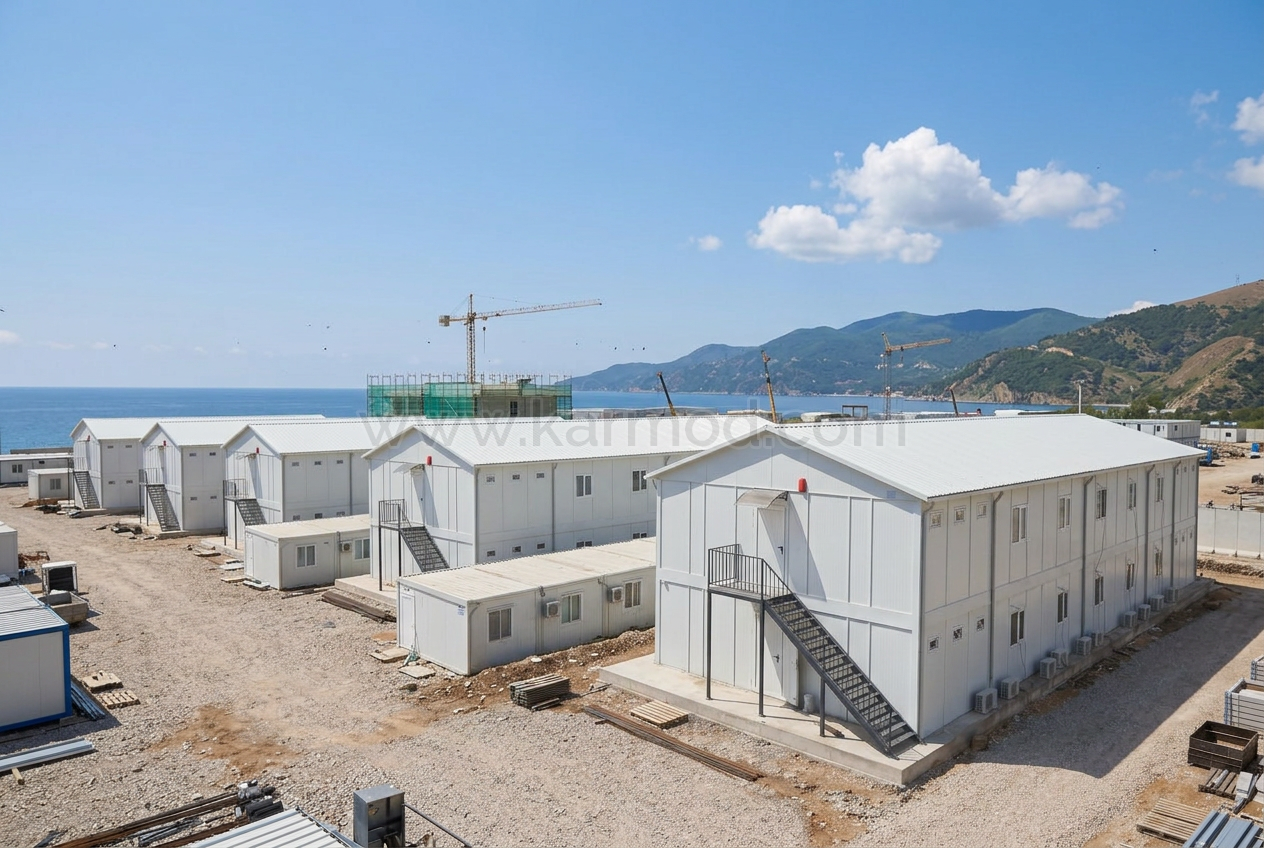
For temporary housing in Tanzania, modular construction is often effective because it enables rapid assembly, controlled costs, and reliable quality. The adaptability of modular housing construction supports a range of temporary scenarios, including disaster relief, transitional accommodation, and short-term workforce housing.
Karmod's mobile affordable housing solutions and the wider application of modular housing construction can support Tanzania’s efforts to expand both temporary and permanent housing supply. When delivered with attention to operating costs, maintenance, and community integration, these methods can help more households access safe, affordable, and sustainable homes.
In order to serve you better, if you could kindly send an e-mail to info@karmod.com for questions and details about your theoretical and special architectural plans, projects, and product specifications, your request will be responded to as soon as possible.

From one end of the world to the other, we enable our customers to reach the ready-made construction sector produced with the new technology of the world. We guarantee reliability through technology and innovation, flexible commercial models and smart supply chain solutions that add value for you, following the project production network.
Discover
Karmod is one of the largest prefabricated construction companies in Turkey, with a production of 45,000 m2. produces high quality prefabs and prefab containers