EN
EN 


In Sweden, the need for affordable social housing for low income families is driving a structural shift in how homes are planned, financed, and delivered. Rising demand in urban centers, regional population movements, and long waiting lists for rental units have intensified the search for scalable solutions. Innovative approaches such as modular and prefab homes are increasingly positioned as practical responses to housing affordability challenges. At the center of this transformation is Karmod, recognized for delivering sustainable, cost-efficient housing systems that align with Sweden’s social welfare principles. Their work goes beyond construction, supporting the development of stable residential environments where long-term affordability and community integration are equally prioritized.
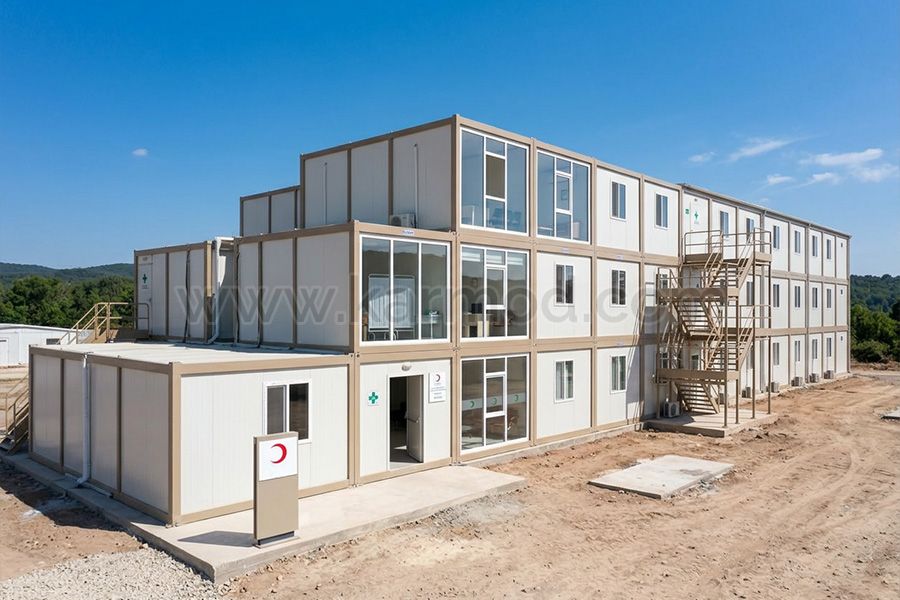
The concept of modular homes is reshaping the landscape of Swedish public housing projects. Built in sections within controlled production facilities, modular units ensure consistent quality standards, predictable timelines, and reduced material waste. Once transported to site, they are assembled into complete residential buildings that meet local performance expectations for durability and energy efficiency. This industrialized method supports municipalities and housing associations seeking reliable delivery models that reduce construction risks while accelerating access to low-income housing.
Prefab homes, another core strength of Karmod, provide a complementary solution within Sweden’s affordable social housing framework. Fully manufactured off-site and delivered ready for installation, these units significantly shorten project timelines and reduce on-site labor demands. This approach enables faster deployment of housing in areas facing urgent shortages. At the same time, adaptable layouts allow local authorities to respond to diverse household structures, from single residents to larger families. By combining affordability with thoughtful design, prefab systems help ensure that cost control does not come at the expense of quality living standards.


What distinguishes Karmod within the Swedish context is its focus on balancing cost efficiency with long-term sustainability. In a country where environmental responsibility and social equity are central policy objectives, affordable housing must meet more than budget targets. It must also support low operating costs, energy-conscious performance, and integration within existing neighborhoods. Karmod’s modular and prefab housing models respond to these expectations, contributing to residential solutions that are both financially accessible and environmentally aligned with Sweden’s climate conditions.
As Sweden continues to address housing affordability pressures, modular construction is emerging as a strategic component of broader public housing strategies. These systems allow housing providers to scale developments, adapt to regional needs, and manage public investment responsibly. By combining industrial precision with social purpose, modular and prefab housing contribute to a more resilient and inclusive housing supply, ensuring that low income families have access to stable, dignified homes.


Sweden is redefining social housing delivery through modular construction systems designed for efficiency, transparency, and long-term performance. Rather than relying solely on conventional site-built methods, municipalities and housing providers are integrating off-site manufacturing to meet increasing demand. Modular social housing projects are assembled from precision-engineered units, reducing construction timelines and improving cost predictability—two critical factors in publicly funded developments.
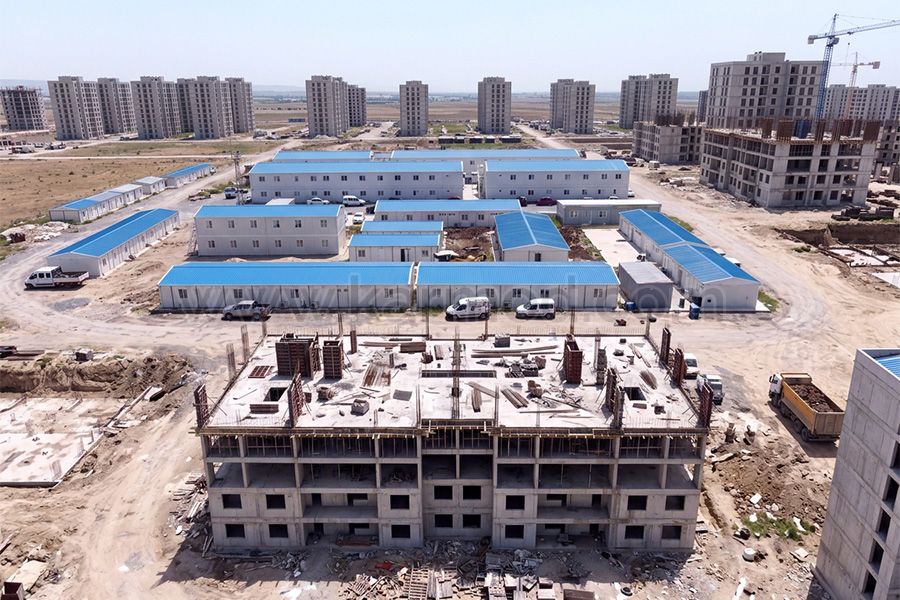
The urgency behind this shift reflects the growing need for affordable housing for low income households across metropolitan and regional areas. Modular construction supports phased development, allowing projects to expand in line with demographic trends and budget cycles. This flexibility is particularly valuable for public authorities managing limited land resources and seeking adaptable, replicable housing models. The emphasis on low cost housing ideas and structured delivery plans strengthens both financial oversight and social responsibility.


Karmod contributes technical expertise and manufacturing capacity to this transition, supporting Sweden’s ambition to increase its stock of affordable social housing without compromising durability or architectural coherence. By refining low cost housing construction techniques, the company enables faster project realization while maintaining standards suitable for Nordic climate conditions.
Prefab low income housing offers Sweden a practical pathway to expand its residential inventory in a controlled and sustainable manner. By completing substantial portions of construction within factory environments, developers can reduce weather-related delays and ensure consistent building quality. This method strengthens the reliability of public housing projects, particularly in regions where seasonal conditions can slow traditional construction processes.
Across Sweden, affordable housing for low income households is increasingly developed through integrated planning approaches that combine land allocation, infrastructure coordination, and scalable building systems. Prefabricated housing supports this model by enabling repeatable designs that can be adapted to different municipalities. Mobile affordable housing concepts further extend this flexibility, offering transitional accommodation that can later be relocated or repurposed as community needs evolve.
Karmod’s expertise in prefab and modular housing construction reinforces these efforts. Through industrialized production methods, projects can maintain cost discipline while delivering safe and comfortable living spaces. This structured approach supports institutional stakeholders seeking dependable partners in the expansion of affordable social housing.
By embedding modular and prefab construction into long-term housing strategies, Sweden is strengthening its ability to respond to demand fluctuations while safeguarding housing affordability. The focus remains on delivering durable homes that serve residents for decades, not temporary solutions that require premature replacement.
Affordable modular housing construction is becoming a cornerstone of Sweden’s response to supply shortages and rising living costs. The model combines rapid assembly with controlled production processes, reducing financial uncertainty for municipalities and housing associations. For low income families, this translates into faster access to stable accommodation within well-planned residential areas.
Sweden’s affordable social housing strategy encompasses both temporary and permanent residential solutions. Flexible construction systems allow public authorities to address urgent housing requirements while planning for long-term community development.
Through structured low cost housing construction strategies, Sweden continues to reinforce its commitment to equitable housing access. Emphasis on sustainability, cost control, and community integration ensures that both temporary and permanent solutions contribute to a stable housing ecosystem.
Karmod operates as a specialized manufacturer of mobile affordable housing within Sweden’s broader public housing landscape. By combining modular housing construction with transportable unit design, the company provides adaptable solutions suited to varying regional requirements. This capacity is particularly valuable for municipalities managing transitional housing needs or planning incremental residential expansion.
With a focus on low cost housing construction and energy-conscious building systems, Karmod supports the delivery of affordable housing for low income households without sacrificing structural quality. Their manufacturing-led approach enhances schedule reliability and reduces exposure to on-site uncertainties, strengthening overall project efficiency.
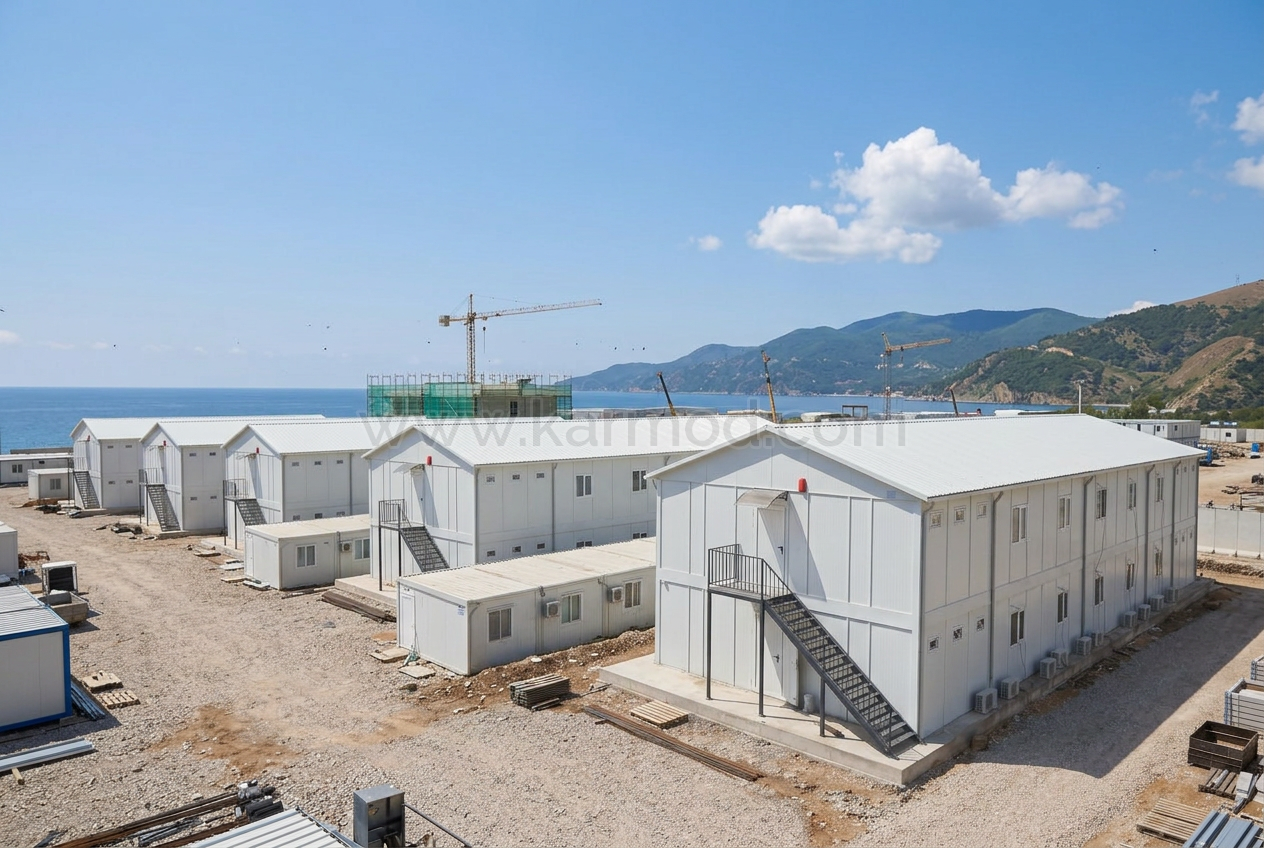
For temporary housing demands, modular housing construction offers Sweden a responsive and structured solution. Off-site production shortens implementation periods, allowing authorities to provide accommodation within compressed timeframes. This efficiency is essential when addressing urgent housing shortages or supporting transitional populations.
Beyond speed, modular systems ensure that temporary housing maintains dignity and functionality. Units can be designed for comfort, thermal performance, and adaptability, aligning with Sweden’s environmental expectations. When long-term needs emerge, these systems can often be upgraded, relocated, or integrated into permanent developments, extending their lifecycle value.
Through modular and mobile construction strategies, Sweden is reinforcing a housing model that balances immediacy with sustainability. By prioritizing affordability, operational efficiency, and community integration, these initiatives strengthen the foundation of affordable social housing and contribute to a more resilient national housing framework.
In order to serve you better, if you could kindly send an e-mail to info@karmod.com for questions and details about your theoretical and special architectural plans, projects, and product specifications, your request will be responded to as soon as possible.

From one end of the world to the other, we enable our customers to reach the ready-made construction sector produced with the new technology of the world. We guarantee reliability through technology and innovation, flexible commercial models and smart supply chain solutions that add value for you, following the project production network.
Discover
Karmod is one of the largest prefabricated construction companies in Turkey, with a production of 45,000 m2. produces high quality prefabs and prefab containers