EN
EN 


In the heart of South Africa, the goal of delivering affordable social housing for low-income families is steadily taking shape through innovative construction systems and long-term housing strategies. The commitment demonstrated by companies like Karmod goes beyond erecting buildings; it supports structured public housing projects designed to strengthen communities, improve housing affordability, and provide dignified living environments across urban and peri-urban areas of South Africa.
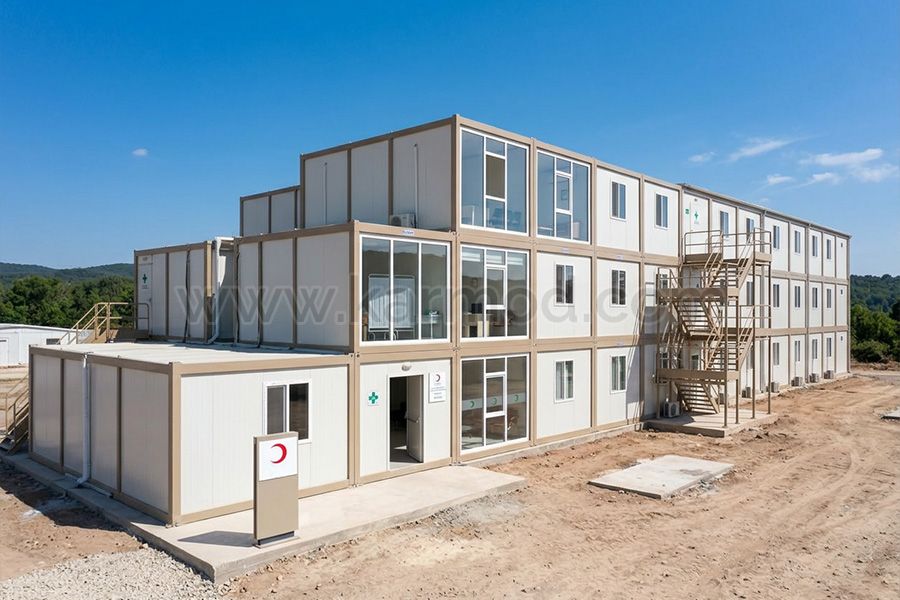
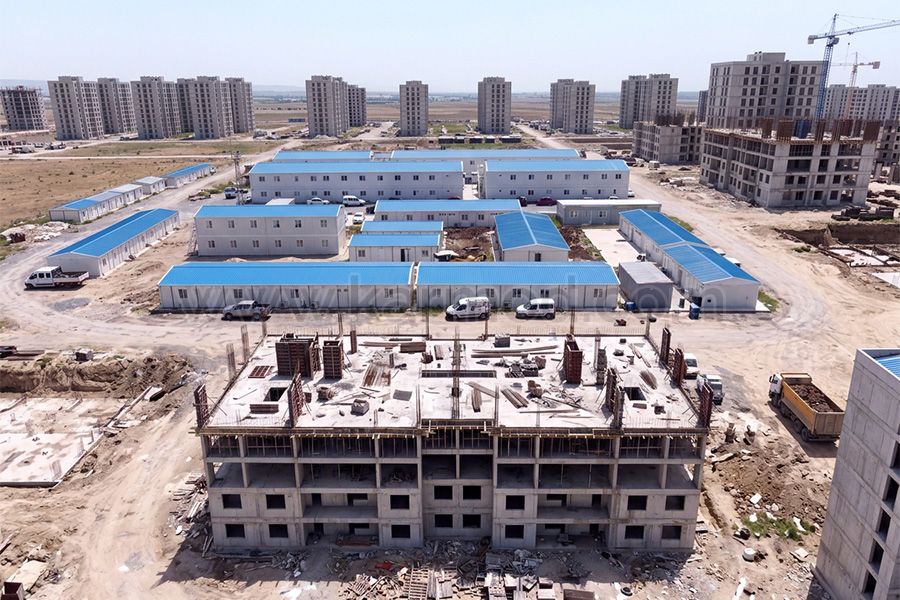
Karmod is advancing this mission through modular homes and prefab homes, demonstrating how industrialized construction can respond to national housing demand with precision and efficiency. These systems represent practical delivery models for affordable housing, enabling municipalities, housing authorities, and NGOs to accelerate development timelines while maintaining structural quality. Modular and prefab construction allow controlled production, predictable budgets, and design flexibility—key elements when planning scalable low-income housing across diverse South African landscapes.
South Africa faces sustained pressure on housing supply, particularly in metropolitan areas where migration and population growth increase demand for public and social housing. Modular and prefab housing solutions significantly reduce construction time and on-site disruption, offering cost certainty that supports responsible public investment. In addition, factory-based production minimizes material waste and improves energy performance, contributing to long-term sustainability and lower operating costs for residents and housing administrators alike.


The broader impact of structured affordable social housing extends well beyond the physical dwelling. Thoughtfully planned developments promote community integration, access to infrastructure, and long-term social stability. By offering adaptable low cost housing construction models, Karmod supports public authorities in creating neighborhoods that foster inclusion, safety, and economic participation rather than isolated housing blocks.
South Africa’s evolving housing landscape calls for solutions that are efficient, scalable, and resilient to local climate conditions—from coastal humidity to inland temperature variation. Modular and prefab systems provide durable construction performance while enabling architectural designs suited to regional needs. This approach reflects a forward-looking commitment to equitable housing delivery, where affordability and quality coexist within sustainable community frameworks.


Developing modular social housing in South Africa provides a structured and policy-aligned response to persistent housing shortages. Rather than relying solely on conventional building methods, modular construction introduces a predictable and repeatable system that supports large-scale public housing projects. This approach strengthens housing delivery pipelines and enables phased development strategies aligned with municipal planning frameworks.
By manufacturing structural components in controlled environments and assembling them efficiently on-site, modular construction shortens project timelines and reduces exposure to weather-related delays. For low-income housing developments, this efficiency translates into faster occupancy, improved budget management, and enhanced quality control. The streamlined process also contributes to improved durability and lower lifecycle maintenance requirements.


Flexibility is central to successful affordable social housing. Modular systems can accommodate varying unit sizes, incremental expansion possibilities, and community-centered layouts. This adaptability supports diverse household structures and evolving demographic needs, ensuring that social housing projects remain functional and relevant over time. Through modular delivery models, South Africa can expand housing access while safeguarding long-term sustainability and operational performance.
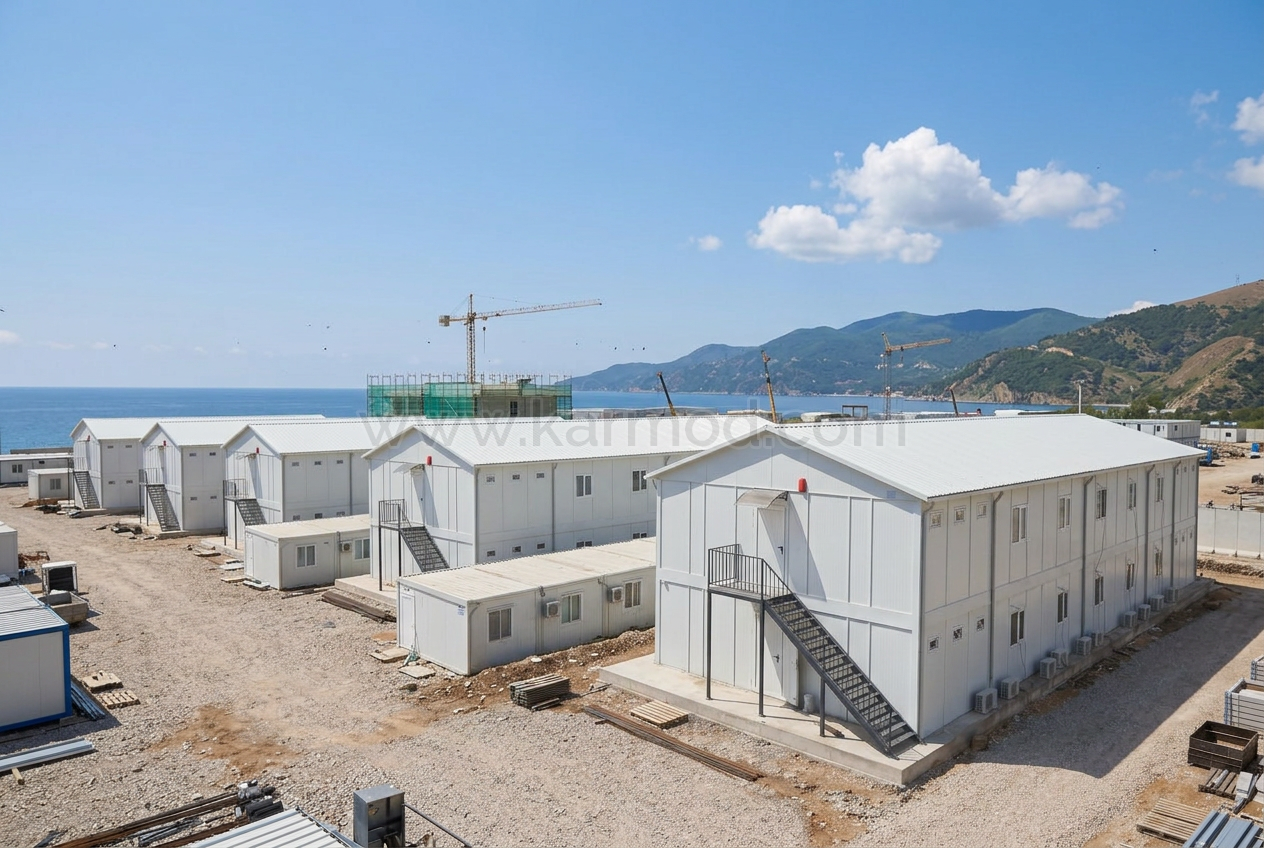
Prefab low-income housing projects in South Africa introduce additional efficiency to public housing strategies. Prefabricated systems utilize standardized components that are manufactured off-site and transported for rapid assembly, allowing authorities to respond more effectively to urgent housing demand. This method supports structured planning while maintaining architectural consistency across large developments.
For regions experiencing housing backlogs, prefab construction offers a practical mechanism to accelerate delivery without compromising structural integrity. The reduced construction period helps limit temporary accommodation needs and lowers indirect project costs. Prefab housing also enables better resource optimization, contributing to improved environmental performance and reduced operational expenses over the building’s lifespan.
Collaboration between public institutions, private manufacturers, and housing-focused organizations remains critical to delivering successful low income social housing initiatives. Through coordinated planning, transparent procurement, and scalable construction systems, affordable housing projects can achieve measurable progress while maintaining social accountability. Modular and prefab approaches form a complementary framework that strengthens South Africa’s capacity to expand inclusive housing provision.
Together, modular and prefab solutions represent a strategic shift toward more resilient, cost-controlled, and community-oriented housing development models, reinforcing national efforts to improve housing affordability and long-term urban stability.
Affordable modular housing construction in South Africa addresses both permanent settlement needs and transitional accommodation requirements. By combining standardized production with adaptable design, this approach allows housing providers to balance speed with durability. It also supports structured budgeting and phased expansion, essential for sustainable public housing implementation.
This structured framework reflects South Africa’s commitment to implementing affordable social housing solutions that are durable, scalable, and aligned with responsible public planning principles.
Karmod plays a strategic role in advancing mobile affordable housing across South Africa. As a manufacturer specializing in modular housing construction, the company supports public and institutional clients seeking reliable, cost-controlled housing solutions. Its production systems emphasize structural integrity, rapid assembly, and design adaptability—critical factors in large-scale social housing deployment.
Mobile housing units offer practical flexibility in a country where housing needs vary across provinces and settlement types. Whether serving as transitional accommodation or forming part of a permanent housing framework, these units contribute to improved housing accessibility and reduced development timelines. By focusing on low income social housing, Karmod aligns construction innovation with broader goals of community integration and long-term sustainability.
Identifying the most effective method for temporary housing in South Africa requires balancing rapid deployment with structural durability. Modular housing construction provides this balance by enabling fast installation without compromising building performance. For municipalities managing emergency relocation, informal settlement upgrades, or disaster response, modular systems offer predictable delivery and quality assurance.
Mobile affordable housing enhances this strategy by allowing units to be repositioned or expanded as community needs evolve. This flexibility reduces the risk of underutilized infrastructure and supports phased development models. Incorporating low cost housing construction principles ensures that temporary solutions remain financially sustainable while maintaining adequate living standards.
By integrating modular production, mobile deployment, and coordinated public-private collaboration, South Africa can implement temporary and transitional housing solutions that contribute to long-term social housing stability. This comprehensive approach reinforces housing affordability, improves operational efficiency, and supports inclusive urban development across the country.
In order to serve you better, if you could kindly send an e-mail to info@karmod.com for questions and details about your theoretical and special architectural plans, projects, and product specifications, your request will be responded to as soon as possible.

From one end of the world to the other, we enable our customers to reach the ready-made construction sector produced with the new technology of the world. We guarantee reliability through technology and innovation, flexible commercial models and smart supply chain solutions that add value for you, following the project production network.
Discover
Karmod is one of the largest prefabricated construction companies in Turkey, with a production of 45,000 m2. produces high quality prefabs and prefab containers