EN
EN 


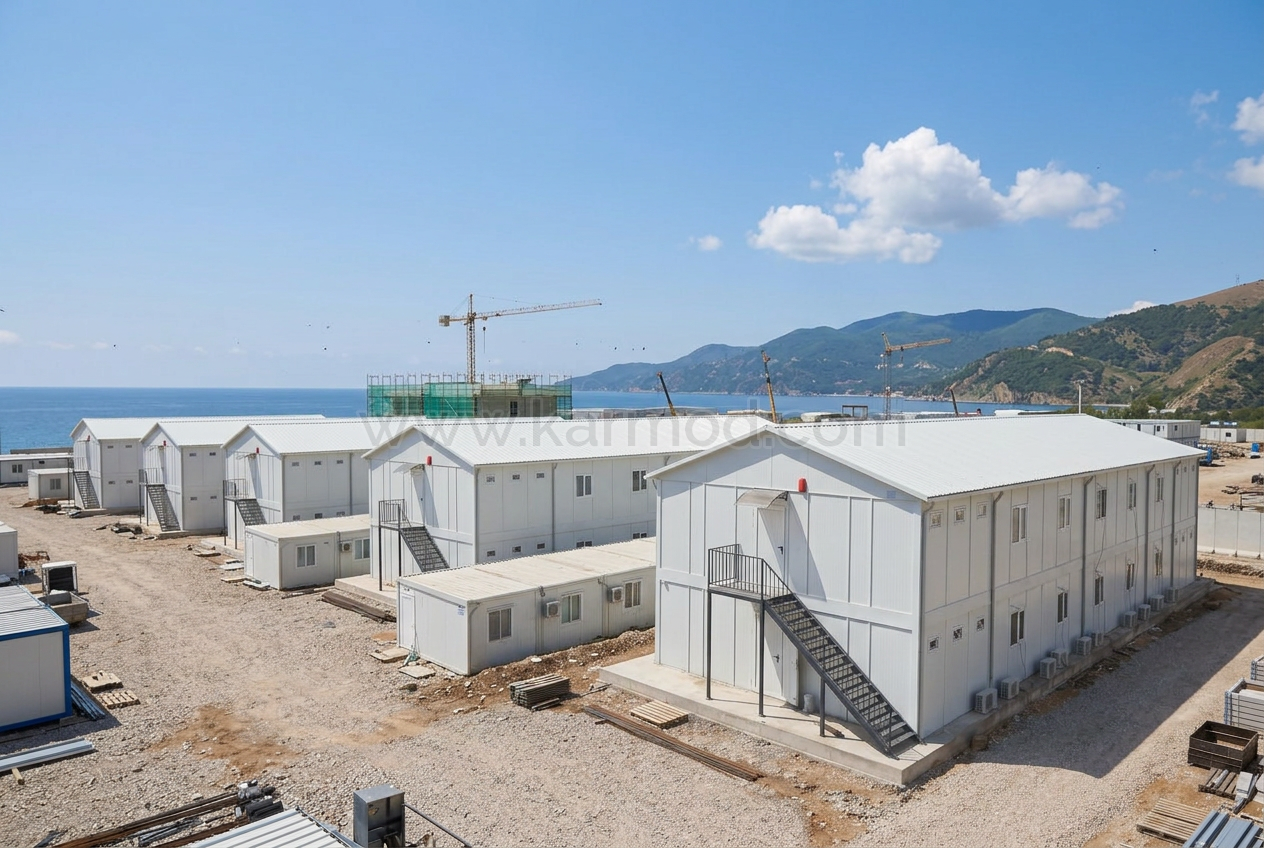
In Singapore, where limited land and high-density living place constant pressure on housing supply, delivering affordable social housing for low-income families demands solutions that are fast, reliable, and built for long-term use. Karmod contributes to this effort by applying modular and prefab homes as practical delivery models for cost-controlled housing. The result is a construction approach that supports housing affordability while aligning with Singapore’s emphasis on efficiency, quality, and sustainable urban planning.
Modular homes, produced as coordinated building sections in factory conditions and assembled on-site, offer a structured way to accelerate project timelines. In a city-state where scheduling certainty and minimised disruption matter, modular delivery reduces on-site work and shortens build periods. The system also allows layouts to be configured to suit different household sizes and community needs, supporting inclusive low-income housing without compromising basic comfort or design coherence.
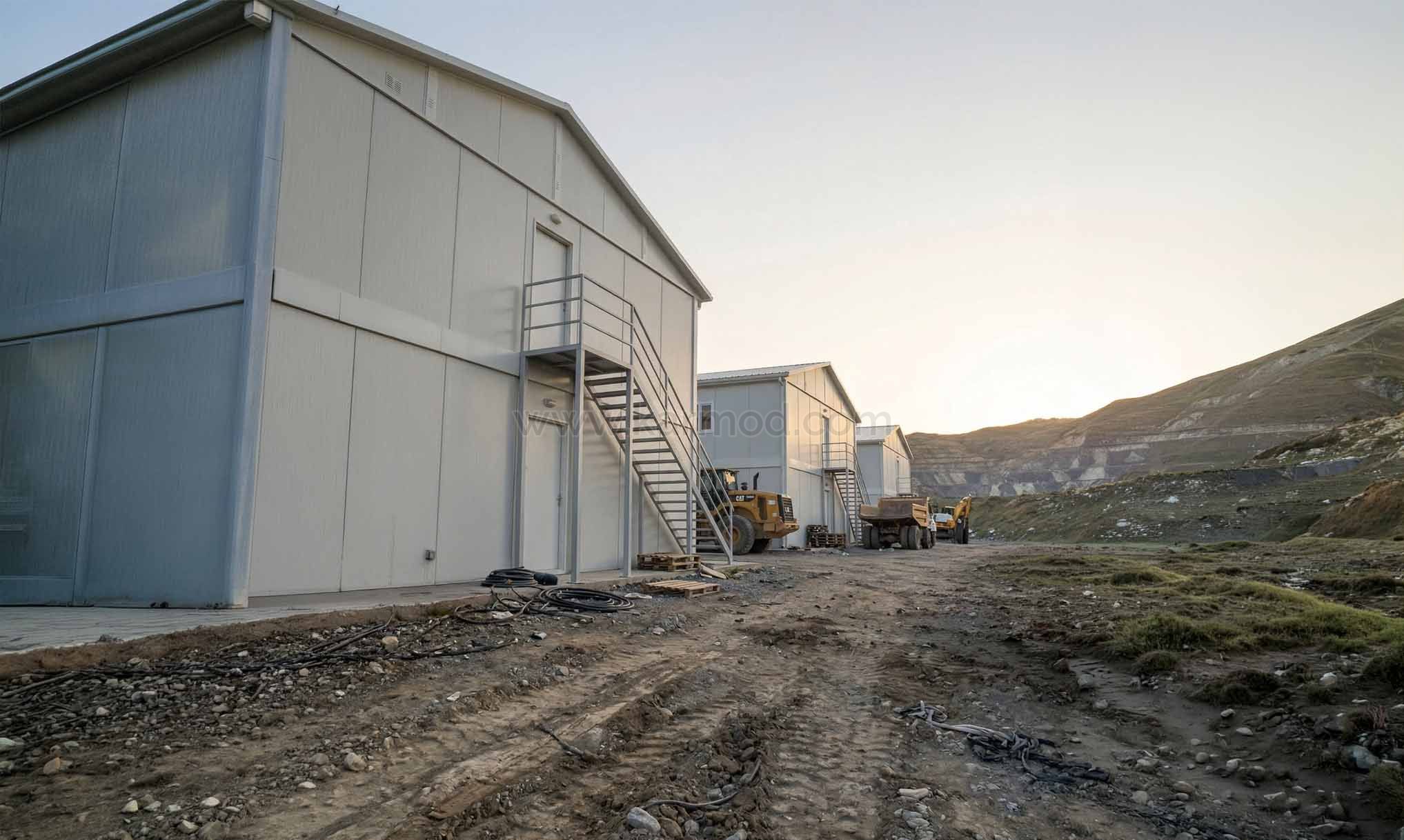
Prefab homes are constructed in controlled environments and then transported to their final site, allowing finishing standards to remain consistent across multiple units. For social housing providers and delivery partners, this predictability supports clearer budgeting, fewer delays, and more dependable outcomes. Karmod’s prefab focus prioritises durable, liveable homes that can perform well in Singapore’s warm, humid climate while maintaining manageable operating costs over time.
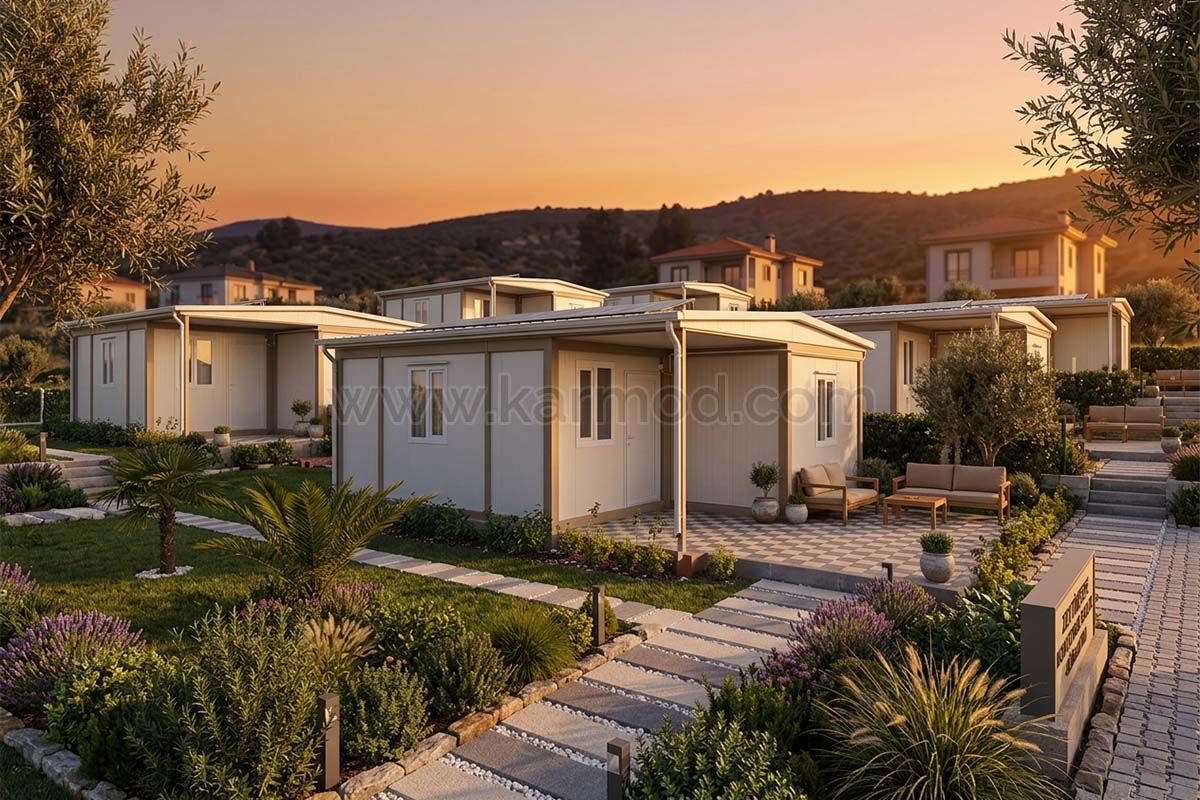
Karmod’s work in Singapore reflects a community-first view of affordable housing: not only providing shelter, but supporting stable neighbourhoods where residents can build secure lives. By leveraging industrialised construction and modern materials, modular and prefab homes can be delivered as coordinated residential environments rather than isolated units. This approach strengthens community integration and enables housing programmes to scale in a controlled, policy-aware way.
As Singapore continues to manage growth, renewal, and evolving household needs, partnerships that can deliver dependable public housing outcomes remain essential. Through modular and prefab construction, Karmod supports the progression from planning to occupancy with fewer uncertainties, helping affordable social housing for low-income families remain achievable within tight urban constraints.


Singapore’s affordable housing agenda depends on delivery methods that reduce construction risk while protecting quality in compact, high-demand environments. Modular and prefab building systems support this objective by shortening delivery cycles, improving predictability, and enabling social housing to be planned as a long-term public asset.
Singapore’s push towards modular social housing strengthens its ability to provide stable, affordable living spaces for households that may be priced out of the private market. For public authorities and delivery partners, the appeal lies in structured construction, controlled costs, and the ability to maintain standards across multiple sites.


Prefab low-income housing projects in Singapore demonstrate how off-site construction can expand affordable housing supply while protecting build quality. For housing agencies, municipalities, and non-profit partners, prefab delivery can help meet urgent needs without sacrificing the durability required for long-term public housing stock.
By integrating modular and prefab construction into affordable housing delivery, Singapore strengthens its capacity to provide dignified homes while maintaining long-term sustainability. These methods support consistent outcomes at scale and reinforce a planning approach that treats low-income housing as a foundation for resilient communities.


Affordable modular housing construction supports Singapore’s need for reliable, high-quality homes delivered under tight land, time, and budget constraints. By shifting key construction phases into controlled environments, modular delivery improves predictability and helps housing providers manage cost, time, and performance across multiple projects.
Singapore’s housing needs include both short-term accommodation and long-term, stable homes. Modular and prefab construction supports this range by enabling rapid delivery for urgent situations while maintaining the build quality required for permanent residency.
Singapore’s continued use of modular and prefab systems reflects a practical approach to affordable social housing: prioritising build quality, delivery speed, and community outcomes while supporting long-term sustainability in a dense urban environment.
Within Singapore’s compact and highly planned built environment, Karmod provides mobile affordable housing solutions designed for efficient delivery and flexible use. These systems support low-cost housing construction where speed, site constraints, and minimised disruption are key considerations.
For temporary housing in Singapore, modular construction provides an effective balance of speed, quality, and scalability. It supports rapid occupancy while maintaining standards suitable for safe, comfortable living—an essential requirement for low-cost social housing in dense urban settings.
Through modular and mobile housing delivery, stakeholders can respond to immediate needs while reinforcing long-term housing resilience. With experienced manufacturers and structured construction methods, Singapore can advance affordable, sustainable, and community-oriented housing outcomes.
In order to serve you better, if you could kindly send an e-mail to info@karmod.com for questions and details about your theoretical and special architectural plans, projects, and product specifications, your request will be responded to as soon as possible.

From one end of the world to the other, we enable our customers to reach the ready-made construction sector produced with the new technology of the world. We guarantee reliability through technology and innovation, flexible commercial models and smart supply chain solutions that add value for you, following the project production network.
Discover
Karmod is one of the largest prefabricated construction companies in Turkey, with a production of 45,000 m2. produces high quality prefabs and prefab containers