EN
EN 


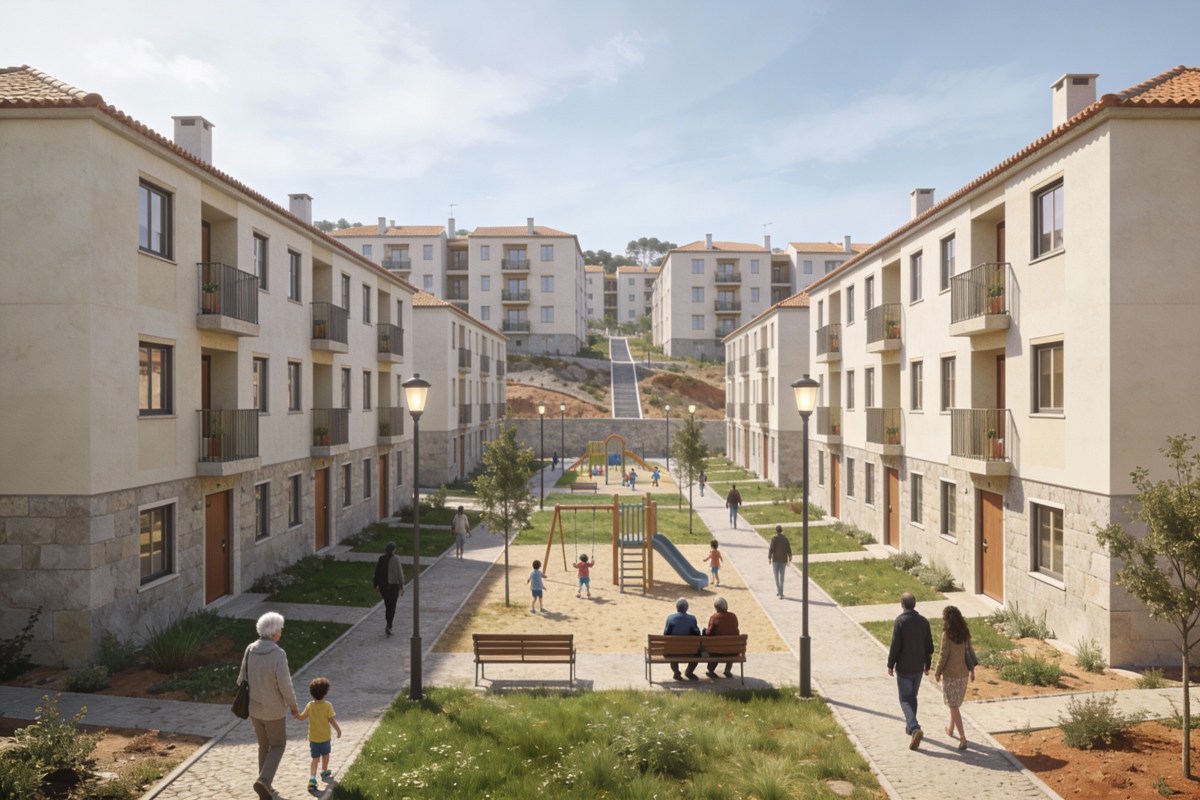
Thanks to innovative housing solutions offered by companies such as Karmod, the prospect of affordable housing is becoming more attainable for low income families. Karmod, recognized for its focus on sustainable and cost-conscious living environments, plays an active role in the development of modular and prefabricated housing across Portugal. These housing solutions provide more than shelter; they support long-term housing affordability by reducing upfront construction costs and ongoing operating costs, while offering residents a stable place to build their lives.
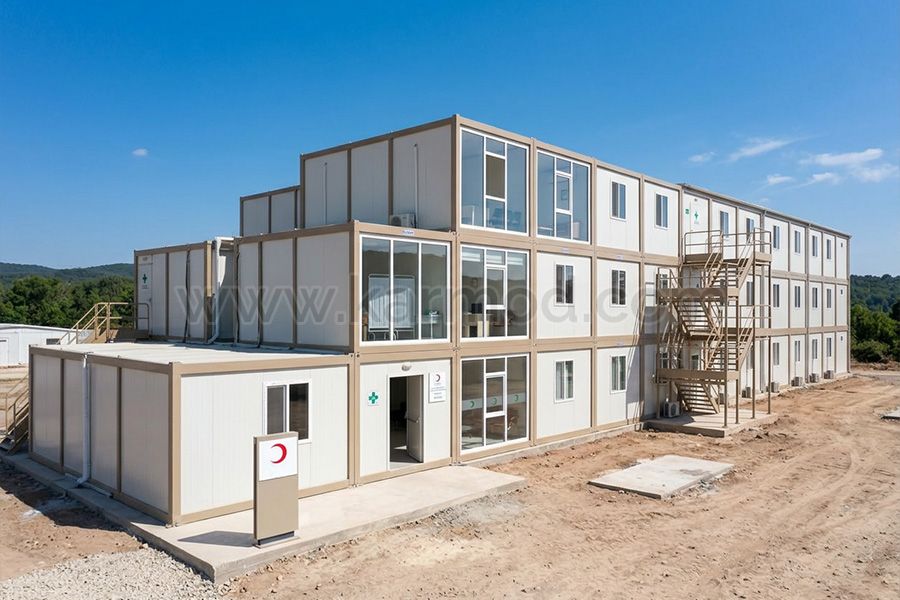
The modular home concept, where building components are manufactured in a controlled factory environment and assembled on site, is reshaping the Portuguese housing landscape. This construction method shortens delivery timelines and limits material waste, supporting environmentally responsible development. Prefabricated homes follow similar principles, allowing rapid deployment without compromising structural quality or durability. Both approaches respond directly to Portugal’s housing demand while remaining aligned with broader environmental and social housing objectives.
Karmod’s involvement in this field reflects a structured response to housing affordability challenges in Portugal. Through advanced production techniques and adaptable design systems, the company delivers modular and prefabricated housing solutions that meet diverse household needs. This flexibility supports public authorities and housing providers seeking scalable delivery models that strengthen community integration and offer reliable housing pathways for low income households.


The wider push for affordable social housing in Portugal, supported by industrialized construction methods, demonstrates a commitment to inclusive and resilient housing systems. As families move into these efficiently built homes, modular and prefabricated housing continues to prove its value as a practical tool for addressing housing shortages among low income populations while maintaining dignity, safety, and long-term sustainability.
Portugal is adopting modular social housing as a strategic response to the growing demand for low income housing. This approach emphasizes cost control, construction speed, and durability, making it well suited to public housing projects and municipal-led developments. Modular construction supports housing affordability while ensuring consistent building standards across both urban and regional contexts.


Modular housing construction offers several structural advantages for social housing delivery:
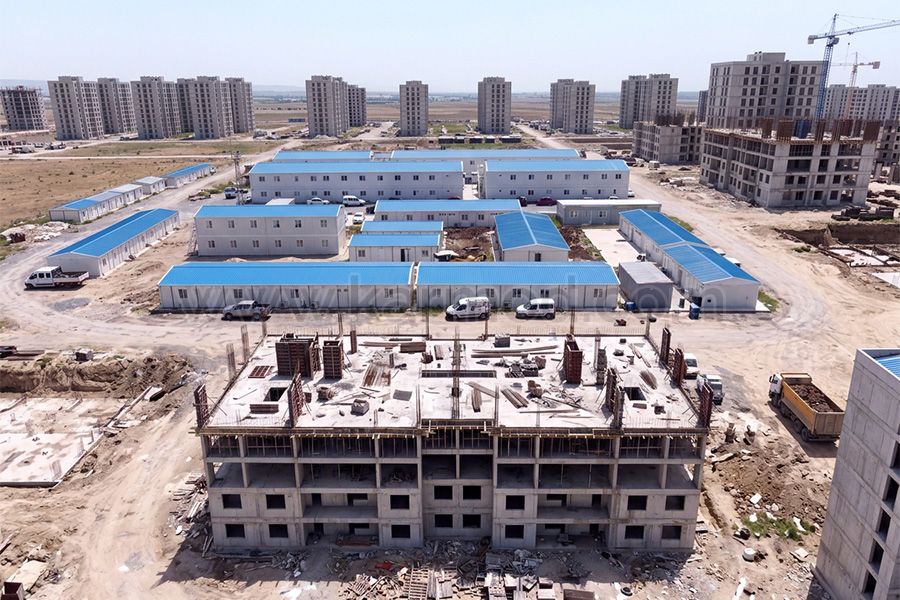
Prefab low income housing projects in Portugal demonstrate how industrialized construction can address urgent housing needs with speed and consistency. These projects highlight an operational focus on rapid delivery while maintaining livability and compliance with public housing standards. Prefab homes, assembled from pre-manufactured sections, allow housing providers to respond efficiently to demand pressures.


Core characteristics of prefab housing projects include:
Together, modular and prefab housing models reflect Portugal’s commitment to practical, forward-looking solutions for low income housing. By prioritizing efficiency, affordability, and environmental responsibility, these construction methods support inclusive housing strategies that respond to both immediate needs and long-term urban planning goals.
Affordable modular housing construction continues to play an important role in Portugal’s response to housing accessibility challenges. By reducing construction timelines and controlling costs, modular systems support public and social housing initiatives seeking durable and financially viable solutions. This approach enables housing providers to deliver dignified living environments without exceeding budgetary constraints.
Key advantages of modular housing include:
Portugal is developing both temporary and permanent low cost social housing solutions to accommodate diverse housing scenarios. Modular construction supports this dual approach by allowing units to be deployed for short-term needs or integrated into permanent residential developments.
For temporary housing applications, modular construction provides:
For permanent low cost social housing, modular construction ensures:
This balanced approach highlights Portugal’s emphasis on adaptable housing delivery models that serve both immediate and sustained housing needs, reinforcing the role of modular construction in long-term social housing strategies.
As Portugal continues to address housing accessibility, Karmod stands out as a manufacturer specializing in mobile and modular affordable housing. Its production methods support low cost housing construction while offering flexibility for varied applications, from emergency accommodation to permanent social housing developments.
Key features of Karmod's housing solutions include:
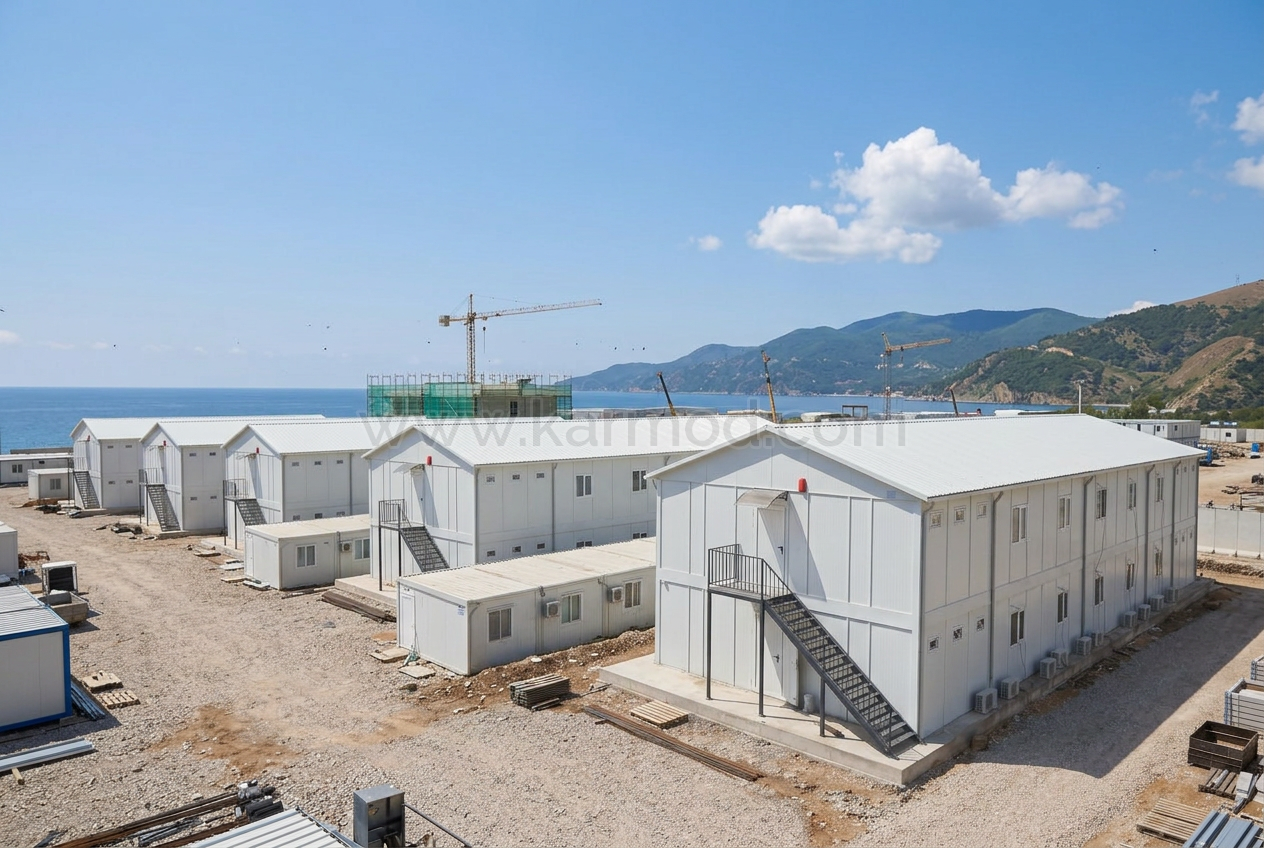
Modular construction is widely regarded as an effective method for temporary housing in Portugal due to its speed, adaptability, and cost efficiency. It is particularly suitable for emergency response scenarios, seasonal housing needs, or temporary community facilities.
Through its modular expertise and focus on affordable housing delivery, Karmod contributes to Portugal’s broader efforts to improve access to safe, dignified housing. These construction approaches support public authorities and housing providers seeking reliable solutions for both temporary and permanent housing needs.
In order to serve you better, if you could kindly send an e-mail to info@karmod.com for questions and details about your theoretical and special architectural plans, projects, and product specifications, your request will be responded to as soon as possible.

From one end of the world to the other, we enable our customers to reach the ready-made construction sector produced with the new technology of the world. We guarantee reliability through technology and innovation, flexible commercial models and smart supply chain solutions that add value for you, following the project production network.
Discover
Karmod is one of the largest prefabricated construction companies in Turkey, with a production of 45,000 m2. produces high quality prefabs and prefab containers