EN
EN 


In Poland, the vision of affordable social housing for low income families is steadily translating into structured, scalable development programs. Rising construction costs, urban concentration in major cities, and growing demand for accessible rental and ownership models have intensified the need for efficient delivery systems. Modular and prefab homes are emerging as practical tools in this transition. Beyond providing shelter, these solutions support community integration, long-term sustainability, and stable living conditions for households facing housing affordability challenges. At the forefront of this shift is Karmod, recognized for delivering cost-controlled, durable, and rapidly deployable housing solutions within the Polish market.
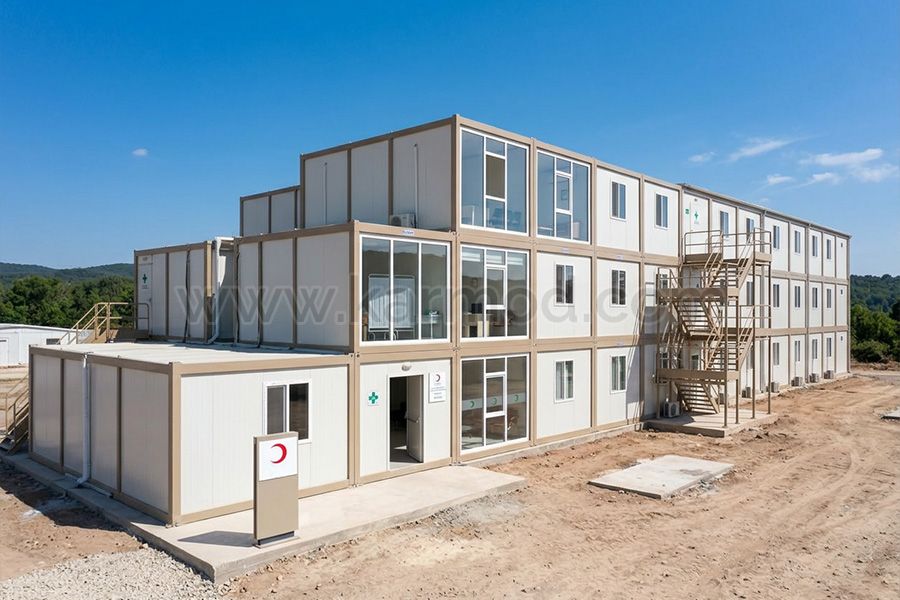
Karmod's approach to Poland’s affordable housing demand is built on the application of modular homes and prefab homes. These systems function as integrated housing solutions rather than standalone units, enabling municipalities, housing associations, and developers to deliver low-income housing projects with predictable budgets and timelines. Manufactured in controlled factory environments, modular and prefab structures ensure precision, reduced material waste, and significantly shorter construction cycles compared to traditional building methods.
What differentiates Karmod within Poland’s affordable social housing landscape is its emphasis on sustainability and lifecycle efficiency. Through low cost housing construction methodologies, the company delivers residences designed to lower operating costs, improve thermal performance, and support long-term durability in Poland’s varied climate conditions. Energy-conscious building envelopes and quality-controlled production contribute to reduced maintenance requirements and improved living standards for residents.


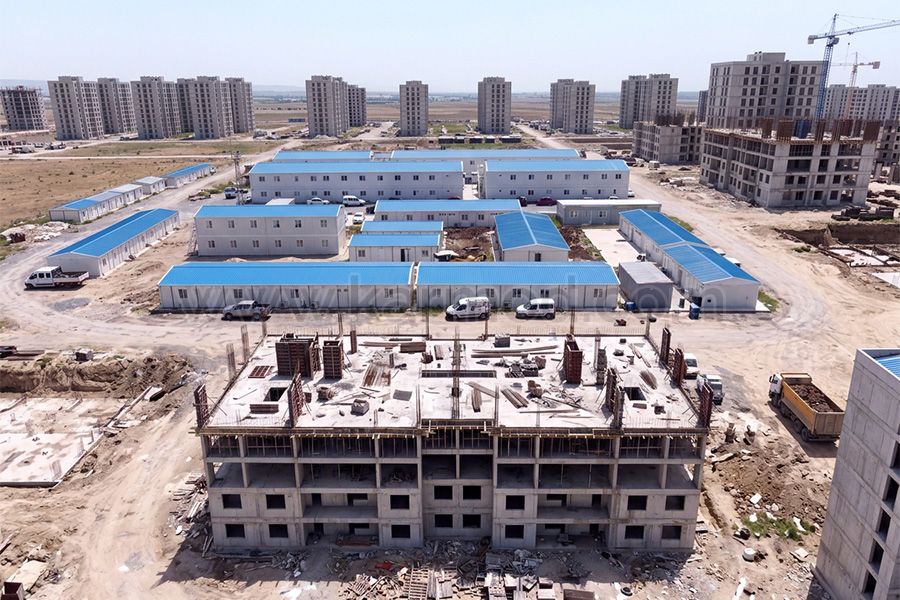
The adaptability of modular and prefab construction further enables diverse low cost housing plans and development models. From compact single-family units to multi-storey residential blocks, these systems respond to both urban density and smaller municipal needs. Flexible layouts allow housing providers to align projects with demographic requirements, ensuring that affordable housing in Poland remains responsive to family size, accessibility standards, and local infrastructure.
In practice, Karmod’s contribution to Poland’s social housing sector demonstrates how industrialized construction can enhance delivery models for public housing projects. By integrating cost control, construction speed, and environmental responsibility, modular and prefab systems support the long-term objective of creating inclusive neighborhoods where housing affordability and quality coexist.


Poland is advancing a structured approach to modular social housing development in response to increasing demand for affordable living spaces. This strategy prioritizes efficiency, scalability, and long-term resilience. By adopting modular housing construction, housing authorities and developers can deliver projects that meet cost parameters while maintaining structural integrity and quality standards.


Prefab housing projects in Poland reflect a practical response to housing shortages and affordability constraints. By leveraging standardized production processes, these developments combine cost efficiency with consistent construction quality.
Together, modular and prefab systems form a structured framework for expanding Poland’s affordable social housing stock. These solutions support policy-aligned housing delivery by balancing speed, cost transparency, and sustainable building performance.
Affordable modular housing construction in Poland represents a shift toward industrialized building processes that improve predictability and cost control. As housing affordability remains a concern for many households, modular systems provide an effective mechanism for scaling social housing programs without compromising durability or comfort.
Poland’s housing strategy incorporates both temporary and permanent low cost social housing models to address immediate needs while planning for sustainable urban development. This dual approach enhances flexibility and supports resilient community growth.
This structured framework illustrates Poland’s commitment to balancing rapid delivery with long-term sustainability in affordable housing development.
Karmod plays a significant role in Poland’s affordable housing market as a manufacturer specializing in mobile and modular construction systems. The company’s solutions are designed to meet the operational needs of public authorities and housing providers seeking efficient, scalable low income housing models.
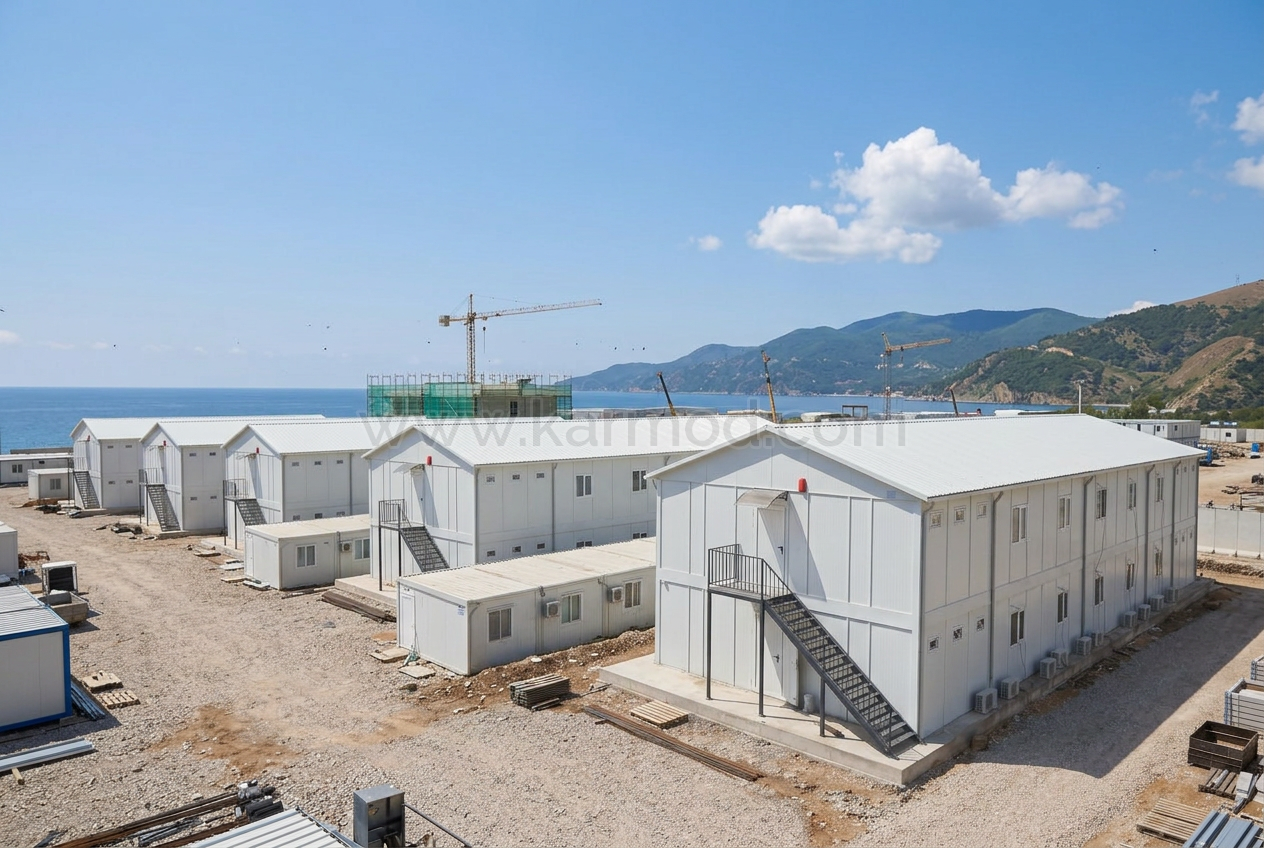
Mobile affordable housing units produced by Karmod emphasize structural durability, thermal efficiency, and rapid assembly. These characteristics make them suitable for transitional housing, social rental programs, and integrated residential developments. By applying low cost housing construction principles, Karmod supports the expansion of accessible housing options across diverse regions of Poland.
For temporary housing in Poland, modular construction methods provide a balanced combination of speed, cost efficiency, and adaptability. Prefabricated components manufactured off-site enable rapid installation while maintaining consistent quality standards.
The key advantages of this method include:
Through modular housing construction and mobile affordable housing strategies, Poland strengthens its capacity to address both temporary and permanent housing demands. This integrated approach supports the creation of safe, affordable, and sustainable living environments across the country.
In order to serve you better, if you could kindly send an e-mail to info@karmod.com for questions and details about your theoretical and special architectural plans, projects, and product specifications, your request will be responded to as soon as possible.

From one end of the world to the other, we enable our customers to reach the ready-made construction sector produced with the new technology of the world. We guarantee reliability through technology and innovation, flexible commercial models and smart supply chain solutions that add value for you, following the project production network.
Discover
Karmod is one of the largest prefabricated construction companies in Turkey, with a production of 45,000 m2. produces high quality prefabs and prefab containers