EN
EN 


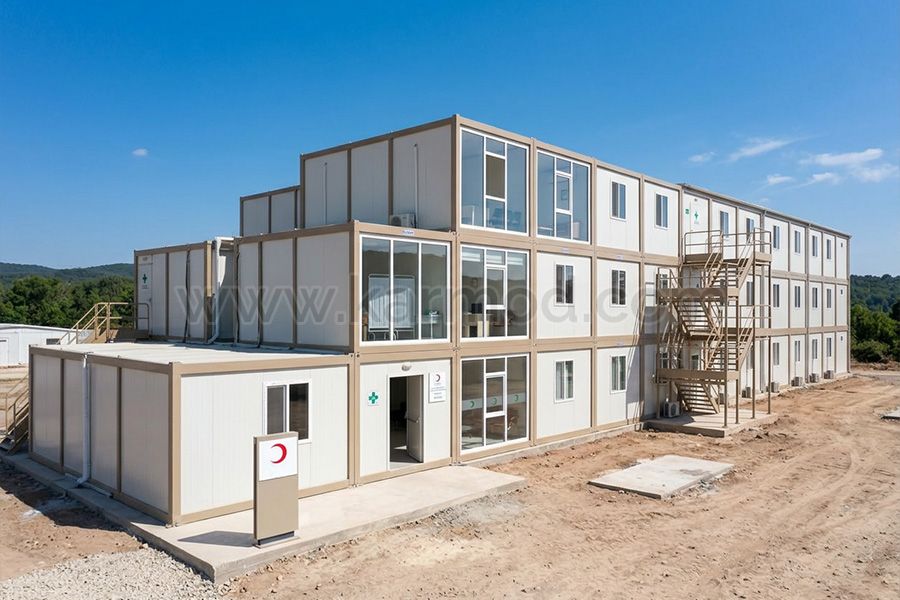
Across the Netherlands’ distinctive mix of historic neighborhoods and forward-looking urban planning, Karmod is introducing a practical approach to affordable social housing through modular and prefab homes. The goal is not simply to add units to the market, but to support well-planned public housing projects that help low-income families access stable homes with predictable costs and reliable build quality. Karmod’s focus brings together sustainability, durability, and affordability in a way that fits the Dutch emphasis on livable, well-integrated communities.
Karmod is positioned in the housing sector by applying the speed and design flexibility of modular homes to address housing affordability pressures in the Netherlands. Modular delivery models can reduce on-site disruption, shorten build schedules, and support consistent standards—advantages that matter for municipalities, housing corporations, and NGOs working with limited land availability and tight delivery timelines. The result is a housing approach that prioritizes comfort and performance while keeping projects financially attainable.
Alongside modular housing, Karmod’s prefab homes strengthen affordable housing programs through controlled manufacturing and repeatable construction quality. Prefabrication reduces material waste and supports careful detailing, which can improve long-term sustainability and help manage operating costs for residents. With an emphasis on energy-conscious materials and practical layouts, these homes align with the Netherlands’ broader commitment to responsible building practices and healthier living environments.


Karmod’s housing systems respond to more than a numerical housing shortage; they support community integration by enabling developments that can be planned around services, mobility, and shared spaces. For low-income households, affordable social housing is most effective when it connects residents to schools, employment areas, and local amenities rather than isolating them. By combining scalable construction with a community-first mindset, Karmod contributes to a housing pathway that prioritizes stability today while supporting inclusive growth over the long term.
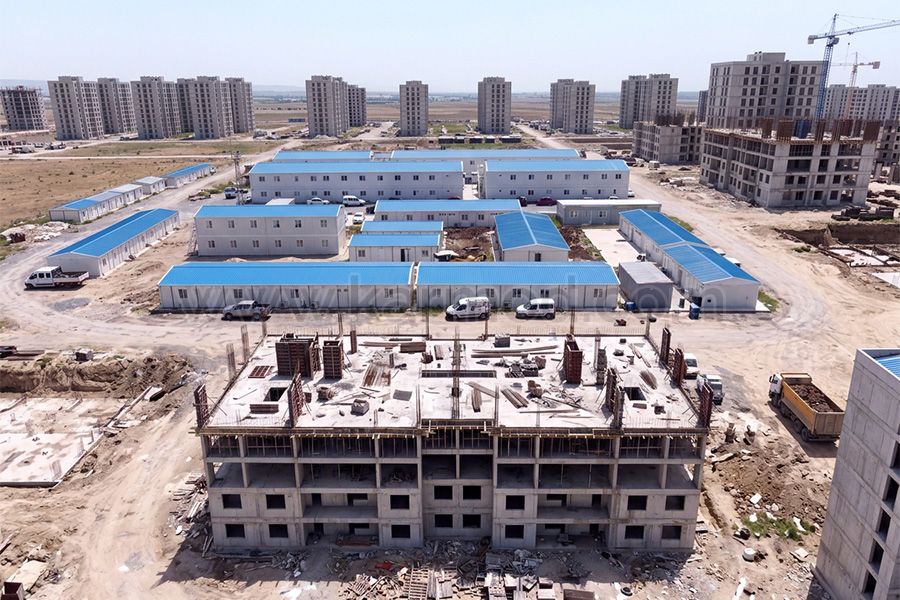
In the Netherlands, modular social housing is increasingly viewed as a credible route to deliver low-income housing at pace without compromising building integrity. Modular construction can support consistent delivery across multiple sites, allowing public authorities and housing partners to expand supply while maintaining predictable schedules and procurement control. This approach is particularly relevant where planning timelines, neighborhood constraints, and workforce availability shape what is realistically deliverable.


Modular social housing programs benefit from off-site production that improves quality assurance and reduces weather-related delays. Components manufactured under controlled conditions are assembled efficiently on location, helping projects reach occupancy faster. Importantly, modular systems can also support good neighbor outcomes by limiting construction noise and disruption, which is a key consideration in dense Dutch towns and city districts.
Prefab low-income housing projects complement modular delivery by using standardized building elements that simplify procurement and accelerate installation. For many affordable housing providers, prefab methods make it easier to plan across multiple developments while managing budgets and timelines with greater confidence. This makes prefab housing a strong fit for public housing projects that require reliability at scale.
Prefab homes can also contribute to lower long-term living costs when designs prioritize insulation quality, airtightness, and efficient building services. While affordability begins with upfront delivery costs, housing corporations and municipalities also evaluate maintenance and operating costs over time. Prefabrication supports repeatable detailing and consistent finishes, which can help reduce repair needs and improve durability.


Progress depends on coordination between government bodies, housing corporations, and private-sector manufacturers. When delivery models, land readiness, and community consultation are aligned, modular and prefab housing can expand supply while supporting better neighborhood outcomes. This collaborative structure strengthens trust and helps ensure affordable housing projects deliver social value alongside physical units.
By integrating modular and prefab approaches into social housing strategies, the Netherlands demonstrates how housing affordability can be addressed through disciplined delivery, sustainability-minded design, and community integration. The emphasis is not on temporary fixes, but on scalable methods that can help more households access stable, dignified homes.
Affordable modular housing construction in the Netherlands prioritizes build certainty and long-term sustainability, responding to high demand and limited space. Modular methods support efficient land use and allow housing providers to deliver units with consistent standards across sites. For low-income housing, this predictability helps protect budgets while enabling faster occupancy.
To meet both urgent and structural housing needs, the Netherlands is also exploring temporary and permanent low-cost social housing solutions. This dual focus allows authorities and housing partners to respond quickly to immediate shortages while continuing to invest in durable, long-term housing stock that supports community stability.
Through these initiatives, the Netherlands is strengthening a housing pathway that is sustainable, equitable, and practical to deliver. By focusing on robust delivery models, long-term sustainability, and community integration, Dutch stakeholders are expanding affordable housing options while protecting quality of life for residents.
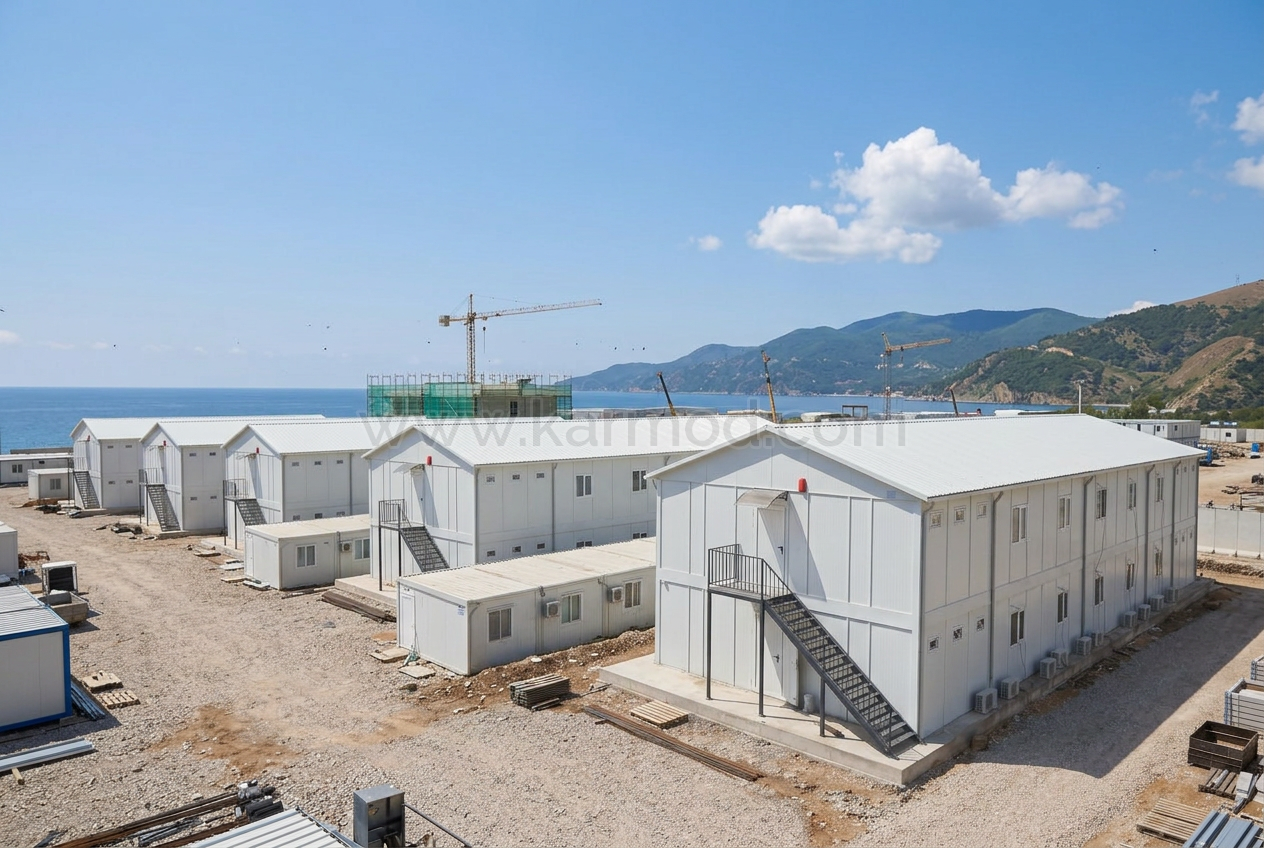
Within the Netherlands’ affordable housing landscape, Karmod operates as a manufacturer of mobile affordable housing designed to support rapid and flexible delivery. For public authorities and housing partners, mobile units can provide a controlled response where time constraints are tight and interim solutions are needed. Karmod’s approach applies low-cost housing ideas in a structured way, emphasizing reliability, repeatable quality, and manageable lifecycle performance.
Karmod’s low cost housing construction approach is shaped by efficiency, sustainability, and build consistency. By using modular housing construction principles, the company supports housing solutions that can be configured to different needs, helping providers respond to shifts in demand. This adaptability is valuable when projects must balance urgency with the need to maintain standards expected in public and social housing environments.
The role of mobile housing becomes especially relevant when communities require short-term capacity while longer-term stock is developed or renovated. Mobile affordable housing can help bridge gaps, reduce disruption for households, and provide dignified accommodation during transitions. In this way, Karmod contributes to low-income social housing delivery not only through units, but through a flexible model that supports responsible planning.
In the Netherlands, effective temporary housing solutions depend on speed, quality control, and the ability to integrate accommodation into local planning realities. Mobile affordable housing offers a practical option for urgent demand, providing a quicker route to safe shelter while longer-term housing is planned and delivered. For low-income households, the key is ensuring that temporary does not mean inadequate.
This method draws on low-cost housing ideas and plans through modular housing construction techniques that enable fast assembly and consistent performance. Mobile units can be deployed with limited disruption and can be adapted to different site constraints, which is important in dense areas where space is limited and neighborhood impacts matter.
By applying low-cost residential construction principles, providers can supply units that are durable, well-finished, and capable of being relocated or repurposed when needs change. This strengthens resilience in the housing system and supports continuity for residents.
Keeping affordable housing for low income residents at the center of transitional housing policy helps ensure that urgent accommodation remains safe, comfortable, and financially attainable. When manufacturers, public institutions, housing corporations, and community organizations coordinate effectively, temporary housing can be delivered responsibly and aligned with long-term community outcomes.
The expansion of mobile affordable housing—supported by modular delivery and practical planning—illustrates the Netherlands’ commitment to solving housing challenges with solutions that are fast to implement, sustainable to operate, and respectful of residents’ dignity. By prioritizing sound delivery models and community integration, the country continues to strengthen pathways toward stable, affordable homes for all.
In order to serve you better, if you could kindly send an e-mail to info@karmod.com for questions and details about your theoretical and special architectural plans, projects, and product specifications, your request will be responded to as soon as possible.

From one end of the world to the other, we enable our customers to reach the ready-made construction sector produced with the new technology of the world. We guarantee reliability through technology and innovation, flexible commercial models and smart supply chain solutions that add value for you, following the project production network.
Discover
Karmod is one of the largest prefabricated construction companies in Turkey, with a production of 45,000 m2. produces high quality prefabs and prefab containers