EN
EN 


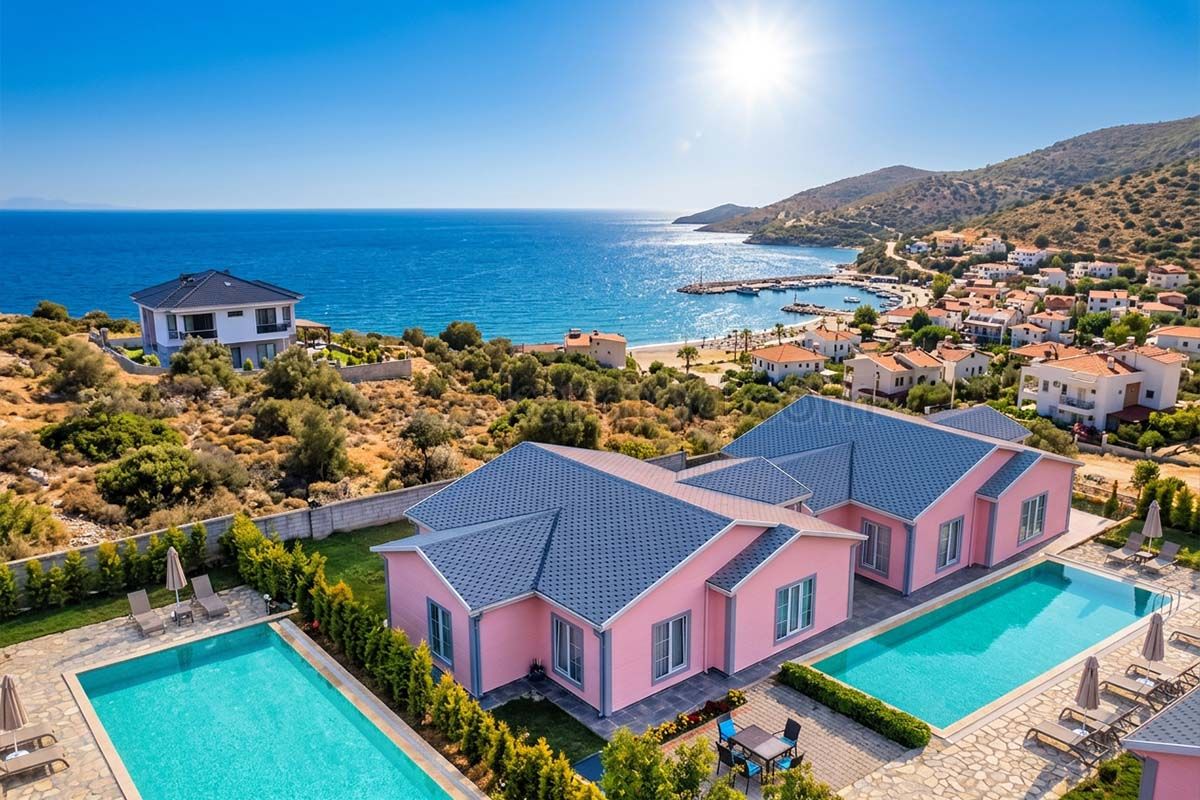
Affordable social housing in Mexico plays a central role in responding to persistent housing affordability challenges across urban and regional areas. Rapid population growth, internal migration, and income disparities continue to place pressure on public authorities and housing providers to deliver accessible, durable homes. Within this context, Karmod contributes to affordable housing delivery through modular and prefabricated construction systems designed to support low-income households without compromising structural quality or long-term usability. The company specializes in the construction of modular homes and prefabricated homes, offering an alternative approach to conventional building methods commonly used in public housing projects across Mexico.
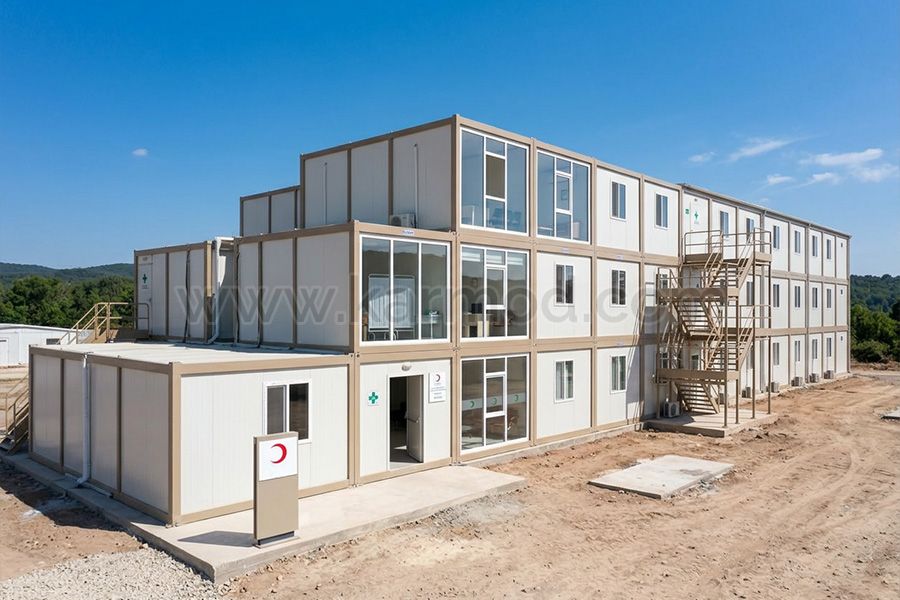
Modular housing is distinguished by its industrialized construction process. Housing units are produced in factory-controlled environments as standardized sections and later transported to the project site for final assembly. This method shortens construction timelines, improves quality consistency, and significantly reduces material waste. These efficiencies are particularly relevant for affordable social housing, where operating costs, delivery speed, and long-term durability are critical considerations for municipalities and social housing providers.
Prefab homes represent a practical solution for low-income housing development in Mexico. By shifting most construction activities off-site, prefabrication allows tighter cost management, predictable schedules, and improved oversight during production. This approach supports scalable housing delivery while maintaining compliance with basic comfort and safety expectations. Through prefabricated housing systems, Karmod offers adaptable residential solutions that respond to varying household sizes, geographic conditions, and local infrastructure constraints.


Karmod’s role in affordable social housing in Mexico is shaped by the combined use of modular and prefabricated construction models. These methods align with public housing objectives focused on affordability, sustainability, and efficient land use. By emphasizing standardized production and rapid on-site assembly, such systems contribute to reducing housing shortages while supporting long-term residential stability for low-income families.
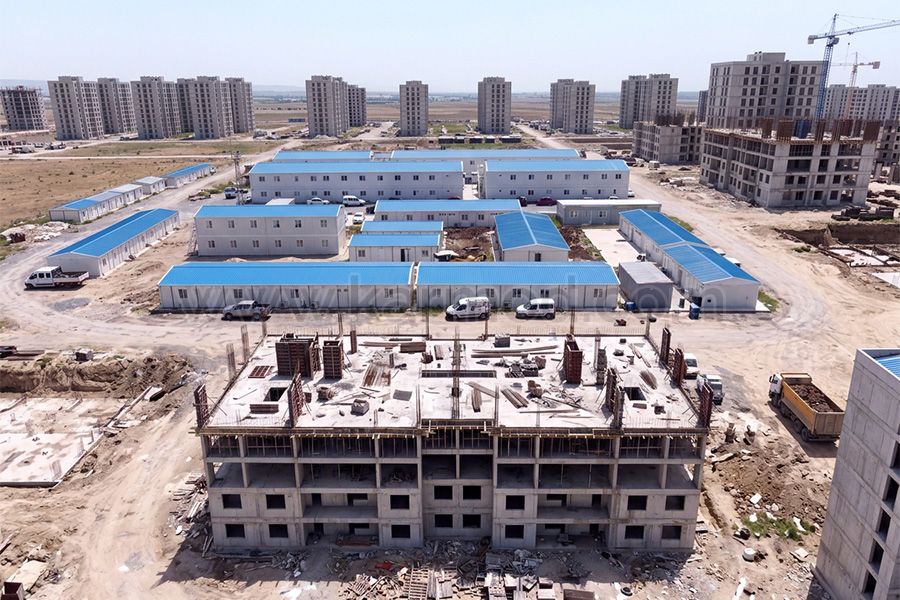
Modular social housing offers a structured and scalable response to Mexico’s demand for low-cost residential development. This construction approach supports public and social housing initiatives by enabling faster project delivery, predictable budgeting, and adaptable design solutions. The following aspects illustrate how modular housing contributes to affordable social housing programs:


Prefab low-income housing projects in Mexico contribute to the structured expansion of affordable housing supply. Prefabrication supports consistent quality standards while allowing public and social housing developers to address demand across multiple regions. Key characteristics that position prefab housing as a core element of affordable housing strategies include:
By integrating modular and prefab construction approaches, affordable housing initiatives in Mexico can respond more effectively to supply gaps. These methods enhance project efficiency while maintaining essential housing standards, contributing to stable and accessible living environments for low-income residents.
Modular housing construction has emerged as a practical delivery model for affordable housing in Mexico. It addresses key challenges such as construction delays, rising material costs, and limited housing availability. Through standardized production and adaptable design, modular housing supports long-term housing affordability and operational efficiency. Core advantages of this model include:


Mexico’s social housing strategies increasingly incorporate both temporary and permanent housing solutions to address diverse residential needs. Modular and prefabricated systems support this dual function by allowing housing units to transition between short-term and long-term use. Key considerations within these housing models include:
Through modular construction and structured low-cost housing plans, Mexico continues to expand access to safe and functional housing. These initiatives support not only shelter provision but also broader community stability and social inclusion.
Karmod contributes to affordable housing delivery in Mexico through mobile, modular, and prefabricated construction systems. The company’s approach emphasizes efficiency, adaptability, and long-term use, supporting public housing objectives across varied geographic contexts. Key areas of contribution include:
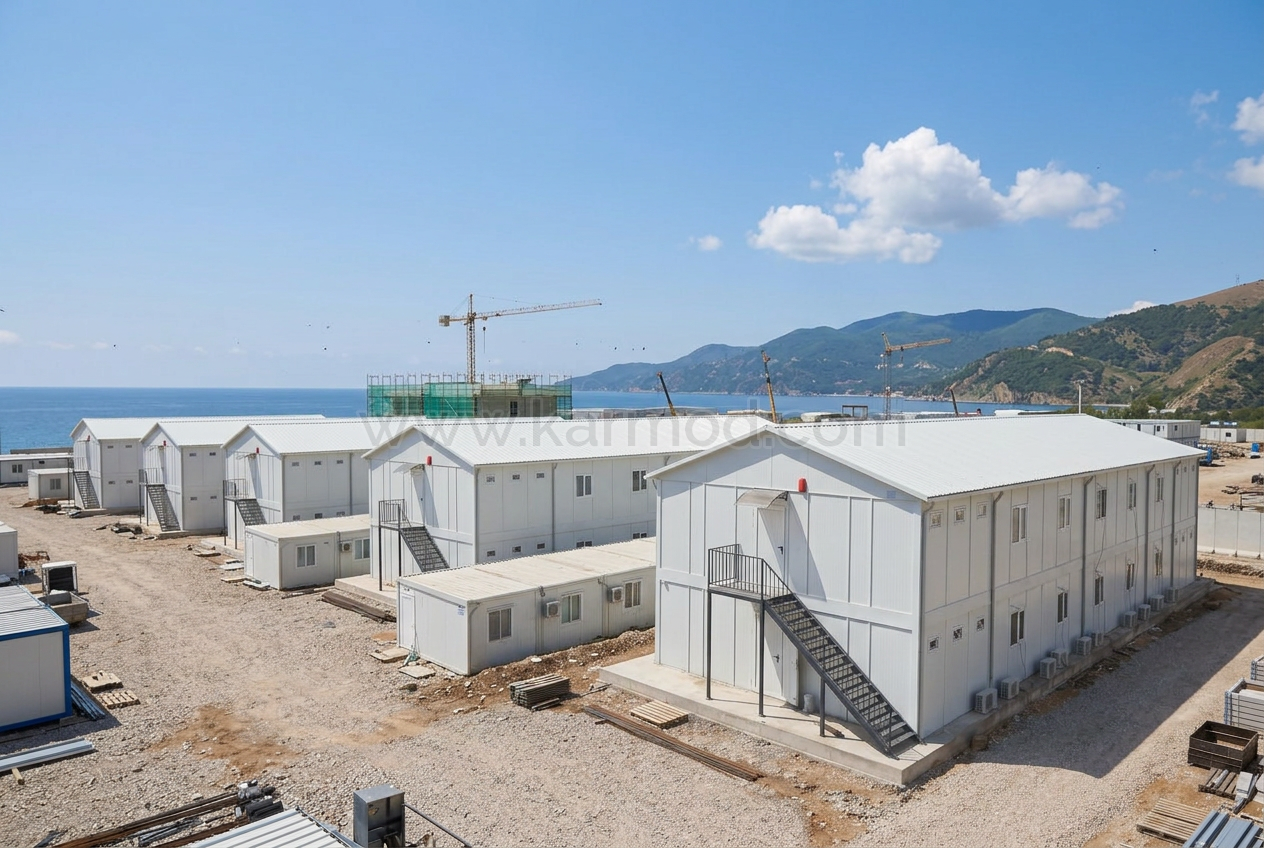
Temporary housing solutions in Mexico require rapid deployment, budget efficiency, and adaptability to diverse locations. Modular housing construction offers a structured response to these requirements, supporting emergency housing, transitional accommodation, and short-term public housing initiatives. Key benefits include:
By applying modular construction principles, Karmod supports temporary housing solutions that balance speed, affordability, and quality. These approaches contribute to improved living conditions while aligning with broader social housing and sustainability objectives in Mexico.
In order to serve you better, if you could kindly send an e-mail to info@karmod.com for questions and details about your theoretical and special architectural plans, projects, and product specifications, your request will be responded to as soon as possible.

From one end of the world to the other, we enable our customers to reach the ready-made construction sector produced with the new technology of the world. We guarantee reliability through technology and innovation, flexible commercial models and smart supply chain solutions that add value for you, following the project production network.
Discover
Karmod is one of the largest prefabricated construction companies in Turkey, with a production of 45,000 m2. produces high quality prefabs and prefab containers