EN
EN 


In Kenya, the goal of affordable social housing for low income families is increasingly tied to delivery models that can expand supply quickly while keeping quality and long-term livability in focus. Modular and prefab homes support this shift by improving build speed, cost predictability, and construction consistency. Karmod contributes to these efforts by providing housing systems intended not only to increase unit numbers, but also to support stable communities with manageable operating costs and reliable building standards.
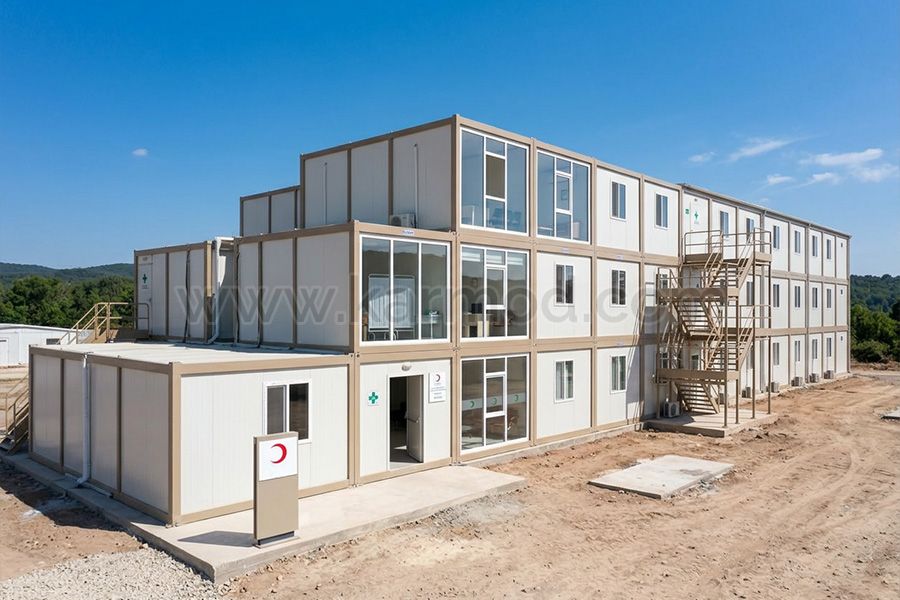
Modular homes, a cornerstone of Karmod's offerings, are changing how housing can be delivered at scale in Kenya. Units are produced in controlled environments and then installed on-site, which shortens timelines and reduces exposure to delays that often affect conventional construction. This approach supports housing affordability by limiting waste, improving quality control, and helping public and social housing projects keep delivery within defined budgets.
Prefab homes complement this model by offering adaptable configurations that can reflect household size, local preferences, and site constraints. Prefab construction also supports phased delivery, allowing housing providers to expand projects over time as demand evolves. For Kenyan families, this can mean homes designed for everyday practicality, with the option to plan future extensions or modifications without undermining the core structure or inflating costs.


Karmod's work in affordable social housing in Kenya aligns with broader priorities around improved living conditions and inclusive community development. Modular and prefab delivery models can help close housing gaps while supporting consistent standards for safety, durability, and comfort. When integrated into wider planning for services, transport, and public space, these housing solutions can contribute to neighborhoods that are functional, connected, and resilient.
As Kenya responds to urbanization and population growth, scalable construction methods become increasingly important for public authorities, municipalities, and partner organizations. Modular and prefab housing show how modern delivery can translate policy intent into buildable outcomes. In practical terms, the focus is on predictable delivery, controlled costs, and housing options that strengthen long-term stability for low income households.


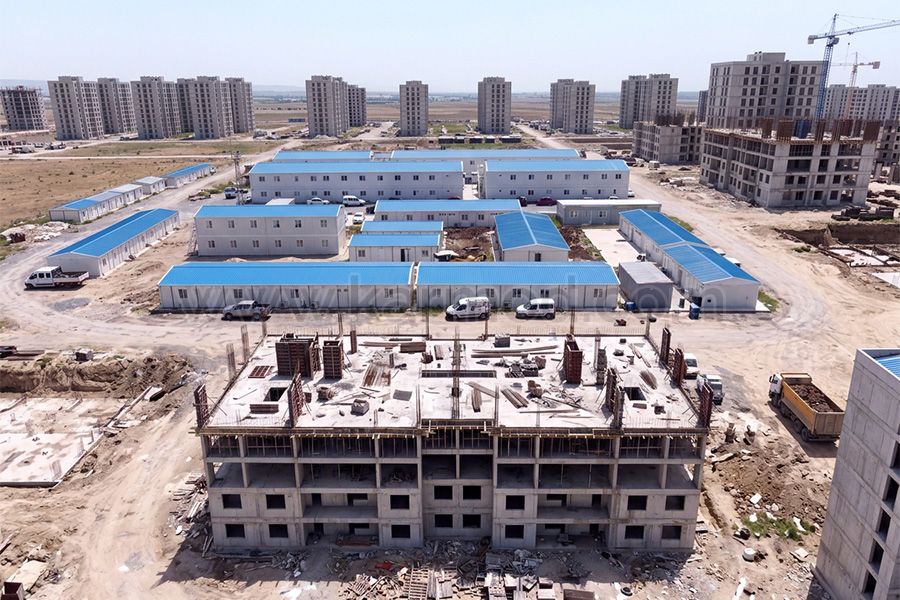
Kenya is strengthening its approach to affordable housing by adopting modular social housing as a high-efficiency delivery option. Modular construction supports faster rollouts, more consistent quality, and better cost control, which are essential where housing demand is high and project timelines are tight. The process involves producing building sections in a factory setting and assembling them on-site, reducing disruption and improving schedule certainty for social housing providers.
The initiative supports low cost housing construction through repeatable systems and clear planning, helping develop low cost housing ideas and plans that can be adapted to different counties, urban settings, and land constraints. With structured implementation, modular housing can increase access to affordable housing for low income households while supporting long-term sustainability and community integration.


Prefab low income housing in Kenya supports rapid delivery by producing housing components off-site and coordinating streamlined on-site assembly. This approach can help reduce schedule risk and cost overruns while supporting consistent build standards, making it a practical option for programs aiming to increase affordable housing supply quickly.
The approach is closely linked to low cost housing plans that prioritize efficiency, durability, and predictable delivery. By leveraging the production advantages of prefabrication, Kenya can implement housing projects that address urgent needs while supporting responsible use of resources and long-term affordability. The focus on affordable housing for low income and low income social housing reflects the importance of ensuring that new supply serves households most affected by housing affordability constraints.
Mobile affordable housing can also play a role in this landscape where transitional accommodation is required, including short-term housing gaps, site-based workforces, or relocation needs. Prefab construction supports this flexibility by enabling units that can be deployed quickly and, where appropriate, adapted for longer-term use.
Across both modular and prefab housing, the priority is practical delivery with lasting value. These initiatives are not only about increasing unit counts; they are also about supporting stable communities through housing that is safe, manageable to maintain, and aligned with inclusive development outcomes.
Kenya's approach to low cost social housing includes both temporary and permanent solutions to meet the diverse needs of its population. The flexibility of these housing options reflects a commitment to delivery models that can respond to immediate demand while supporting long-term settlement and community stability.
Kenya's commitment to modular housing construction and structured low cost housing delivery is shaping a more coordinated approach to urban growth and social welfare. By focusing on the practical needs of low income families and building toward long-term sustainability, these housing strategies can support inclusive, resilient development.
Affordable modular housing construction is gaining ground in Kenya as a way to increase supply while controlling time, cost, and quality. By relying on repeatable systems and off-site production, modular housing supports faster delivery and consistent standards, helping expand access to affordable homes in both urban and regional contexts.
Karmod contributes to Kenya’s affordable housing landscape by providing mobile and modular housing systems that support fast deployment and predictable delivery. For housing providers, the value is in build quality, schedule certainty, and cost management. For low income households, the priority is safe, durable housing that supports day-to-day living and long-term stability.
Karmod's focus on modular housing construction helps strengthen delivery capacity for low income social housing by supporting standardized production and efficient on-site installation. This approach can assist housing programs that must deliver within budget while maintaining consistent standards for comfort, durability, and long-term maintenance.
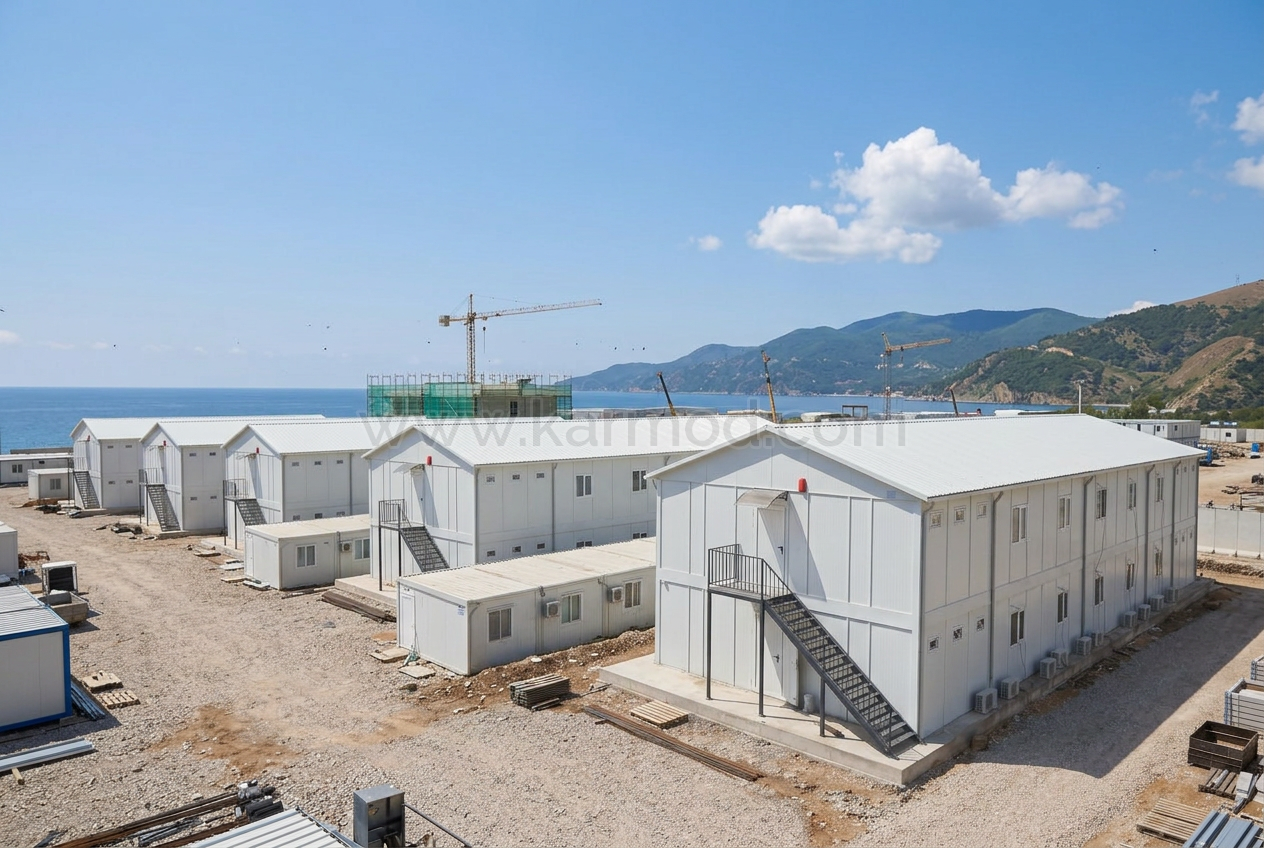
For temporary housing in Kenya, modular housing construction offers a practical balance of speed, scalability, and affordability. Prefabrication accelerates delivery by producing components in controlled settings and assembling them on-site with shorter timelines, supporting rapid response when housing demand spikes or when temporary accommodation is required.
This method aligns with low cost housing plans by enabling temporary shelters that can meet baseline standards for safety and comfort. Where planning allows, modular units can also be designed to transition into permanent use through expansion, reconfiguration, or integration into longer-term housing developments.
The continued use of modular construction for temporary housing reflects a focus on solutions that address immediate needs while supporting a pathway to durable, long-term social housing. By emphasizing predictable delivery and long-term sustainability, Kenya can strengthen housing affordability outcomes for low income families across the country.
In order to serve you better, if you could kindly send an e-mail to info@karmod.com for questions and details about your theoretical and special architectural plans, projects, and product specifications, your request will be responded to as soon as possible.

From one end of the world to the other, we enable our customers to reach the ready-made construction sector produced with the new technology of the world. We guarantee reliability through technology and innovation, flexible commercial models and smart supply chain solutions that add value for you, following the project production network.
Discover
Karmod is one of the largest prefabricated construction companies in Turkey, with a production of 45,000 m2. produces high quality prefabs and prefab containers