EN
EN 


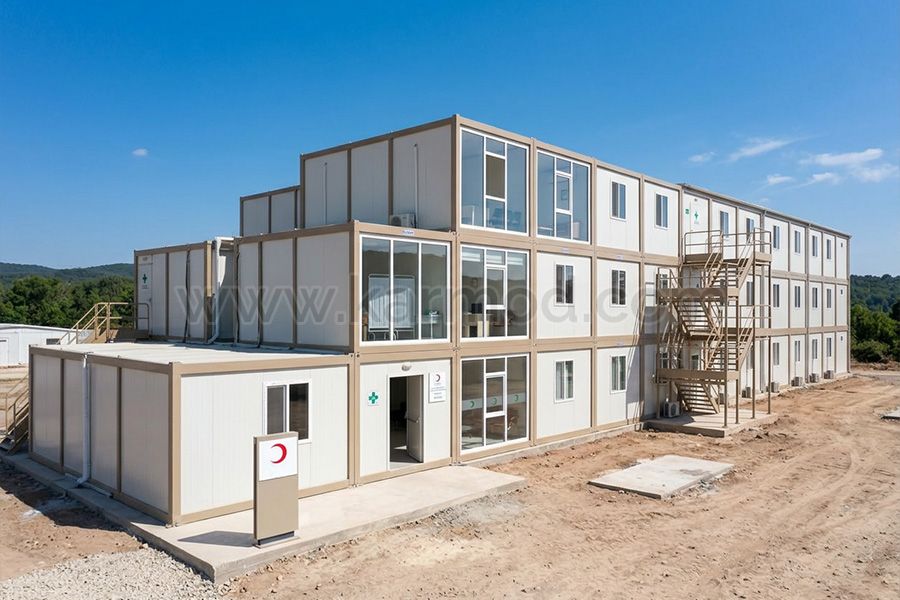
In Italy, the goal of delivering affordable social housing for low-income families is increasingly supported by modern construction methods such as modular and prefabricated houses. These housing options combine budget discipline with quality and long-term sustainability, making them a practical route for municipalities, public authorities, and housing partners seeking dignified homes that remain affordable over time. Karmod, positioned at the forefront of this shift, contributes to Italy’s social housing agenda with modular and prefabricated houses designed for efficient delivery and everyday comfort.
The modular home approach—manufacturing building sections in a factory and assembling them on site—reduces construction time and material waste while improving predictability. This aligns well with Italy’s emphasis on responsible resource use and lower environmental impact. Prefabricated homes follow a similar logic, with major elements built entirely or partially in controlled factory conditions before transport and installation. For communities, this can mean fewer disruptions during construction, higher quality control, and more consistent outcomes across public housing projects.
Karmod's participation in Italy reflects a focus on practical solutions for housing affordability. Karmod does not simply apply new building technology and low cost housing ideas; it aims to deliver homes that respond to how families live, what operating costs they can carry, and how neighborhoods function over time. These homes are designed to be affordable while also adaptable, energy efficient, and visually coherent with their surroundings—an important consideration in Italian towns and cities where new development is expected to respect local character.


The broader push for modular and prefabricated homes in Italy signals a pragmatic step toward expanding low-income housing supply with delivery models that can perform under financial and time constraints. With companies like Karmod supporting this direction, the outlook for social housing becomes more actionable: faster delivery, controlled lifecycle costs, and a clearer path to long-term sustainability. This approach addresses immediate housing needs while demonstrating how industrialized construction can strengthen public housing capacity without lowering expectations for safety, durability, and dignity.
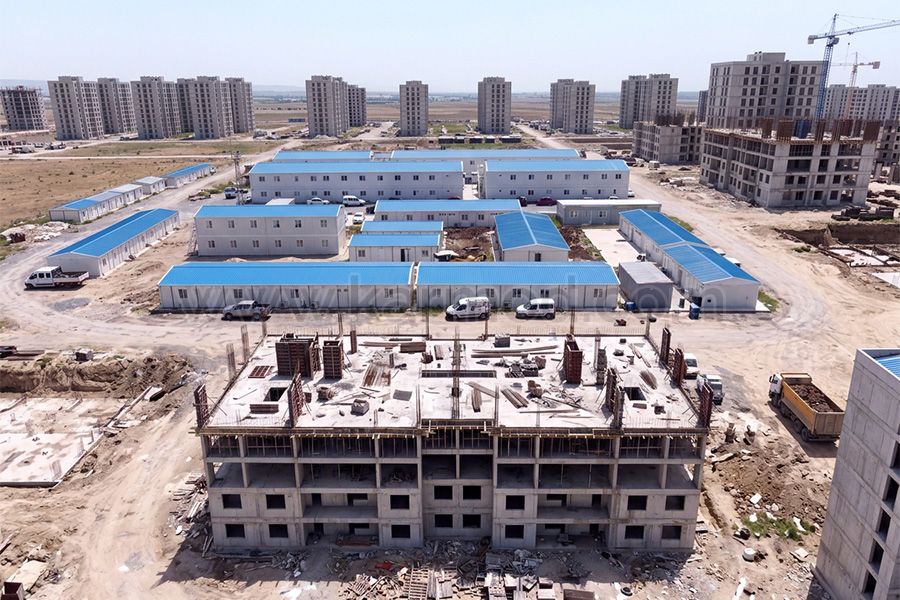
Italy’s work toward more inclusive housing requires solutions that can be delivered efficiently, funded responsibly, and integrated into existing communities. Modular social housing supports these goals by improving construction predictability and enabling repeatable quality across multiple sites. For local authorities and public housing operators, modular housing construction can help manage schedules, reduce delays, and align procurement with clear performance targets.


Key Features of Italy's Modular Housing Initiative:
Parallel to modular housing, prefab homes continue to develop as a practical response to Italy’s low-income housing needs. Prefabricated homes are produced in controlled factory environments and then transported for efficient assembly on site. This can strengthen durability, improve quality assurance, and support low cost housing plans that prioritize predictable timelines and managed site impact.


Innovative Approaches in Prefab Housing:
As Italy expands modular and prefab housing delivery, the focus increasingly shifts from unit production to neighborhood performance. When projects are planned with long-term maintenance, access to services, and community life in mind, affordable social housing becomes more resilient and more acceptable within the wider urban fabric. With experienced manufacturers contributing to delivery capacity, Italy strengthens its ability to provide housing that is both affordable and durable.
Affordable modular housing construction in Italy offers a practical route to increasing low-income housing supply while maintaining quality expectations. By moving key stages of construction into controlled environments, modular building can reduce site risk, improve consistency, and support project delivery within public budget limits. Karmod’s role in this space reflects a focus on housing solutions that prioritize everyday performance, including comfort, energy use, and durability.
Key Advantages of Modular Housing in Italy:
Italy’s housing needs range from permanent social housing stock to temporary accommodation for emergencies and transitions. Modular and prefab construction can serve both purposes through scalable delivery and adaptable building systems, allowing authorities to respond quickly while maintaining a pathway to long-term stability.
Strategies for Implementing Low-Cost Housing:
Italy’s continued adoption of modular and prefab housing demonstrates a commitment to social equity and long-term sustainability. By pairing efficient construction techniques with responsible planning, the country can expand access to affordable homes while supporting stable communities. This approach helps address immediate need and strengthens the foundations for future public housing projects that perform well over time.
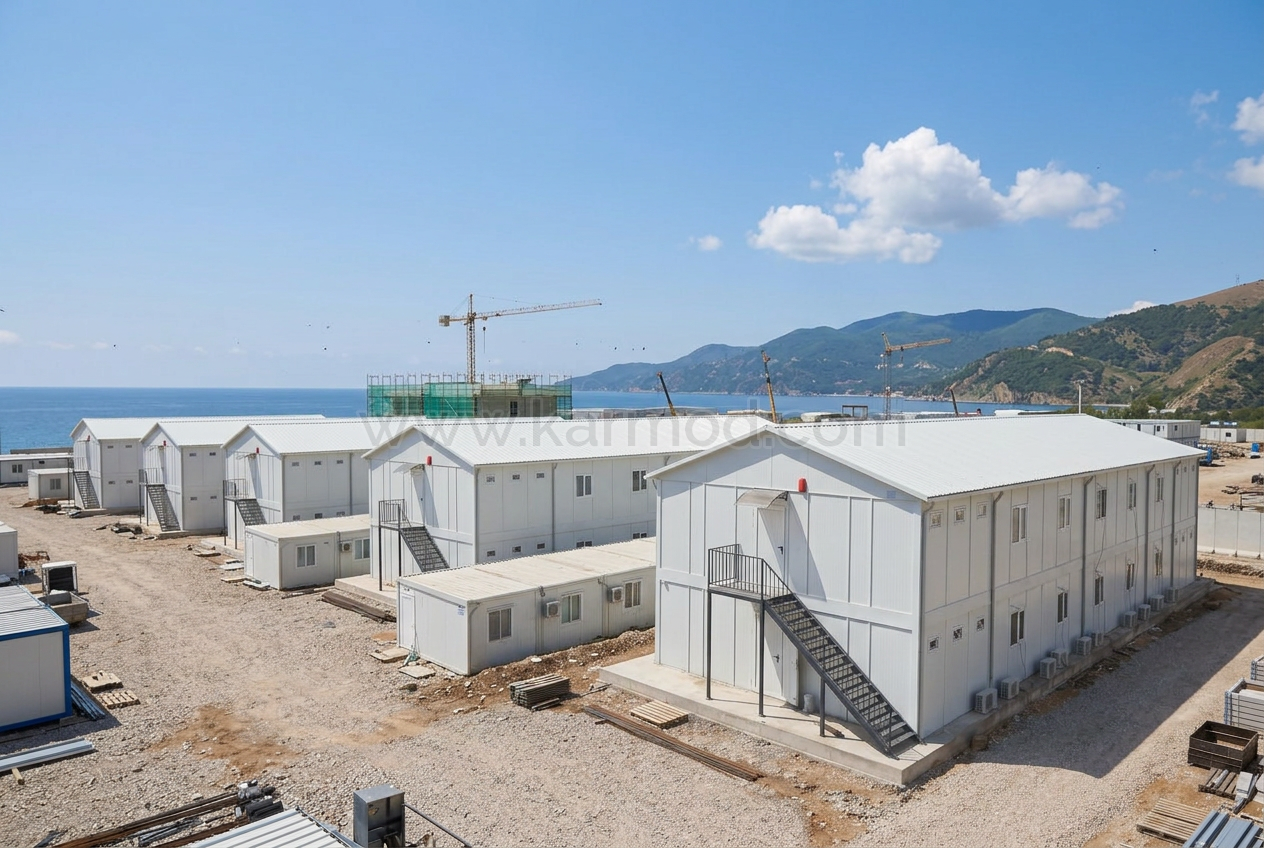
In Italy’s broader search for flexible housing delivery, Karmod is recognized as a manufacturer supporting mobile affordable housing solutions alongside modular construction. This capability can be relevant for temporary accommodation, phased developments, and situations where rapid installation is required. By focusing on controlled production and efficient logistics, Karmod contributes to housing delivery models that can adapt to local needs and site constraints.
Karmod's approach to affordable housing in Italy includes:
Temporary housing in Italy—whether linked to emergencies, displacement, or transitional accommodation—requires speed, safety, and flexibility. Modular and prefab homes provide a structured method that enables rapid deployment while maintaining acceptable living standards, supporting both public authorities and humanitarian partners in delivering dignified accommodation.
Key advantages include:
Through advanced modular and prefab construction techniques, Italy can strengthen both temporary and permanent housing provision for those most affected by housing affordability pressures. With experienced delivery partners contributing to capacity and quality control, modular social housing can support inclusive development that is efficient, sustainable, and aligned with the practical realities of Italian communities.
In order to serve you better, if you could kindly send an e-mail to info@karmod.com for questions and details about your theoretical and special architectural plans, projects, and product specifications, your request will be responded to as soon as possible.

From one end of the world to the other, we enable our customers to reach the ready-made construction sector produced with the new technology of the world. We guarantee reliability through technology and innovation, flexible commercial models and smart supply chain solutions that add value for you, following the project production network.
Discover
Karmod is one of the largest prefabricated construction companies in Turkey, with a production of 45,000 m2. produces high quality prefabs and prefab containers