EN
EN 


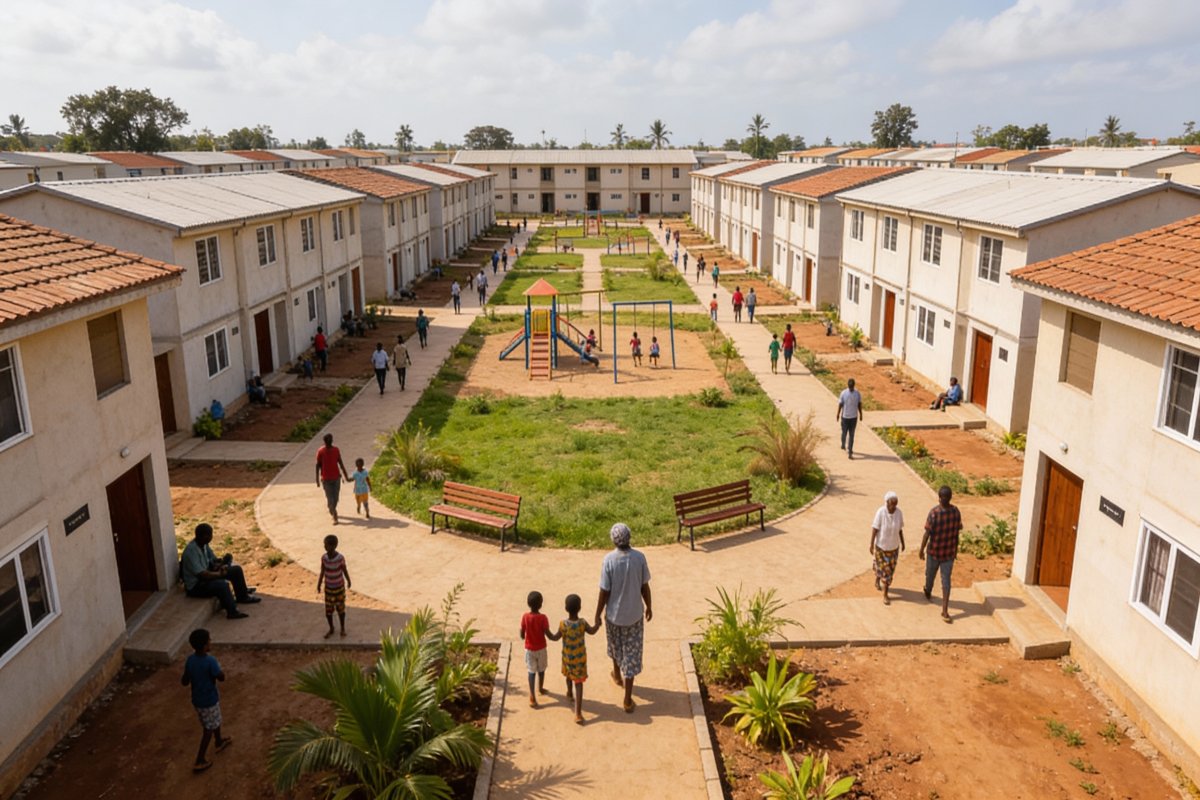
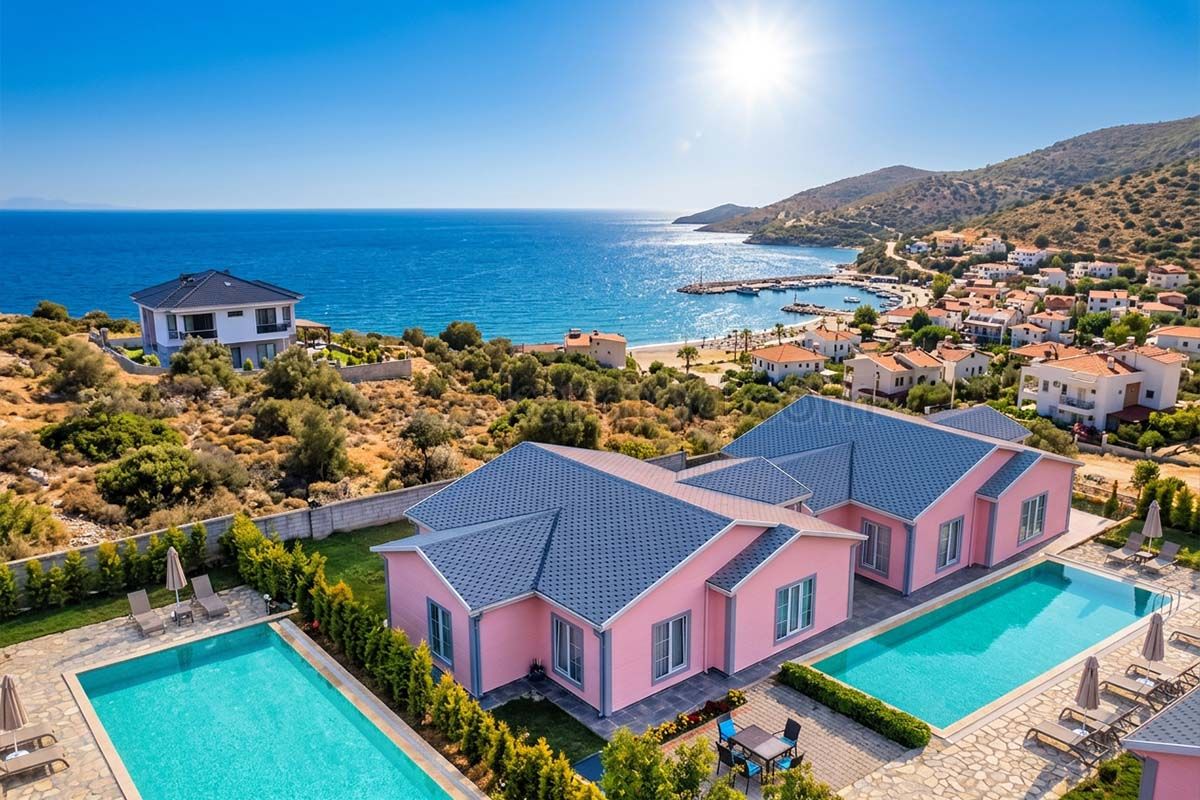
In the heart of Ghana, where diverse cultures intersect and strong community networks shape daily life, the demand for affordable social housing for low-income families remains a pressing national concern. Addressing this need requires solutions that balance speed, cost control, and long-term livability. Karmod contributes to this challenge through the delivery of modular and prefab homes, offering construction models that support housing affordability while responding to Ghana’s social and urban development priorities.
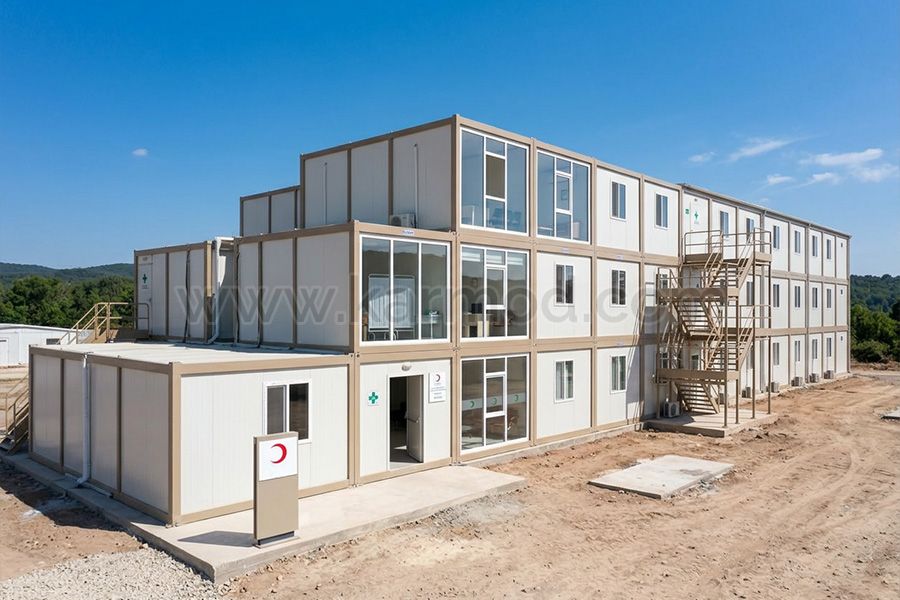
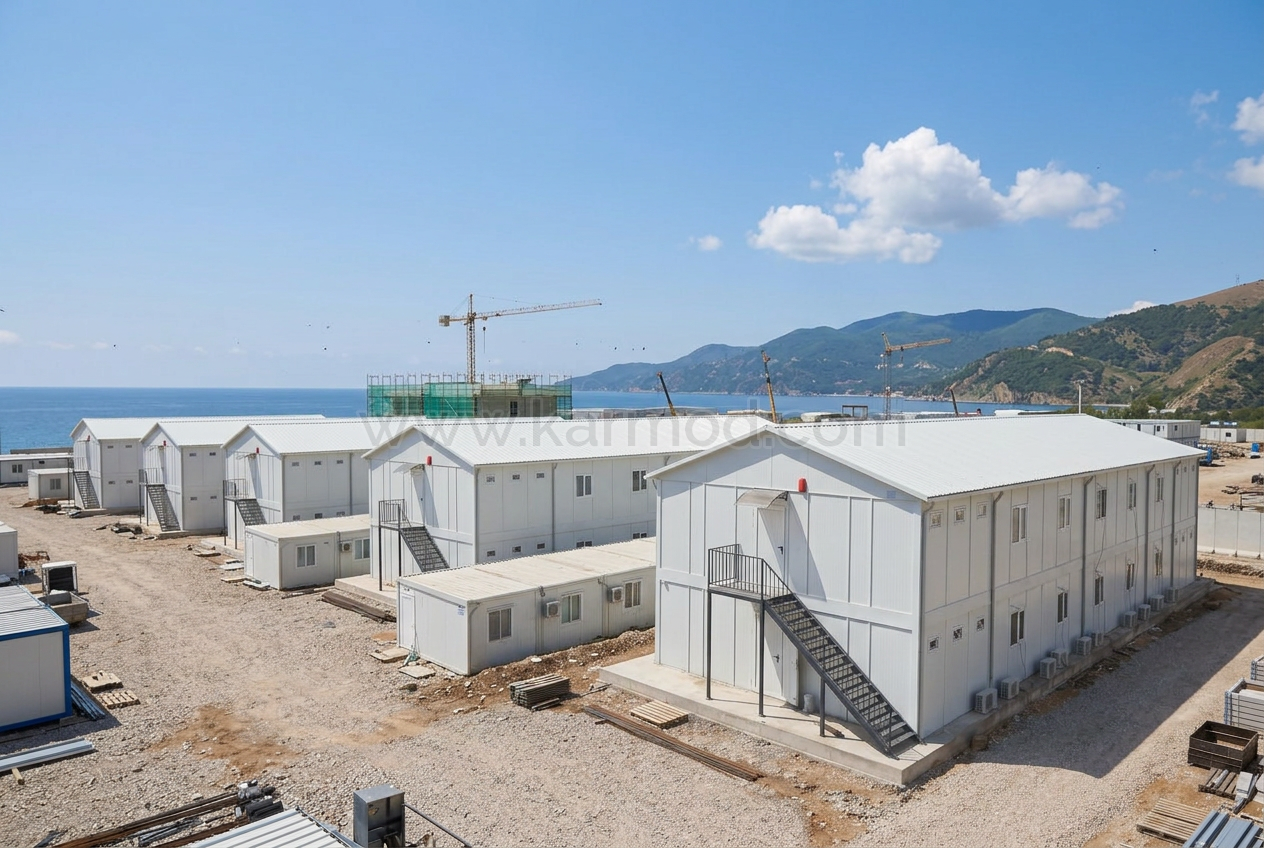
Modular homes form a central element of Karmod’s housing approach. These units are produced in factory-controlled environments and later assembled on-site, allowing construction timelines and operating costs to be managed more effectively. In a context where housing demand continues to exceed supply, this model enables faster project delivery without sacrificing structural quality. The factory-based process also limits material waste, supporting more efficient use of resources across public housing projects.
Prefab homes follow a similarly controlled production method, with full construction completed off-site before transportation to their final location. Once installed, these homes are immediately habitable, reducing delays often associated with conventional building processes. For Ghanaian families facing limited housing options, this approach offers a practical pathway toward secure and dignified living conditions.
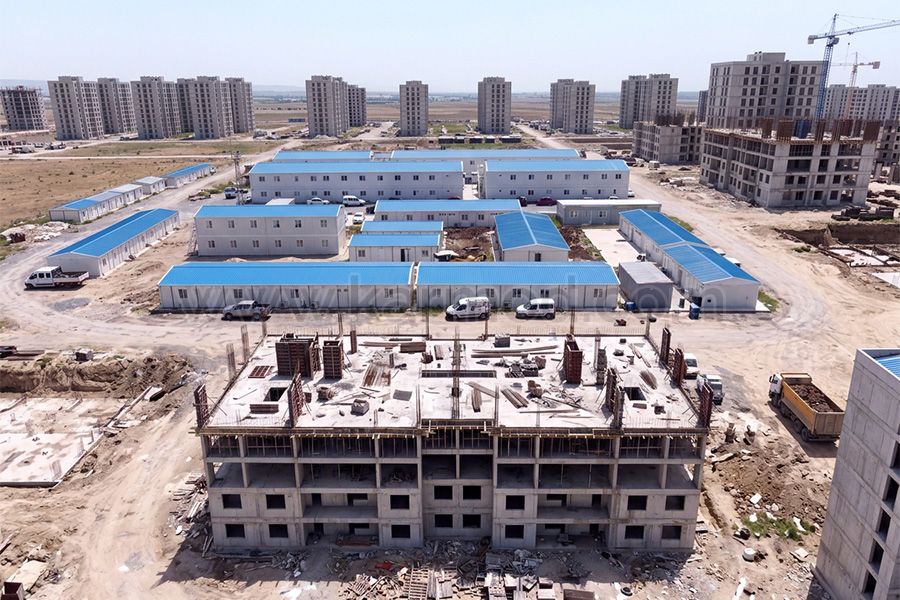
Karmod’s involvement in Ghana’s housing sector extends beyond individual buildings. Modular and prefab construction techniques allow for the coordinated development of entire housing communities, supporting layouts that reflect local living patterns and climatic conditions. Design considerations take into account ventilation, durability, and everyday functionality, helping ensure that homes remain suitable for long-term use.
The combination of affordability, reduced construction time, and predictable quality positions modular housing as a relevant tool within Ghana’s broader social housing framework. Karmod’s work reflects an approach focused on improving access to low-income housing while maintaining standards that contribute to stable, well-functioning communities.
As Ghana continues to urbanize and expand its infrastructure, collaboration with experienced housing manufacturers plays an important role in meeting residential needs. Modular and prefab systems support not only immediate housing delivery but also longer-term urban planning objectives, providing adaptable solutions that can evolve alongside population growth and changing community requirements.
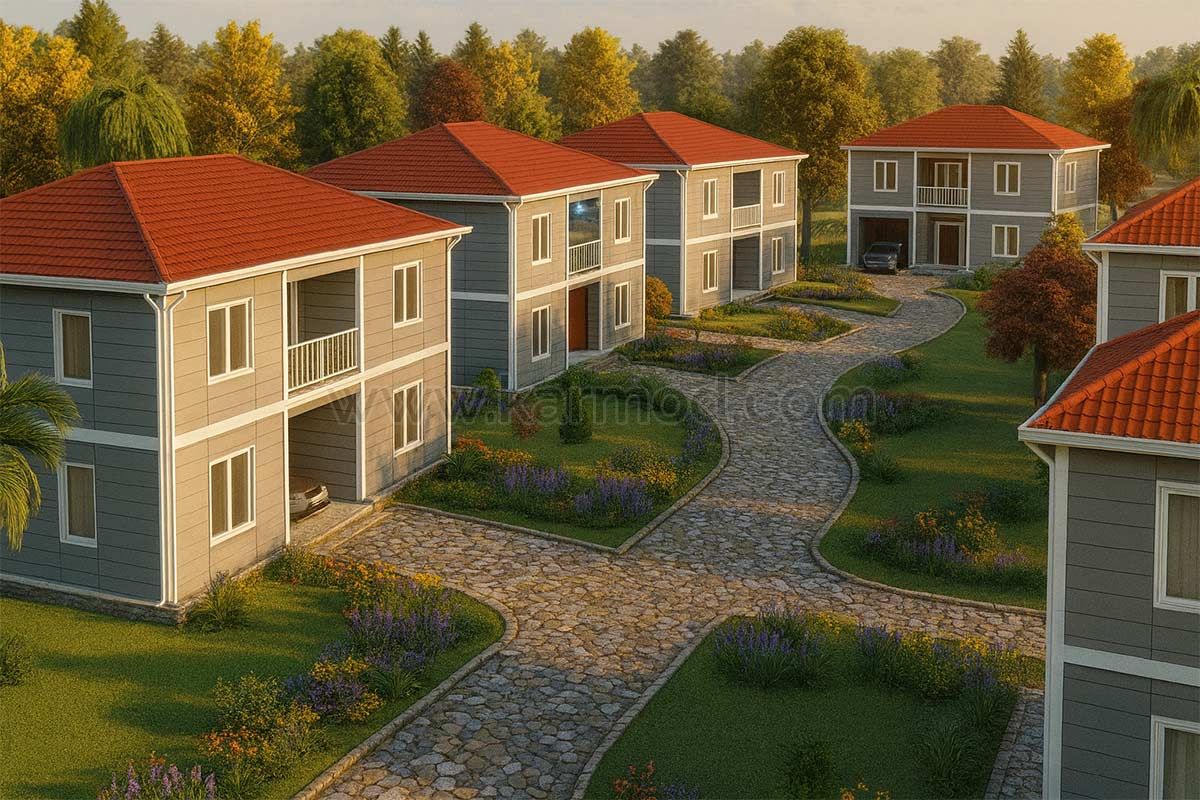
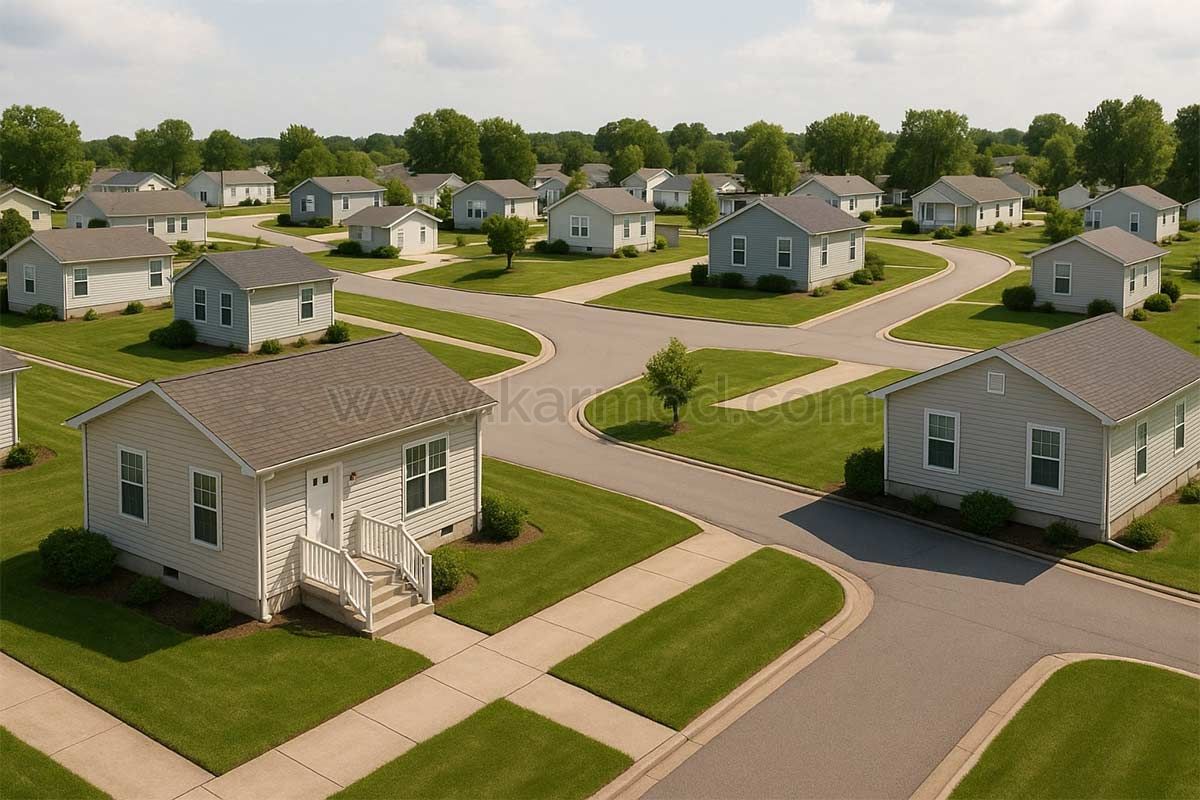
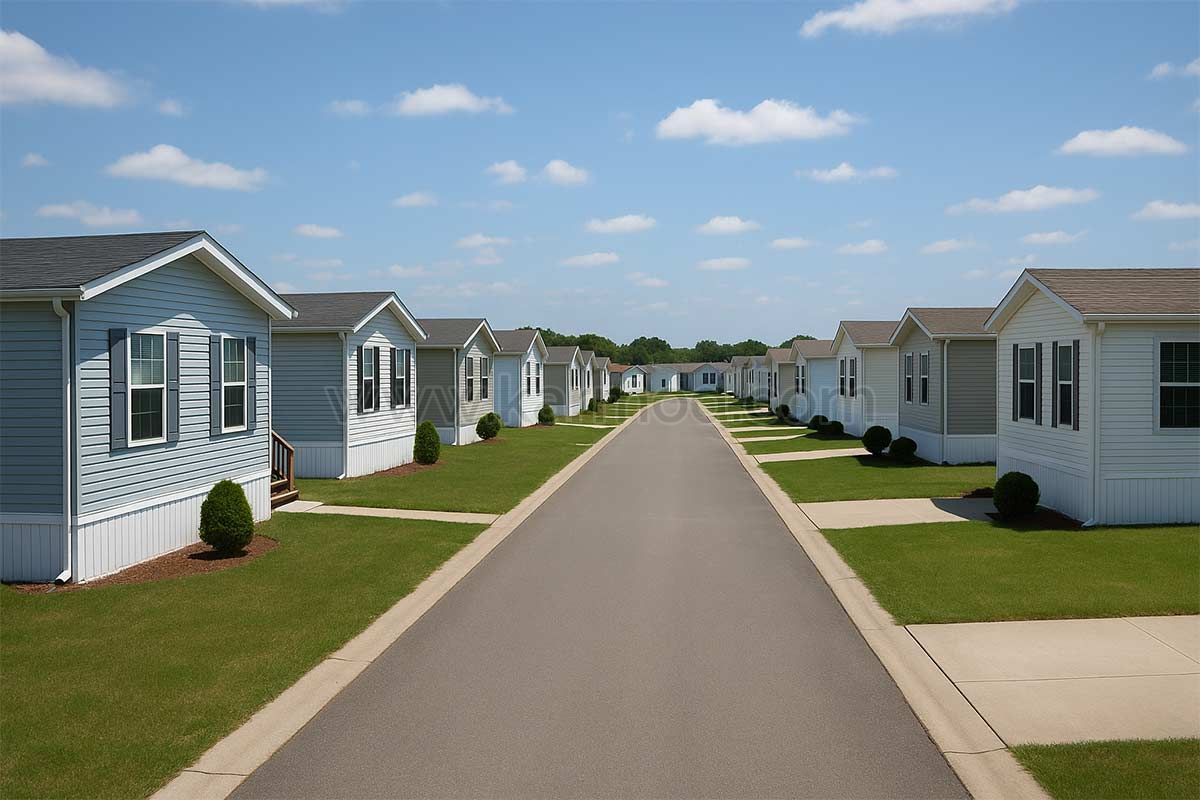
Modular social housing presents a structured response to Ghana’s housing shortage, particularly in urban and peri-urban areas where land use efficiency and construction speed are critical. Through industrialized building processes, modular systems support the delivery of cost-effective housing while maintaining consistency across large-scale developments.


Prefab housing projects in Ghana demonstrate how industrialized construction can contribute to low-income housing delivery at scale. These projects respond to immediate housing needs while supporting broader social housing objectives.
Modular and prefab housing initiatives in Ghana reflect a strategic shift toward more inclusive urban development. By aligning construction efficiency with social objectives, these models support long-term housing stability for families with limited income.


Modular construction is increasingly recognized in Ghana as a practical method for delivering affordable housing at scale. Its structured production process supports predictable budgeting, shorter timelines, and improved project coordination.


Meeting Ghana’s housing needs requires solutions that address both immediate shelter requirements and long-term residential stability. Modular and prefab systems offer flexibility across this spectrum.
The continued development of modular and prefab housing in Ghana highlights the importance of affordability, adaptability, and community-focused design. These principles contribute to more resilient housing systems capable of supporting long-term social inclusion.
Karmod operates as a mobile affordable housing manufacturer supporting Ghana’s efforts to expand access to low-cost housing. Its construction systems are designed to respond to diverse geographic and social conditions across the country.
Through mobile housing solutions, Karmod supports the delivery of affordable homes for low-income households. Production methods prioritize speed, consistency, and adaptability to local conditions.
Modular low-cost housing construction offers a reliable method for temporary housing provision in Ghana, combining speed with structural performance.
By integrating mobile and modular housing into national housing strategies, Ghana strengthens its capacity to respond to both immediate and long-term housing challenges while supporting inclusive development.
The range of affordable housing options in Ghana continues to expand through a combination of public initiatives and private sector participation. These developments focus on providing accessible housing solutions for low- and middle-income households across different regions.
Demand for affordable housing in Ghana for sale remains strong, particularly in major urban centers. Buyers prioritize durability, functionality, and long-term value, with modular and prefab homes contributing to this segment of the housing market.
Affordable housing prices in Ghana vary according to location, dwelling size, and construction method. Modular and prefab systems often provide more predictable and manageable cost structures compared to traditional building approaches.
Government involvement in affordable housing in Ghana plays a central role in addressing housing affordability. Public initiatives aim to expand access to safe housing while supporting planned urban growth and infrastructure development.
The Amasaman affordable housing project in the Greater Accra Region illustrates the application of planned, low-cost housing development. The project reflects an emphasis on functional design, community planning, and the growing relevance of modular and prefab construction within Ghana’s housing strategy.
In order to serve you better, if you could kindly send an e-mail to info@karmod.com for questions and details about your theoretical and special architectural plans, projects, and product specifications, your request will be responded to as soon as possible.

From one end of the world to the other, we enable our customers to reach the ready-made construction sector produced with the new technology of the world. We guarantee reliability through technology and innovation, flexible commercial models and smart supply chain solutions that add value for you, following the project production network.
Discover
Karmod is one of the largest prefabricated construction companies in Turkey, with a production of 45,000 m2. produces high quality prefabs and prefab containers