EN
EN 


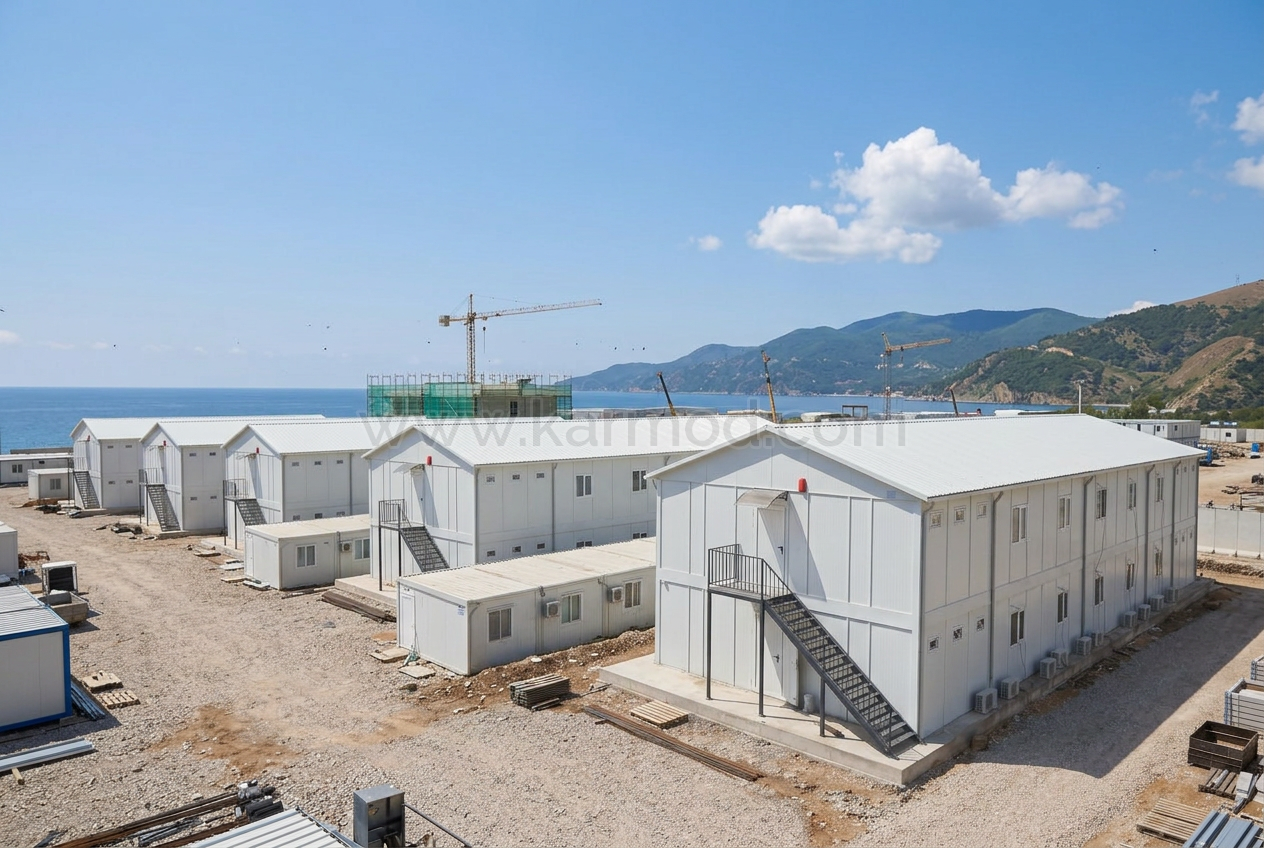
In Germany, the delivery of affordable social housing for low-income families is increasingly shaped by construction models that can scale quickly while maintaining quality and long-term value. Companies such as Karmod support this shift by supplying modular and prefab homes designed for efficient project delivery. These housing options respond to budget constraints without reducing expectations around comfort, safety, or building performance, offering a credible alternative to slower, site-heavy construction processes.
Karmod's modular homes are engineered in a controlled factory environment, reducing on-site uncertainty and supporting predictable delivery schedules. For public authorities and social housing providers, this approach can help align project timelines with funding cycles and urgent housing demand. Karmod’s prefab homes extend the same logic through section-based manufacturing and fast assembly, supporting durable construction while integrating energy-efficient features that can lower operating costs for residents over time.
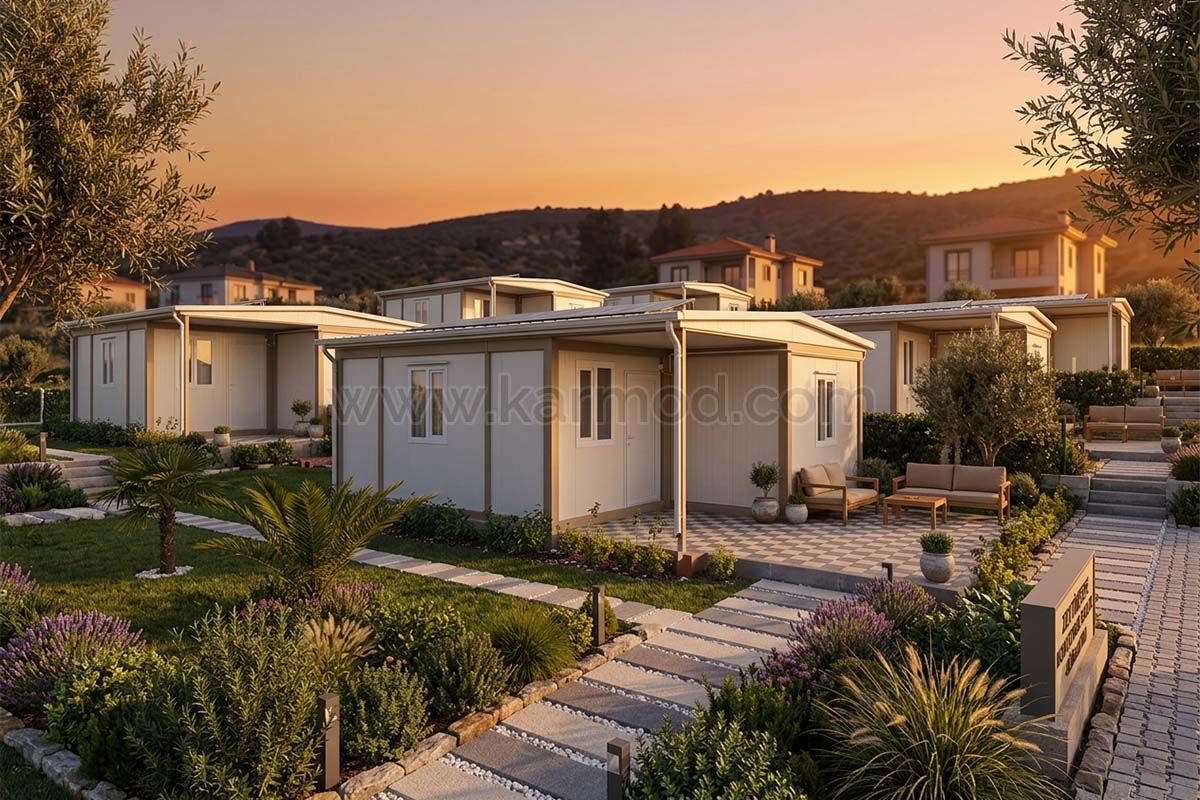
The adaptability of Karmod's housing solutions is particularly relevant for Germany’s varied local needs. Whether for a single-family home, a compact infill project, or a larger residential complex, modular and prefab systems can be configured to meet different site constraints and occupancy profiles. This flexibility—combined with consistent production standards—supports the expansion of public housing projects that prioritize housing affordability without sacrificing build quality.
By integrating modern production methods with sustainability-focused detailing, Karmod contributes to more than unit delivery; it supports community stability. Energy performance, build consistency, and faster handover timelines can improve access to secure housing while supporting municipal goals around community integration and long-term sustainability. In a policy environment where affordability and climate-conscious construction are closely linked, system-built housing helps demonstrate that cost-controlled delivery can align with quality outcomes.


Germany’s social housing sector is increasingly supported by system-built construction models that shorten delivery timelines and improve cost control for low-income housing. Modular social housing, produced through off-site manufacturing and assembled on prepared sites, offers a practical route to expanding housing stock without relying solely on extended on-site build periods.


Sustainability remains central to this approach, with a strong emphasis on energy efficiency and lifecycle performance. For residents, improved insulation and efficient building envelopes can support lower heating expenses, an important factor in housing affordability. For housing providers, predictable quality control helps reduce maintenance risk and supports long-term asset performance. The design flexibility of system-built housing also enables projects to reflect local urban form, supporting neighborhoods that are functional, diverse, and integrated rather than isolated.
To respond to sustained demand for affordable housing, Germany continues to explore prefabricated construction as a reliable pathway for low-income housing delivery. Prefab systems can reduce construction time and site disruption while maintaining consistent workmanship. By manufacturing building elements off-site, projects benefit from controlled production conditions, fewer weather-related delays, and more efficient use of materials.
Across Germany, prefab low-income housing ideas are increasingly linked to low cost housing plans that prioritize accessibility, durable finishes, and community integration. This can include compact urban apartments, family-oriented housing clusters, and mixed-format developments that support different household sizes. Prefabricated projects are also well-suited to phased delivery, allowing housing providers to add capacity over time as land and budgets permit.
In dense urban settings where space is limited, prefab construction can support infill development and reduce the need for extensive site disturbance. In parallel, the concept of mobile affordable housing for low ıncome is sometimes considered for transitional needs, such as temporary accommodation during redevelopment or short-term capacity expansion where rapid deployment is critical.
Karmod’s approach to low cost housing construction reflects the operational realities faced by many German municipalities and housing organizations. By emphasizing mobile units within a broader modular portfolio, Karmod supports flexible delivery models that can respond to urgent needs while maintaining standards of comfort and safety. This mobility can be especially valuable where temporary accommodation is required without locking projects into high-cost, permanent site works.
Karmod's work in Germany reflects a practical understanding of how housing needs can shift across locations and timeframes. By developing mobile units alongside modular and prefab systems, the company supports adaptable housing delivery that can respond to changing urban and rural requirements. This strategy aligns with low cost housing ideas that prioritize resilience, speed of delivery, and resident well-being, without treating affordability as a trade-off against quality.


In Germany, the push to expand affordable housing for low-income households increasingly relies on construction methods that combine speed, consistency, and cost discipline. Modern modular housing construction supports these goals by shifting substantial work into factory environments, improving quality control and reducing dependency on prolonged on-site processes. Manufacturers such as Karmod contribute to this transition by providing system-built housing solutions designed for durable performance and efficient delivery.
Germany's adoption of modular construction has established a clear route to developing affordable housing at scale. By assembling pre-manufactured modules, housing providers can deliver projects faster while maintaining design clarity and build reliability. The advantages of this approach include:
Modern modular and prefab systems support both temporary and permanent social housing in Germany, offering delivery flexibility for different population needs, including displaced residents, students, and low-income households. By enabling faster deployment and consistent performance, these construction models can support immediate capacity while also contributing to long-term housing stock.
Karmod’s contribution to low ıncome social housing in Germany highlights how system-built construction can address housing pressure with scalable, cost-managed delivery. By supporting projects that combine durability, energy performance, and predictable timelines, modular and prefab housing can help strengthen social infrastructure and improve access to secure, comfortable homes.
Within Germany’s housing landscape, Karmod is positioned as a manufacturer of mobile housing units designed to support affordability alongside modern living standards. These units can serve a range of institutional needs, including transitional accommodation, phased housing delivery, and rapid capacity expansion. For low-income households, the focus is on practical comfort, dependable build quality, and manageable operating costs.
Karmod’s focus on mobile units supports flexible deployment across different locations, an advantage when housing demand shifts or when temporary accommodation is required during redevelopment. This mobility can also reduce the pressure on land-intensive solutions, enabling housing providers to respond quickly while longer-term projects progress.
Quality and sustainability remain core to mobile affordable housing. Durable materials, energy-efficient detailing, and consistent factory production support reduced utility expenses and improved comfort for residents, reinforcing long-term sustainability within public housing strategies.
Germany’s need for effective temporary housing requires solutions that can be delivered quickly, safely, and at controlled cost. Modular construction is widely suited to this task because it enables housing units to be produced in factory conditions and assembled rapidly on-site, supporting faster responses to housing shortages and urgent accommodation needs.
The controlled production environment helps ensure consistent quality and reliable performance standards for durability, comfort, and weather protection. This can be particularly important when temporary housing is expected to remain in use for extended periods or to transition into longer-term applications.
Another advantage of modular temporary housing is scalability. Capacity can be increased in phases, units can be adapted to changing needs, and structures can be relocated where appropriate, reducing waste and protecting public investment. This adaptability makes modular construction a practical choice for temporary accommodation that remains aligned with long-term sustainability objectives.
Germany’s use of modular methods for temporary housing reflects a policy-aware approach to housing delivery that values speed, affordability, and quality outcomes. With a focus on mobile and modular construction, Karmod supports this landscape by providing system-built solutions designed to make a measurable difference for communities and low-income households.
In order to serve you better, if you could kindly send an e-mail to info@karmod.com for questions and details about your theoretical and special architectural plans, projects, and product specifications, your request will be responded to as soon as possible.

From one end of the world to the other, we enable our customers to reach the ready-made construction sector produced with the new technology of the world. We guarantee reliability through technology and innovation, flexible commercial models and smart supply chain solutions that add value for you, following the project production network.
Discover
Karmod is one of the largest prefabricated construction companies in Turkey, with a production of 45,000 m2. produces high quality prefabs and prefab containers