EN
EN 


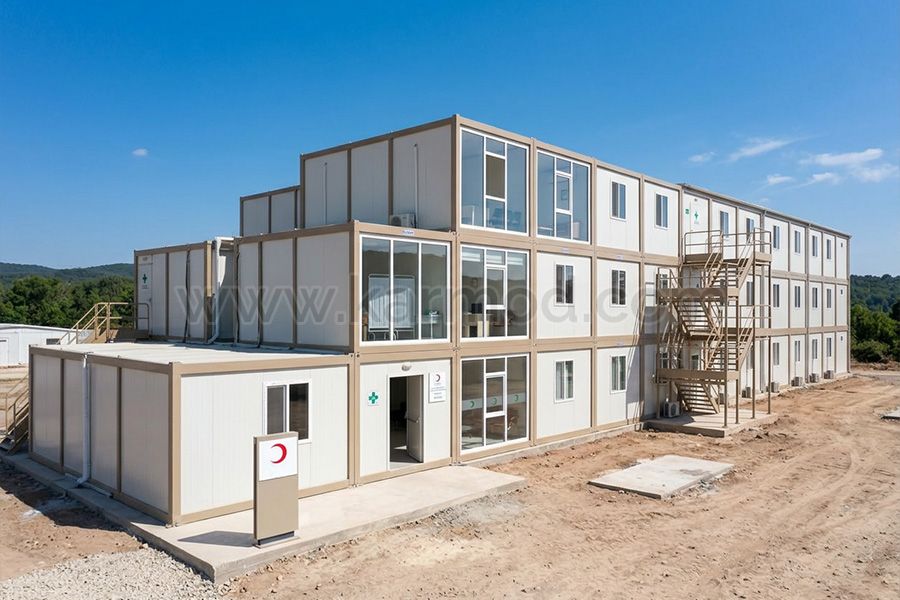
In the vibrant lands of Egypt, where history and modern urban growth stand side by side, the need for affordable social housing has become a central priority for low-income families and public authorities alike. Responding to this demand, Karmod contributes to the transformation of the housing landscape through modular homes and prefab homes, delivering practical, scalable solutions that support long-term housing affordability across Egypt.
Karmod's experience in Egypt reflects a clear understanding of the country’s housing demand, driven by rapid urbanization, population growth, and the need for cost-controlled residential development. Rather than focusing solely on construction speed, the company approaches each public housing project with attention to cultural context, climate conditions, and budget limitations. The result is low-income housing designed to remain financially accessible while offering durable, dignified living environments.
The strength of modular construction lies in its efficiency and predictability. Homes are manufactured in controlled factory environments where precision engineering and strict quality standards minimize material waste and reduce errors. For public housing authorities and municipalities, this method offers measurable advantages: shorter delivery timelines, optimized operating costs, and consistent construction quality. Faster installation on-site also means families can access permanent housing solutions without prolonged waiting periods.


Prefabricated homes developed for Egypt’s climate incorporate energy-efficient materials and insulation strategies suited to hot and dry conditions. By improving thermal performance, these homes help reduce electricity consumption, lowering long-term utility expenses for residents. This focus on operational efficiency strengthens housing sustainability while supporting national objectives related to responsible resource use and environmental management.
Beyond individual housing units, Karmod emphasizes community integration as a core principle of affordable social housing. Thoughtfully planned layouts include shared outdoor areas, pedestrian-friendly spaces, and communal facilities that encourage social interaction. These design strategies contribute to safer neighborhoods and stronger social cohesion — essential components of successful public housing projects. By integrating playgrounds, landscaped areas, and accessible circulation paths, developments support daily life rather than merely providing shelter.


As Egypt advances its urban development agenda, affordable housing delivery models must balance speed, cost control, and long-term performance. Karmod’s modular and prefab systems align with this need by combining industrialized production with adaptable architectural solutions. This integrated approach supports both government-led housing programs and partnerships with NGOs and local authorities seeking efficient residential solutions.
Commitment to quality, sustainability, and affordability defines Karmod’s contribution to Egypt’s social housing sector. By focusing on resilient construction, reduced maintenance requirements, and adaptable layouts, the company supports a housing strategy that prioritizes dignity, stability, and long-term community well-being.


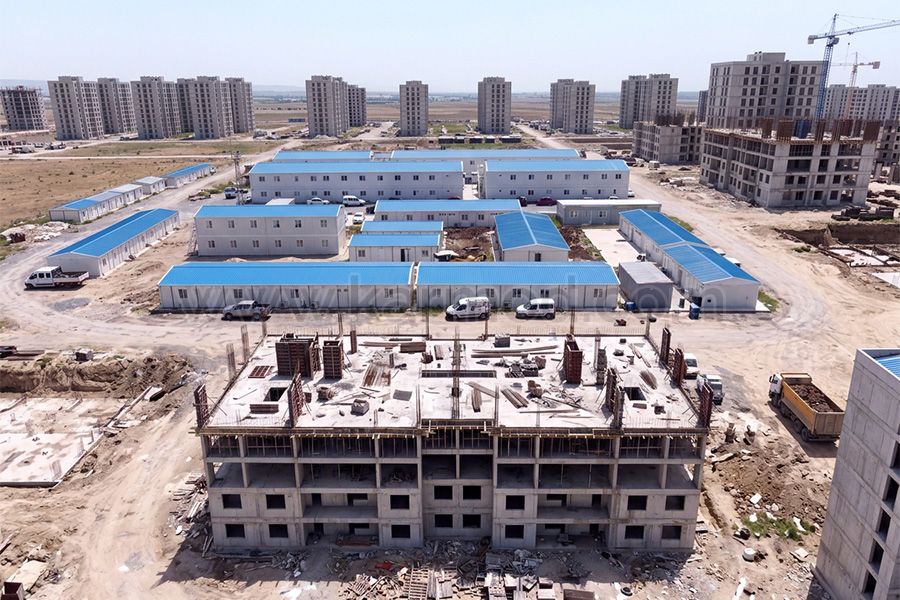
Developing modular social housing in Egypt requires a strategic balance between affordability, durability, and rapid delivery. Modular construction offers public institutions a reliable framework for expanding housing supply while maintaining strict budget discipline. Through industrialized production and coordinated on-site assembly, projects can scale efficiently to meet growing urban housing needs.
Egypt's commitment to inclusive residential development is reinforced by the advantages of modular housing construction:
Prefab low-income housing in Egypt introduces practical design innovations that improve both construction efficiency and everyday livability. These projects aim to close the housing gap while preserving architectural coherence and neighborhood functionality.
Through collaboration between public institutions, private sector manufacturers, and local communities, Egypt’s affordable social housing ecosystem continues to evolve. Modular and prefab construction methods provide a practical blueprint for sustainable expansion, supporting housing affordability without compromising construction standards or long-term performance.
By strengthening delivery models and integrating sustainability principles, Egypt moves closer to ensuring that quality housing remains accessible to a broader segment of its population. The continued development of modular and prefab public housing projects demonstrates how industrialized construction can serve social objectives while maintaining economic responsibility.
Affordable modular housing construction plays a central role in addressing Egypt’s housing deficit. By combining low cost housing construction strategies with advanced manufacturing processes, modular systems deliver durable homes at controlled budgets. This approach allows municipalities and housing agencies to expand supply while safeguarding structural integrity and long-term reliability.
Egypt’s modular housing initiatives are characterized by:
Modular construction in Egypt supports both temporary and permanent social housing applications, offering adaptable solutions across different housing scenarios.
By integrating modular and prefab technologies into its housing strategy, Egypt advances a model of affordable social housing that prioritizes resilience, financial accessibility, and sustainable urban growth. These initiatives reinforce the objective of delivering not just housing units, but stable and inclusive communities.
Karmod’s expertise in mobile affordable housing manufacturing contributes to Egypt’s capacity to address both short-term and long-term accommodation needs. Through modular engineering and industrial production methods, the company provides solutions tailored to low-income housing initiatives and public sector development programs.
Mobile modular units offer distinct advantages for Egypt’s evolving housing landscape:
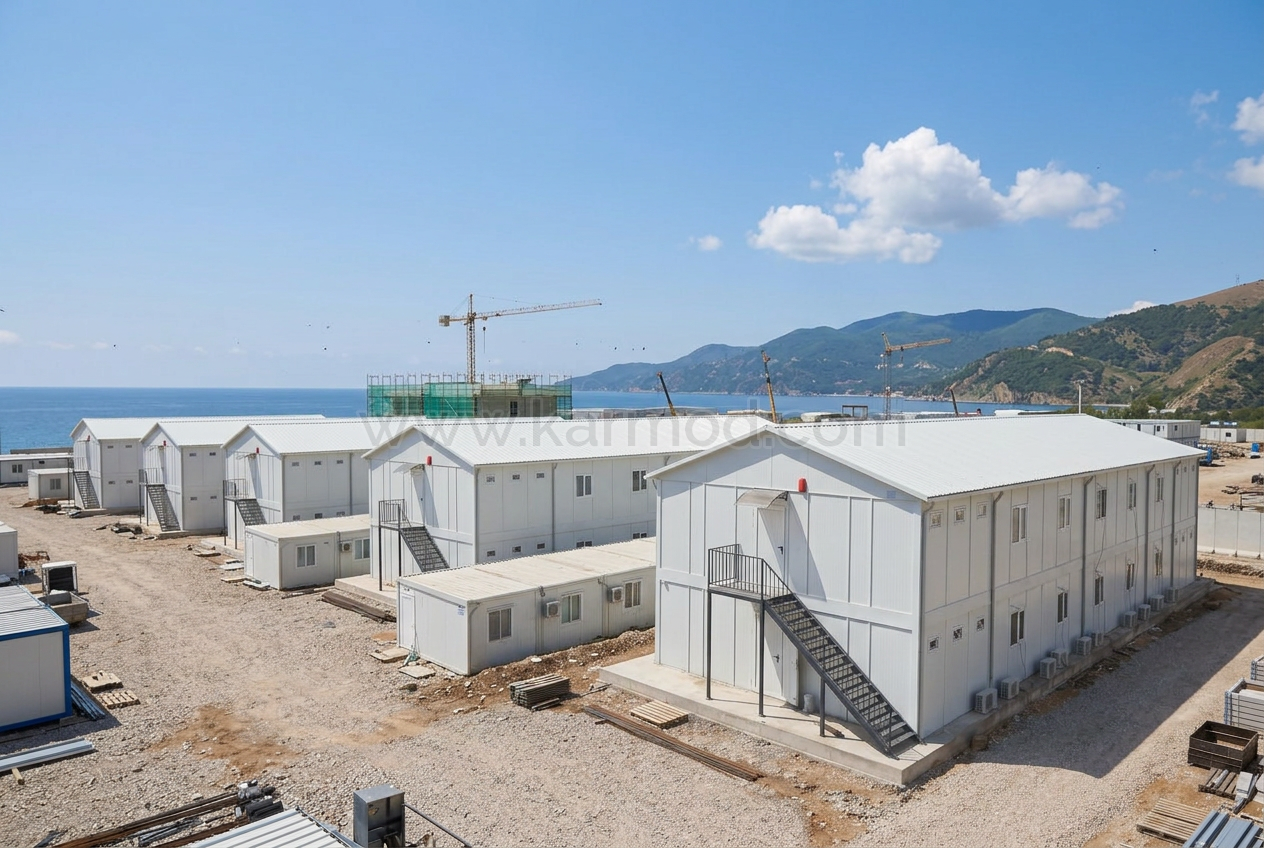
For temporary housing requirements, modular construction provides a structured and reliable framework. Its predictable timelines, standardized production, and adaptable configurations make it well-suited for public housing authorities seeking efficient deployment without compromising safety or habitability.
Karmod’s modular and mobile housing systems demonstrate how affordable social housing in Egypt can combine rapid delivery with structural durability and community-centered planning. By aligning cost efficiency with long-term sustainability, these solutions contribute meaningfully to Egypt’s broader housing affordability objectives and inclusive urban development goals.
In order to serve you better, if you could kindly send an e-mail to info@karmod.com for questions and details about your theoretical and special architectural plans, projects, and product specifications, your request will be responded to as soon as possible.

From one end of the world to the other, we enable our customers to reach the ready-made construction sector produced with the new technology of the world. We guarantee reliability through technology and innovation, flexible commercial models and smart supply chain solutions that add value for you, following the project production network.
Discover
Karmod is one of the largest prefabricated construction companies in Turkey, with a production of 45,000 m2. produces high quality prefabs and prefab containers