EN
EN 


Across Brazil, affordable social housing is closely tied to public goals: reducing housing insecurity, supporting low income families, and enabling stable communities where services, transport, and employment are within reach. Housing affordability remains a pressing concern in both large metropolitan areas and fast-growing regional cities, where demand can outpace formal supply. In this environment, Karmod contributes delivery models that prioritize speed, predictability, and long-term value. Solutions such as modular homes and prefab homes support cost-controlled development while maintaining a clear focus on durability, comfort, and responsible resource use.
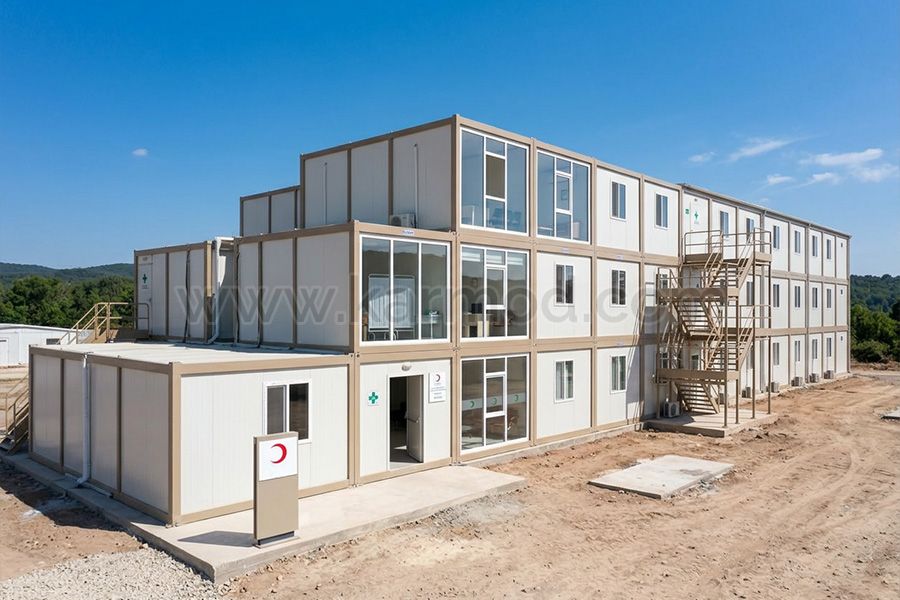
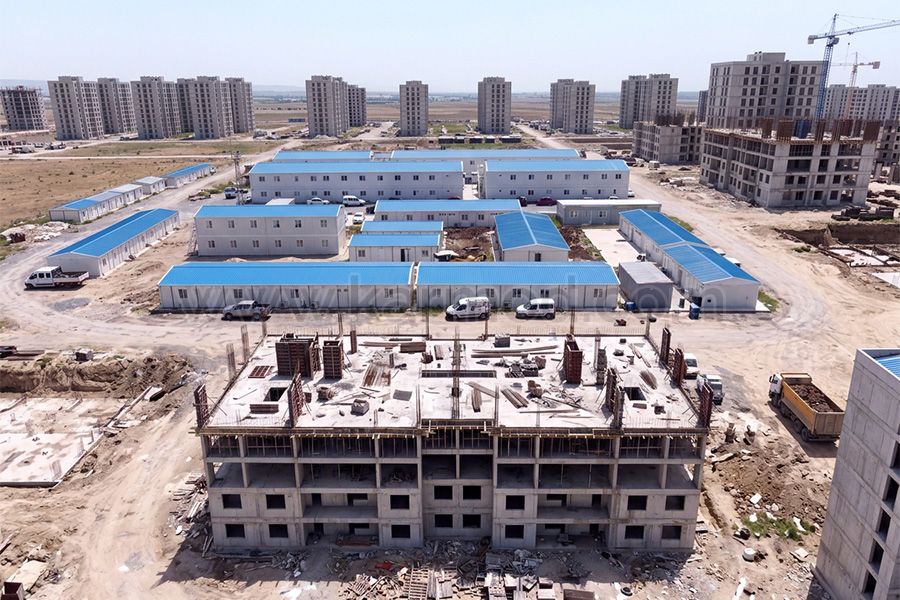
Modular homes provide a structured route for delivering low-income housing at scale. Units are produced as standardized sections under controlled conditions, helping to improve build accuracy and reduce rework. After transportation, the modules are assembled on-site into complete homes or multi-unit buildings. For public authorities and social housing providers, the modular approach supports clearer scheduling, tighter site management, and reduced disruption in dense neighborhoods. It also aligns well with Brazil’s varied climates and geography, where shorter on-site construction windows can reduce exposure to heavy rainfall seasons and logistical constraints.
Prefab homes address affordability from a different operational angle. With substantial completion achieved off-site, prefabricated units can arrive ready for installation with core interior elements already integrated. This can shorten the time between project approval and occupancy—an important consideration in programs serving households with urgent housing needs. Prefab solutions can also be configured to suit local context, from compact layouts for urban plots to adaptable plans that support larger households. By combining standardized manufacturing with practical customization, prefab delivery models help maintain quality while managing total project costs.


Karmod’s role in Brazil’s affordable social housing conversation is grounded in implementation: supplying systems that help partners move from planning to occupancy with fewer delays and less cost volatility. The objective is not only to deliver housing units, but to support community integration through layouts and building strategies that can be aligned with schools, clinics, and public transport. This strengthens trust among municipalities, NGOs, and institutional stakeholders who need transparent delivery models and dependable operating outcomes.
For many Brazilian families, stable housing is the foundation for education continuity, health outcomes, and long-term economic participation. Expanding affordable social housing through modular and prefab methods can help reduce waiting times and improve the consistency of building quality. When projects are delivered with attention to maintenance, energy use, and durability, communities benefit not just at handover but across the full lifecycle of the housing stock.


Brazil’s social housing priorities often require solutions that are fast to deliver, consistent in quality, and manageable in total cost—especially when projects are implemented through public procurement or institutional partnerships. Modular housing construction supports these goals by shifting a large portion of work into controlled production settings, then assembling completed modules on site. This approach can reduce schedule uncertainty and improve predictability for stakeholders responsible for delivering affordable housing for low income communities.
Modular construction also supports practical planning across different regions of Brazil. Projects can be adjusted for site constraints and local context while keeping core structural and manufacturing efficiencies intact. For decision-makers, this provides a clearer pathway from low cost housing ideas to actionable low cost housing plans, with defined scopes, repeatable specifications, and measurable outputs. When combined with durable materials and maintenance-aware design, modular delivery can contribute to long-term sustainability and more stable operating costs for housing providers.


Prefab low income housing projects respond to a central challenge in Brazil: how to expand supply without sacrificing reliability. Prefabrication enables components or full units to be produced under standardized conditions, supporting consistent workmanship and reducing on-site variables. For many affordable housing developments, this can translate into clearer delivery timelines and fewer on-site disruptions, which is particularly valuable in constrained urban areas.
Prefab initiatives can also incorporate mobile affordable housing concepts when flexibility is needed—such as transitional accommodation, phased redevelopment areas, or locations where infrastructure is being expanded. These projects work best when low cost housing ideas are paired with disciplined planning: site selection, service access, and community integration must be considered from the outset. Done well, prefab solutions can deliver practical homes that support long-term stability rather than short-term fixes.
As these delivery models mature, they provide Brazilian stakeholders with a broader toolkit for low cost housing construction. Prefab and modular housing construction can be combined within the same pipeline, allowing authorities to match the method to the urgency, location, and intended lifespan of each project. This helps strengthen the overall capacity of low income social housing programs while keeping quality and sustainability in focus.
By prioritizing delivery models that are scalable and transparent, Brazil can build housing solutions that support inclusion and community resilience. The emphasis remains on outcomes that matter to residents—safe homes, reasonable operating costs, and neighborhoods that connect people to opportunity.
Affordable modular housing construction is increasingly viewed as a practical response to Brazil’s need for faster, more cost-controlled housing delivery. For low income families, the benefit is straightforward: homes can be delivered sooner, with consistent build standards and reduced exposure to site delays. For implementing bodies, modular delivery strengthens project oversight by concentrating production steps and reducing variability across multiple sites.
Brazil’s affordable social housing needs are not uniform. Some contexts call for permanent housing stock, while others require temporary accommodation that can be deployed quickly and managed responsibly. A balanced strategy often combines modular housing construction for speed with planning frameworks that clarify tenure, maintenance responsibilities, and long-term community integration.
By aligning delivery speed with long-term sustainability, Brazil can strengthen housing affordability without compromising safety or community outcomes. The most effective projects are those that consider the full lifecycle of the housing—construction, maintenance, operating costs, and the everyday realities of residents.
Karmod supports Brazil’s housing landscape as a mobile affordable housing manufacturer with expertise in modular systems. For stakeholders managing urgent needs or transitional housing requirements, mobility can be a decisive advantage. Units can be deployed where demand is immediate, then reallocated as priorities shift—an approach that supports resource efficiency and program flexibility.
Alongside mobility, Karmod’s emphasis on low cost housing construction focuses on predictable production and practical performance. This supports affordable housing for low income households by helping projects stay within scope and maintain dependable build standards. For municipalities and institutional partners, reliability and serviceability are central to maintaining public trust in social housing delivery.
The value of mobile solutions increases when paired with clear site planning and operating strategies. When units are integrated with essential services and designed for maintainability, they can serve as more than a stopgap—supporting housing stability during transitions and reducing pressure on limited permanent housing stock.
Through scalable manufacturing and modular delivery models, Karmod contributes to housing systems that can be implemented with speed while remaining aligned with long-term sustainability and community integration goals.
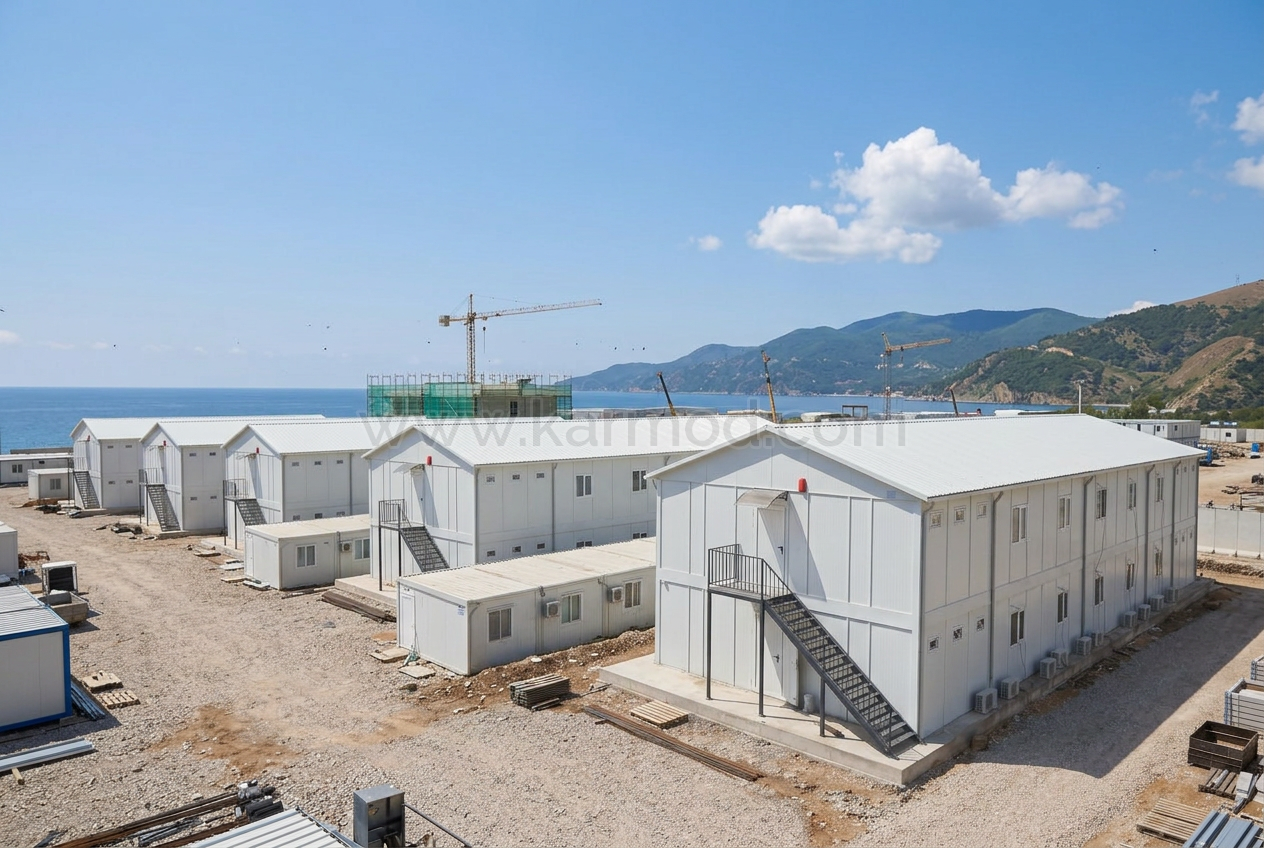
Temporary housing in Brazil must be delivered quickly, but it also needs to protect dignity, safety, and livability. Modular housing construction is well-suited to this requirement because it allows standardized units to be produced efficiently, then installed with less on-site disruption. For implementing bodies, this supports faster response while maintaining clearer control over costs and build quality.
Effective temporary housing also depends on planning. Low cost housing ideas must translate into low cost housing plans that consider location, access to services, and the operational realities of housing management. When temporary housing is designed with practical maintenance in mind, it can help avoid escalating operating costs and improve resident wellbeing during transitional periods.
Incorporating mobile affordable housing concepts adds flexibility when situations change—whether due to regional shifts, local redevelopment, or emergency response needs. Units that can be relocated or repurposed support better stewardship of public resources and reduce the risk of stranded assets.
By combining low cost housing construction with modular and mobile delivery models, Brazil can implement temporary housing that is fast, responsible, and aligned with long-term housing affordability objectives. This approach supports immediate shelter needs while reinforcing broader efforts to expand stable, well-integrated affordable social housing.
In order to serve you better, if you could kindly send an e-mail to info@karmod.com for questions and details about your theoretical and special architectural plans, projects, and product specifications, your request will be responded to as soon as possible.

From one end of the world to the other, we enable our customers to reach the ready-made construction sector produced with the new technology of the world. We guarantee reliability through technology and innovation, flexible commercial models and smart supply chain solutions that add value for you, following the project production network.
Discover
Karmod is one of the largest prefabricated construction companies in Turkey, with a production of 45,000 m2. produces high quality prefabs and prefab containers