EN
EN 


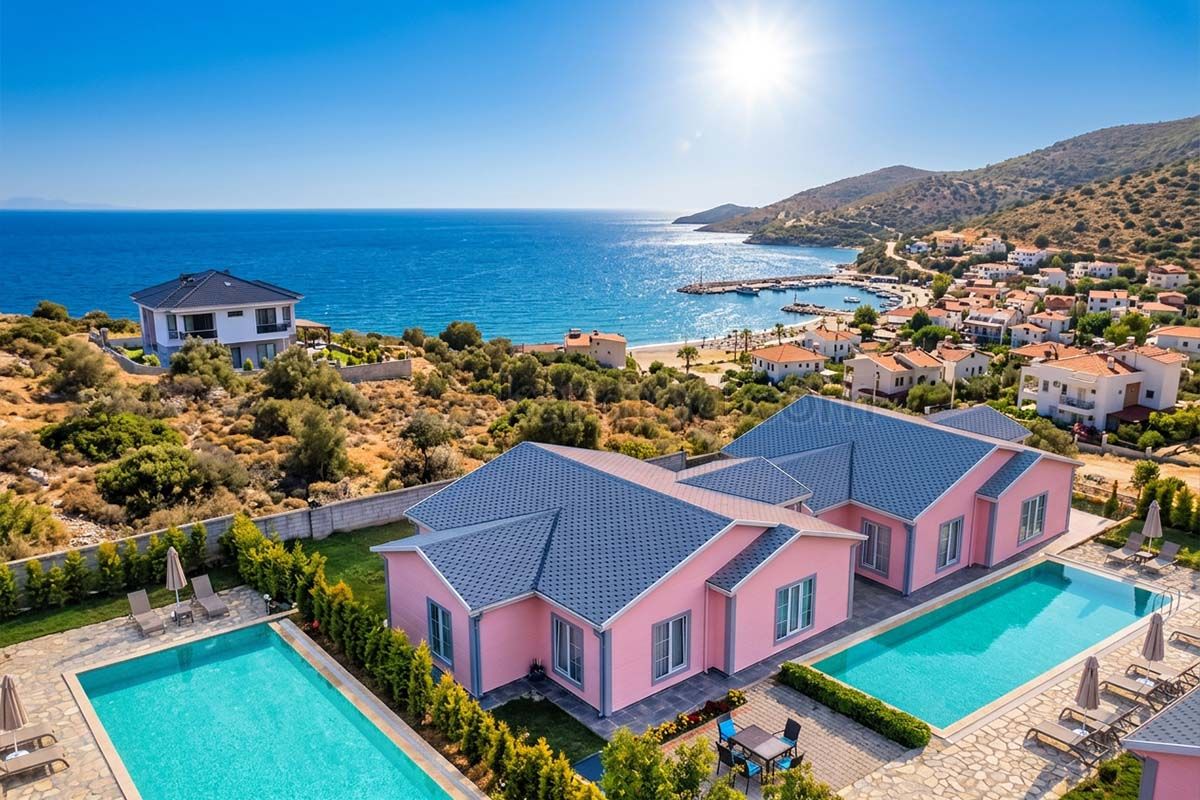
Around the world, affordable housing has become one of the most pressing social and economic challenges. Rising land costs, population growth, and rapid urbanization have created a gap between housing supply and demand. Modular construction has emerged as a powerful tool to bridge this gap, offering affordable, sustainable, and scalable solutions. At the same time, community renewal initiatives ensure that housing is not just about buildings, but about creating inclusive, thriving neighborhoods. This article explores how modular housing and community renewal can work together to provide dignity, security, and opportunity.
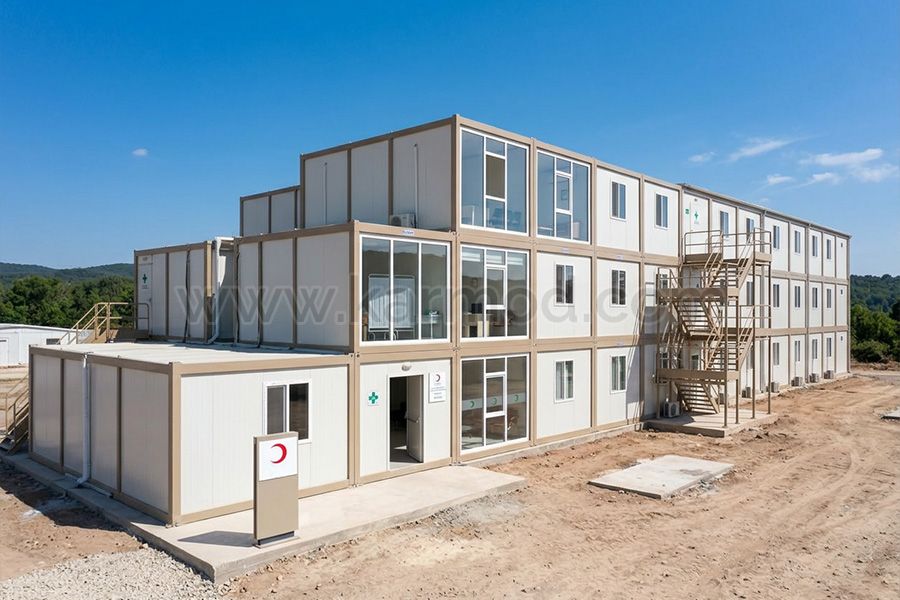
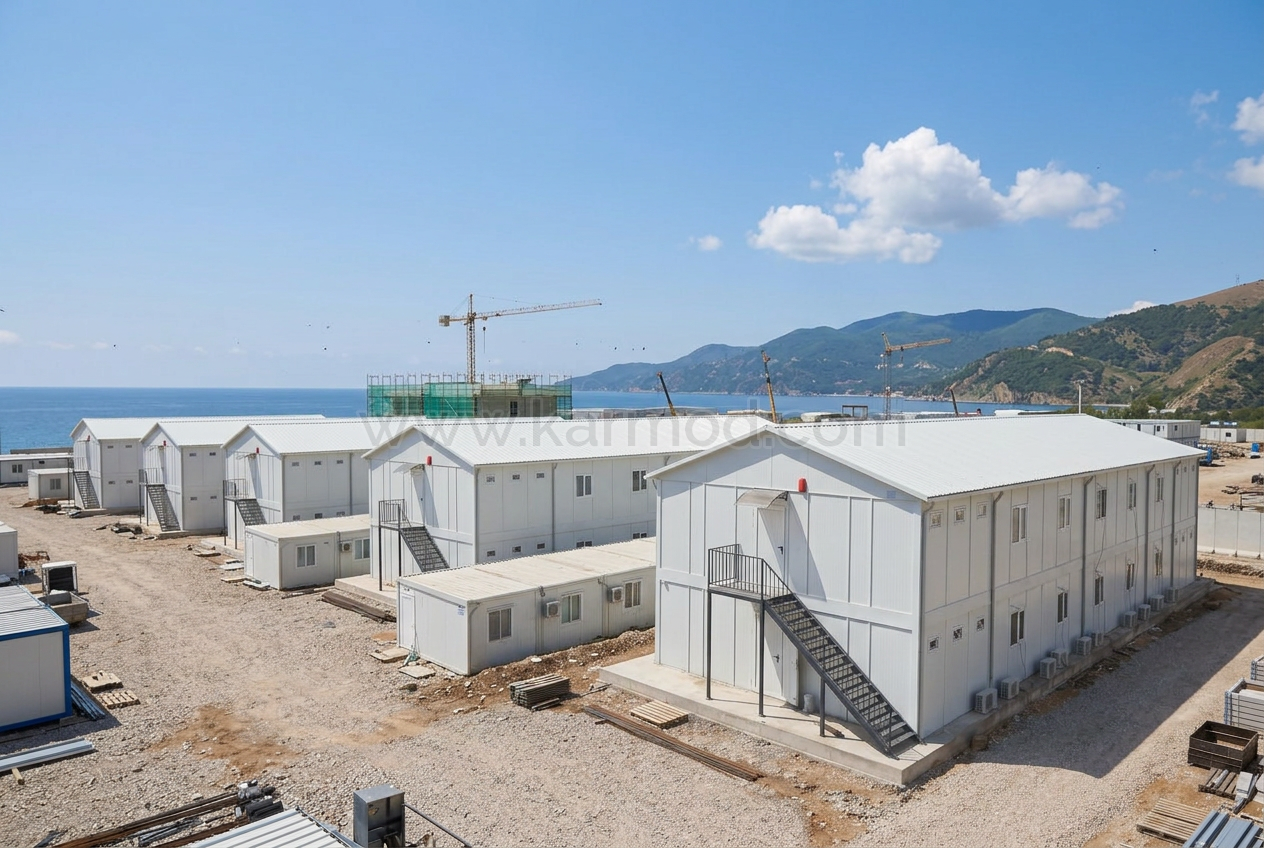
Modular affordable housing refers to homes and apartments constructed off-site in a factory-controlled environment, then transported and assembled at their final location. Unlike traditional housing, modular projects significantly reduce construction time and costs while ensuring consistent quality.
Housing alone does not create strong communities. Community renewal programs play a vital role in revitalizing neighborhoods, improving infrastructure, and providing access to healthcare, education, and employment. In New York State, for example, Homes and Community Renewal (HCR) oversees affordable housing development while also investing in community-based programs that improve quality of life.
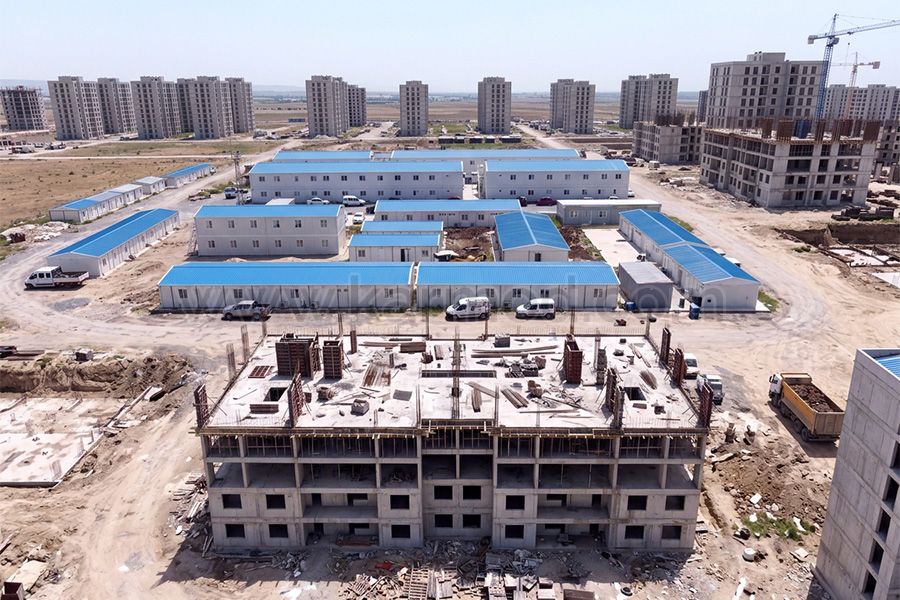
Modular housing is not limited to single units—it is increasingly used for apartment complexes and multi-family projects in urban settings. These applications ensure efficient use of limited land while meeting the needs of diverse populations.
Vienna, Austria has successfully integrated modular housing into its broader social housing strategy, maintaining one of the highest affordable housing rates in Europe. New York State, through HCR, is deploying modular construction as part of its $25 billion housing plan, with goals to create or preserve 100,000 affordable homes. Japan uses modular construction extensively for disaster recovery, providing temporary and permanent housing within weeks after major earthquakes.


The future of modular affordable housing lies in the integration of smart technology, renewable energy, and sustainable design. Cities will increasingly adopt modular housing for both permanent and transitional needs. With global housing demand projected to rise sharply by 2030, modular projects will play a critical role in preventing displacement and supporting equitable urban growth.
Affordable modular housing, combined with community renewal initiatives, offers a powerful pathway to address housing shortages, reduce inequality, and build resilient neighborhoods. By investing in these models, governments, NGOs, and private developers can ensure that housing is not just a basic necessity, but a foundation for opportunity and social well-being.
In order to serve you better, if you could kindly send an e-mail to info@karmod.com for questions and details about your theoretical and special architectural plans, projects, and product specifications, your request will be responded to as soon as possible.

From one end of the world to the other, we enable our customers to reach the ready-made construction sector produced with the new technology of the world. We guarantee reliability through technology and innovation, flexible commercial models and smart supply chain solutions that add value for you, following the project production network.
Discover
Karmod is one of the largest prefabricated construction companies in Turkey, with a production of 45,000 m2. produces high quality prefabs and prefab containers