EN
EN 



Prefabrication in construction refers to the process of manufacturing building components—such as walls, floors, roofs, and entire modules—off-site in a controlled environment and then transporting them to the construction site for quick assembly. This modern approach reduces time, cost, and environmental impact compared to traditional on-site construction.
Advantages:
Faster construction timelines
Reduced labor costs
Less material waste, making it more sustainable
Consistent quality due to factory-controlled conditions
Enhanced safety by minimizing on-site hazards
Disadvantages:
Transportation and logistics can be expensive
Limited customization compared to traditional building
Requires precise planning and coordination
Some regions face regulatory challenges with prefab structures
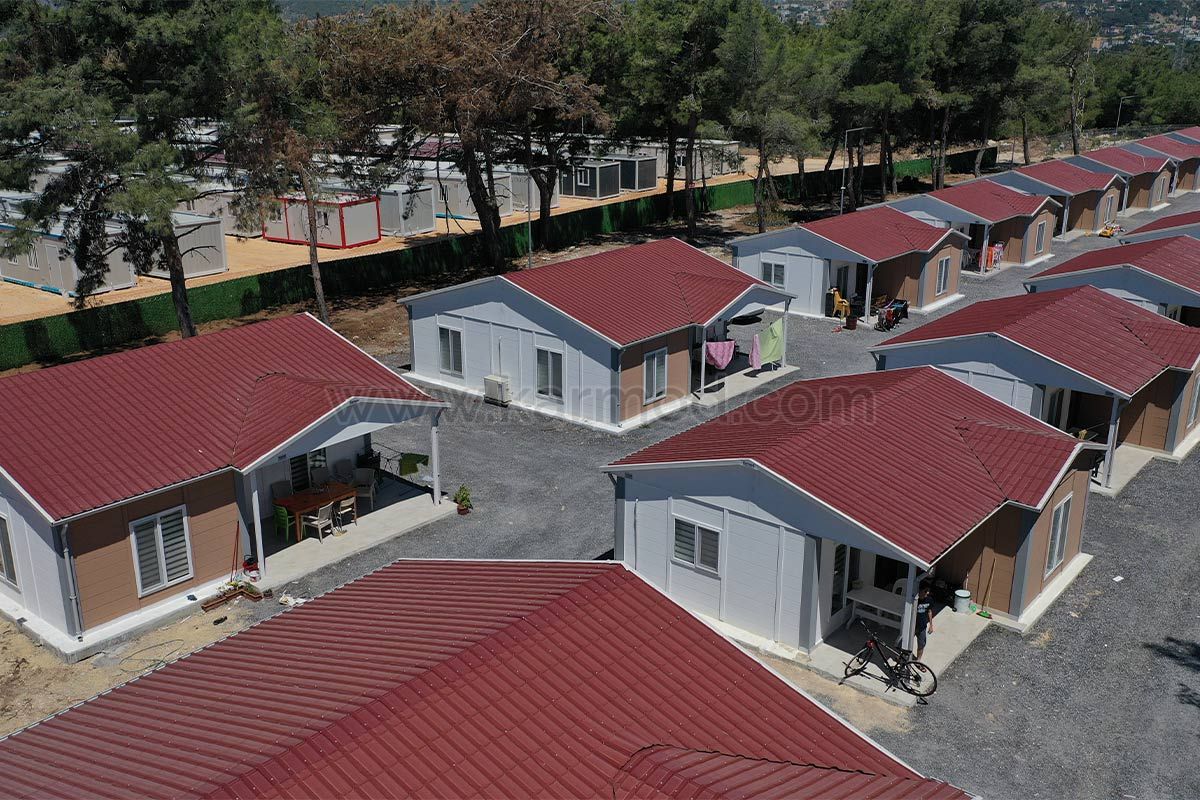
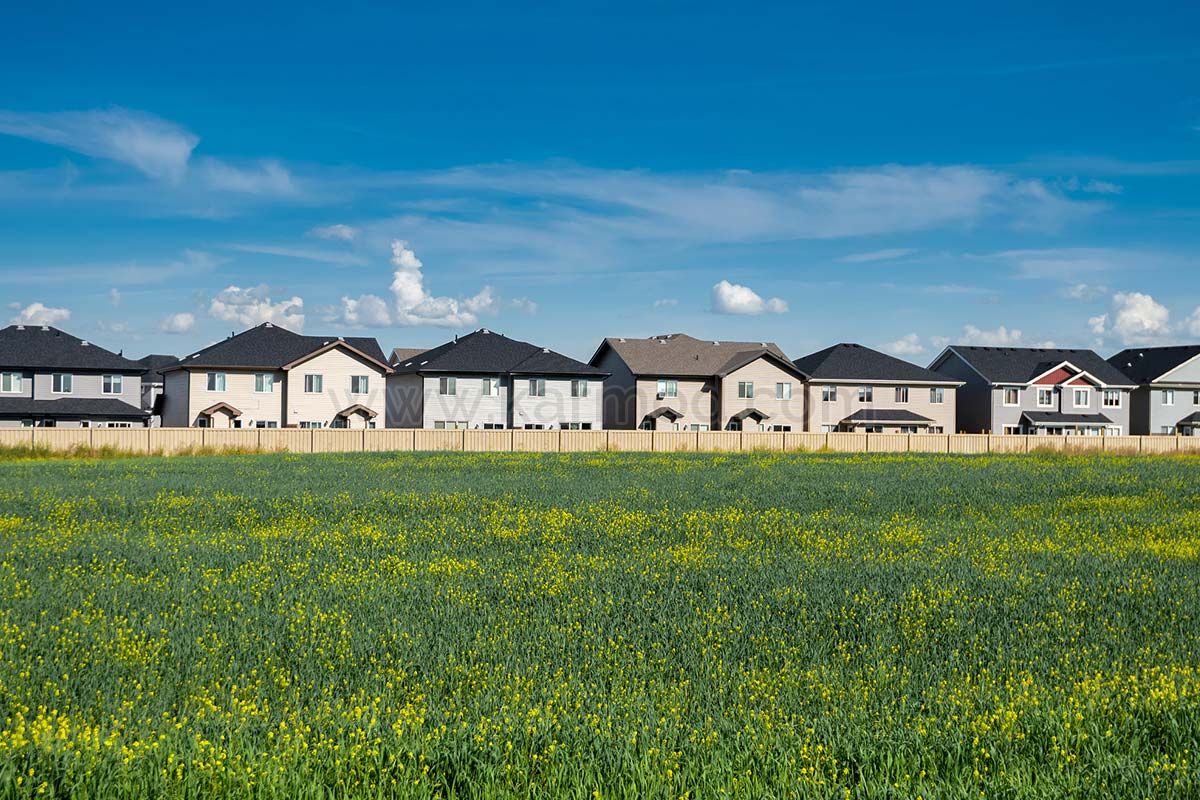
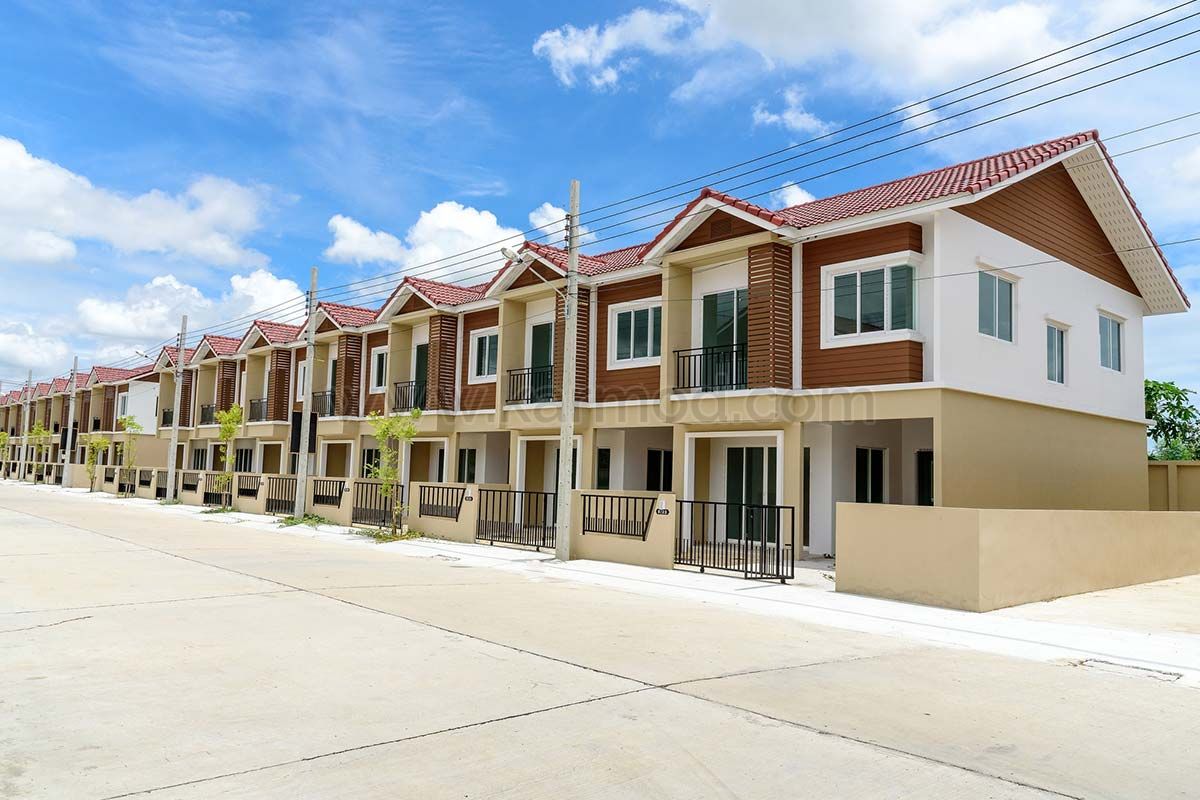
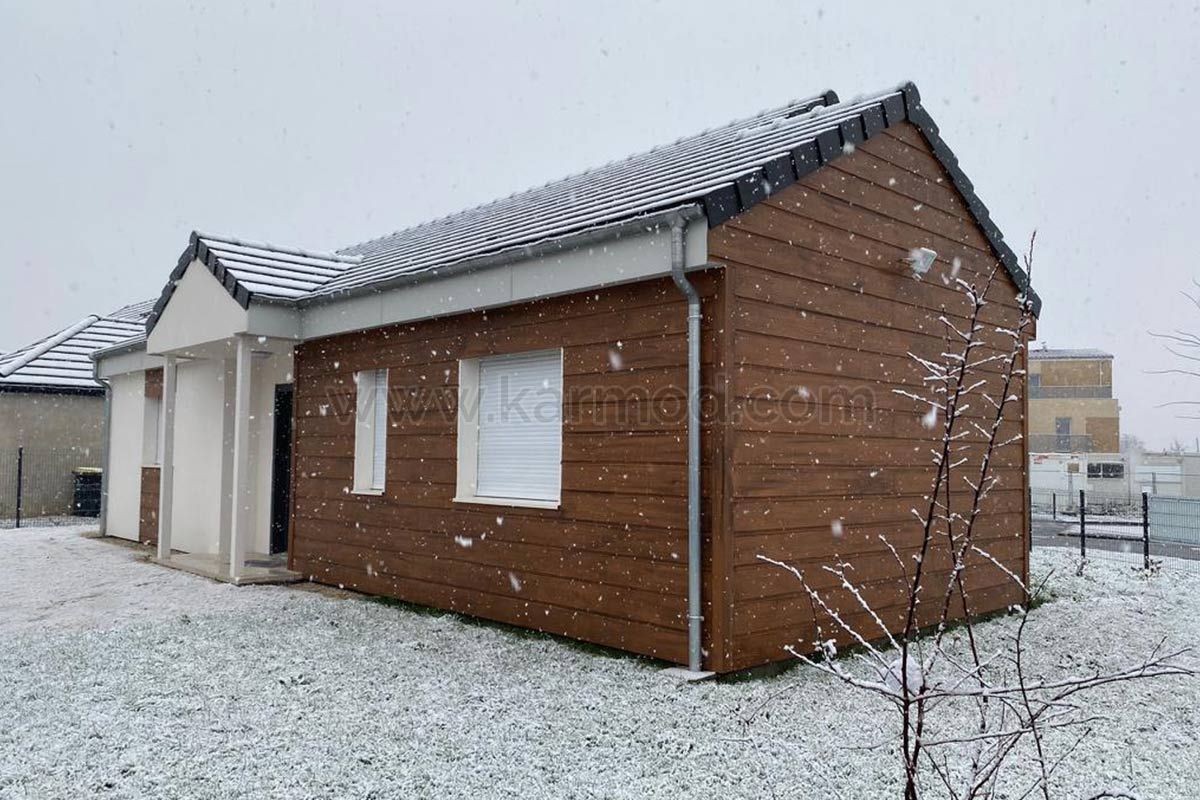
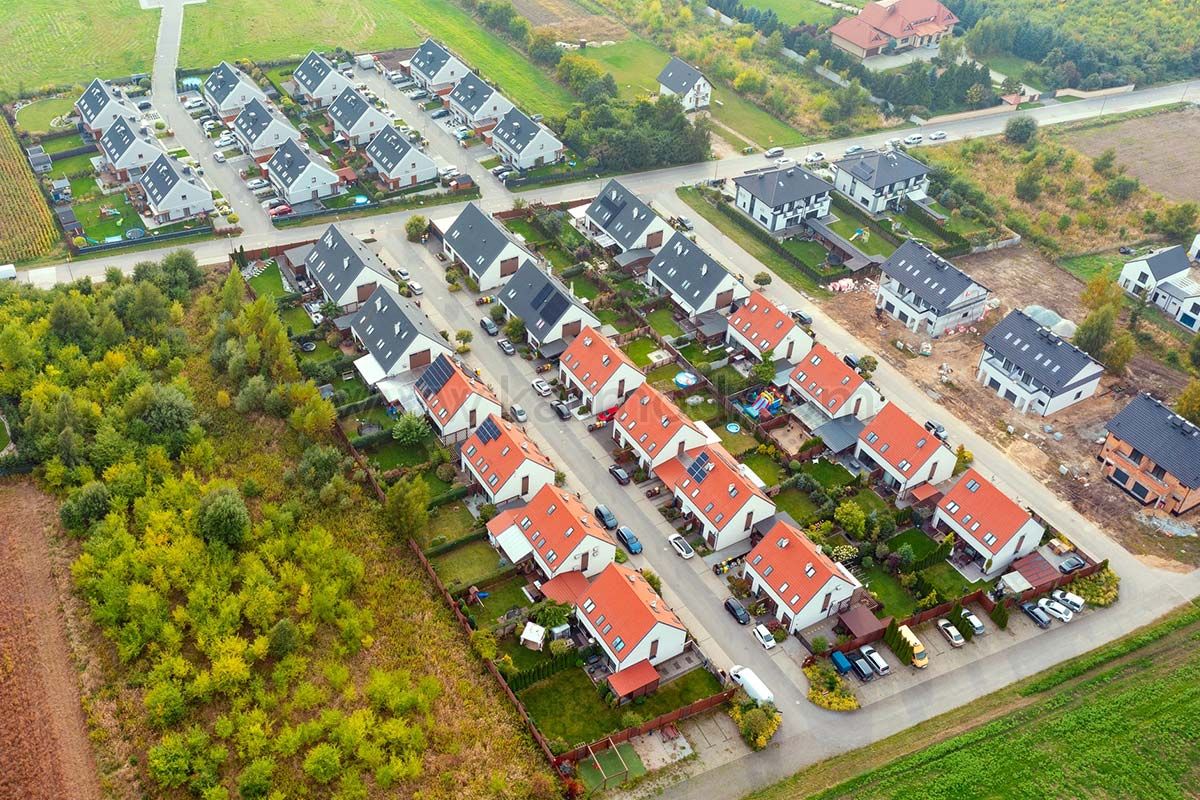

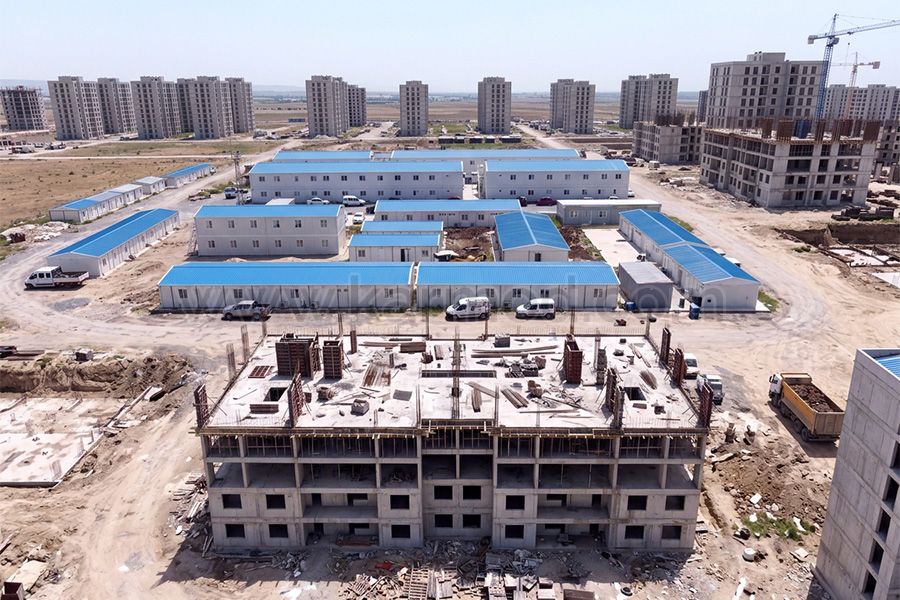
Prefab construction offers significant cost savings by reducing labor expenses, minimizing material waste, and cutting project timelines. Buildings can be completed 30–50% faster than traditional methods because modules are manufactured simultaneously while site preparation is underway. The efficiency of prefabrication makes it an ideal solution for housing shortages, temporary facilities, and large-scale infrastructure projects.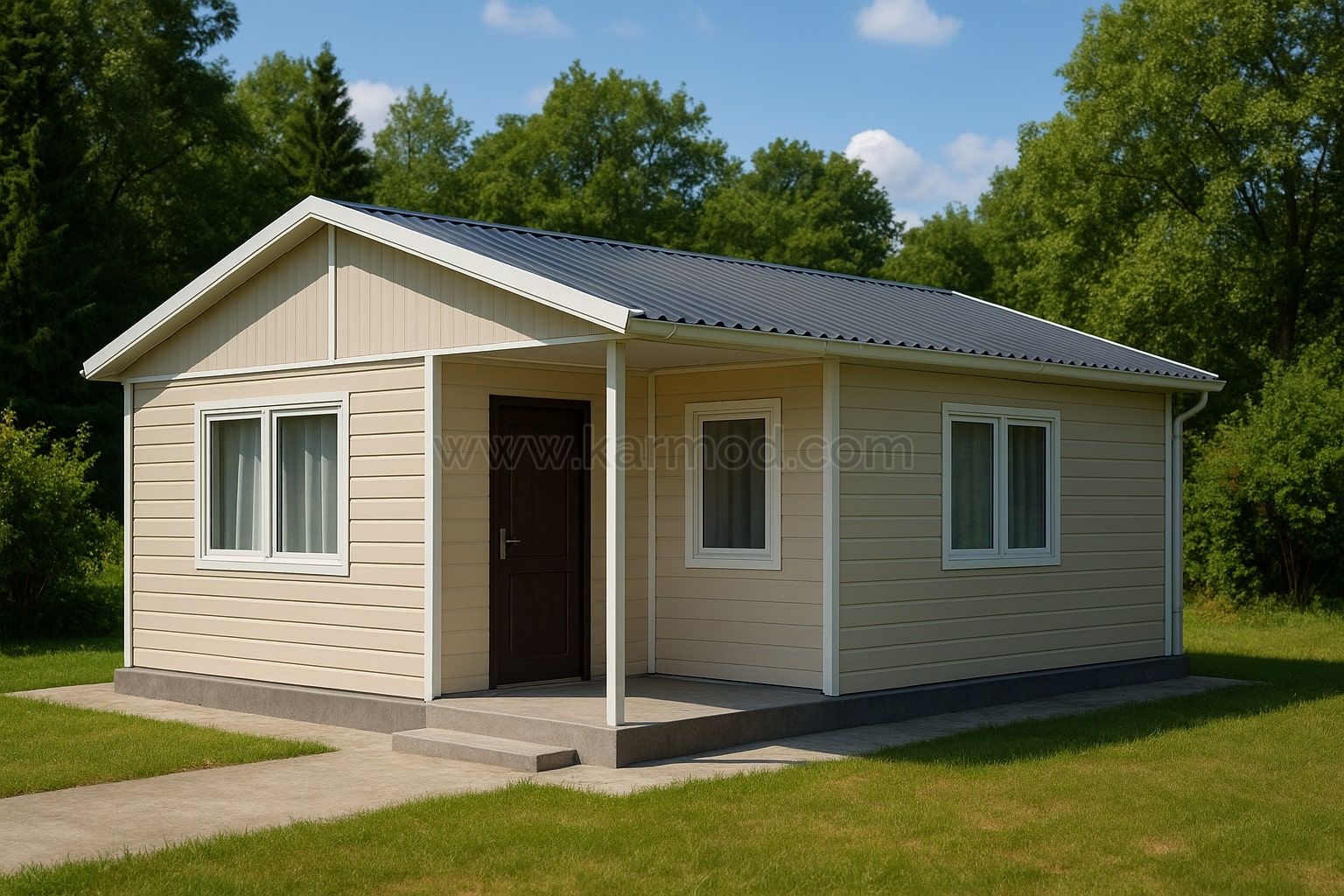
Panelized Construction: Walls, floors, and roofs built as panels, then assembled on-site.
Modular Construction: Complete three-dimensional modules manufactured off-site and joined on-site.
Pre-engineered Buildings: Steel or metal frames pre-fabricated for warehouses, factories, or large commercial spaces.
Component-Based Systems: Specific parts like staircases, trusses, or bathroom pods built off-site and integrated later.
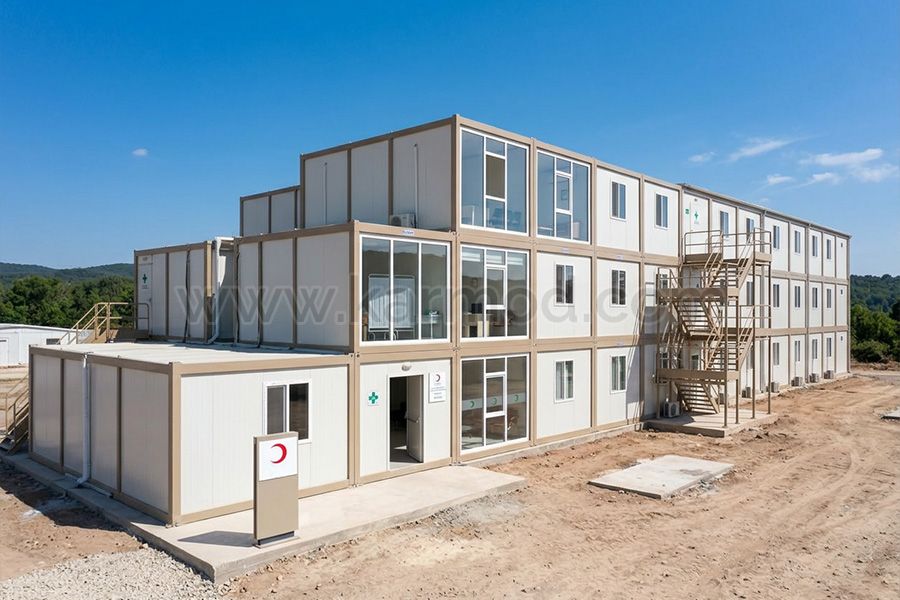
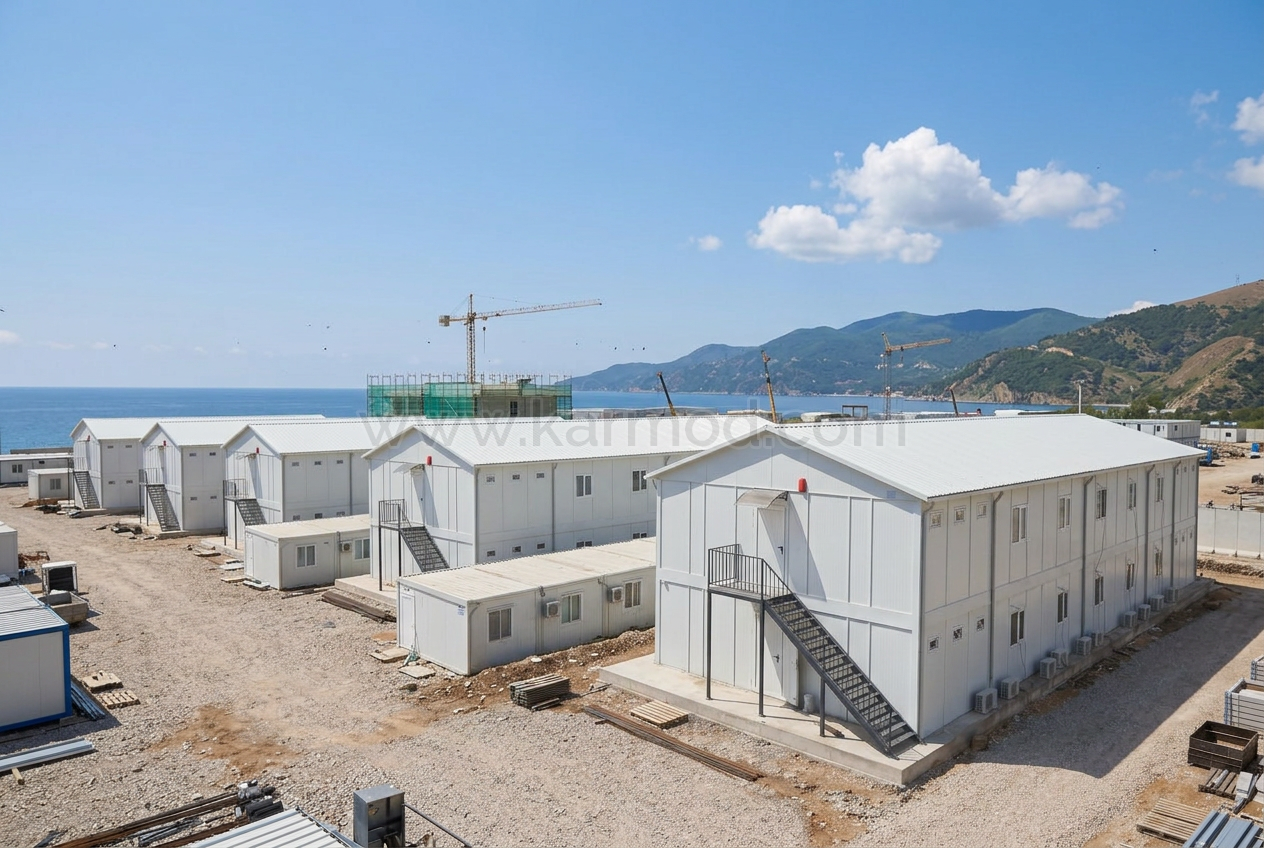
Modern prefab buildings are far from the temporary structures of the past. Today, they feature contemporary designs, energy-efficient systems, and high-quality finishes. From modular homes and office spaces to schools and healthcare facilities, prefab buildings are redefining how fast and effectively infrastructure can be delivered.
Prefabrication and modular construction are often used interchangeably but have subtle differences. Prefabrication refers broadly to producing building components off-site, while modular construction specifically involves manufacturing entire volumetric units. When combined, these approaches create highly efficient, sustainable, and customizable buildings suitable for both temporary and permanent applications.
Key prefabricated components include:
Wall and roof panels
Steel or concrete frames
Bathroom and kitchen pods
Precast staircases and beams
Modular room units for hotels, schools, and clinics
Examples of prefab buildings range from disaster relief shelters and modular classrooms to modern apartment complexes and hospitals.
The benefits of prefabrication go beyond speed and cost savings. It reduces environmental impact through efficient material usage, minimizes site disruption, and allows projects to meet strict sustainability standards. Additionally, modular construction with prefabricated components provides flexible design options, scalability, and long-term durability, making it an essential method for the future of construction.
In order to serve you better, if you could kindly send an e-mail to info@karmod.com for questions and details about your theoretical and special architectural plans, projects, and product specifications, your request will be responded to as soon as possible.

From one end of the world to the other, we enable our customers to reach the ready-made construction sector produced with the new technology of the world. We guarantee reliability through technology and innovation, flexible commercial models and smart supply chain solutions that add value for you, following the project production network.
Discover
Karmod is one of the largest prefabricated construction companies in Turkey, with a production of 45,000 m2. produces high quality prefabs and prefab containers