EN
EN 


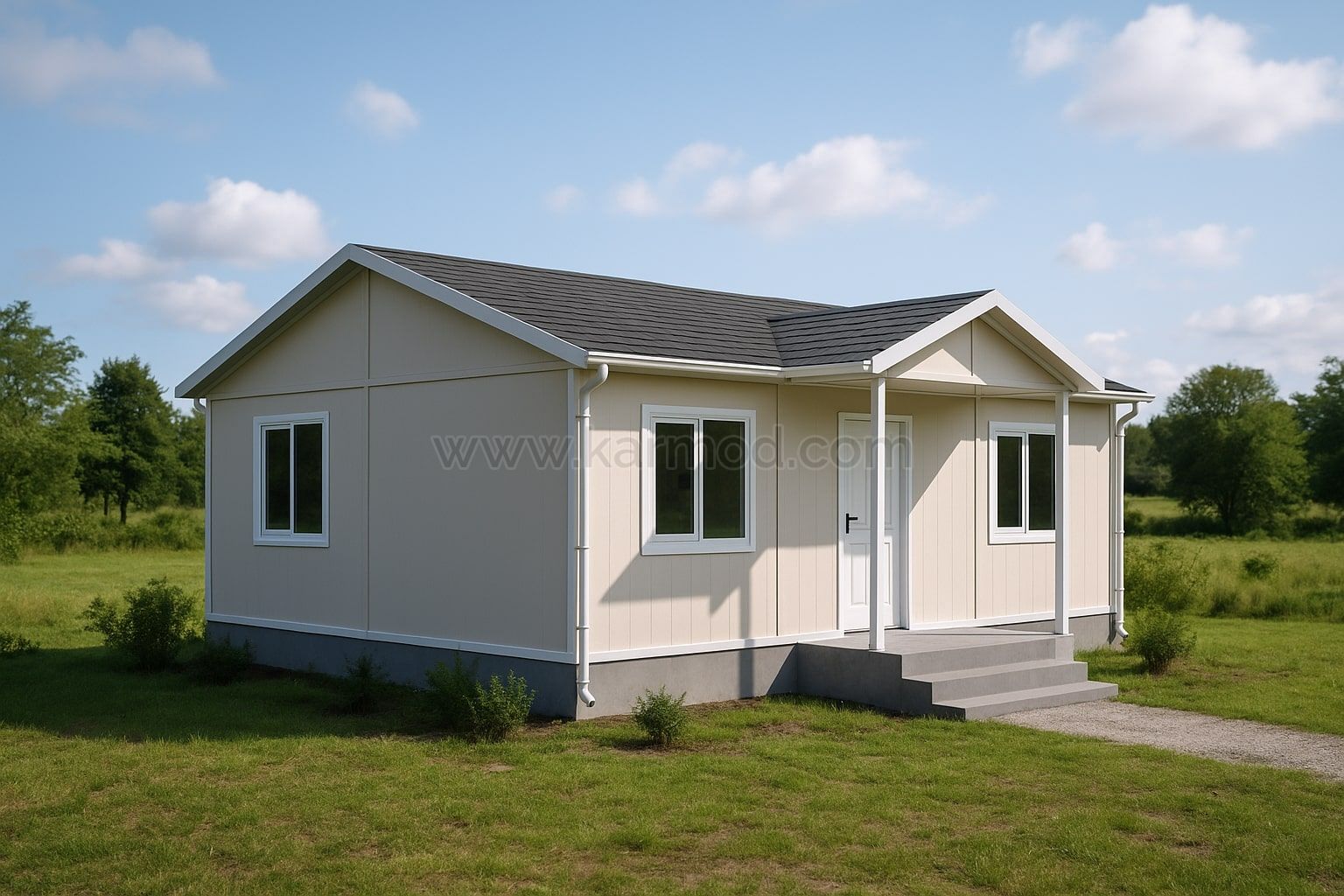
Low-cost housing refers to housing solutions designed to provide safe and adequate shelter for individuals and families with limited financial resources. These homes are typically built with cost-efficient materials and methods, while still meeting essential safety and comfort standards. Governments, non-profits, and private developers often work together to make low-cost housing available to those who might otherwise struggle to afford a home.
Low-cost housing is a critical part of addressing housing shortages, urbanization, and social inequality, especially in regions where demand for affordable homes far outpaces supply.
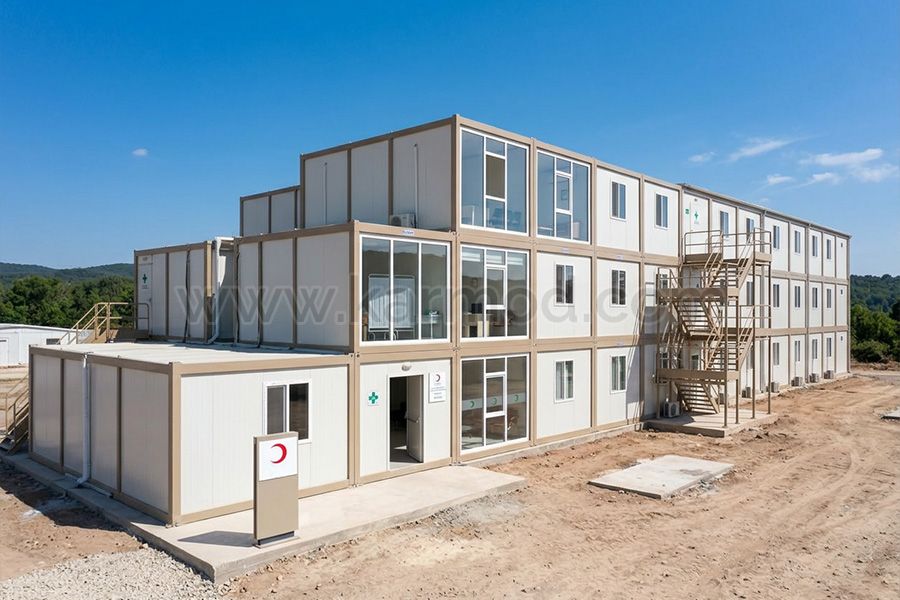
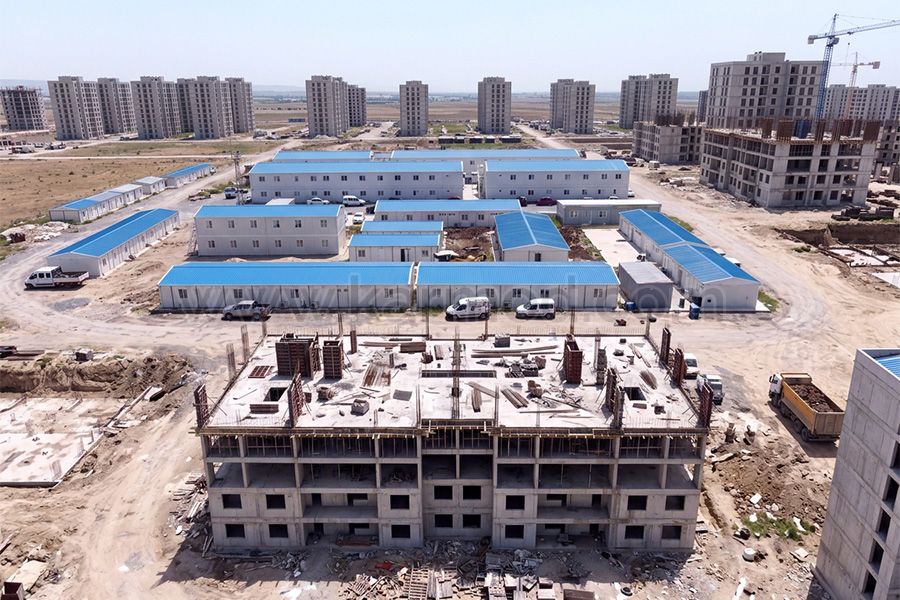
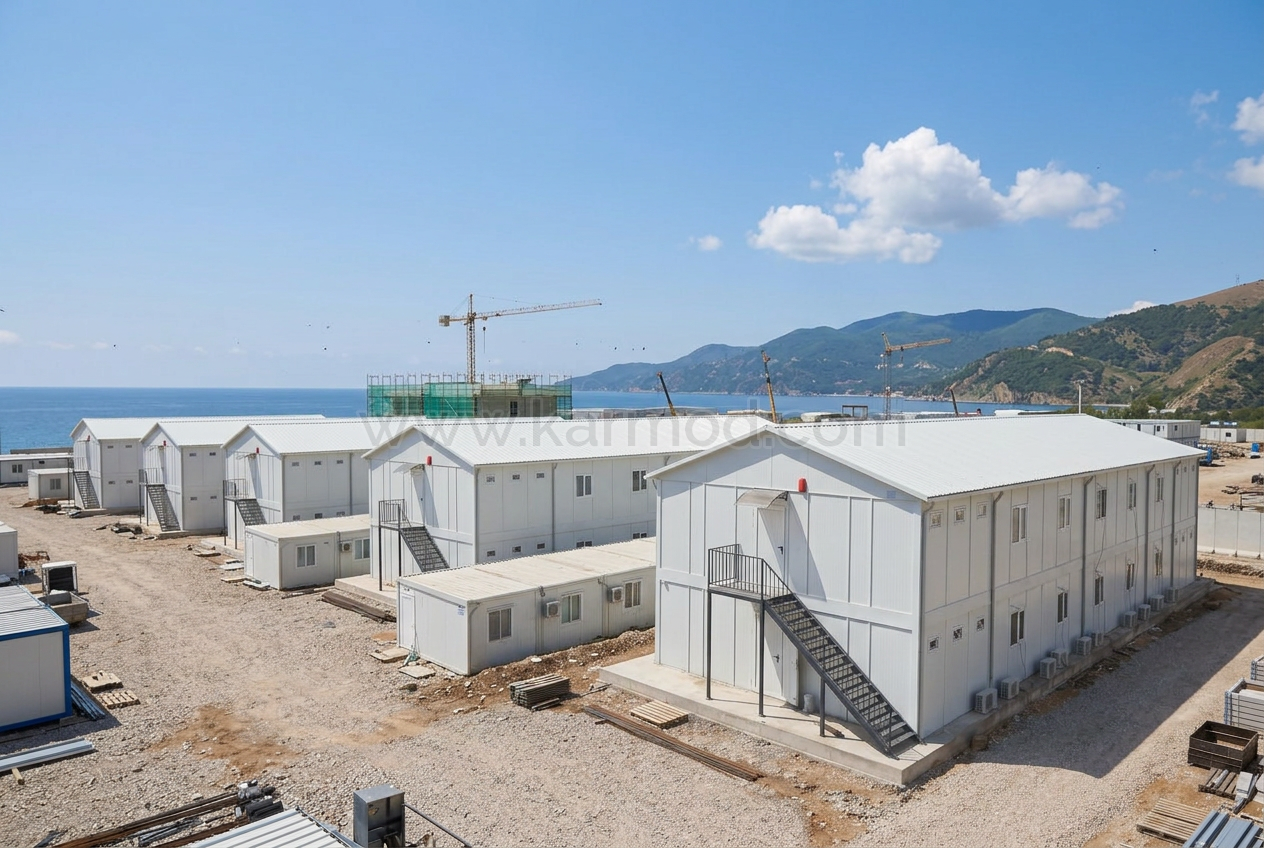
The cheapest options for low-cost housing often include tiny homes, prefabricated houses, and shared apartments. Prefabricated and modular housing can significantly reduce costs by using mass production methods, while tiny homes minimize living space and utility costs.
In rural areas, self-built homes using local and sustainable materials such as compressed earth blocks or bamboo may be the most cost-effective solutions. Urban areas, however, often rely on subsidized apartments or government-funded housing projects to keep costs low.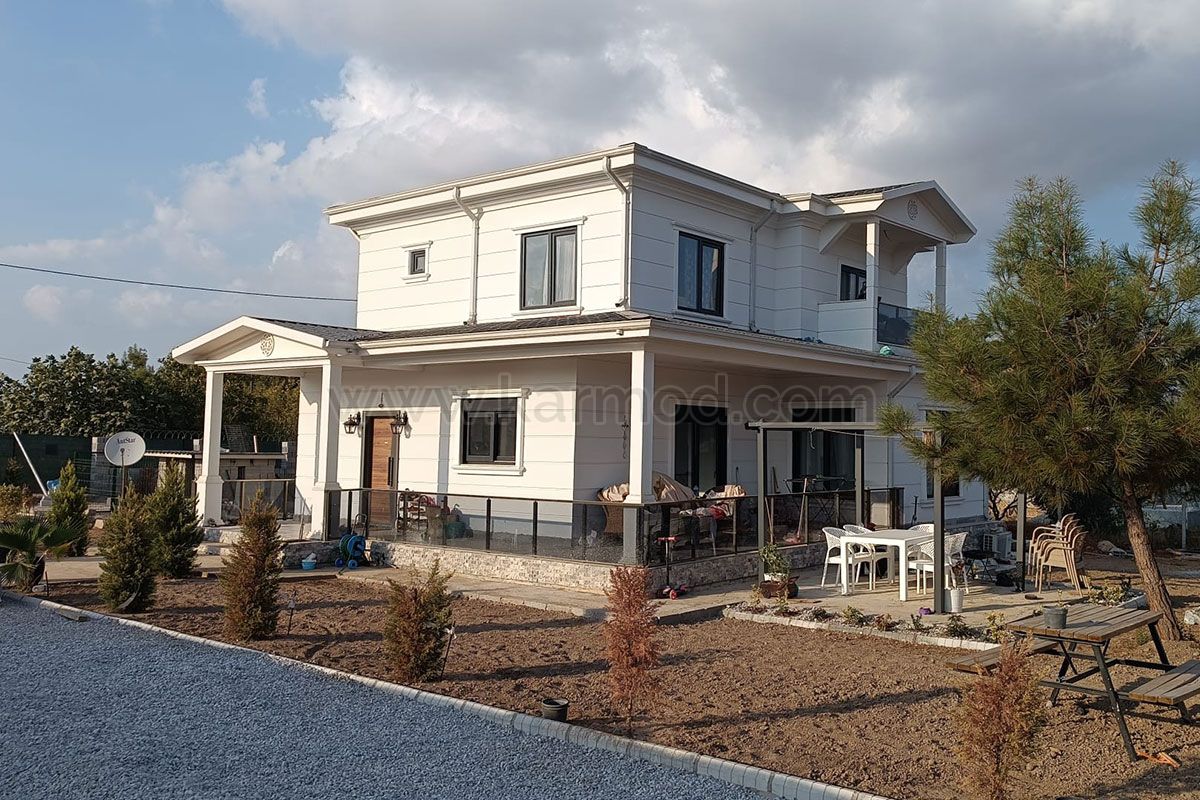
Low-income buyers often face challenges in securing financing for housing. Fortunately, many governments and organizations provide assistance through:
Subsidized mortgage programs with reduced interest rates
Down payment assistance grants to make homeownership more accessible
Housing cooperatives where costs are shared among members
Non-profit initiatives like Habitat for Humanity that offer affordable housing opportunities
To qualify, applicants usually need to meet income criteria and demonstrate financial need.


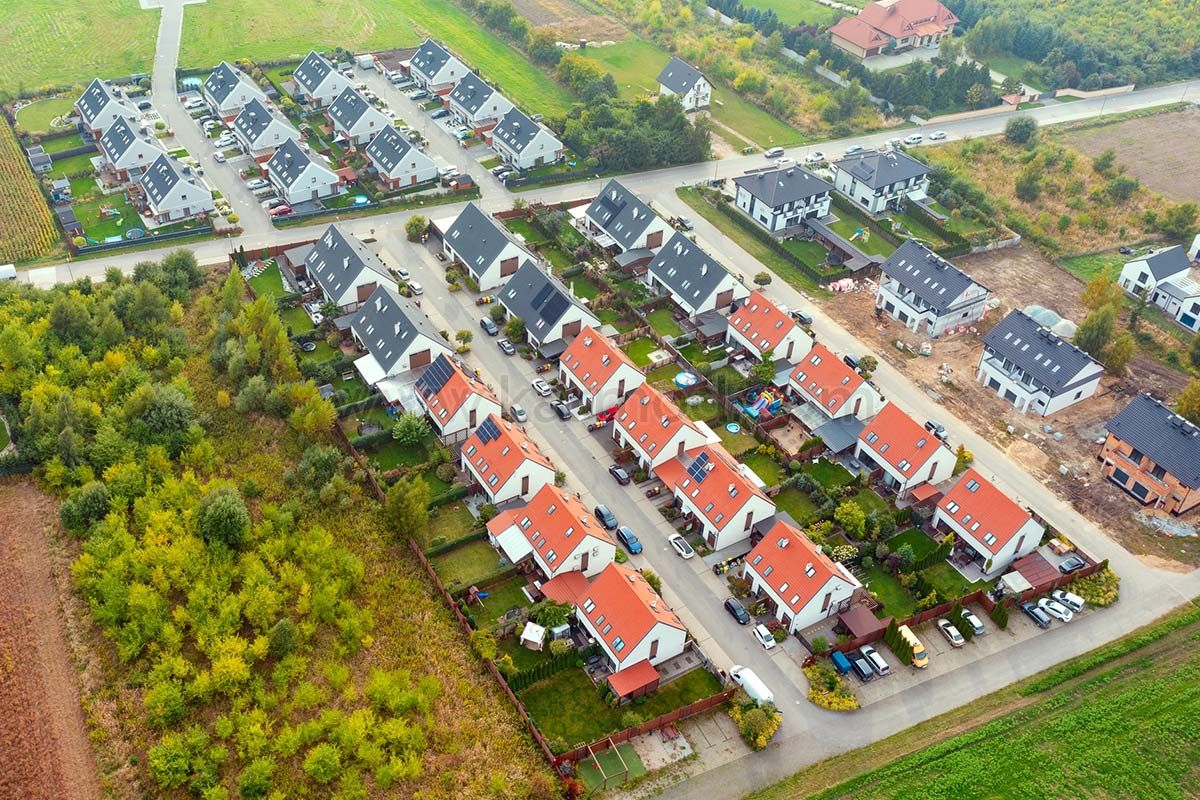
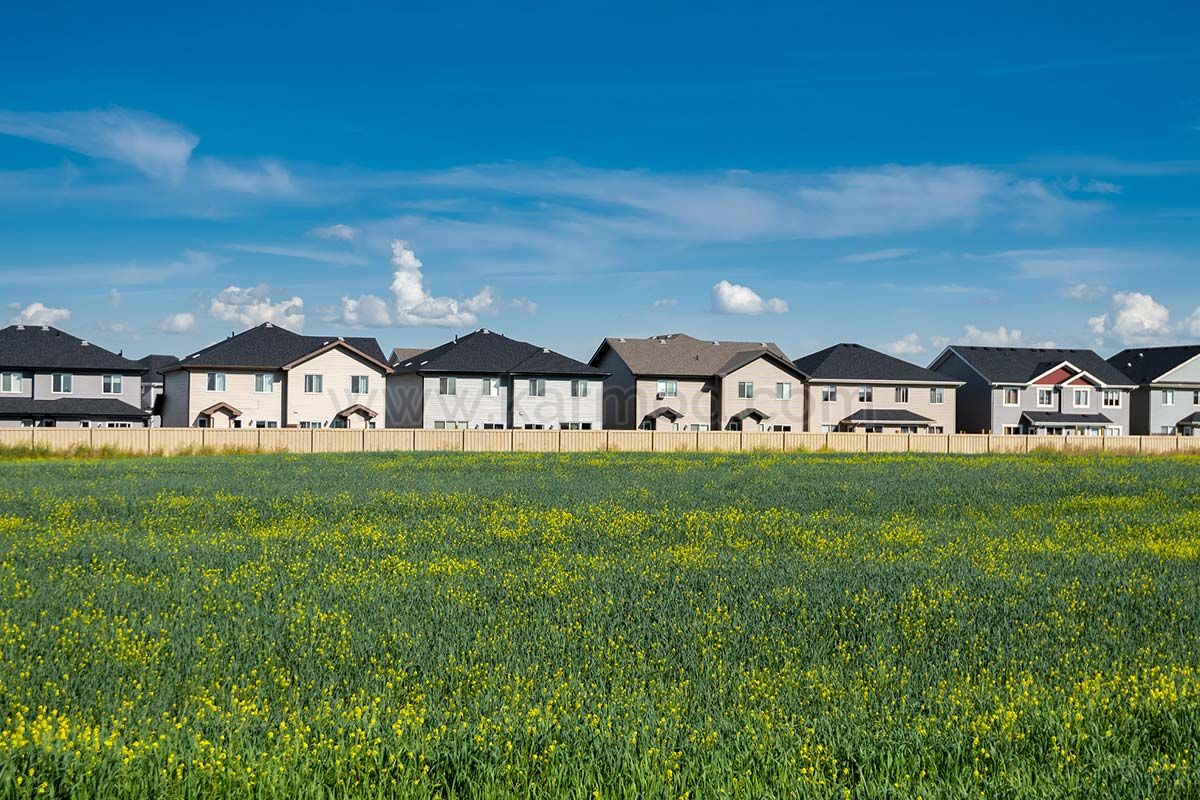
Single-family low-cost housing is designed for households that want private living space at an affordable price. These homes are often smaller than average and constructed using cost-efficient materials such as concrete blocks, modular components, or prefabricated panels.
Such housing projects are common in suburban and rural areas where land costs are lower, making it possible to provide detached houses that remain budget-friendly.
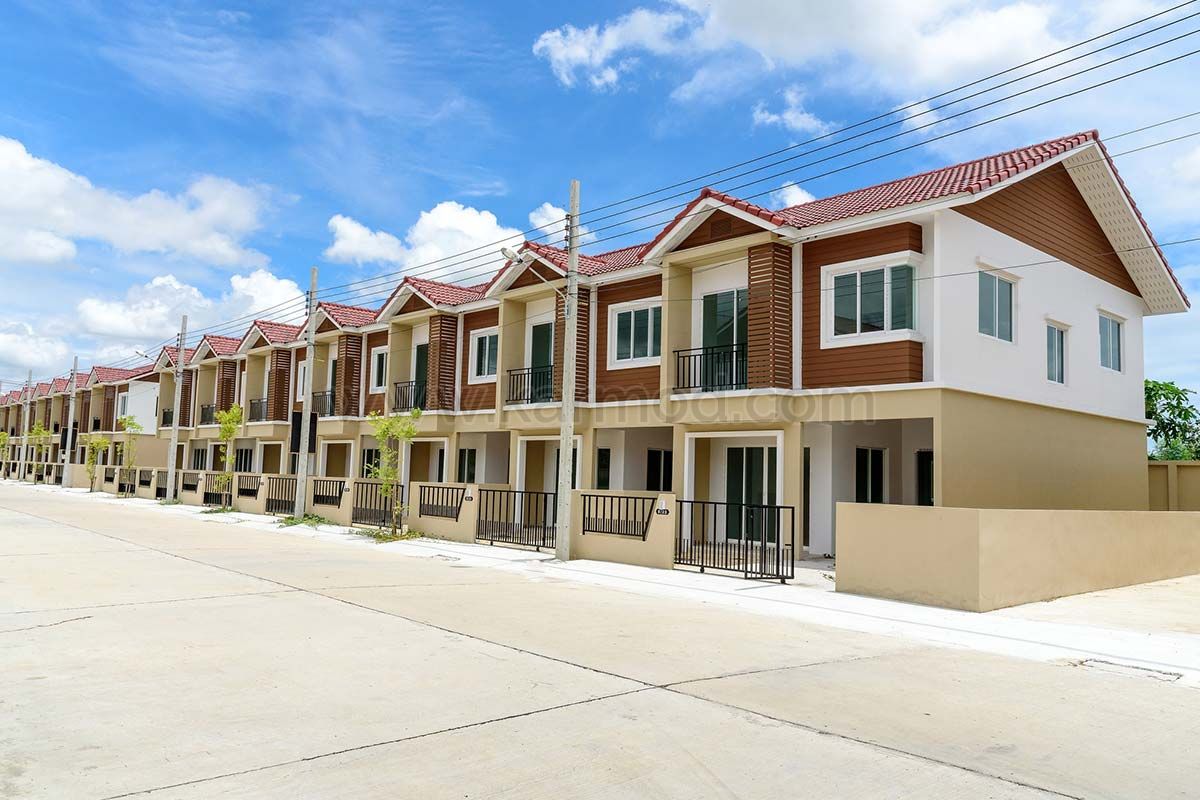
Subsidized housing refers to homes supported by government or non-profit funding to reduce rental or purchase costs. Rent is often tied to a percentage of the tenant’s income, ensuring that housing remains affordable.
This system helps vulnerable groups such as low-income families, elderly residents, and people with disabilities. Subsidized housing is essential in urban areas where property values make private housing unaffordable for many.
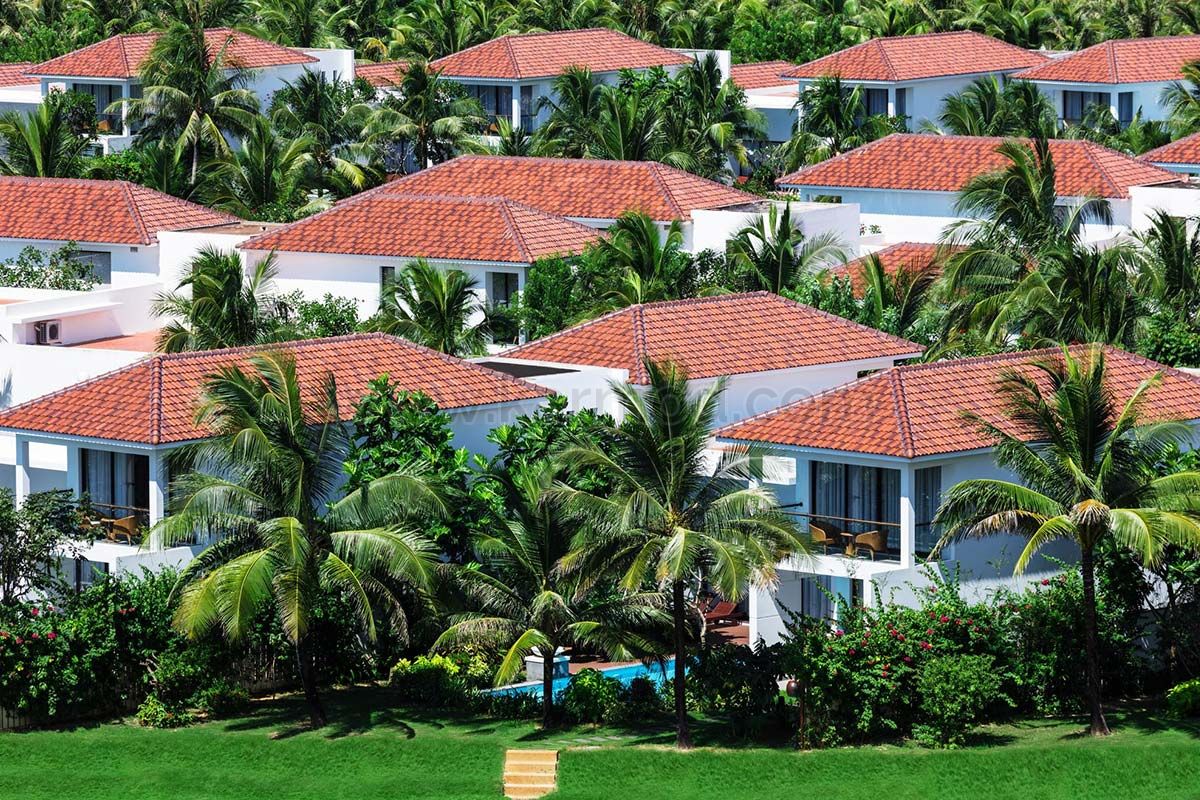
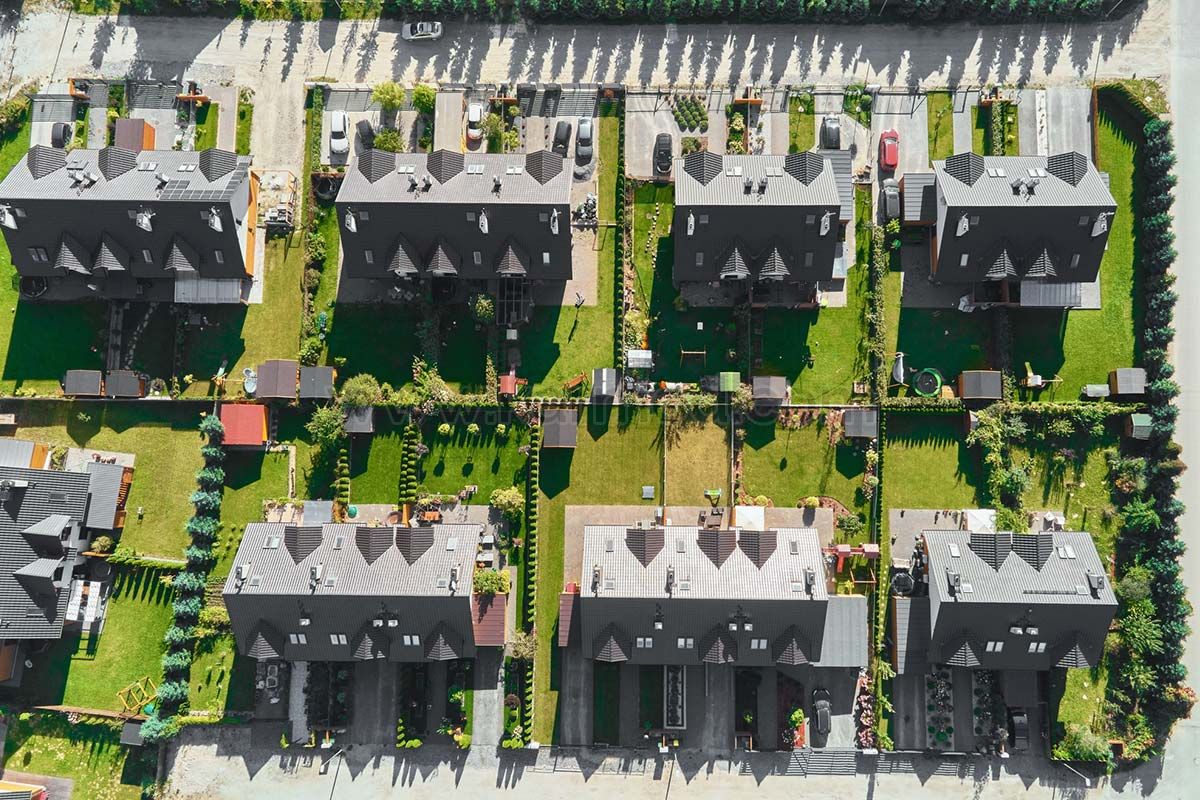
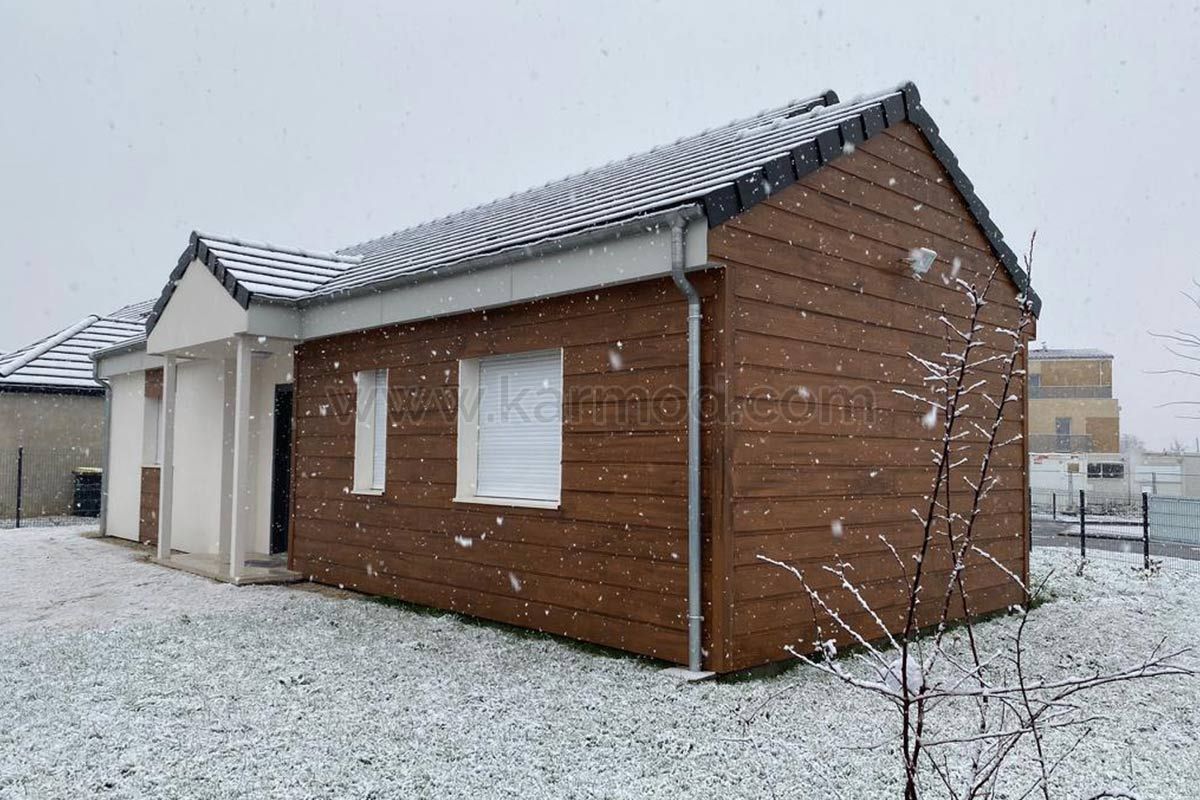
Searching for “low-cost housing near me” is one of the most common ways individuals explore local options. Many municipalities and housing authorities maintain databases of available low-cost housing units. Online platforms also connect potential tenants or buyers with housing opportunities based on location and income eligibility.
Availability varies greatly by region, but most areas with housing programs offer waiting lists, so early application is important.
Government assistance plays a central role in making low-cost housing accessible. Programs often include:
Housing vouchers that cover part of the rent
Public housing projects offering affordable apartments
Tax credit programs for developers to build affordable housing
Emergency rental assistance for those facing eviction or homelessness
These initiatives are crucial for ensuring that everyone, regardless of income, has access to safe housing.
While the terms are often used interchangeably, there is a distinction between low-income housing and affordable housing:
Low-income housing is specifically targeted toward individuals and families earning below a certain income threshold, often supported by subsidies or assistance programs.
Affordable housing is a broader category that ensures housing costs do not exceed a set percentage of a household’s income, typically around 30%. It may include housing for middle-income families as well.
Understanding this difference helps policymakers and developers design housing strategies that meet the needs of various income groups.
In order to serve you better, if you could kindly send an e-mail to info@karmod.com for questions and details about your theoretical and special architectural plans, projects, and product specifications, your request will be responded to as soon as possible.

From one end of the world to the other, we enable our customers to reach the ready-made construction sector produced with the new technology of the world. We guarantee reliability through technology and innovation, flexible commercial models and smart supply chain solutions that add value for you, following the project production network.
Discover
Karmod is one of the largest prefabricated construction companies in Turkey, with a production of 45,000 m2. produces high quality prefabs and prefab containers