EN
EN 


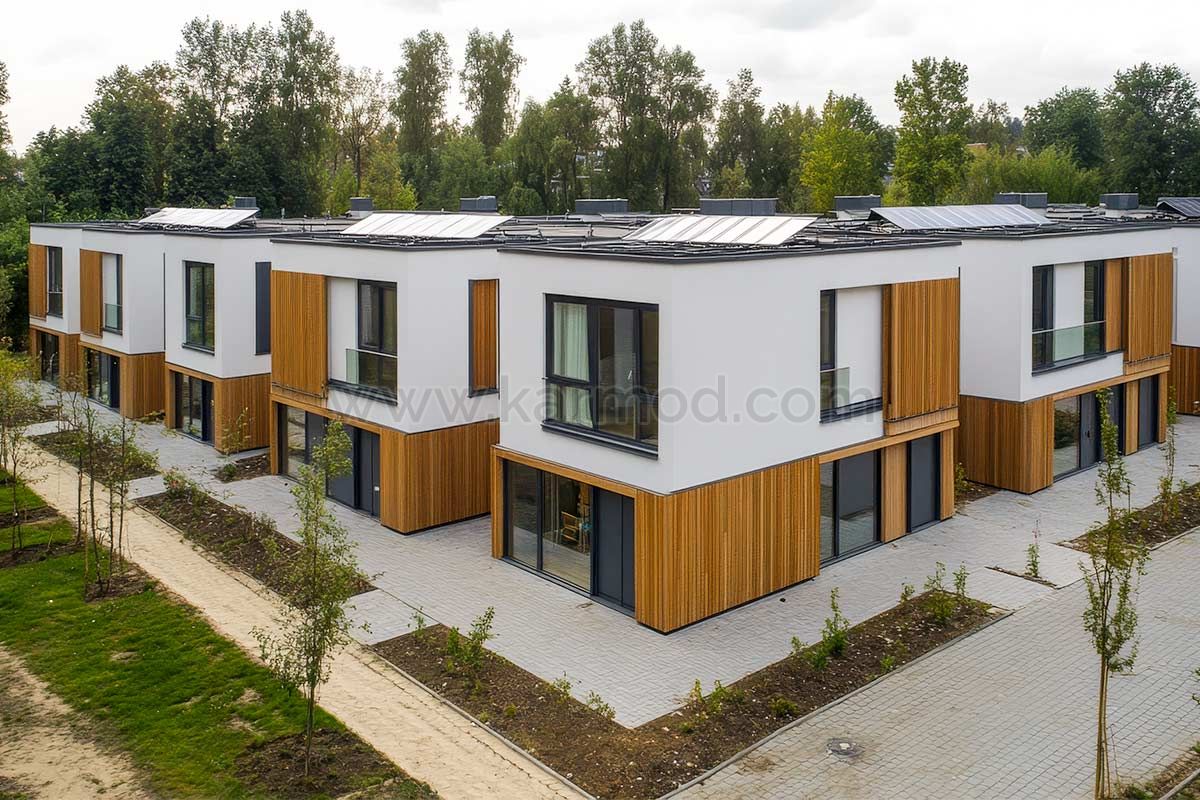
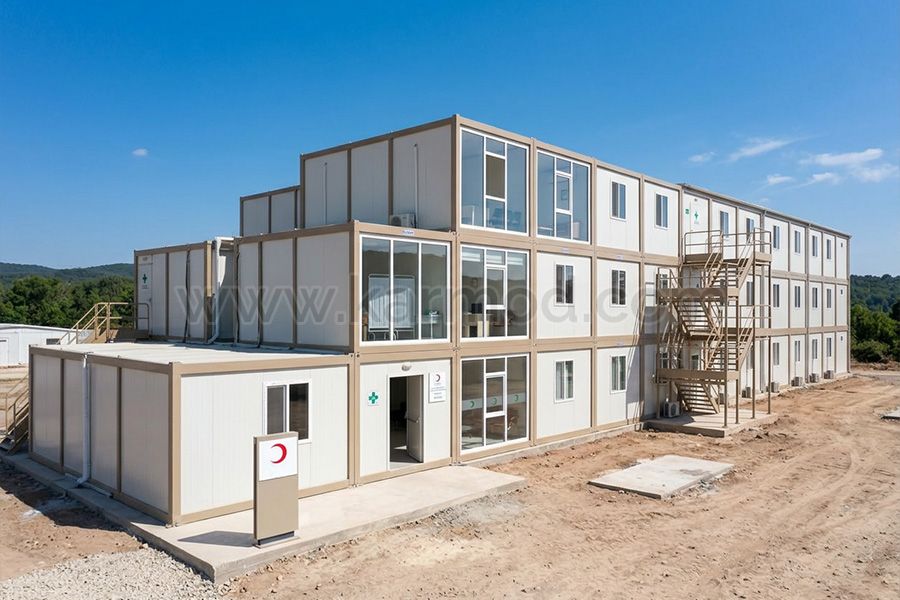
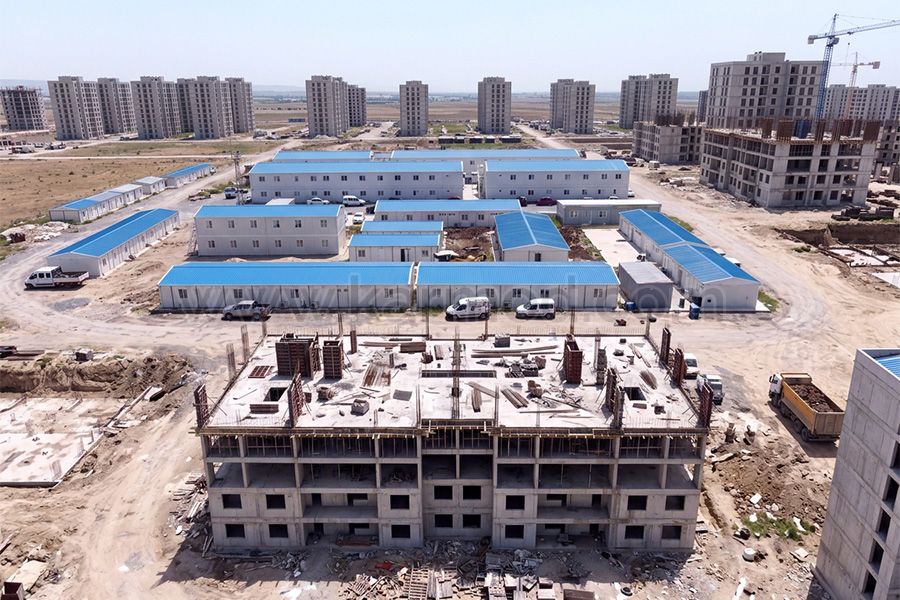
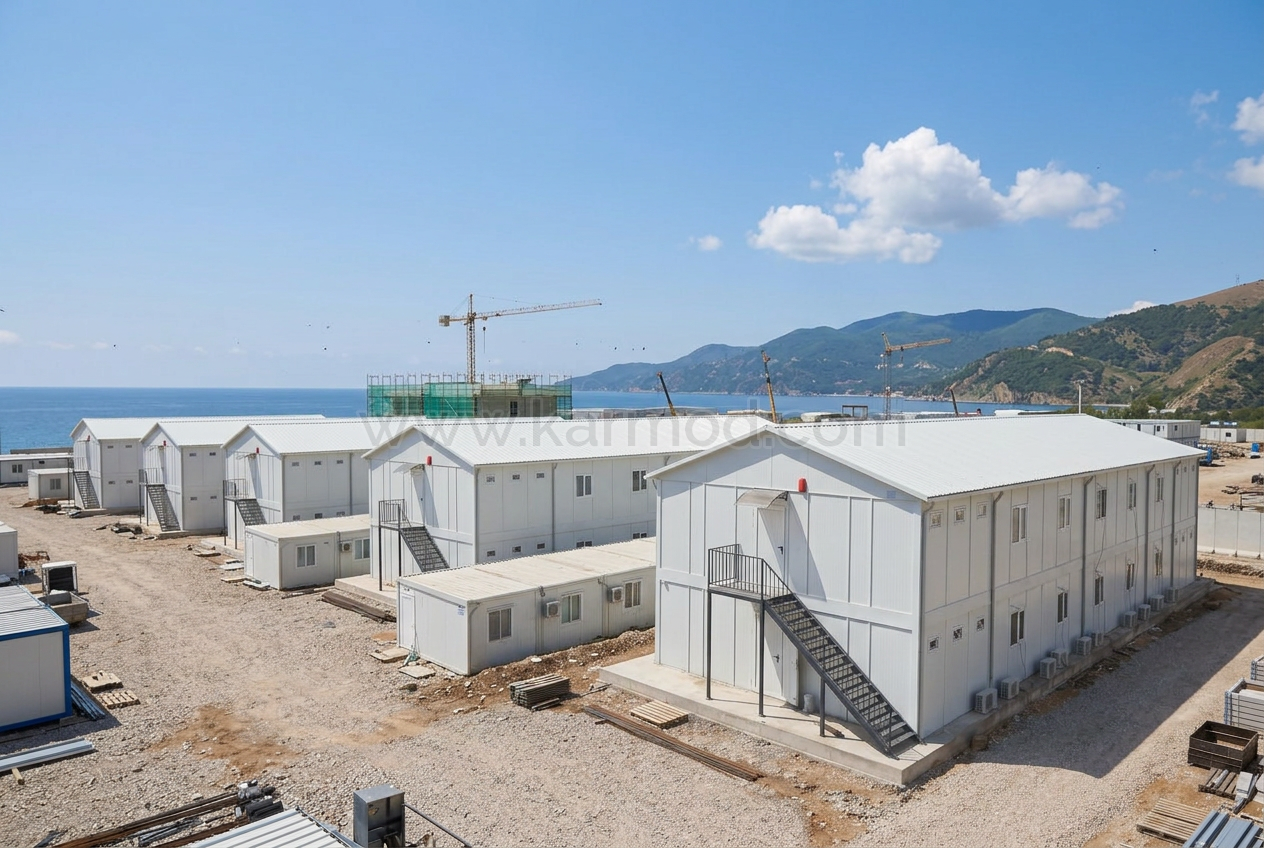
Industrialized housing is a modern method of building homes and commercial spaces by manufacturing components—such as wall panels, floor systems, and roof structures—in a controlled factory environment and then assembling them on-site. Unlike traditional construction, which relies heavily on manual labor and on-site work, industrialized housing emphasizes efficiency, precision, and sustainability. This approach is gaining global momentum as communities seek faster, more affordable, and environmentally conscious ways to meet housing demand.
Industrialized construction goes beyond simple prefabrication. It combines advanced manufacturing techniques, digital design tools, and streamlined supply chains to deliver buildings faster and with higher quality. Innovations include:
Building Information Modeling (BIM): Enables digital planning and clash detection before construction begins.
Automation and Robotics: Factories employ robotics for cutting, welding, and assembly, reducing errors and waste.
Sustainable Materials: Use of recycled steel, engineered wood, and energy-efficient components reduces environmental impact.
Lean Construction Methods: Optimized workflows minimize downtime, delays, and excess costs.
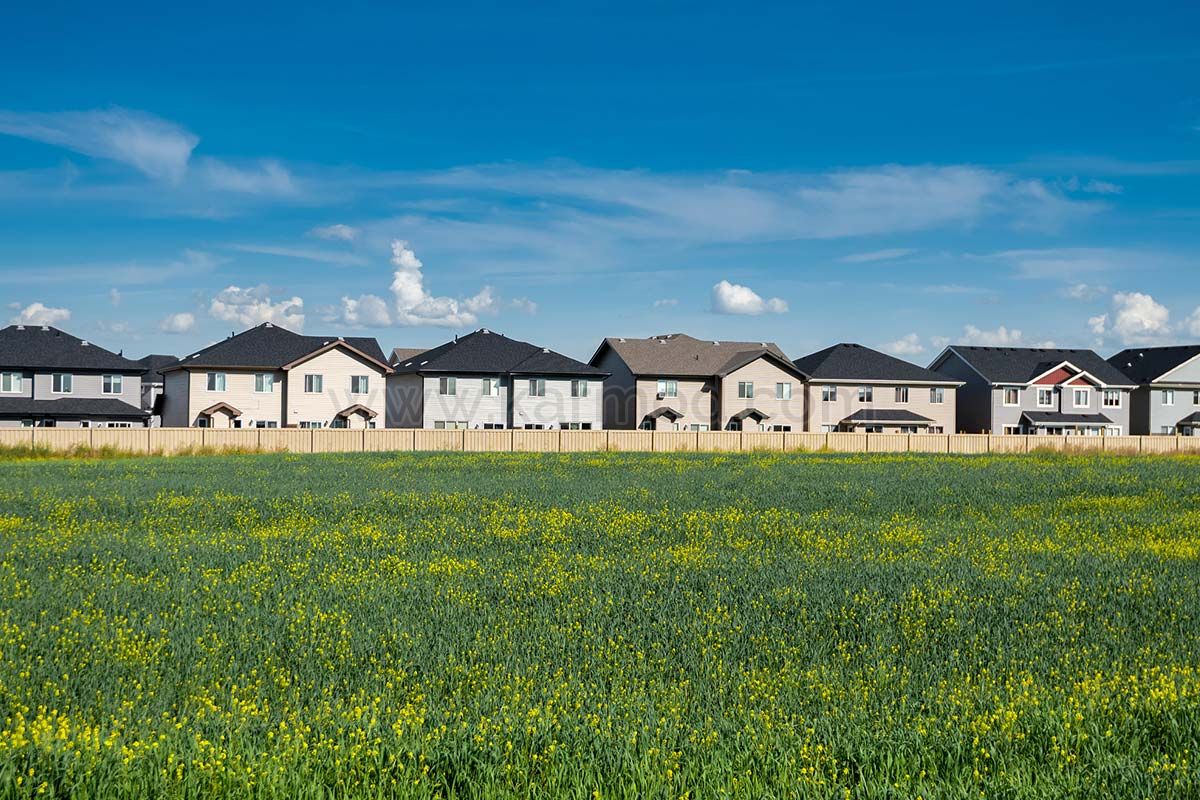
Industrialized housing is often compared with manufactured homes, but there are key differences:
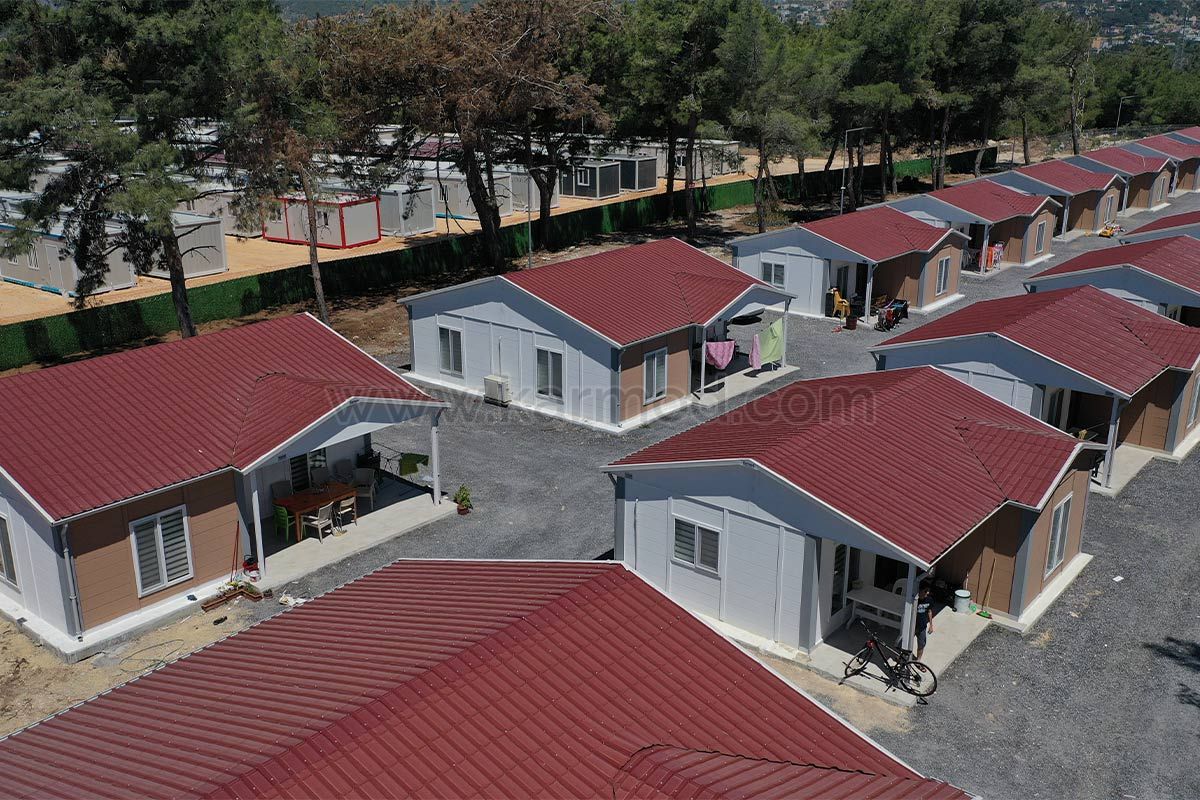
Industrialized Homes are built in modules or panels in factories, transported to the site, and assembled on permanent foundations. They must comply with the same building codes as site-built homes.
Manufactured Homes (mobile homes) are built almost entirely in a factory on a permanent chassis, regulated by federal HUD codes (in the U.S.), and can be relocated.
Industrialized homes usually offer greater durability, customization options, and better energy efficiency than manufactured housing.
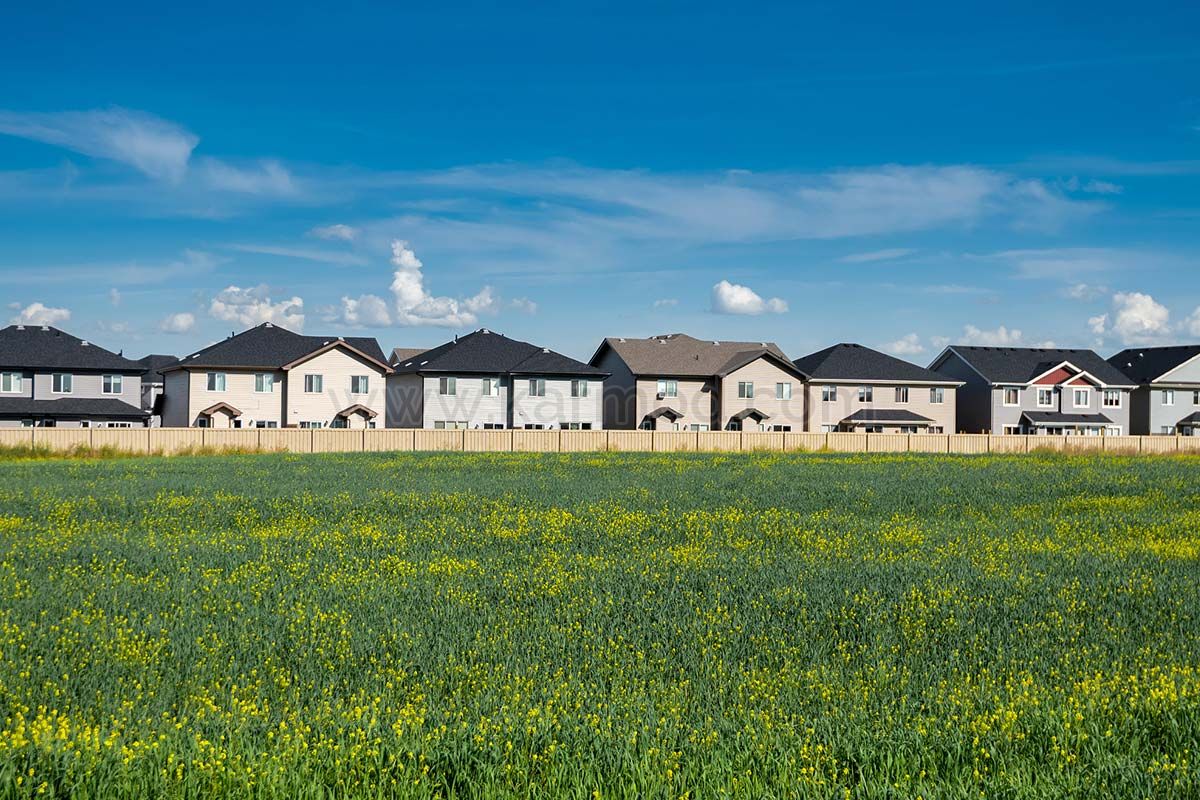
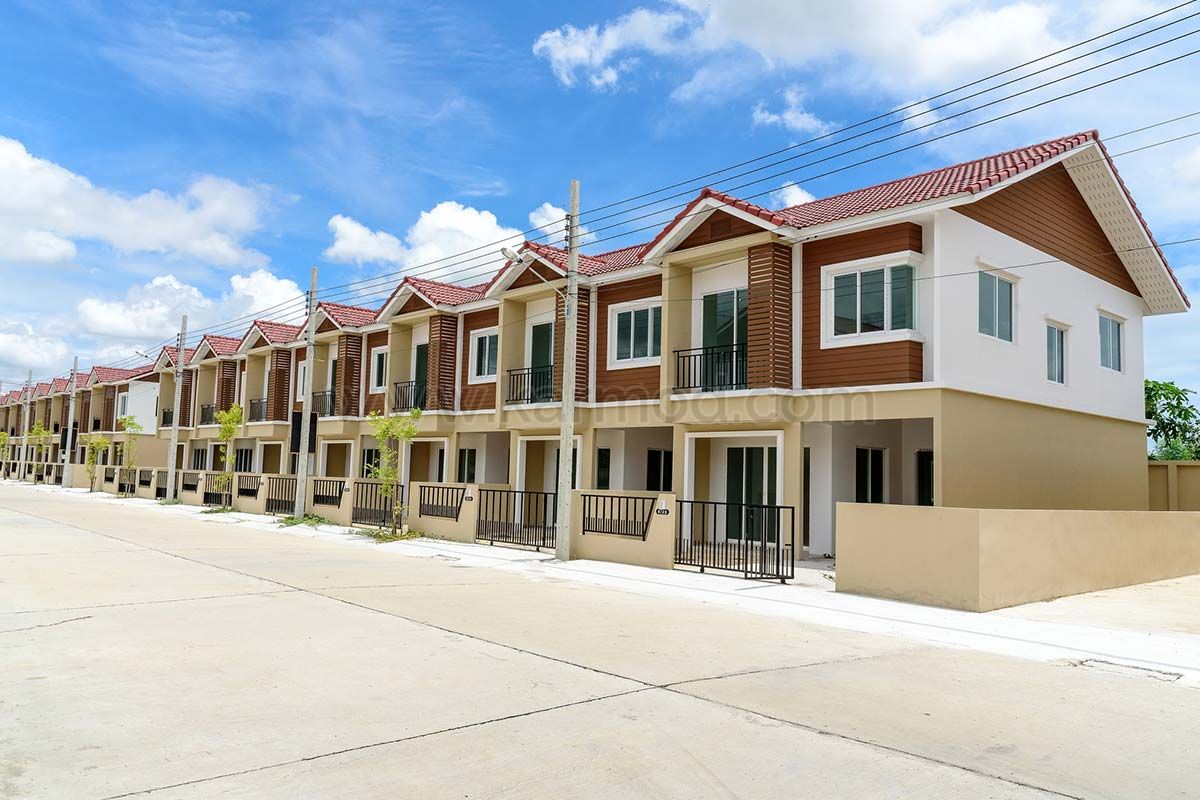
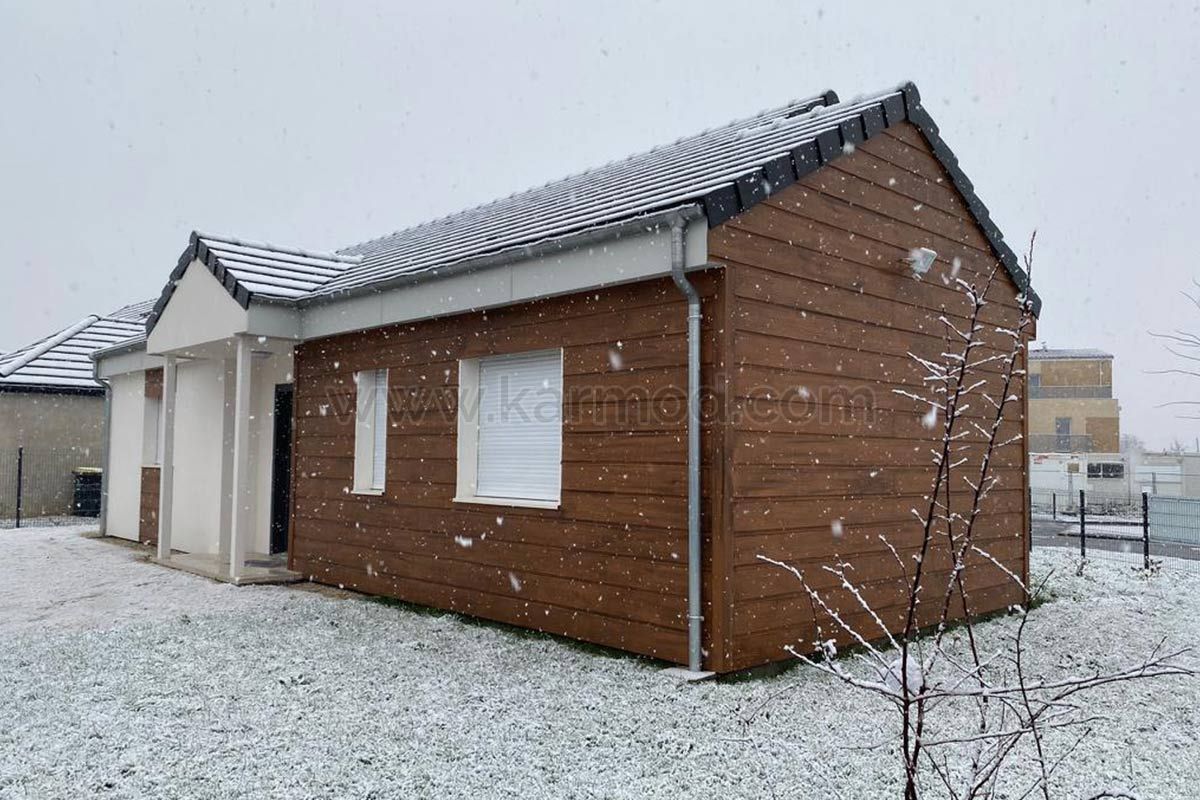
The Industrialized Housing Summit is a growing event that brings together builders, manufacturers, architects, policymakers, and investors to discuss the future of factory-built housing. Topics often include:
Emerging technologies in modular and prefabricated construction
Policies that support housing affordability and sustainability
Financing models for industrialized housing projects
Case studies of successful developments
These events serve as hubs for collaboration and innovation, helping the industry scale and meet housing demand.
Modular homes are one of the most popular forms of industrialized housing. Built in sections (modules) within a factory, they are transported to the site and assembled like building blocks. Key benefits include:
Faster build times, often reducing construction schedules by 30–50%
Consistent quality control due to factory production
Lower material waste compared to traditional methods
Flexibility in design, from single-family houses to multi-story apartment complexes
Industrialized housing manufacturers specialize in producing prefabricated components or complete modular units. These companies often use assembly-line methods similar to the automotive industry, allowing them to build at scale. Many manufacturers offer:
Customizable home designs
Integrated mechanical, electrical, and plumbing systems
Energy-efficient insulation and windows
Turnkey solutions, including delivery and on-site installation
Major companies in this sector focus on residential communities, commercial offices, healthcare facilities, and even educational buildings.
For those interested in a more hands-on approach, industrialized housing kits are available for self-assembly or contractor installation. Prices vary widely based on size, design, and materials:
Small modular cabins (20–40 m²): Starting from around $20,000–$40,000
Medium-sized homes (70–120 m²): Ranging between $70,000–150,000
Larger family homes (150 m²+): Can exceed $200,000, but still often cost less than traditional construction on a per-square-meter basis
Factors such as finishes, customization, transportation, and local labor costs significantly influence the final price.
Industrialized housing is part of a larger industrialized building system (IBS) movement that includes commercial, institutional, and industrial facilities. The same off-site manufacturing principles are applied to:
Office buildings for rapid business expansion
Hospitals and clinics where speed is crucial for community health
Educational facilities like classrooms and dormitories
Warehouses and factories for quick, cost-effective setup
By standardizing and prefabricating components, the construction industry can deliver safer, greener, and more affordable spaces at scale.
In order to serve you better, if you could kindly send an e-mail to info@karmod.com for questions and details about your theoretical and special architectural plans, projects, and product specifications, your request will be responded to as soon as possible.

From one end of the world to the other, we enable our customers to reach the ready-made construction sector produced with the new technology of the world. We guarantee reliability through technology and innovation, flexible commercial models and smart supply chain solutions that add value for you, following the project production network.
Discover
Karmod is one of the largest prefabricated construction companies in Turkey, with a production of 45,000 m2. produces high quality prefabs and prefab containers