EN
EN 


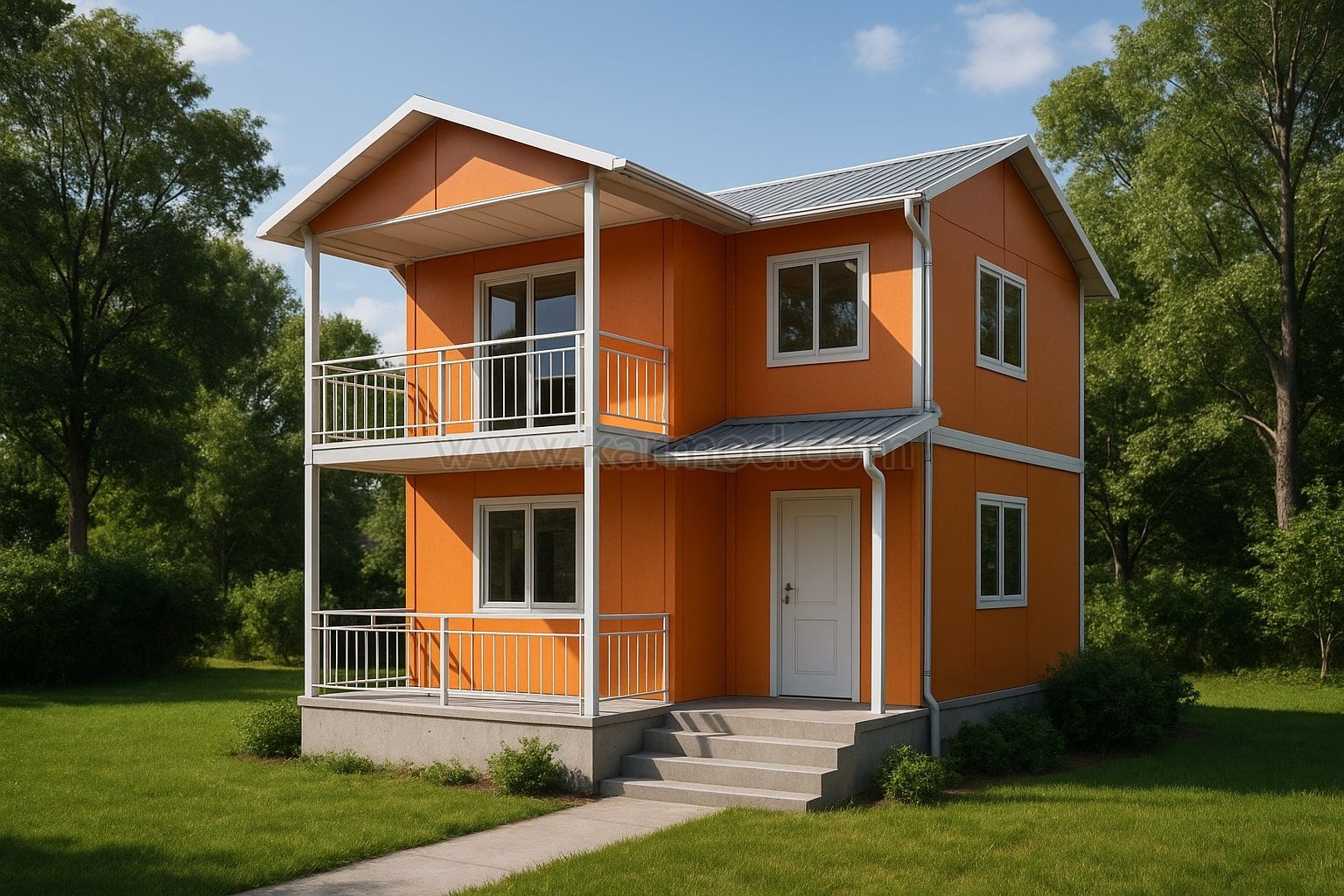
Affordable housing refers to housing that is priced so that low- to middle-income households can live without spending more than around 30% of their income on housing costs, including rent or mortgage and utilities. It is a key factor in ensuring economic stability, reducing homelessness, and creating inclusive communities. Affordable housing can take the form of rental apartments, single-family homes, or subsidized developments.
Governments, non-profits, and private developers all play a role in creating and maintaining affordable housing, using tools like subsidies, tax credits, and innovative financing models.
One of the fastest-growing areas of affordable housing is for senior citizens. Aging populations in many countries require safe, accessible, and affordable living arrangements. Affordable housing communities for seniors often include supportive services like healthcare access, social programs, and mobility-friendly designs.
These communities not only provide shelter but also foster a sense of belonging and reduce social isolation. By combining affordability with senior-focused design, such housing allows older adults to age with dignity and independence.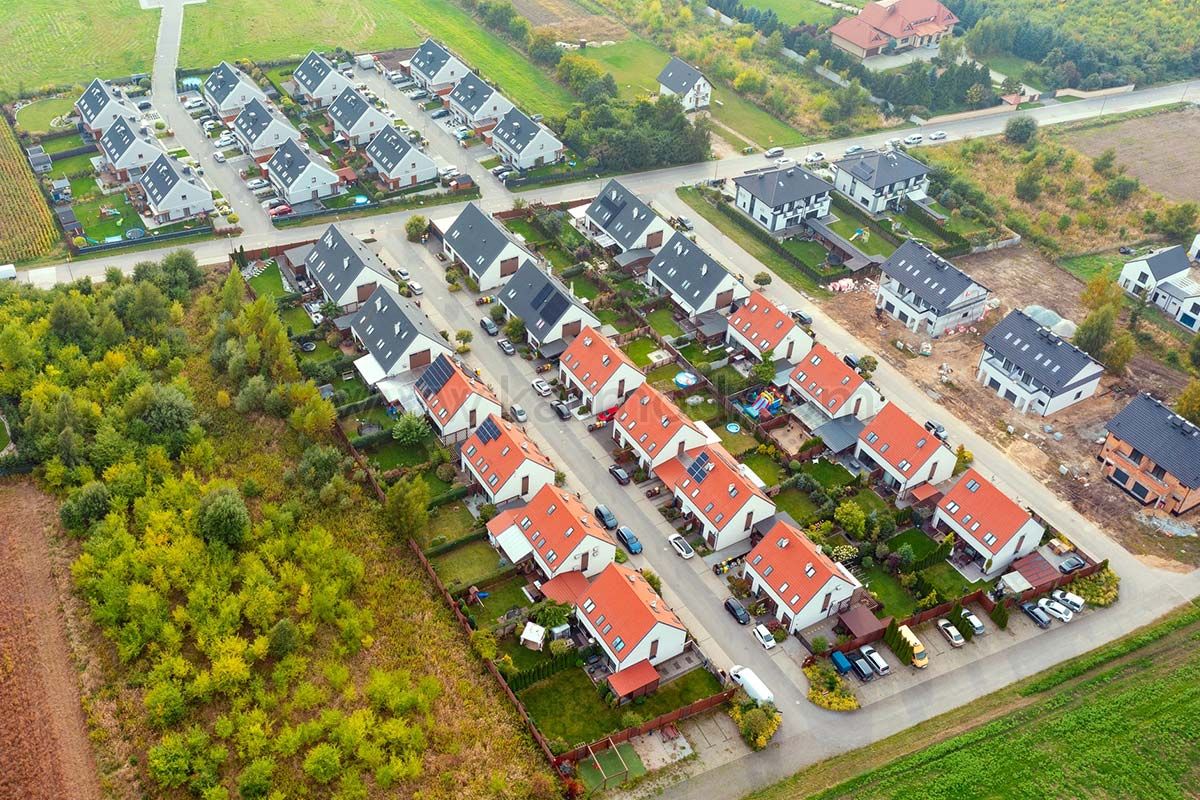
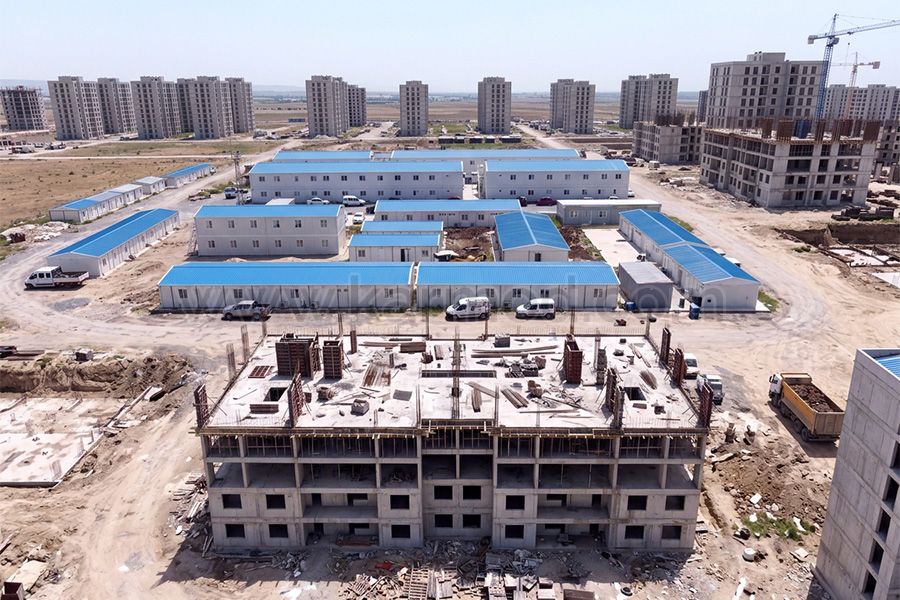
Affordable housing development involves planning, designing, financing, and constructing homes that meet the needs of low- and middle-income households. Developers often work in partnership with governments to access subsidies, land, or favorable financing.
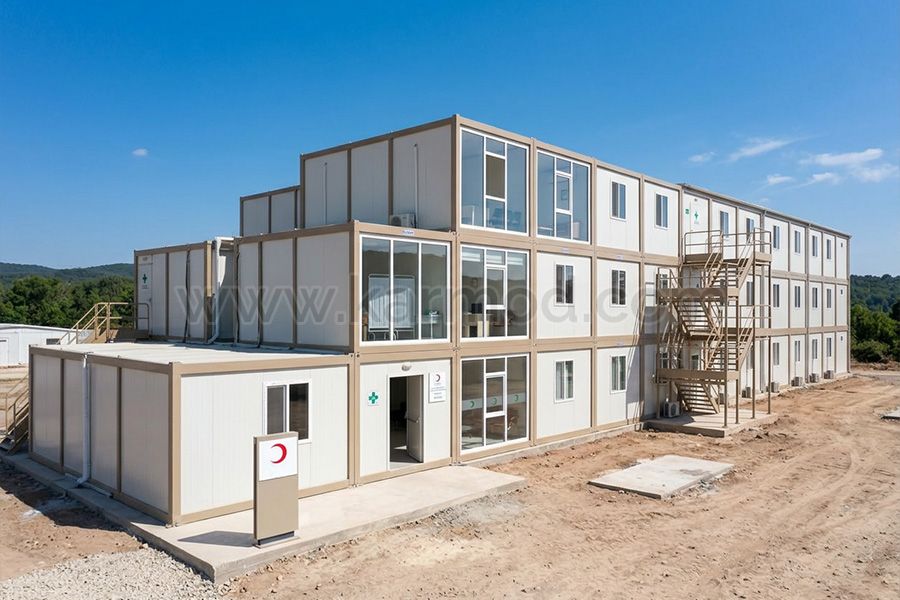
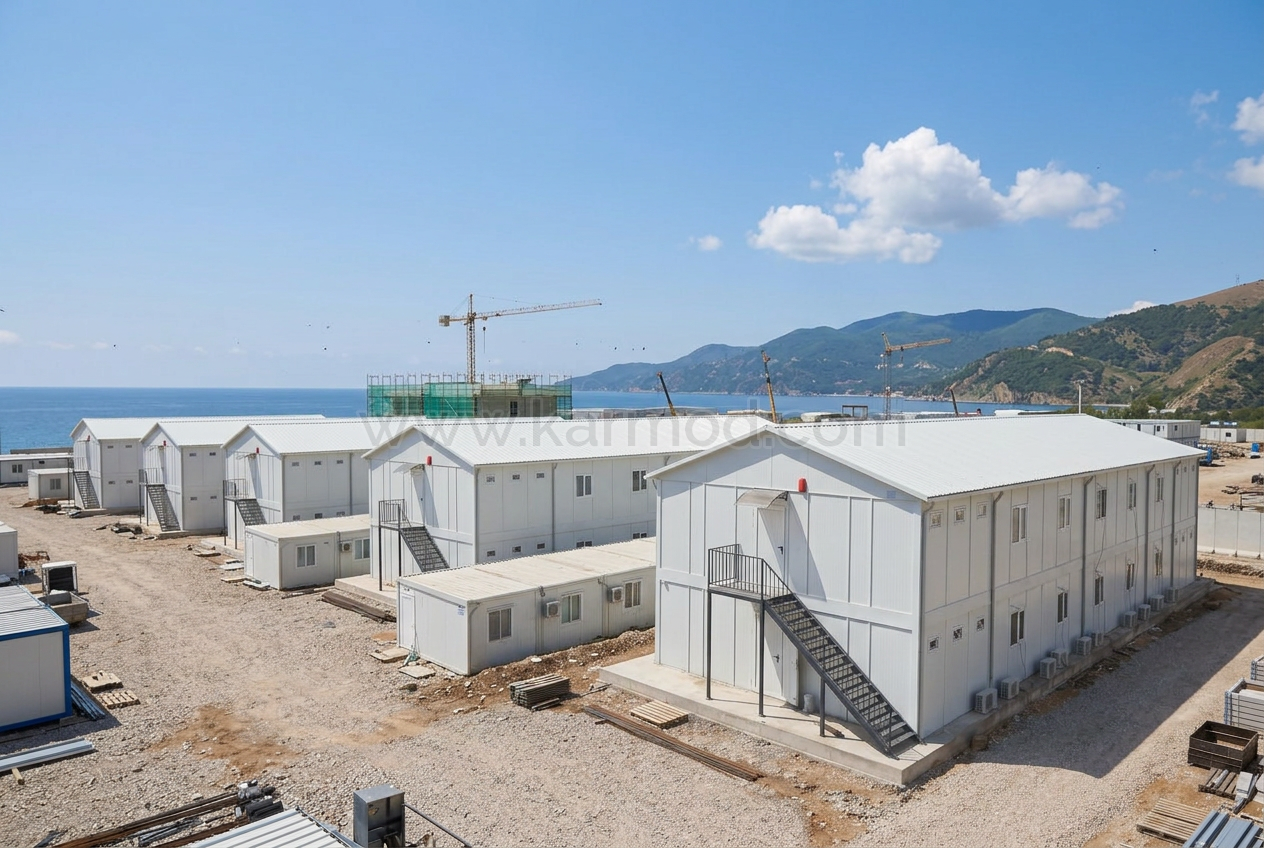
Modern development strategies include modular construction, green building materials, and mixed-income communities, ensuring affordability while maintaining quality and sustainability.


Searching for “low-income affordable housing near me” is common for individuals looking for local housing opportunities. Many municipalities, housing authorities, and non-profits provide listings of available affordable units.
Options often include subsidized rental apartments, cooperative housing, or public-private housing developments. Eligibility is typically based on income levels, with priority given to families, seniors, and people with disabilities.
Sustainable affordable housing combines affordability with eco-friendly design and materials. Features like energy-efficient appliances, solar panels, rainwater harvesting, and proper insulation lower utility costs while reducing environmental impact.
By lowering long-term operating costs, sustainable housing not only supports the environment but also makes housing more affordable for tenants and homeowners.
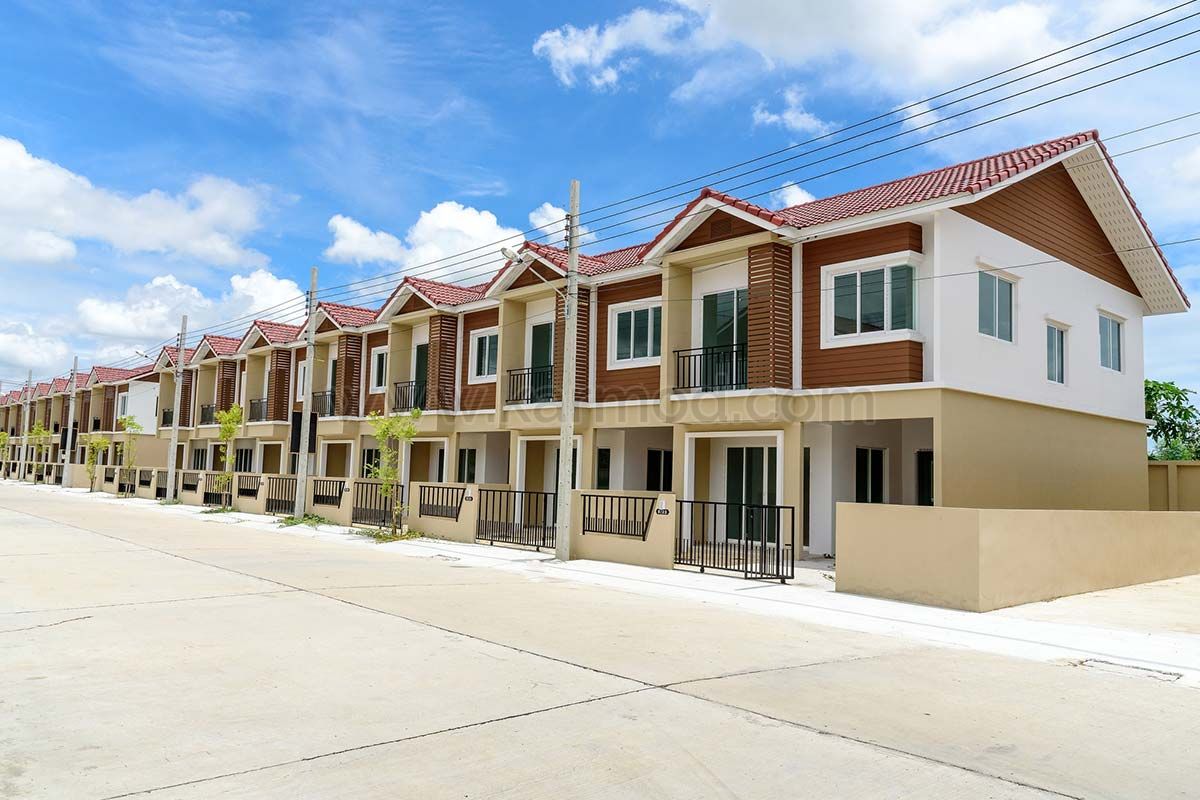
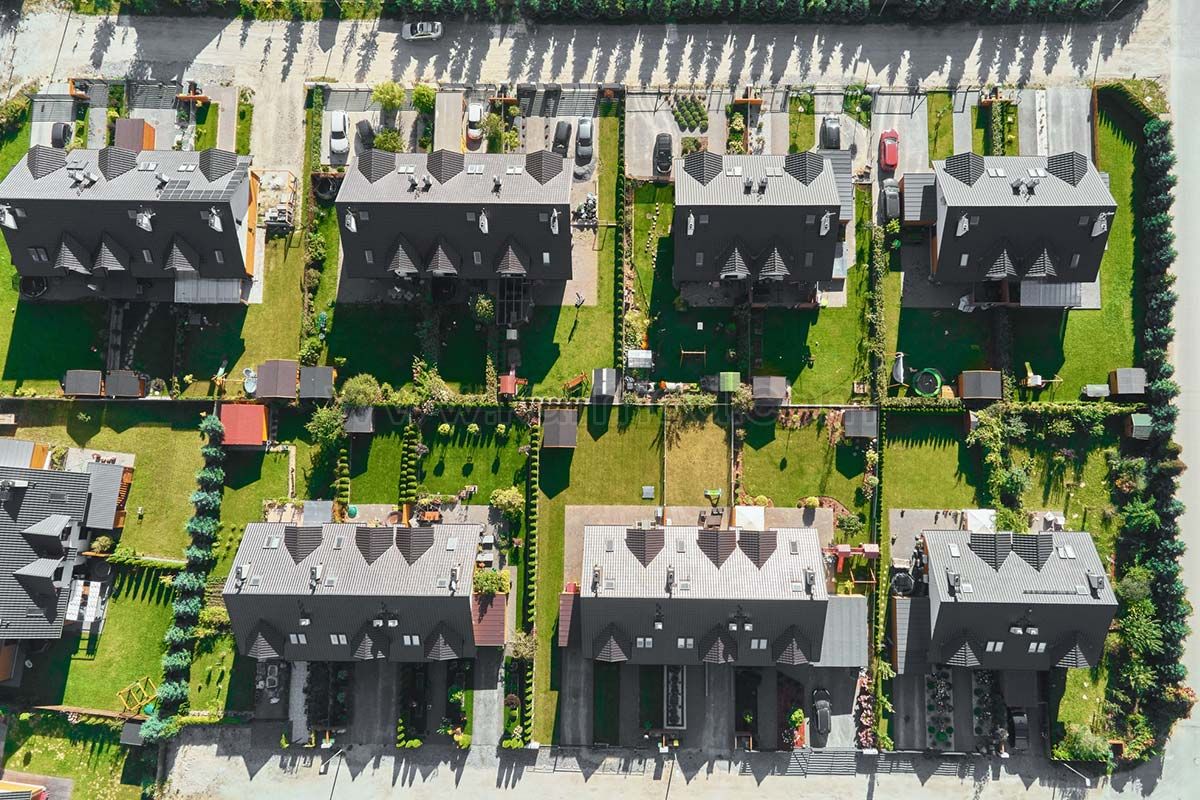
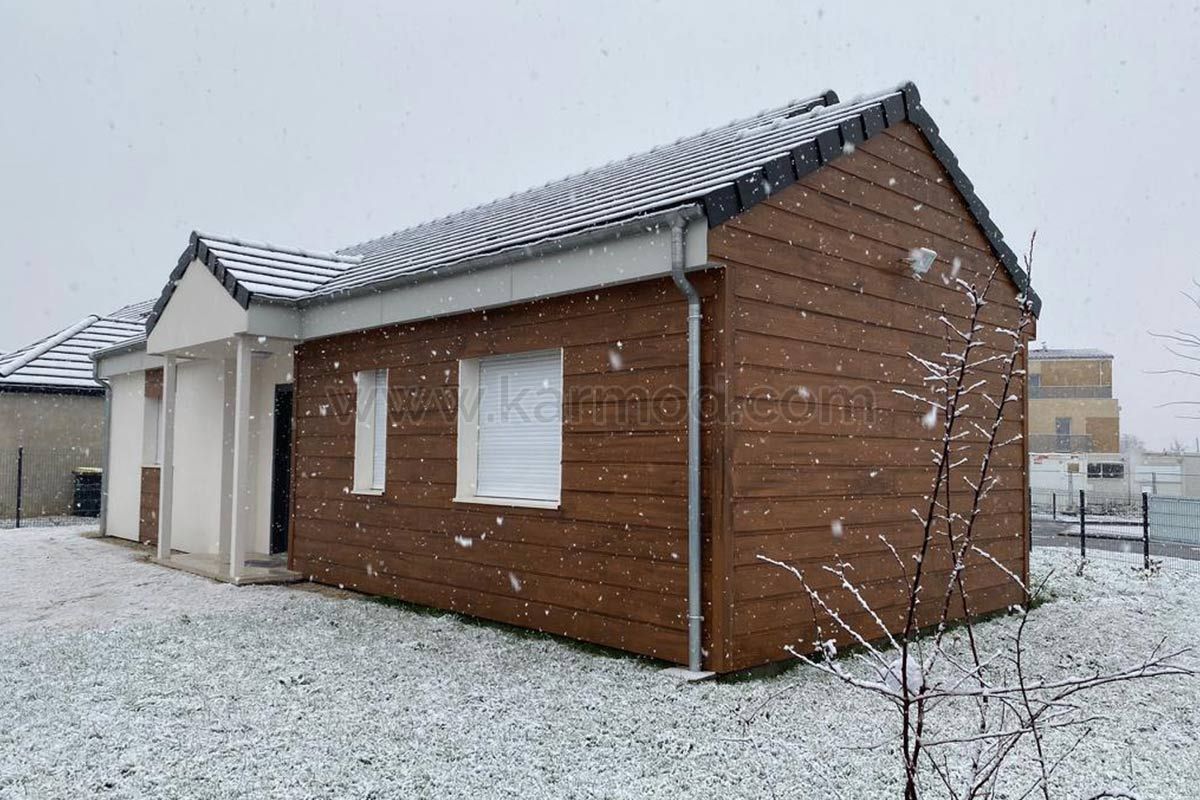
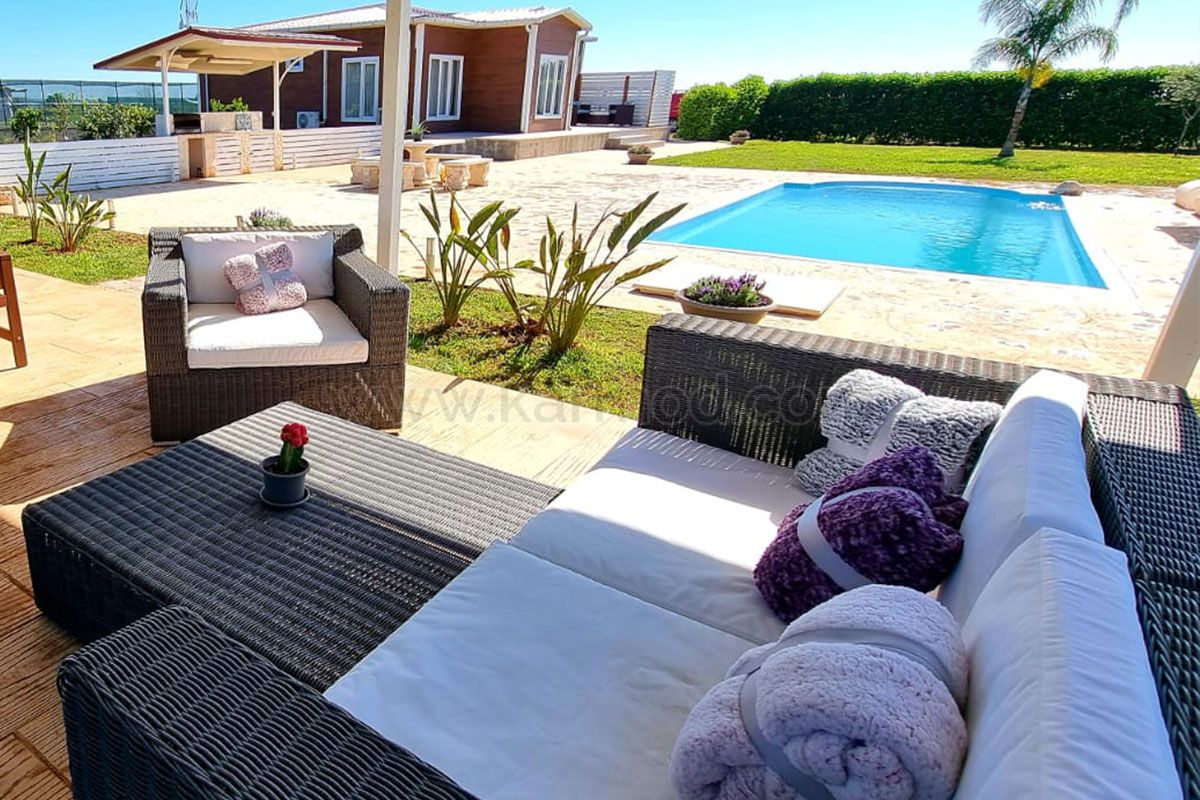
Apartment complexes are one of the most common forms of affordable housing. These developments may include subsidized units, rent-controlled apartments, or mixed-income buildings where higher rents help support lower-cost units.
Affordable apartments ensure that individuals and families can live in urban areas close to jobs, schools, and healthcare, rather than being pushed to distant suburbs with fewer opportunities.
The largest housing project in the world is Orangi Town in Karachi, Pakistan, often referred to as one of the biggest low-cost housing settlements. Originally a squatter settlement, it has grown into a community of over 2.5 million people.
Other massive projects worldwide include China’s large-scale affordable apartment developments and India’s ambitious housing-for-all initiatives. These examples show the scale at which affordable housing must sometimes be delivered to meet demand.
Single-family affordable housing programs are designed for families who wish to own their homes rather than rent. These programs often include government-backed mortgages, down payment assistance, and tax incentives.
Such programs are crucial for helping low- and middle-income families build generational wealth, achieve stability, and gain a long-term financial foundation through homeownership.
The terms social housing and public housing are often used interchangeably, but there are differences:
Social housing is a broad category that includes homes managed by non-profits, housing associations, and government agencies, designed for low- and moderate-income groups.
Public housing refers specifically to housing owned and operated by government authorities, usually targeting the lowest-income households.
Both models aim to provide affordable, secure housing, but social housing tends to be broader and more community-focused, while public housing is often more limited in scope and funding.
In order to serve you better, if you could kindly send an e-mail to info@karmod.com for questions and details about your theoretical and special architectural plans, projects, and product specifications, your request will be responded to as soon as possible.

From one end of the world to the other, we enable our customers to reach the ready-made construction sector produced with the new technology of the world. We guarantee reliability through technology and innovation, flexible commercial models and smart supply chain solutions that add value for you, following the project production network.
Discover
Karmod is one of the largest prefabricated construction companies in Turkey, with a production of 45,000 m2. produces high quality prefabs and prefab containers