EN
EN 


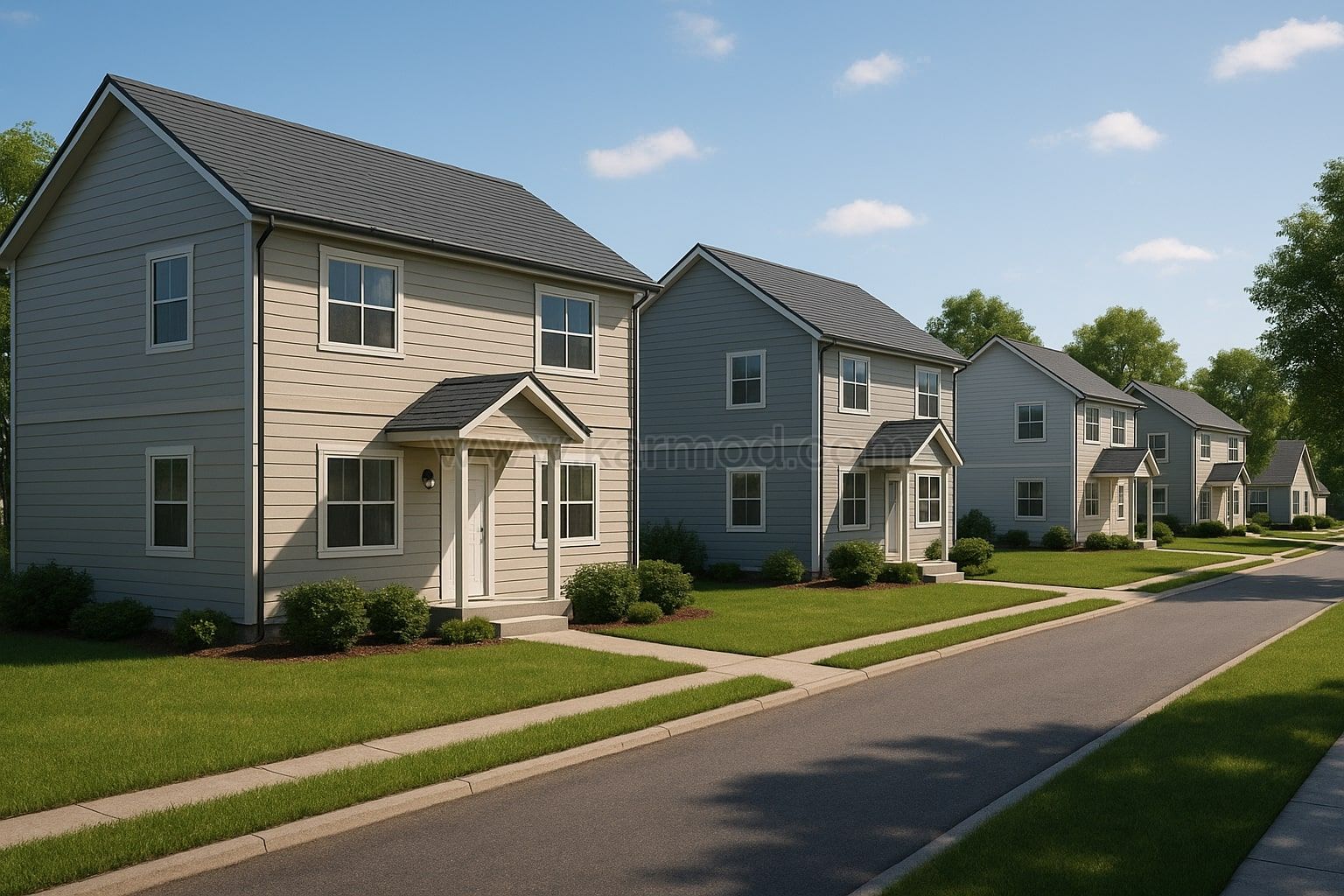
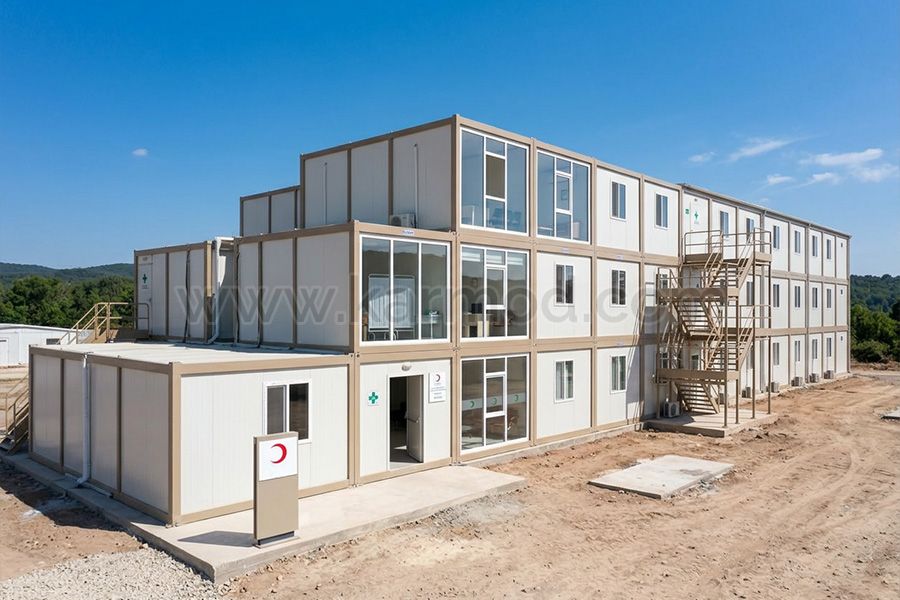
A modular home is a type of prefabricated house that is built in sections, or “modules,” inside a controlled factory environment. These modules are then transported to the building site and assembled on a permanent foundation. Unlike mobile or manufactured homes, modular homes must comply with the same local and national building codes as traditional site-built houses.
This construction method offers faster build times, cost savings, and improved quality control, making modular homes increasingly popular across the world.
The cost of a modular home depends on size, design, location, and chosen finishes. On average, a modular home in the United States can cost between $80,000 and $200,000, excluding land. Smaller, simpler designs are often available for less, while custom luxury modular homes can exceed $500,000.
Overall, modular homes tend to be 10–20% more affordable than traditional site-built homes, thanks to efficient factory production, reduced labor, and faster assembly.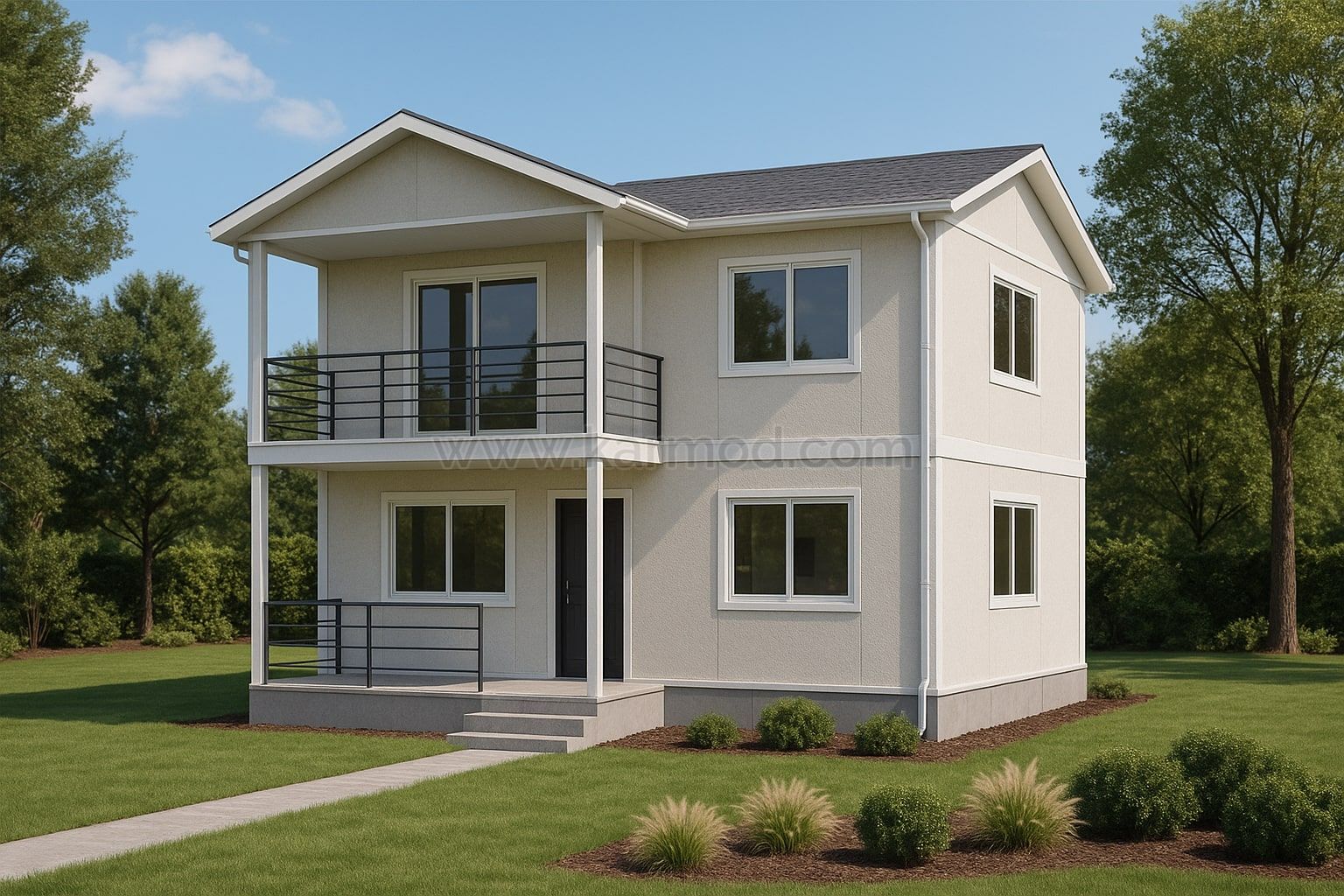
While both modular and manufactured homes are built off-site, there are key differences:
Modular Homes are built in sections (modules) and assembled on a permanent foundation. They comply with the same building codes as traditional homes and are considered real property once placed.
Manufactured Homes (formerly known as mobile homes) are built on a permanent steel chassis and follow federal HUD building codes. They may be placed on leased land and can be moved.
In short, modular homes are closer in quality and value to traditional houses, while manufactured homes are generally less expensive but may depreciate over time.
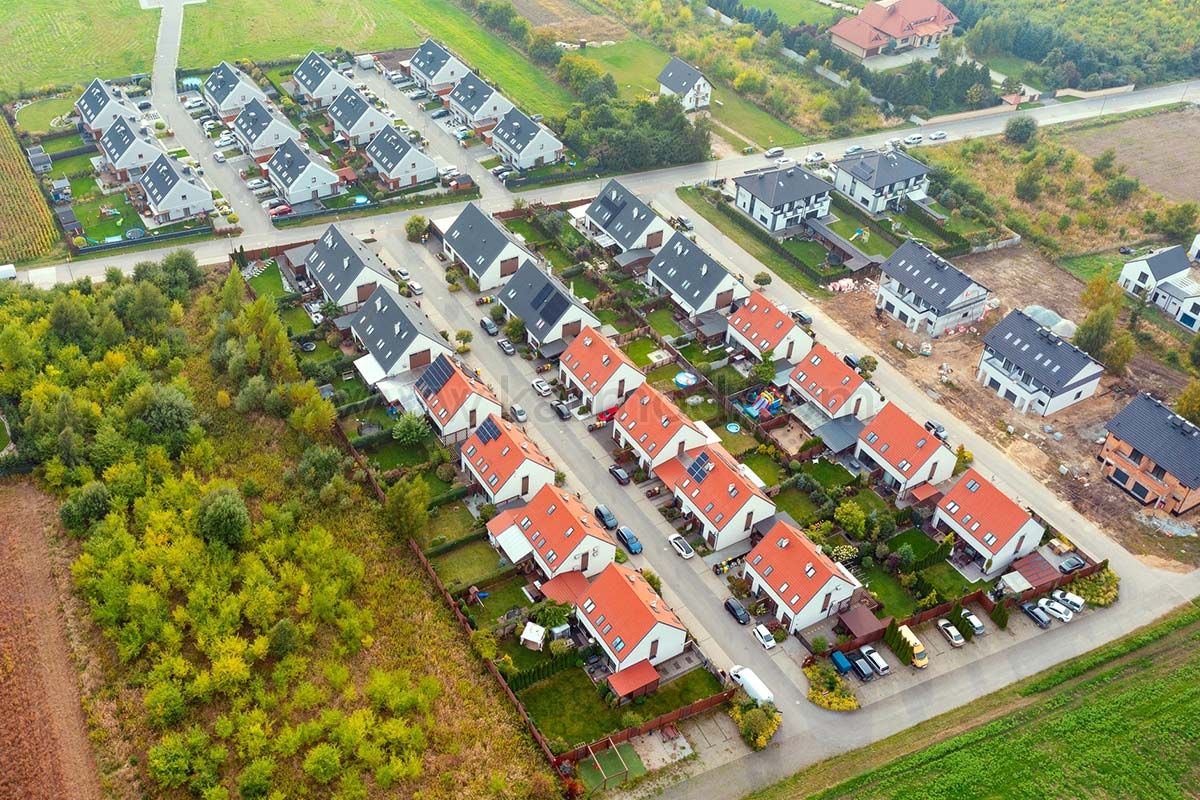
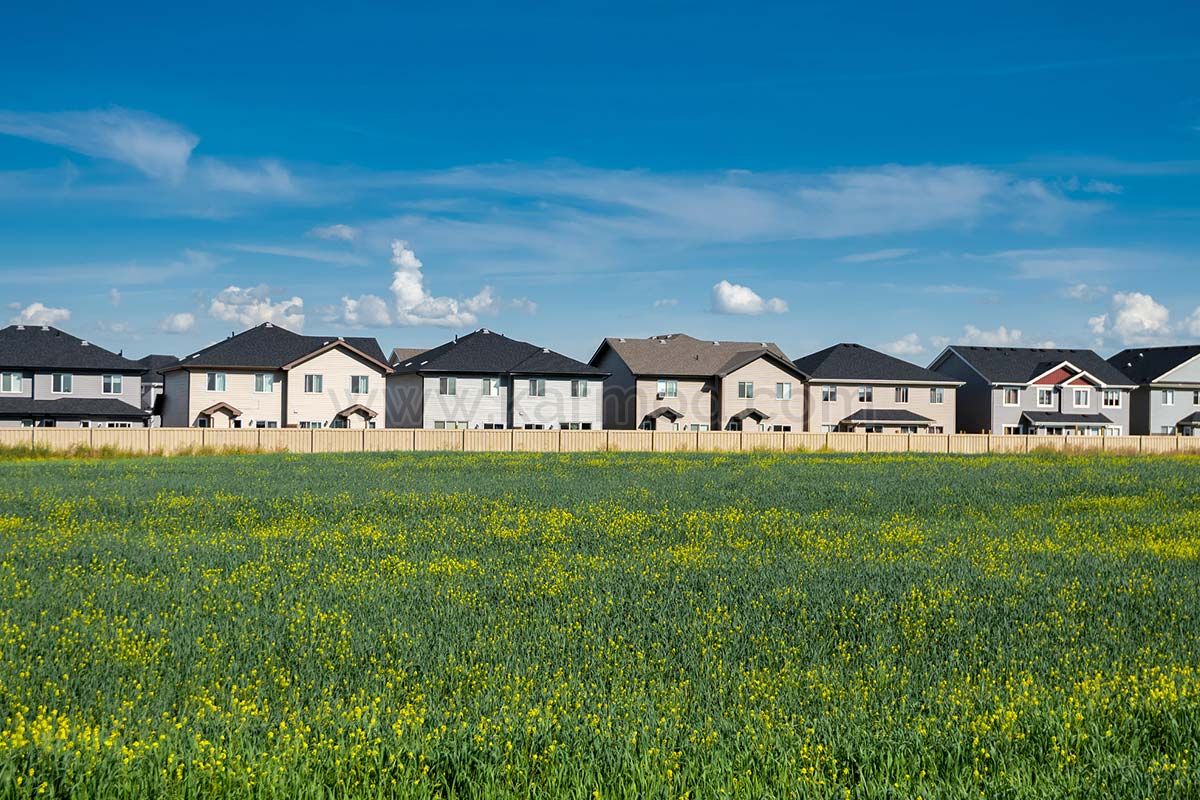
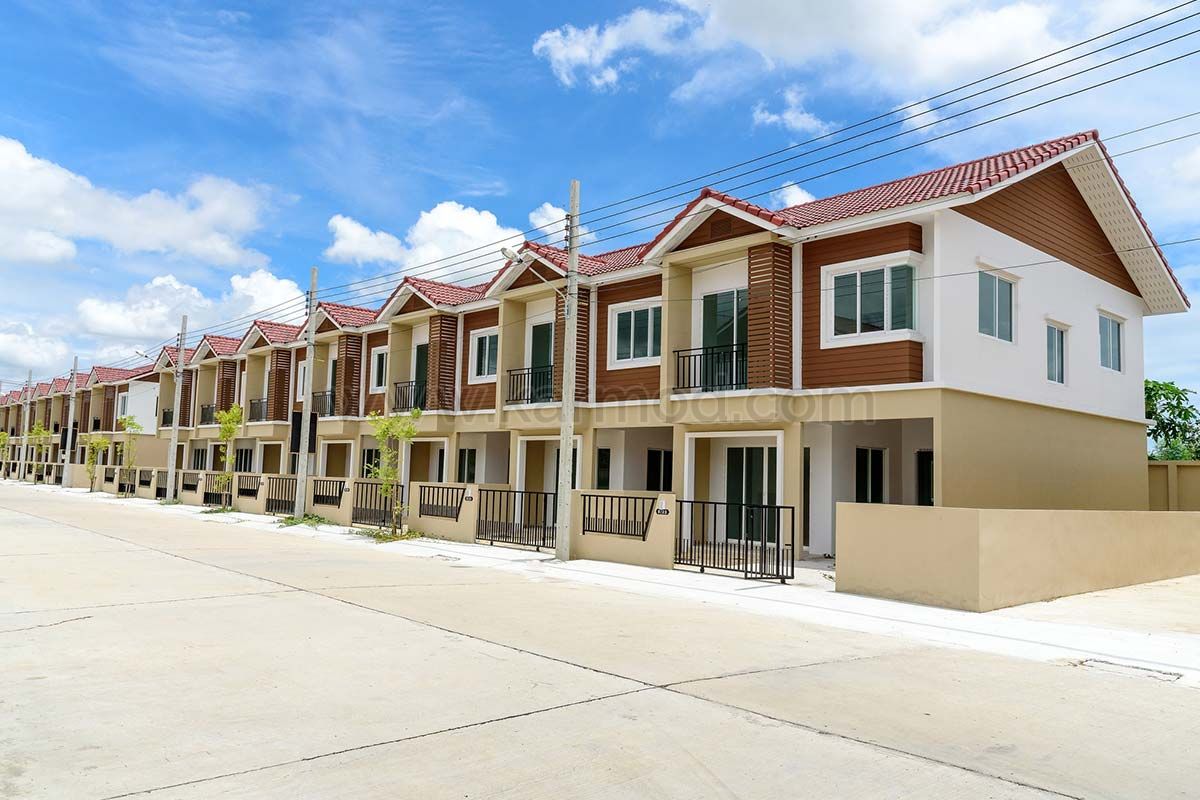
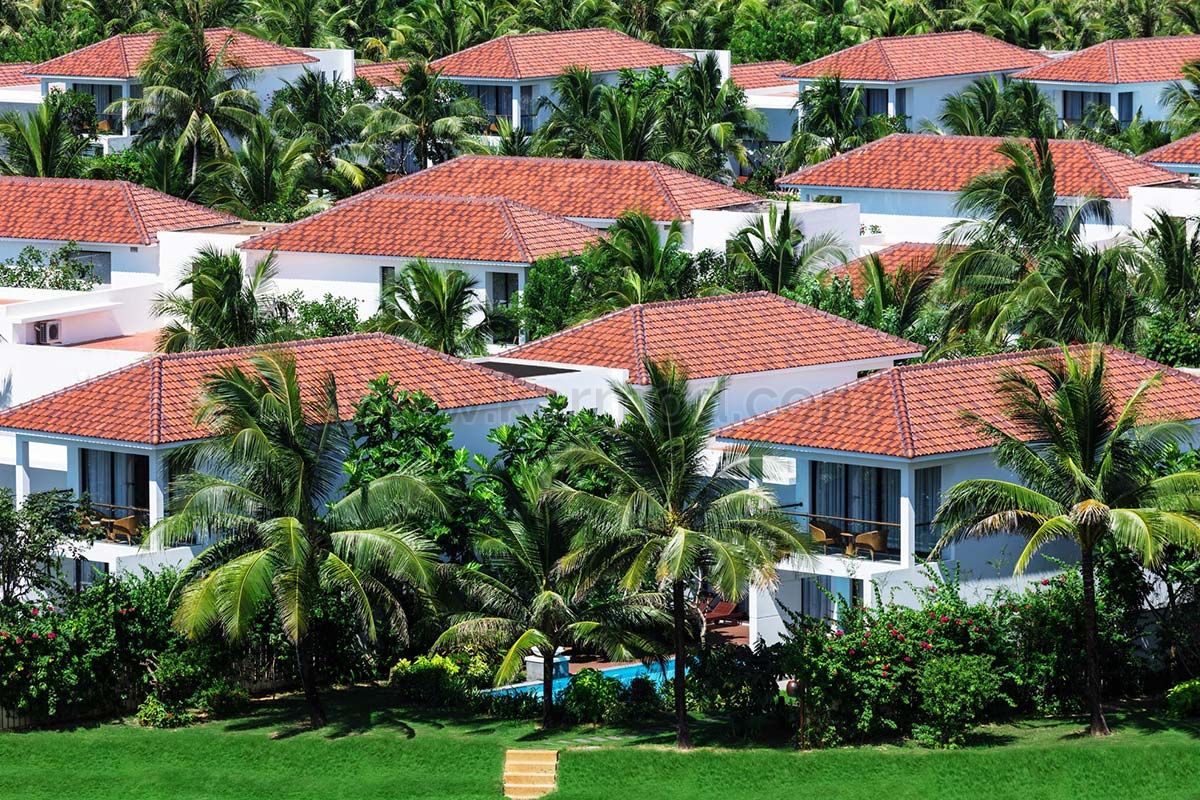
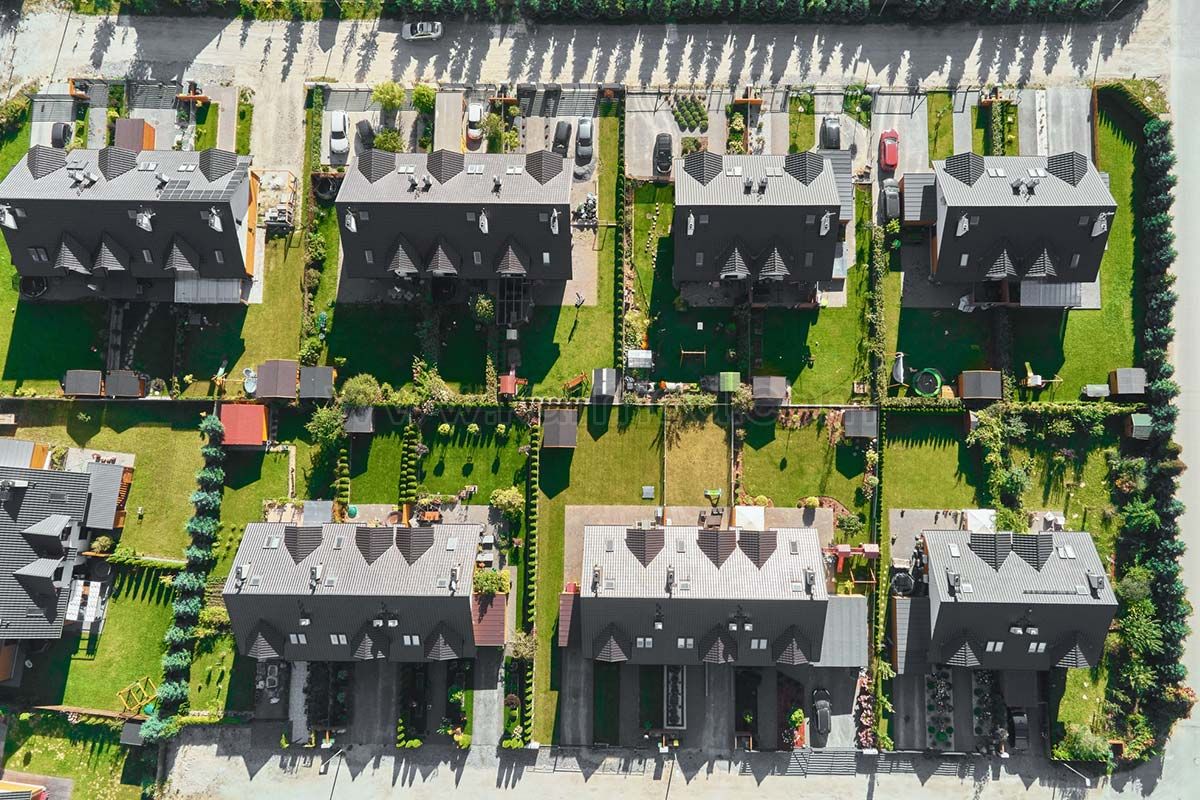
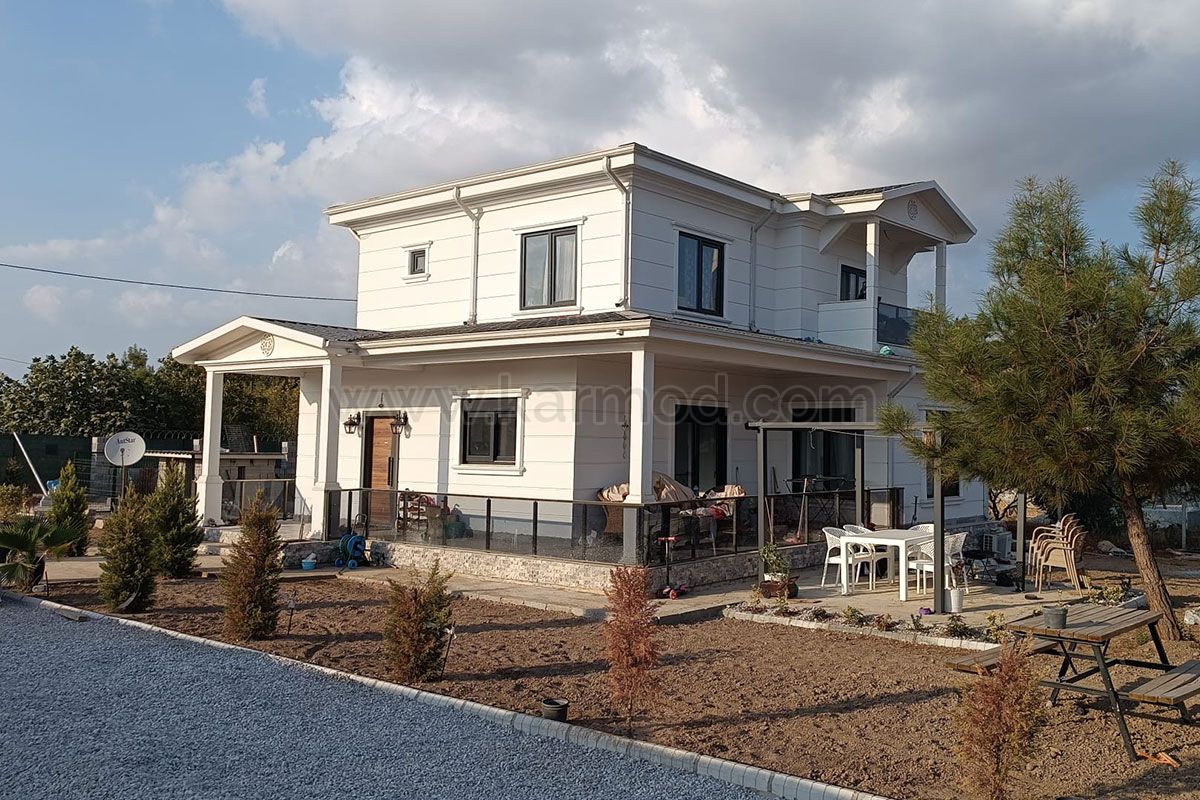
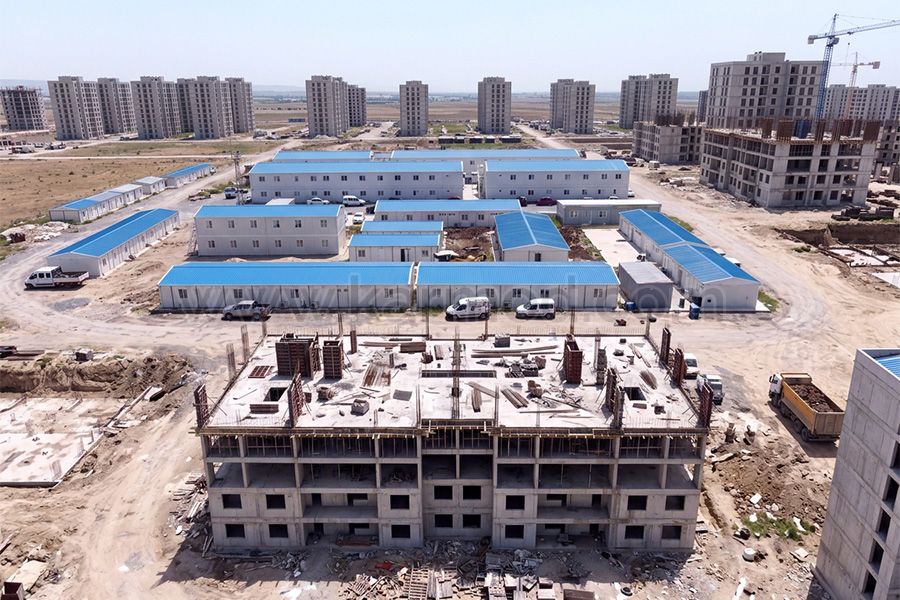
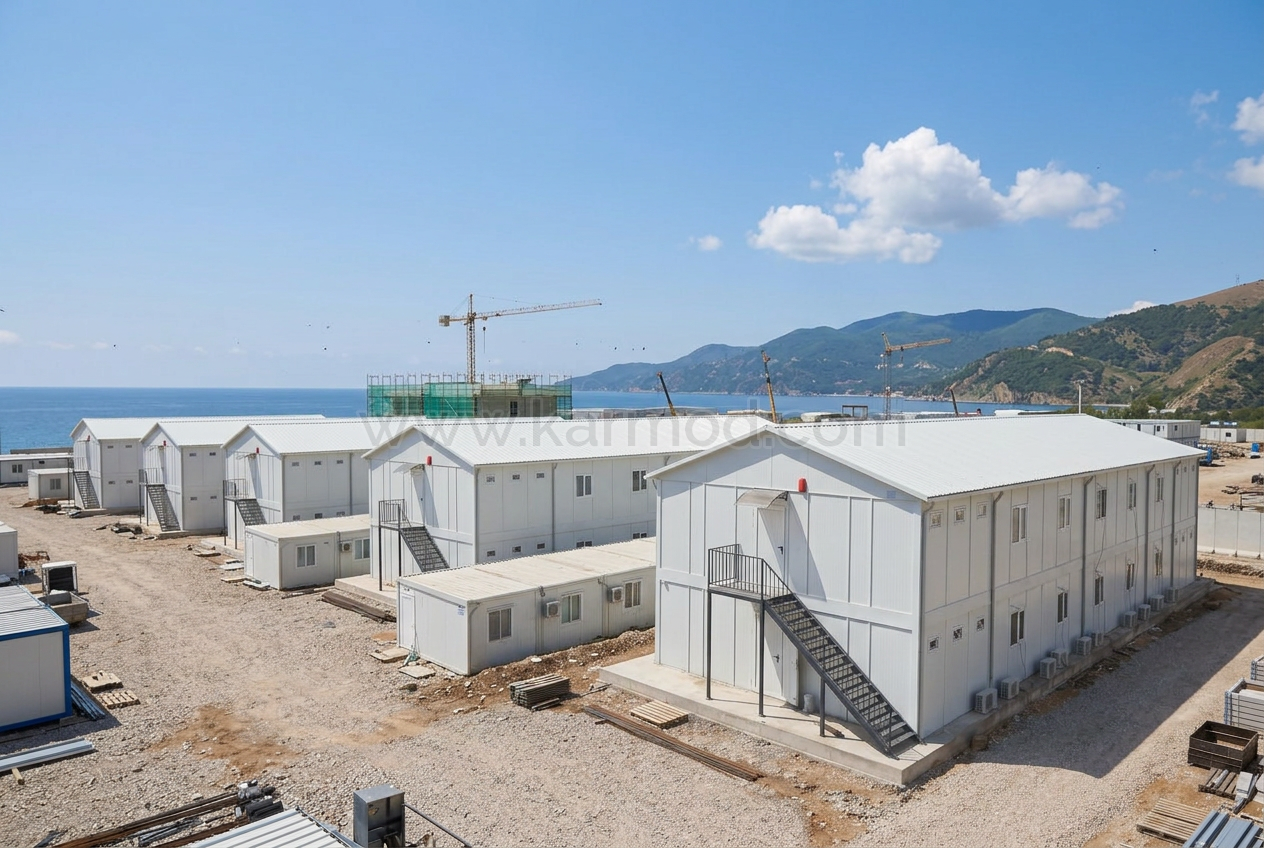
Modular housing refers to an entire system of building homes through modular construction. It emphasizes factory-built efficiency, affordability, and sustainability. This type of housing is especially valuable in regions facing housing shortages, as modular units can be produced at scale and installed quickly.
Governments, developers, and nonprofits often turn to modular housing to deliver affordable housing projects, student accommodation, or disaster-relief shelters.
Modular homes come in different types and styles to meet varying needs:
Single-Module Homes: Small, compact, and ideal for individuals or couples.
Multi-Module Homes: Larger homes assembled from several modules, including multi-story designs.
Custom Modular Homes: Tailored to the buyer’s preferences, from modern luxury designs to eco-friendly layouts.
Specialty Modular Homes: Includes modular cabins, cottages, and vacation homes.
This flexibility makes modular housing suitable for urban, suburban, and rural communities.
The benefits of modular homes include:
Speed: Construction is typically 30–50% faster.
Cost Savings: Reduced labor and material waste lower costs.
Quality Control: Factory conditions ensure consistency.
Sustainability: Less waste and options for eco-friendly materials.
Flexibility: Homes can be customized and expanded easily.
For many homeowners, modular housing offers the perfect balance between affordability and quality.
With proper maintenance, modular homes can last 50 to 100 years or more, comparable to traditional homes. Because they are built to strict building codes and assembled on permanent foundations, modular homes are durable and can withstand harsh weather conditions.
High-quality materials, modern construction methods, and regular upkeep ensure that modular homes retain value and longevity over decades.
Modular homes are no longer limited to simple box-like designs. Today, modular building architecture embraces creativity and modern aesthetics. Architects design homes with open floor plans, sustainable features, and smart-home technology.
Some modular homes include luxury elements such as rooftop terraces, floor-to-ceiling windows, and high-end finishes. This architectural flexibility has made modular homes a stylish and competitive option in the housing market.
While modular homes have many advantages, there are also some challenges:
Financing: Some lenders are unfamiliar with modular housing, making loans harder to secure.
Land Costs: Buyers must own or purchase land, which can be expensive.
Transportation: Delivering large modules to remote or urban areas can be difficult.
Perception: Misunderstandings often lead people to confuse modular homes with manufactured or mobile homes.
Despite these drawbacks, modular housing continues to gain popularity as an affordable, high-quality solution.
In order to serve you better, if you could kindly send an e-mail to info@karmod.com for questions and details about your theoretical and special architectural plans, projects, and product specifications, your request will be responded to as soon as possible.

From one end of the world to the other, we enable our customers to reach the ready-made construction sector produced with the new technology of the world. We guarantee reliability through technology and innovation, flexible commercial models and smart supply chain solutions that add value for you, following the project production network.
Discover
Karmod is one of the largest prefabricated construction companies in Turkey, with a production of 45,000 m2. produces high quality prefabs and prefab containers