EN
EN 


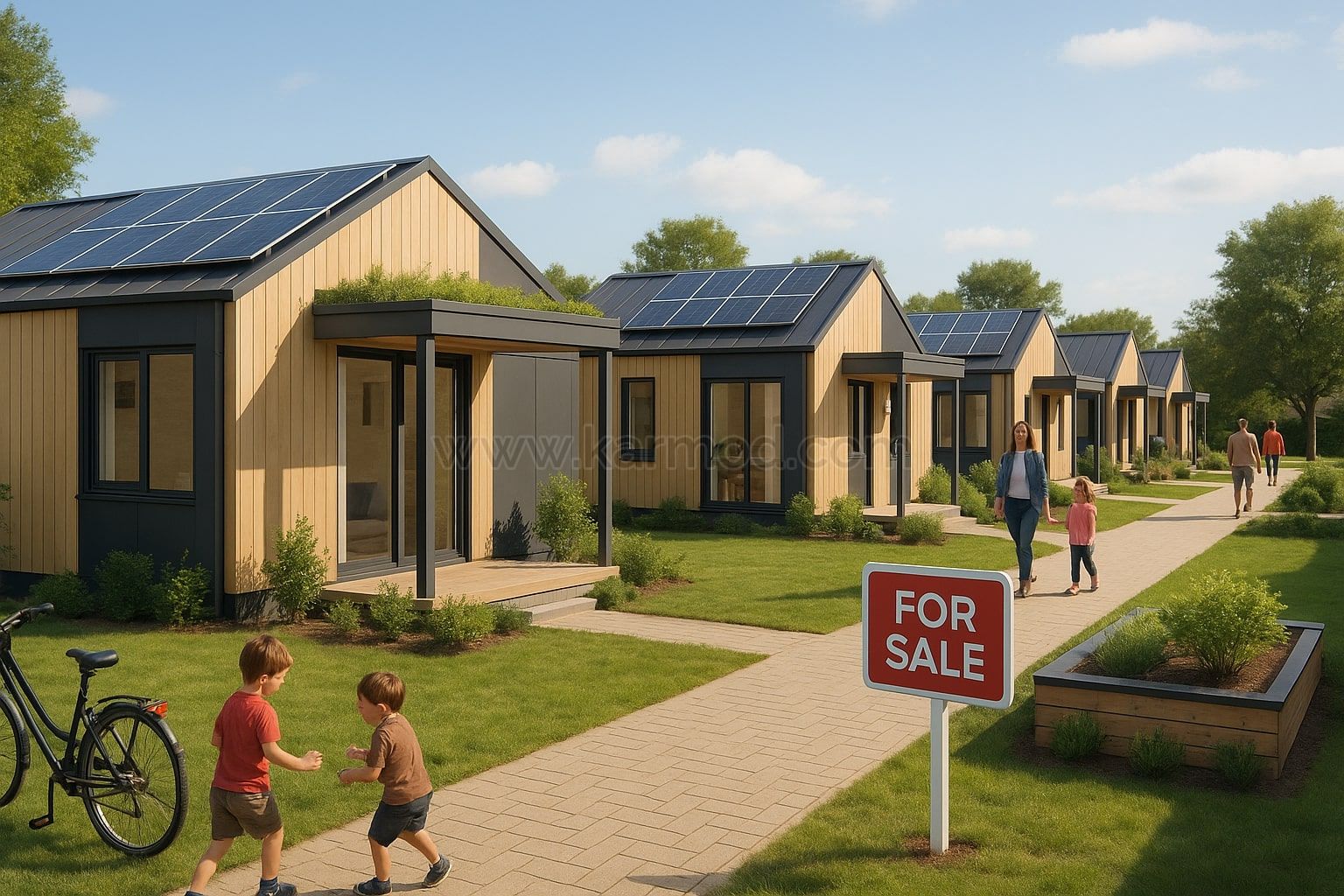
Small prefabricated (modular) units can accelerate the delivery of affordable housing, reduce construction risk, and support community regeneration goals. This guide outlines what small prefab social housing is, why it matters, and how to procure, deploy, and govern it effectively.
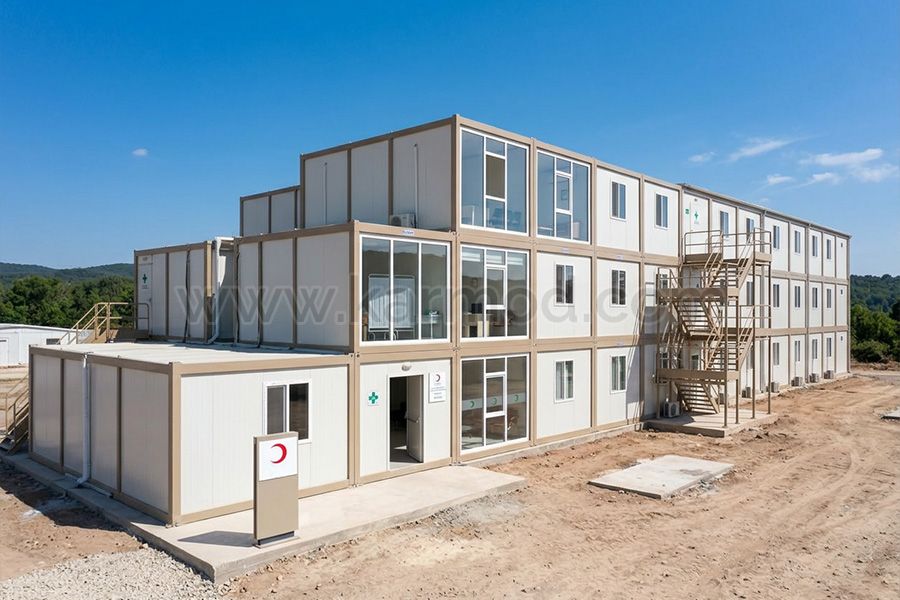
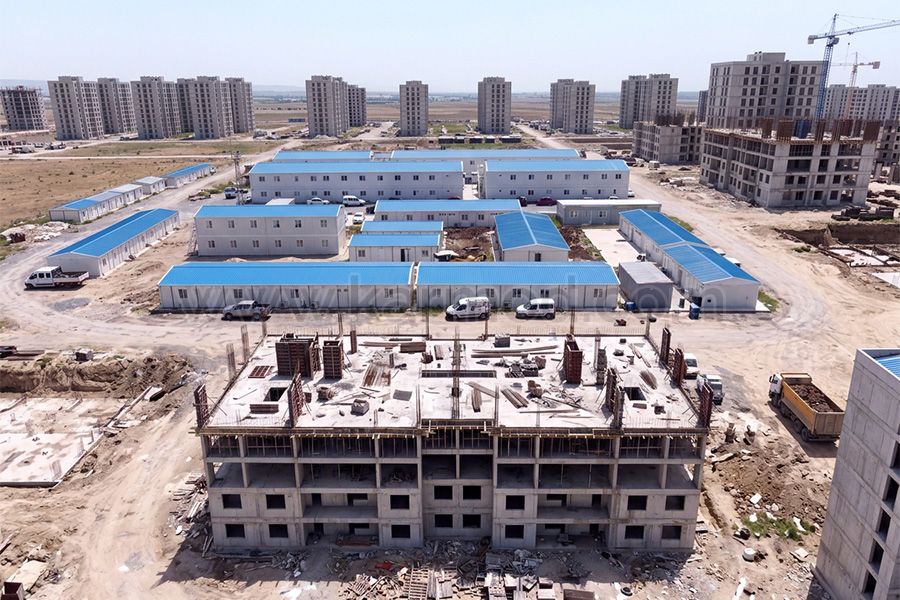
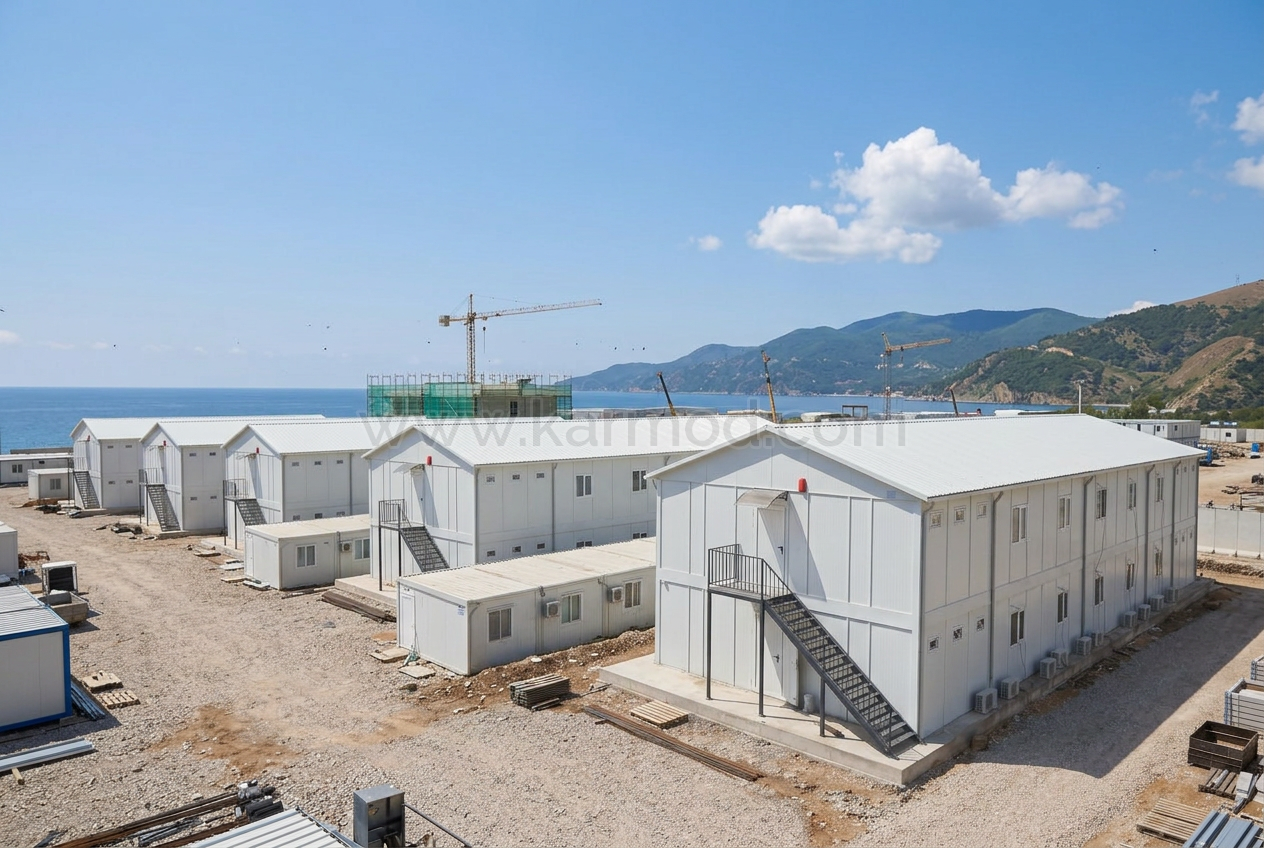
Small prefab social housing units are factory-built dwellings—typically studios, one-bedroom, or compact two-bedroom layouts— delivered to site as volumetric modules or flat-pack panels. They are engineered for rapid installation, predictable quality, and scalable production, making them suitable for infill sites, temporary-to-permanent villages, and phased masterplans.
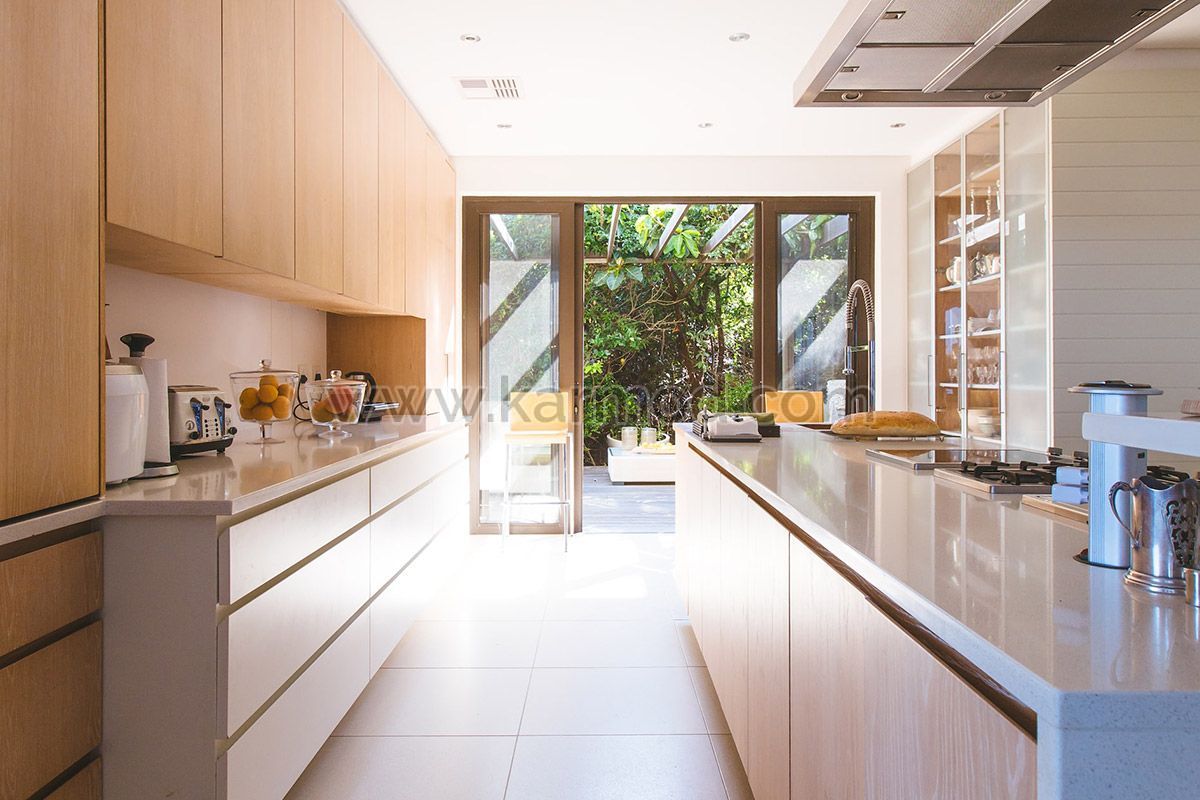
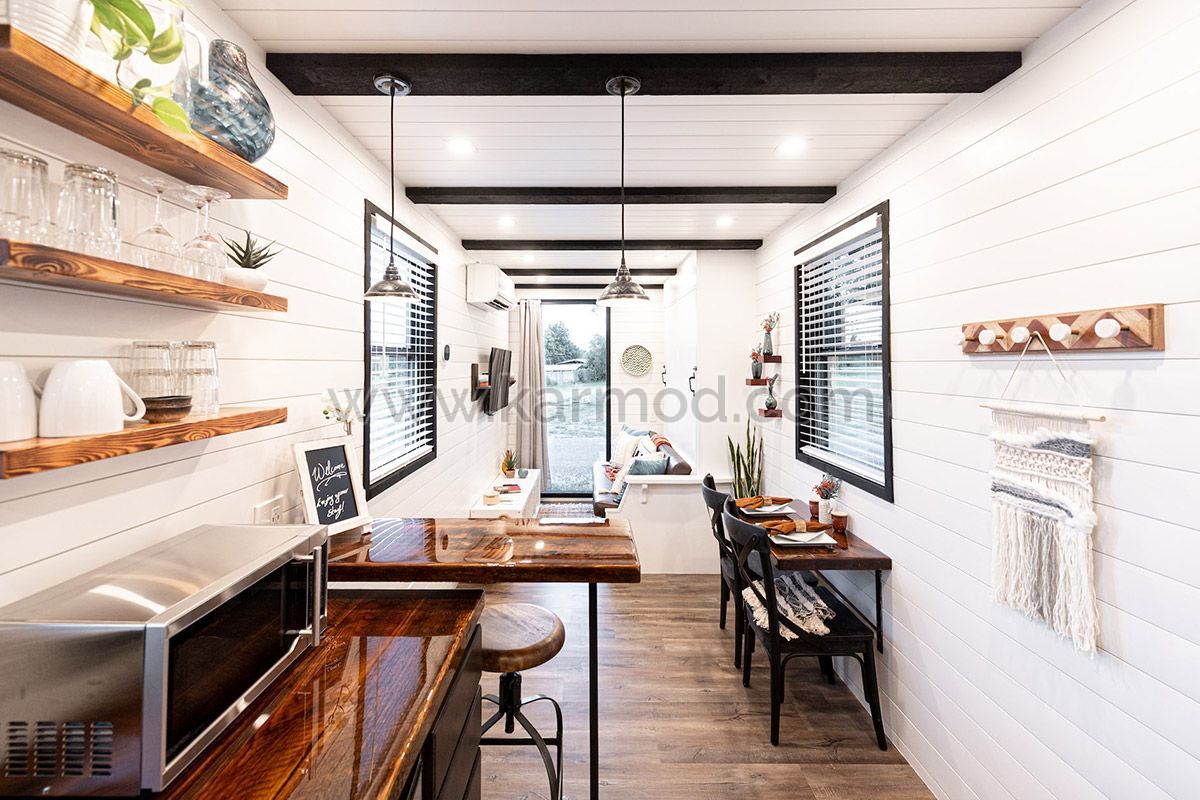
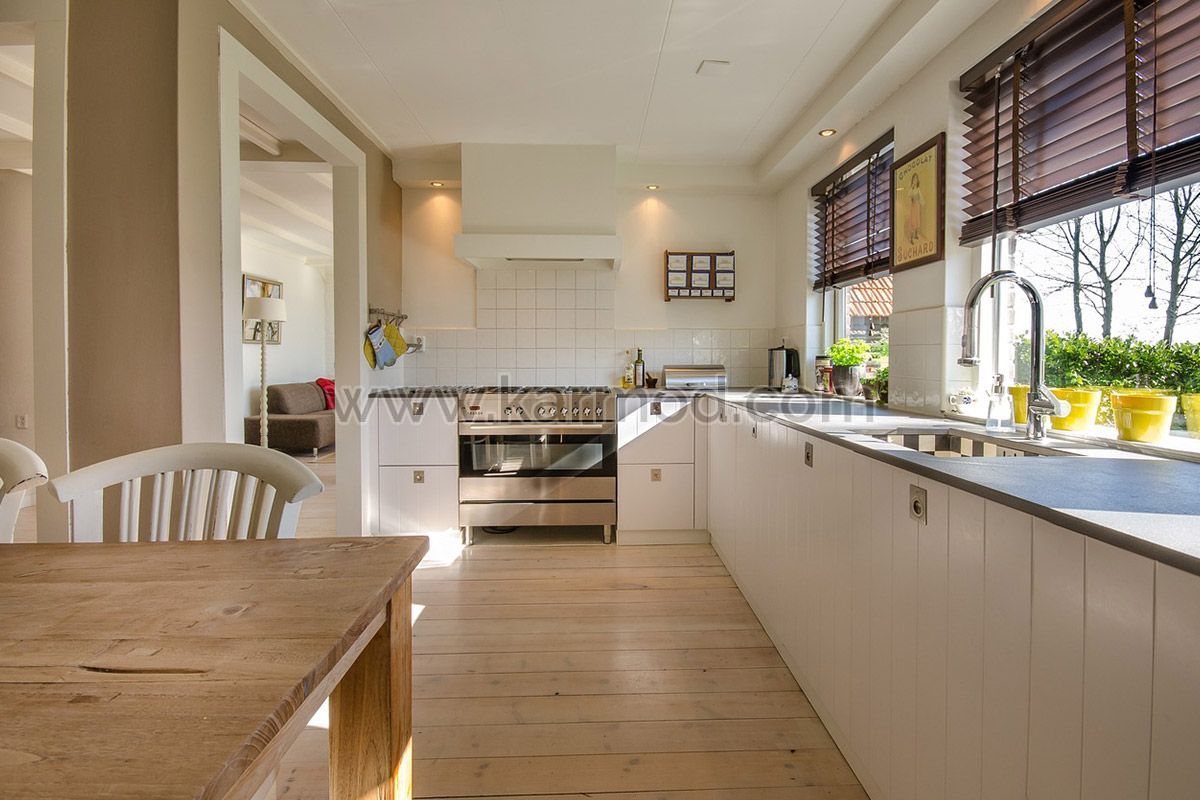
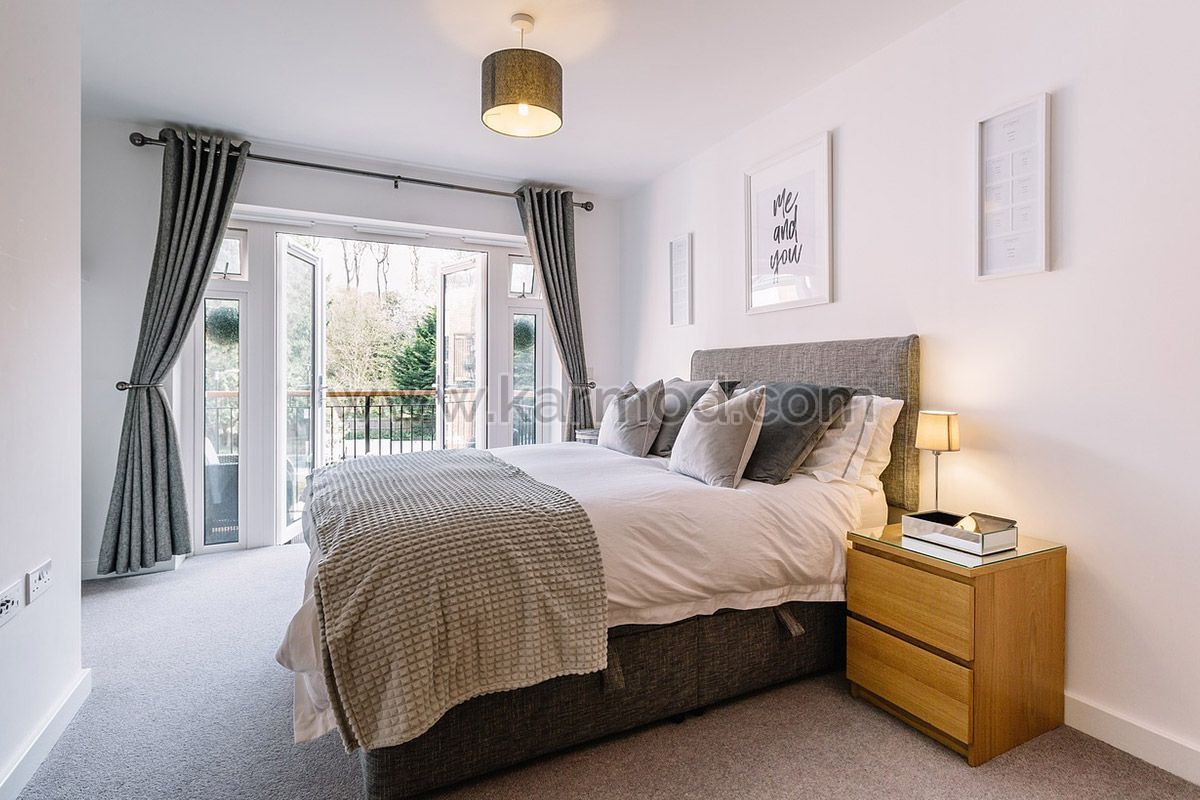
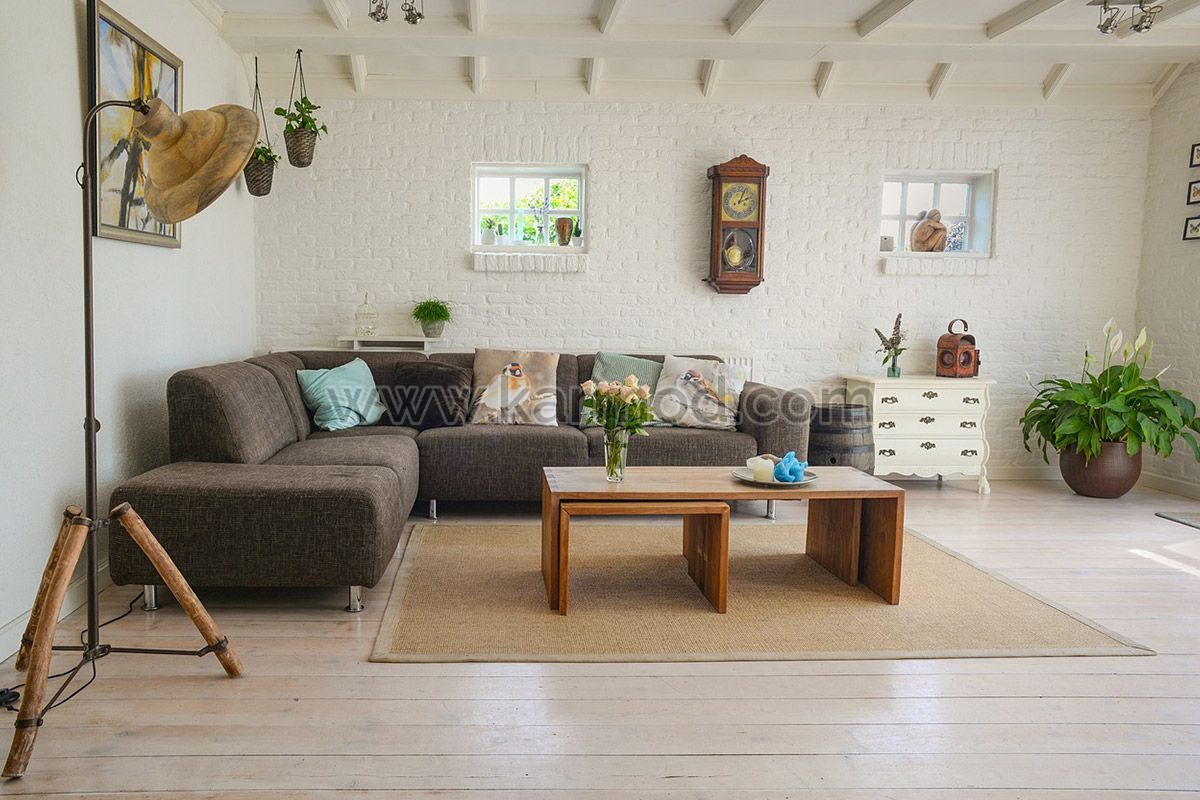
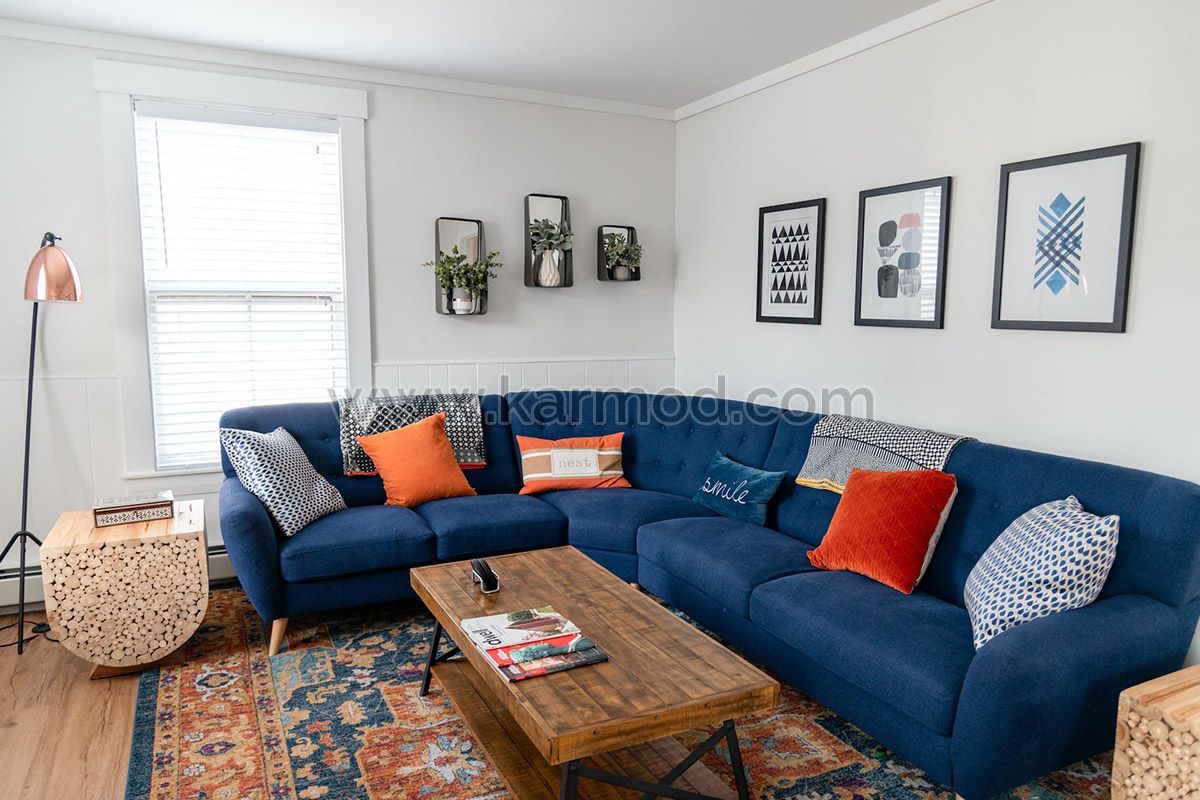

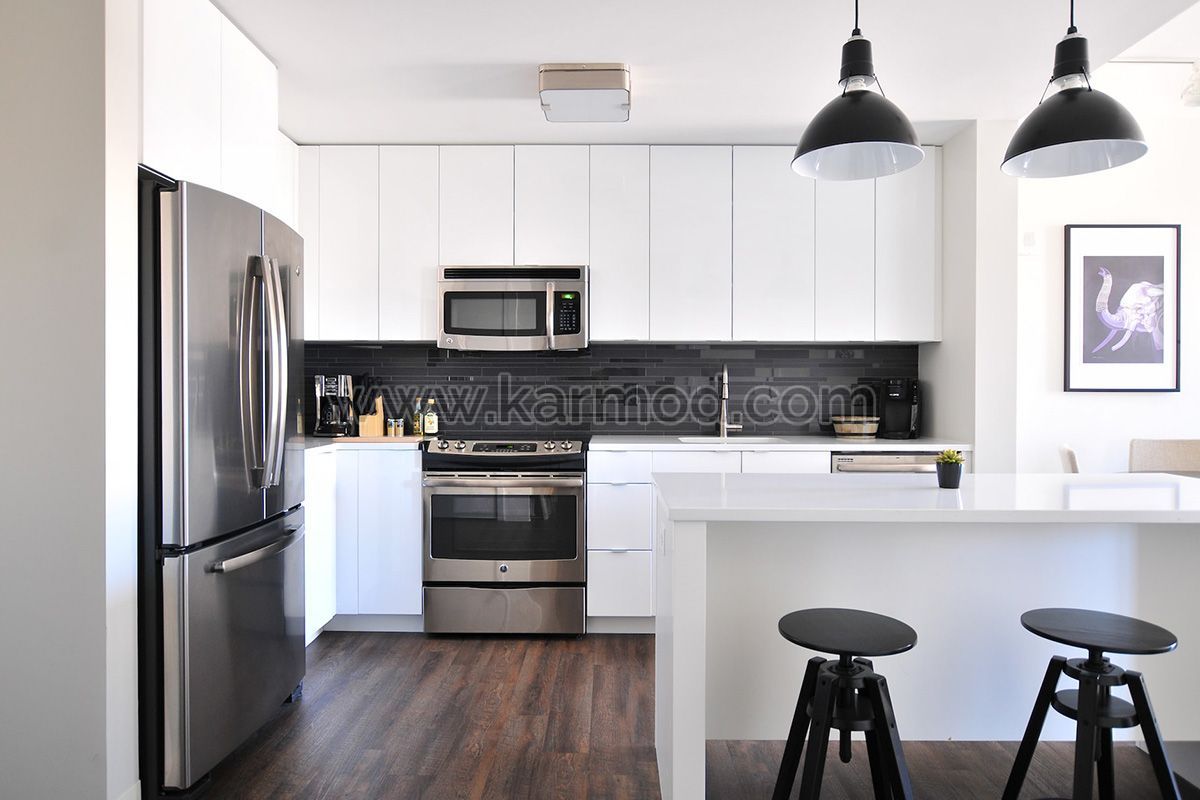
Prefab social housing is evolving with smart technologies, modular innovations, and low-carbon materials. Future projects will emphasize climate resilience, data-driven maintenance, and community-focused layouts.
Small prefab social housing offers a practical way to expand affordable housing rapidly and sustainably. By adopting clear specifications, robust procurement, and community integration, municipalities and partners can deliver dignified homes that advance equity and resilience.
In order to serve you better, if you could kindly send an e-mail to info@karmod.com for questions and details about your theoretical and special architectural plans, projects, and product specifications, your request will be responded to as soon as possible.

From one end of the world to the other, we enable our customers to reach the ready-made construction sector produced with the new technology of the world. We guarantee reliability through technology and innovation, flexible commercial models and smart supply chain solutions that add value for you, following the project production network.
Discover
Karmod is one of the largest prefabricated construction companies in Turkey, with a production of 45,000 m2. produces high quality prefabs and prefab containers