EN
EN 


Located in the heart of Central Europe, Slovakia connects key EU trade corridors from the Danube lowlands around Bratislava to the industrial hubs of Trnava, Žilina and Košice, with mountainous regions in the Tatras shaping local weather and building requirements. The country’s continental climate brings cold winters, warm summers and meaningful seasonal swings, while its economy is strongly driven by automotive manufacturing, engineering, logistics, energy and cross-border supply chains.
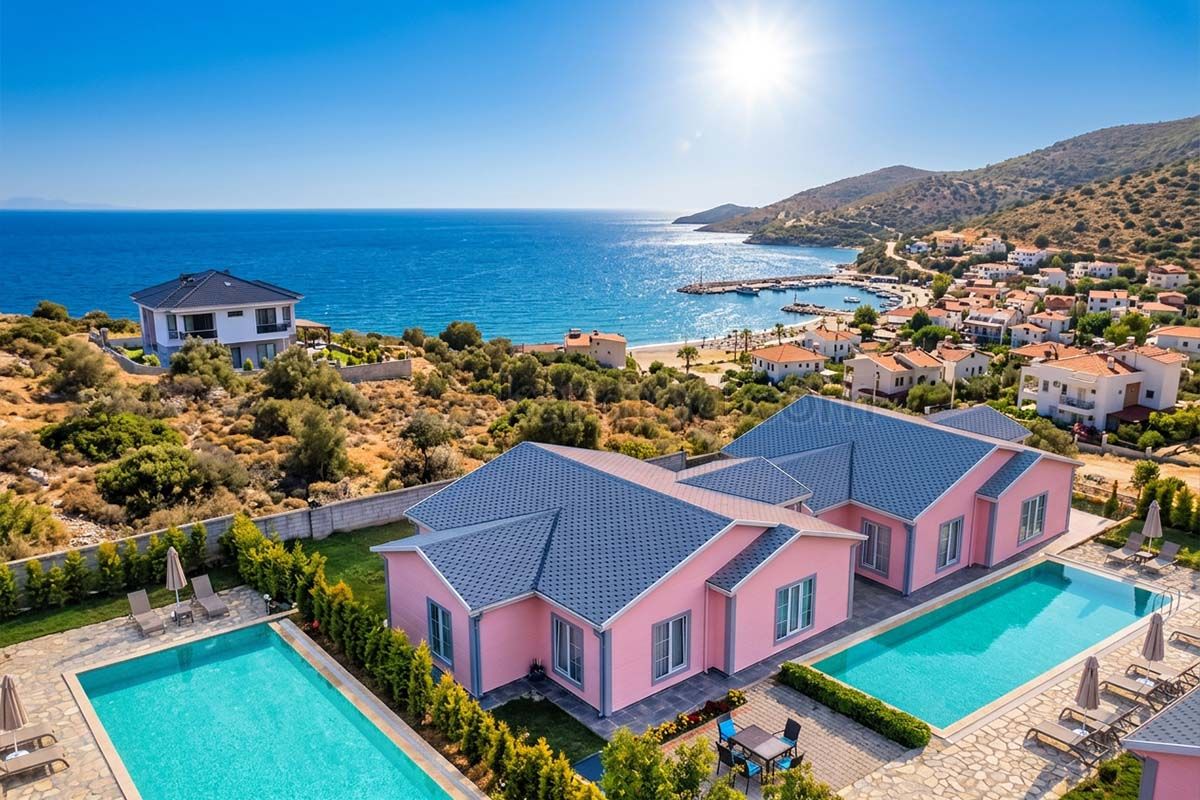
In this environment, container solutions and container buildings are increasingly considered for fast, controlled delivery of space where speed, predictability and relocatability matter. From container homes that suit compact sites to modular construction programs for offices, storage and commercial units, Slovakia container buildings help organizations reduce disruption on active sites and keep projects aligned with timelines and budgets.


Slovakia container homes respond to a practical question: how to create high-quality space quickly without compromising performance in a climate with cold snaps, wind exposure in higher altitudes and hot summer weeks in lowland cities. When engineered as prefabricated container systems, these units can be produced under factory conditions, improving consistency in detailing, insulation continuity and quality checks compared to many on-site builds.
Sustainability is often a measurable advantage. Factory production reduces on-site waste, and smart specifications such as high-performance insulation, efficient windows and controlled ventilation can help lower operating loads. For clients prioritizing resource efficiency, modular container buildings also support staged investment: modules can be added later as needs grow, avoiding overbuilding today.
Affordability in container housing is not only about the initial structure; it is about lifecycle cost. Well-designed envelopes, condensation control and durable finishes reduce maintenance and improve long-term usability. In Slovakia, where building performance must meet expectations for heating season comfort, climate-resistant container buildings are typically specified with thermal bridges in mind, robust roof detailing for snow and rain management, and moisture-resistant interior assemblies.
Flexibility and modularity are equally important. Slovakia container homes can be configured as single-unit studios, multi-module family layouts, staff accommodation near industrial sites, or compact hospitality suites. The modular approach supports transport-friendly dimensions, faster installation and future reconfiguration if a site’s function changes.


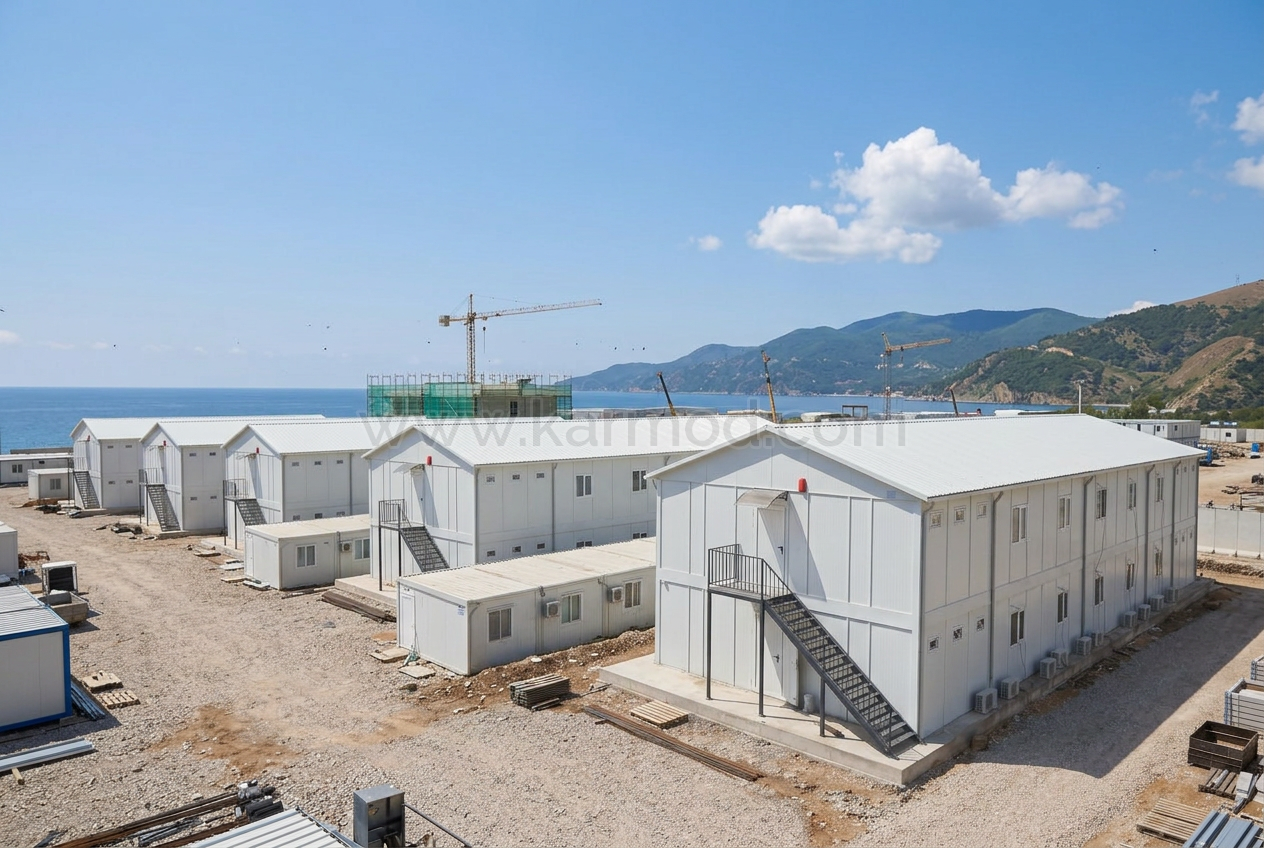
Across Slovakia’s industrial and logistics landscape, Slovakia container storage solutions provide secure, scalable capacity where conventional warehousing is too slow or too fixed. Whether supporting a new build in Bratislava’s expanding logistics belt, temporary operations near manufacturing plants, or seasonal demand shifts in agriculture, container-based storage helps teams protect equipment and materials while keeping operations mobile.
Mining and heavy industry applications often require controlled access, rugged construction and clear internal organization for tools, spare parts and consumables. For these environments, storage units are commonly specified with reinforced flooring, durable door hardware and options for internal racking or segregated bays. The aim is reliability, not complexity.
Agriculture benefits from weatherproof storage that can be placed close to fields or processing areas, reducing handling time. Fertilizers, irrigation components, seasonal machinery parts and packaged goods can be kept secure with ventilation and moisture management considerations, particularly during shoulder seasons when humidity fluctuates.
Logistics and distribution teams value the ability to add storage quickly at depots, cross-dock areas or temporary yards. Containers can act as secure buffer capacity for packaging, returns processing, or overflow inventory during peak periods, with relocation available as routes and contracts change.
Construction sites routinely need protected space for tools, consumables, documentation and small plant equipment. Slovakia container storage solutions can be placed close to work zones and moved as a project progresses, reducing loss risk and improving site organization. In all these scenarios, durability, locking systems and weather resistance are central, alongside the practical advantage of relocation without rebuilding.
Selecting a supplier for Slovakia container buildings is typically an engineering decision before it is a commercial one. A dependable manufacturer must consistently deliver structural integrity, predictable tolerances, and building-envelope performance suited to local climate realities. Karmod is often evaluated in this context because its production approach focuses on standardized quality controls and configurable systems that can be tailored to project-specific constraints.
For Slovakia’s seasonal extremes, material choices and detailing matter. Climate-resistant container buildings should address heat loss in winter, overheating risk in summer, wind exposure, and moisture control to prevent condensation-related issues. A manufacturer’s capability is reflected in how it specifies insulation, manages thermal bridges, details roof and flashing junctions, and integrates durable joinery and seals for long-term weather tightness.
Customization is also practical rather than cosmetic: internal layout planning, MEP readiness, fire-safety considerations, acoustic performance and access control can be adapted to business requirements. For international B2B clients, consistency in documentation, production traceability and repeatable build quality often becomes the deciding factor when scaling from one unit to multiple sites.
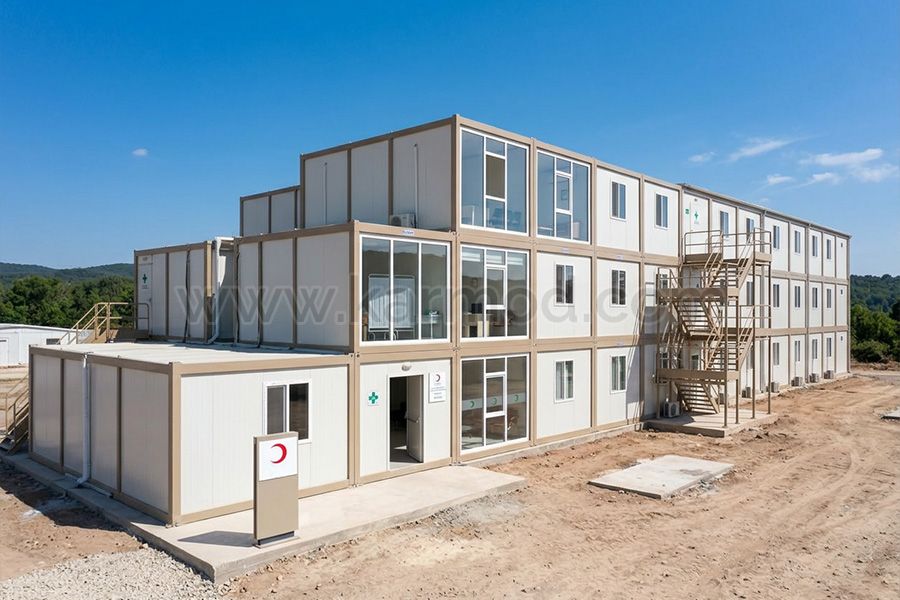
As project-based work expands across industry, logistics and public infrastructure, Slovakia container offices offer a fast route to functional workspaces without long construction lead times. A well-designed container office can support site management, engineering teams, meeting rooms, security staff operations or temporary administrative units, with layouts optimized for real workflows rather than generic interiors.
Office flexibility is a key advantage. Modular planning allows organizations to start with a compact footprint and expand later by adding modules for additional desks, meeting spaces or welfare rooms. This scalability helps align capital spend with project phases, especially when a site’s personnel needs shift over time.
Cost advantage comes from predictability: controlled production, shorter site time and reduced disruption to ongoing operations. For Slovakia’s climate, comfort and productivity depend on thermal performance, ventilation strategy and acoustic separation. When designed as prefabricated container systems, offices can also be prepared for rapid commissioning, supporting faster operational start dates while maintaining professional standards expected by international teams.


Commercial applications of Slovakia container buildings extend well beyond temporary uses. For many organizations, container-based design supports phased development of customer-facing facilities, service points and operational hubs. This approach can be particularly valuable where permits, site access or timeline constraints make traditional construction difficult.
Container commercial buildings can be configured as reception areas, service counters, training rooms, staff amenities, workshops or mixed-use micro-complexes. With modular container buildings, businesses can expand by adding modules as footfall grows or as services diversify, keeping the facility adaptable to market changes. In practice, this modular expansion reduces risk by enabling incremental investment while still maintaining a cohesive, professional exterior and interior standard.
Retailers and developers exploring flexible footprints often consider container shops for pop-up concepts, seasonal retail, roadside service points and compact brand showrooms. Slovakia container buildings can support single-shop units or clustered retail formats that create a small commercial destination with shared circulation, signage strategy and customer amenities.
Branding flexibility is a practical benefit: façades, glazing, canopies and interior layouts can be aligned with brand guidelines while keeping build time short. For multi-location operators, prefabricated container systems help replicate a consistent customer experience across sites, while allowing local adaptation for site conditions and permitting requirements.
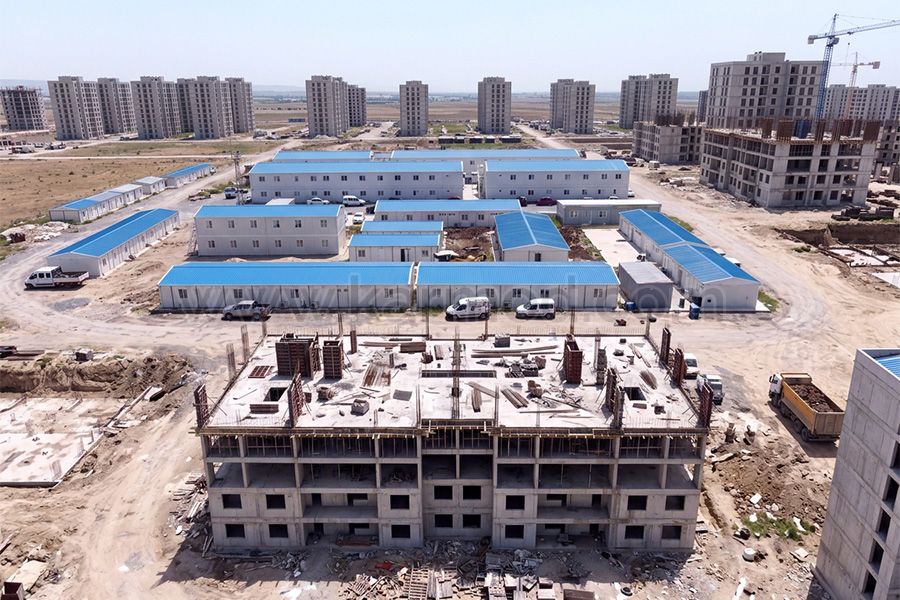
In growing urban areas where land availability and housing demand put pressure on timelines, Slovakia container homes can be scaled into apartment-style formats with shared circulation and community-oriented planning. The objective is not novelty; it is to deliver well-performing, repeatable units that suit compact sites and accelerate delivery of livable space.
Container apartment concepts can be planned as modular blocks with stair cores, shared terraces and efficient services distribution. This supports community layouts that balance privacy and shared amenity space, while enabling phased construction. In locations with noise and traffic, attention to acoustic performance and ventilation becomes essential. When executed with climate-resistant container buildings principles, apartments can achieve comfortable year-round living aligned with Slovakia’s heating season expectations.
Public and semi-public infrastructure is another strong fit for container-based delivery, especially when speed and certainty are required. Slovakia container buildings can support:
Across these use cases, the same priorities apply: durable detailing, predictable performance, and the ability to relocate or reconfigure assets as needs evolve. With Slovakia container storage solutions supporting materials flow, Slovakia container offices enabling on-site coordination, and Slovakia container buildings delivering scalable space, container-based construction provides a practical framework for modern development where timelines and reliability matter.
In order to serve you better, if you could kindly send an e-mail to info@karmod.com for questions and details about your theoretical and special architectural plans, projects, and product specifications, your request will be responded to as soon as possible.

From one end of the world to the other, we enable our customers to reach the ready-made construction sector produced with the new technology of the world. We guarantee reliability through technology and innovation, flexible commercial models and smart supply chain solutions that add value for you, following the project production network.
Discover
Karmod is one of the largest prefabricated construction companies in Turkey, with a production of 45,000 m2. produces high quality prefabs and prefab containers