EN
EN 


Singapore, positioned at the crossroads of Southeast Asia, combines a compact land area with a tropical climate defined by high humidity, steady heat, and frequent heavy rainfall. As one of the world’s most connected trade and logistics centers, the city-state continues to optimize how space is planned, built, and used—especially in dense urban environments where construction timelines, site constraints, and performance standards are exceptionally demanding.
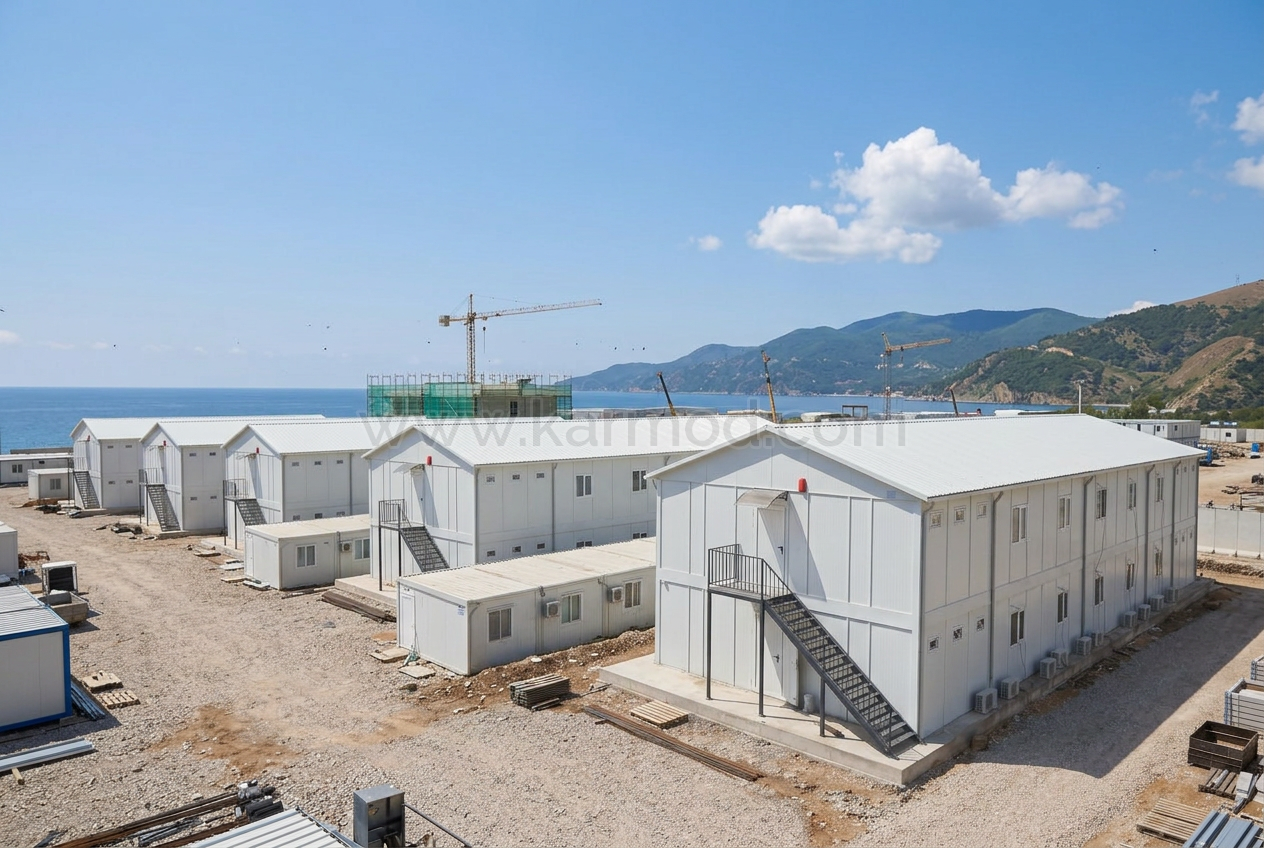
In this setting, containers have become a practical foundation for modular construction, supporting everything from compact living units to rapid-deployment workspaces. Singapore’s container buildings represent a thoughtful response to limited land supply and sustainability targets, using prefabricated container systems to deliver durable structures with controlled production quality and fast on-site installation.


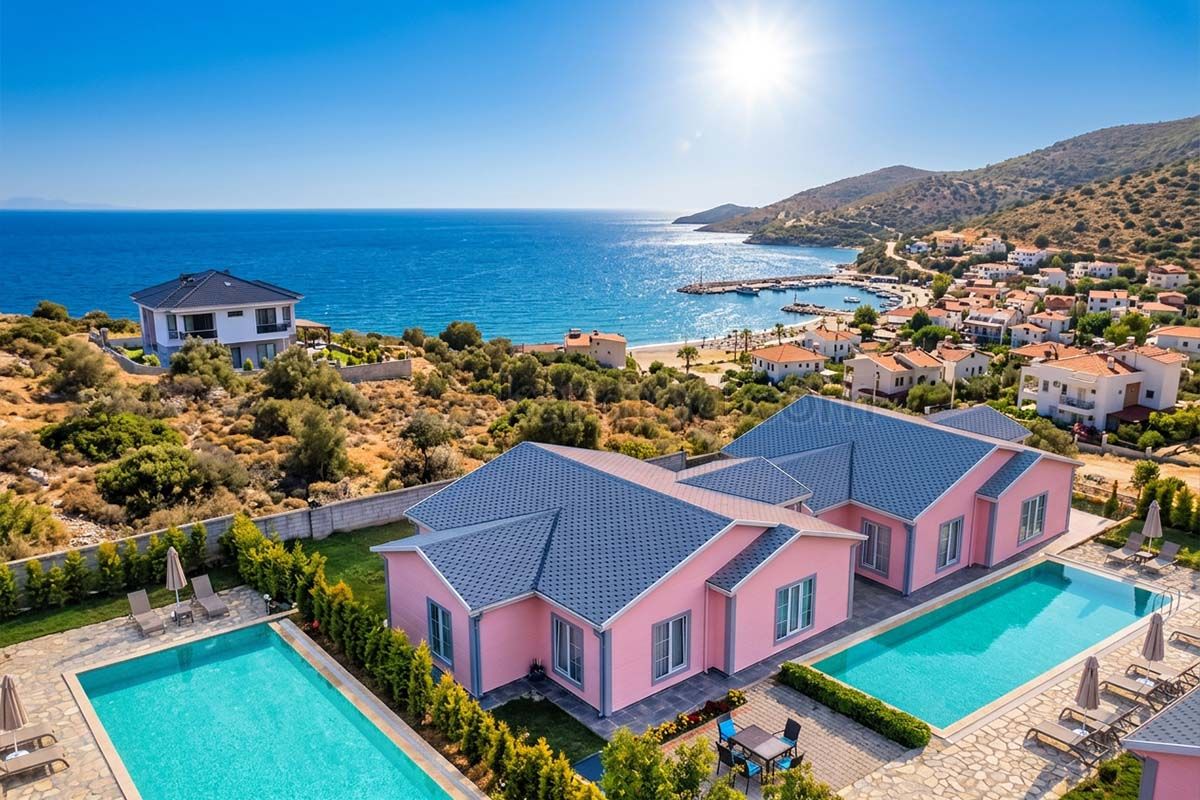
Singapore container homes are gaining attention as an efficient way to create functional living spaces within a tight urban footprint. With modular container buildings, designers can use repeatable structural modules while tailoring layouts for comfort, daylight, privacy, and usability. This approach supports a wide range of housing formats—from compact studios and backyard units to multi-module residential configurations—while keeping construction disruption relatively low.
When planned with building performance in mind, Singapore container homes can balance durability, comfort, and efficient land use. The result is not a novelty structure, but a modern modular construction solution that fits dense urban planning requirements and long-term livability goals.


Singapore container storage solutions support operations that require secure, weather-protected space without long construction lead times. In a city where land efficiency matters, modular container buildings provide standardized footprints that can be placed strategically in yards, depots, ports, and restricted sites, helping teams protect assets while keeping workflows close to the point of use.
Common use cases include:
Durability and security are central advantages. Steel construction, reinforced access points, and configurable interior fittings support safer storage. For Singapore’s climate, climate-resistant container buildings also prioritize corrosion protection, ventilation, and moisture control to reduce condensation and preserve stored items.


Selecting a manufacturer for Singapore container buildings often comes down to engineering reliability: structural performance, consistency in production, and detailing that supports long-term durability in a hot, humid environment. Karmod’s work in prefabricated container systems emphasizes controlled manufacturing, repeatable quality, and project-specific customization based on functional requirements rather than cosmetic changes alone.
For tropical conditions, climate-resistant container buildings depend on correct material selection and protective systems—especially where humidity, rainfall, and coastal exposure accelerate corrosion risks. Karmod focuses on solutions that address these realities through robust coatings, carefully detailed junctions, and envelope strategies that support ventilation and moisture management. The outcome is a container building solution engineered for predictable performance over time.
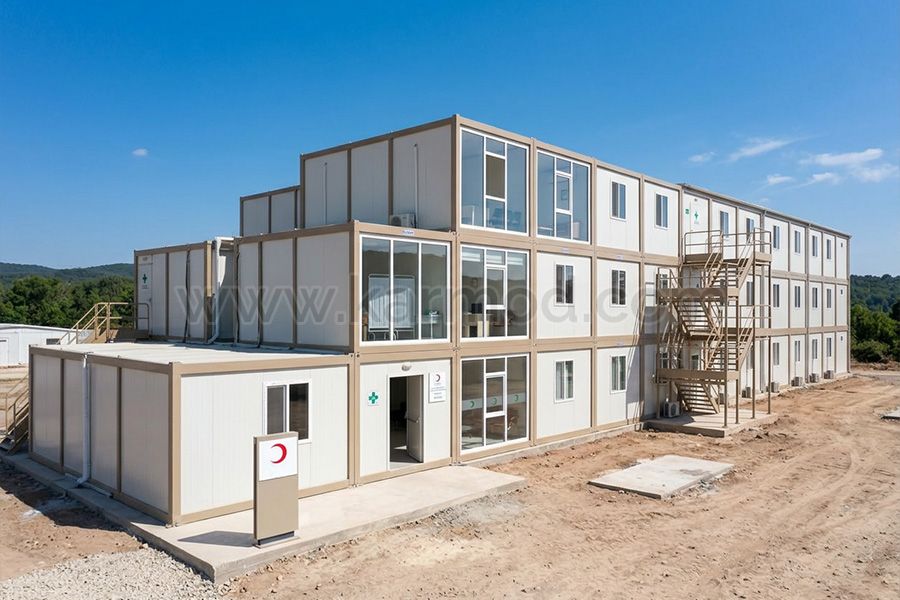
Singapore Container offices are being used to create practical workspaces where speed, adaptability, and site constraints are decisive. As part of modular container buildings strategies, offices can be deployed as standalone units or combined into larger layouts with meeting rooms, reception areas, and staff facilities.
Advantages of Singapore container offices include:
Singapore container offices demonstrate how modular construction can deliver functional, professional workspaces while minimizing site disruption and supporting phased growth.
Singapore container buildings are increasingly adapted for commercial use where time-to-open and flexibility are essential. Modular container buildings can be configured as service points, customer-facing facilities, small business complexes, or multi-unit commercial clusters that expand in phases as needs evolve.
Singapore container shops offer a flexible format for retail concepts that need rapid setup and the ability to test locations. With careful façade treatment, signage integration, and interior planning, container shops can deliver strong brand presence while keeping construction time and site disruption under control.
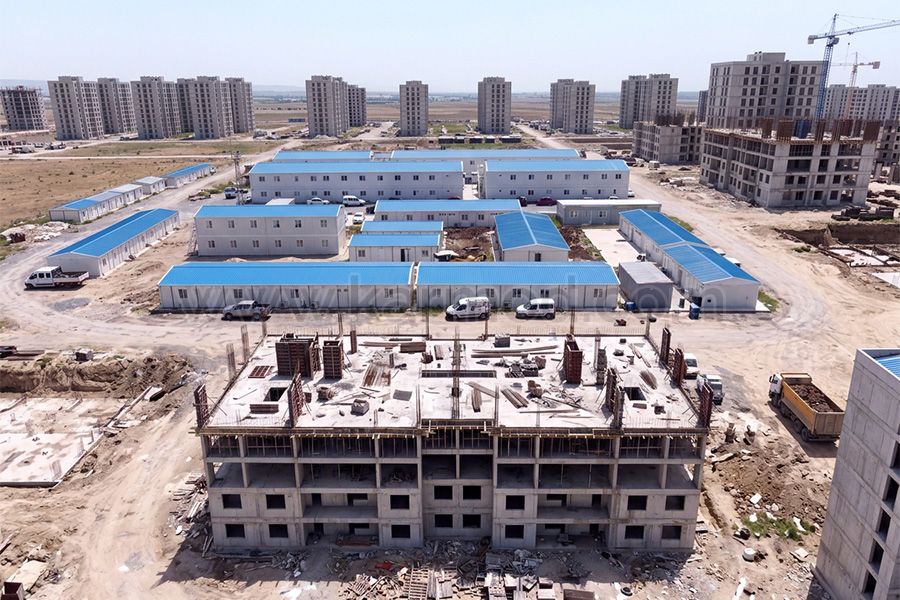
Singapore’s density and ongoing redevelopment needs encourage compact, efficient housing models. Singapore container buildings can be planned as apartment-style developments using modular container buildings as repeatable living units. This approach supports consistent quality, faster delivery, and flexible layout planning for studios or multi-room units.
Beyond residential and commercial uses, Singapore container buildings can support essential community and public infrastructure where fast deployment and modular scalability are valuable. With climate-resistant container buildings engineered for tropical conditions, these structures can serve as reliable facilities across a range of civic applications.
In order to serve you better, if you could kindly send an e-mail to info@karmod.com for questions and details about your theoretical and special architectural plans, projects, and product specifications, your request will be responded to as soon as possible.

From one end of the world to the other, we enable our customers to reach the ready-made construction sector produced with the new technology of the world. We guarantee reliability through technology and innovation, flexible commercial models and smart supply chain solutions that add value for you, following the project production network.
Discover
Karmod is one of the largest prefabricated construction companies in Turkey, with a production of 45,000 m2. produces high quality prefabs and prefab containers