EN
EN 


Prefabrication has transformed the commercial construction sector by reducing costs, speeding up project timelines, and improving quality control. Large-scale buildings such as offices, hotels, and healthcare facilities increasingly rely on prefabricated elements to achieve consistency and efficiency. Instead of building every component on-site, companies can use factory-produced modules and panels, ensuring fewer delays caused by weather or labor shortages.
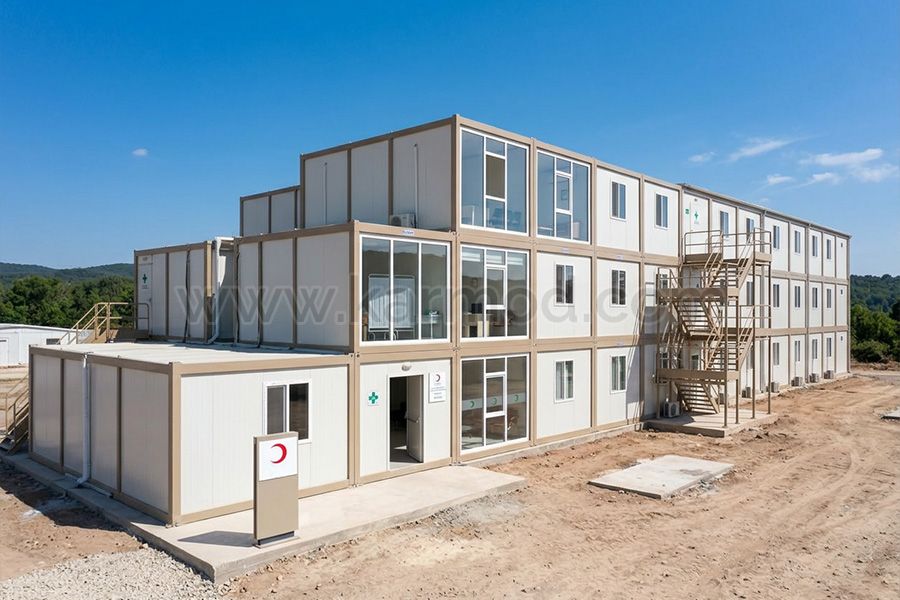
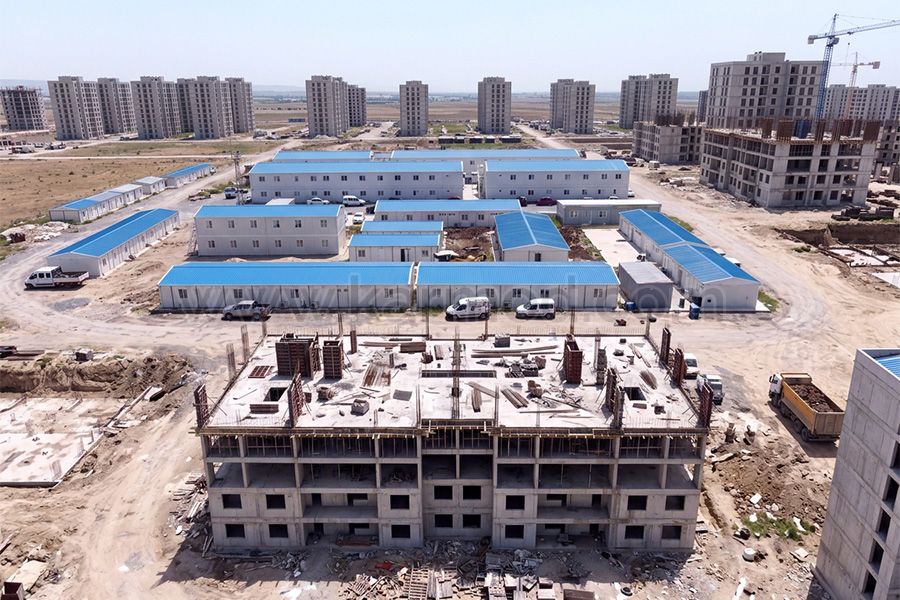
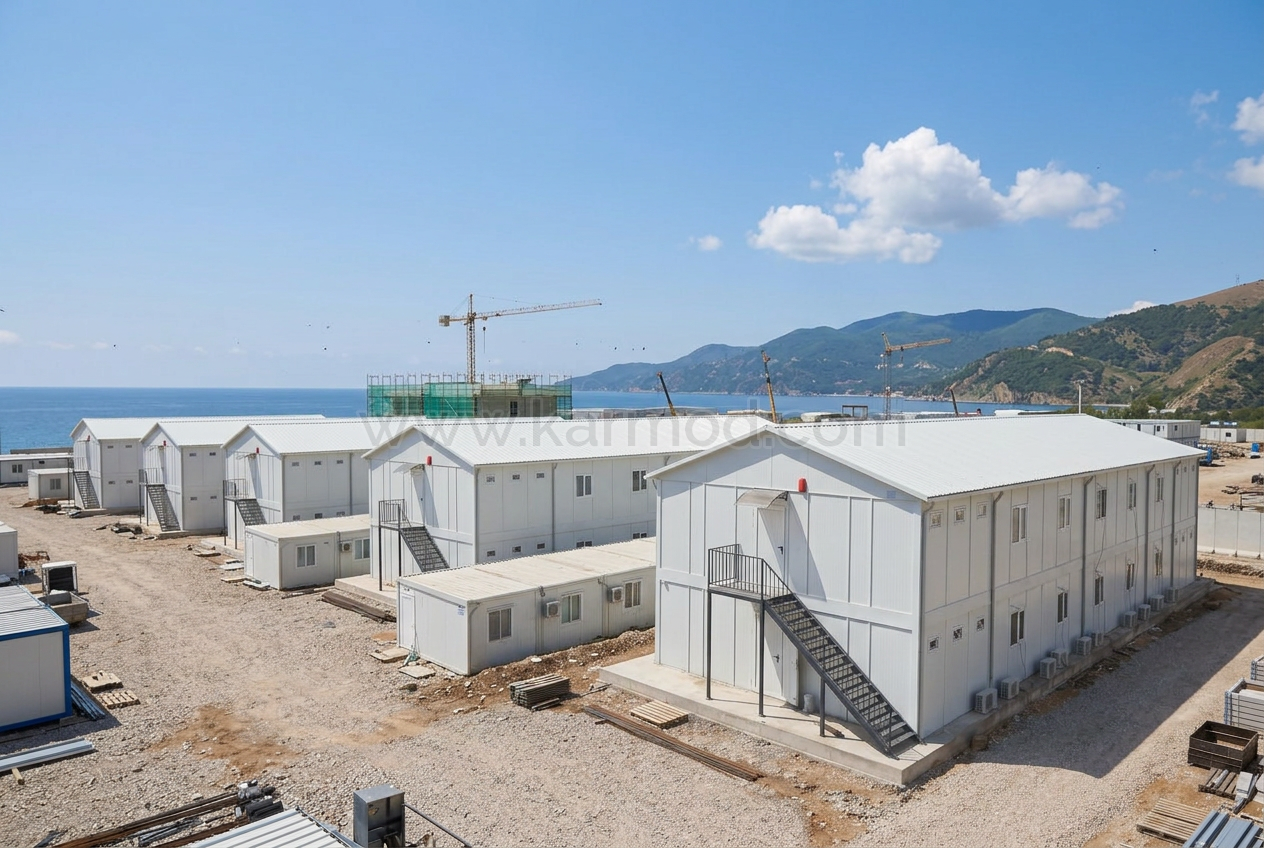
Examples of prefabricated structures range from modular classrooms and hospitals to entire apartment complexes. In recent years, prefabricated high-rises have been built in record times, showcasing the versatility and reliability of this construction approach. Smaller applications, such as temporary housing or portable office units, further highlight the flexibility of prefabricated methods.
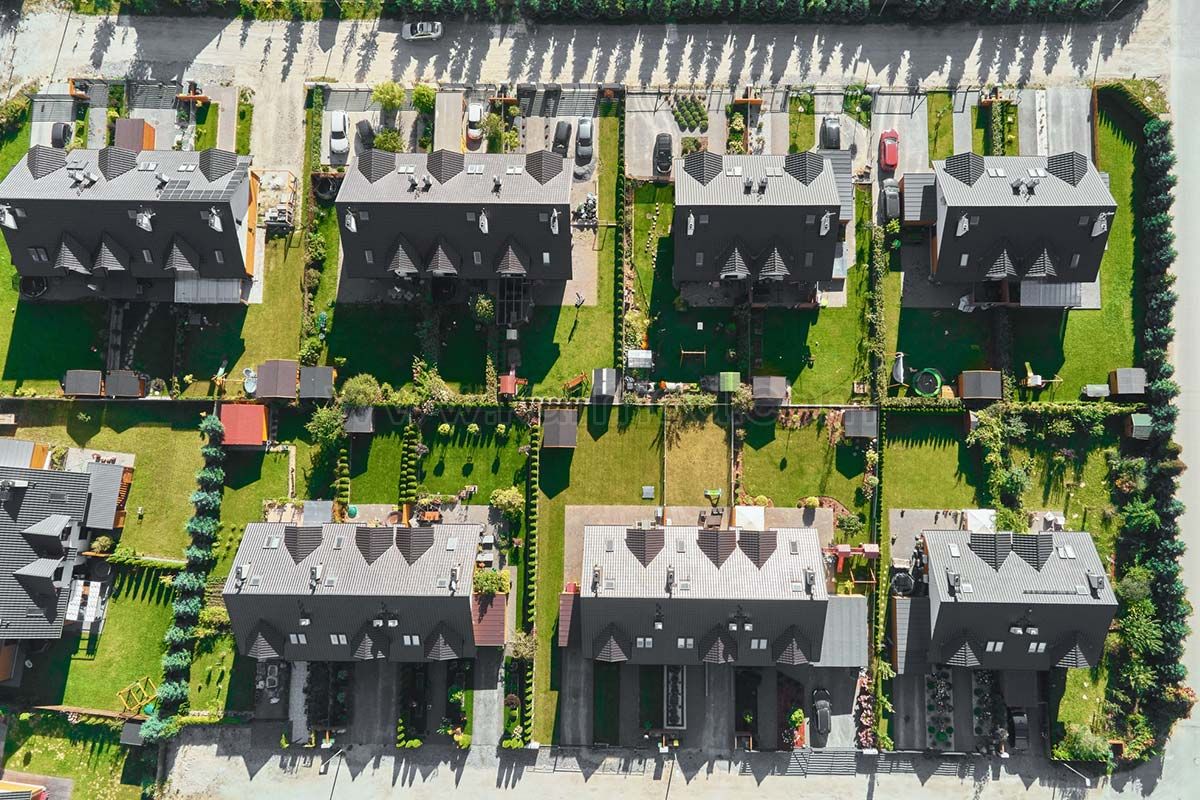
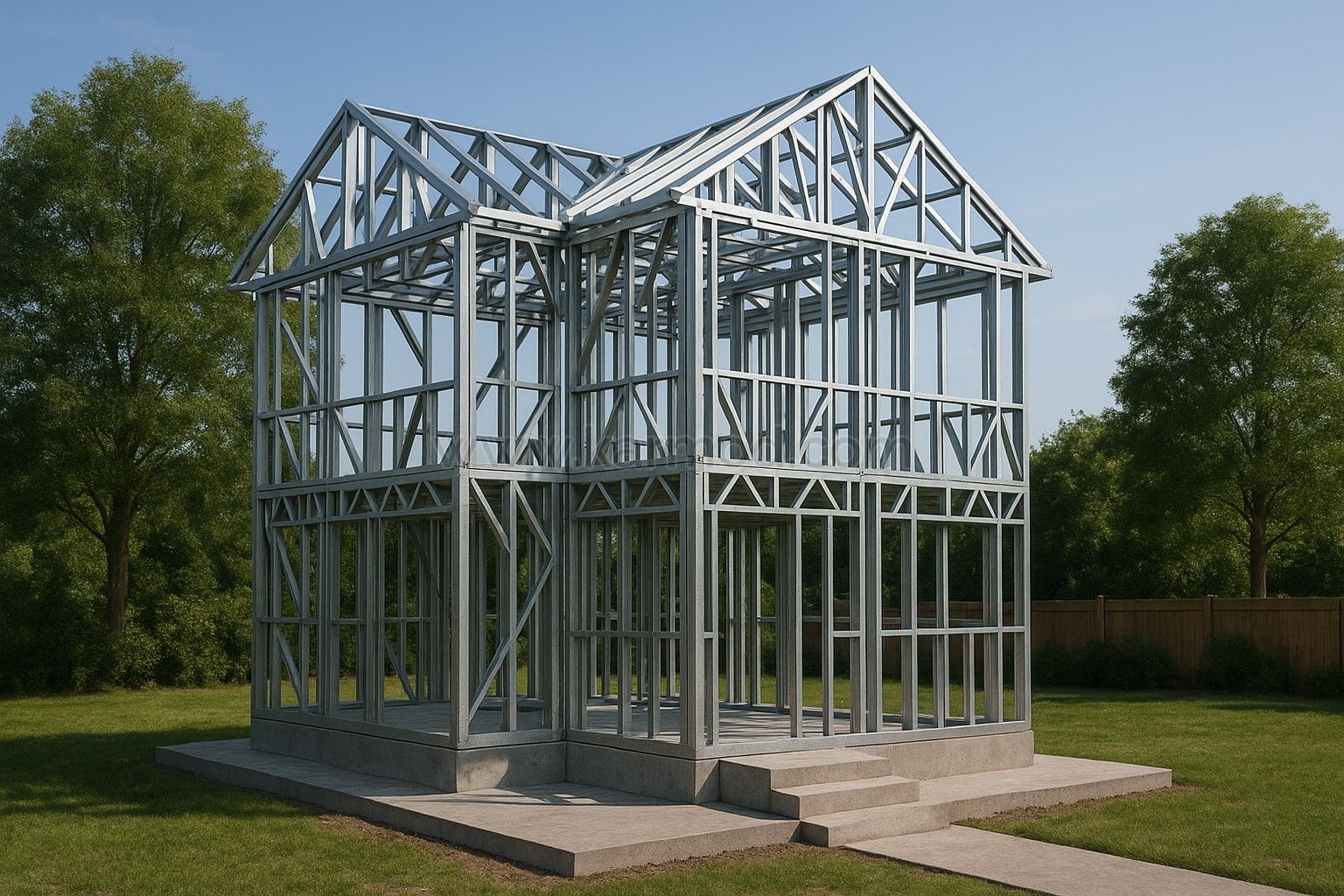
Common prefabricated materials include concrete panels, steel frames, timber modules, and lightweight composites. These materials are manufactured with precision in controlled environments, ensuring strength and durability. For residential use, kitchen and bathroom pods are also preassembled, allowing builders to simply “plug and play” during installation.
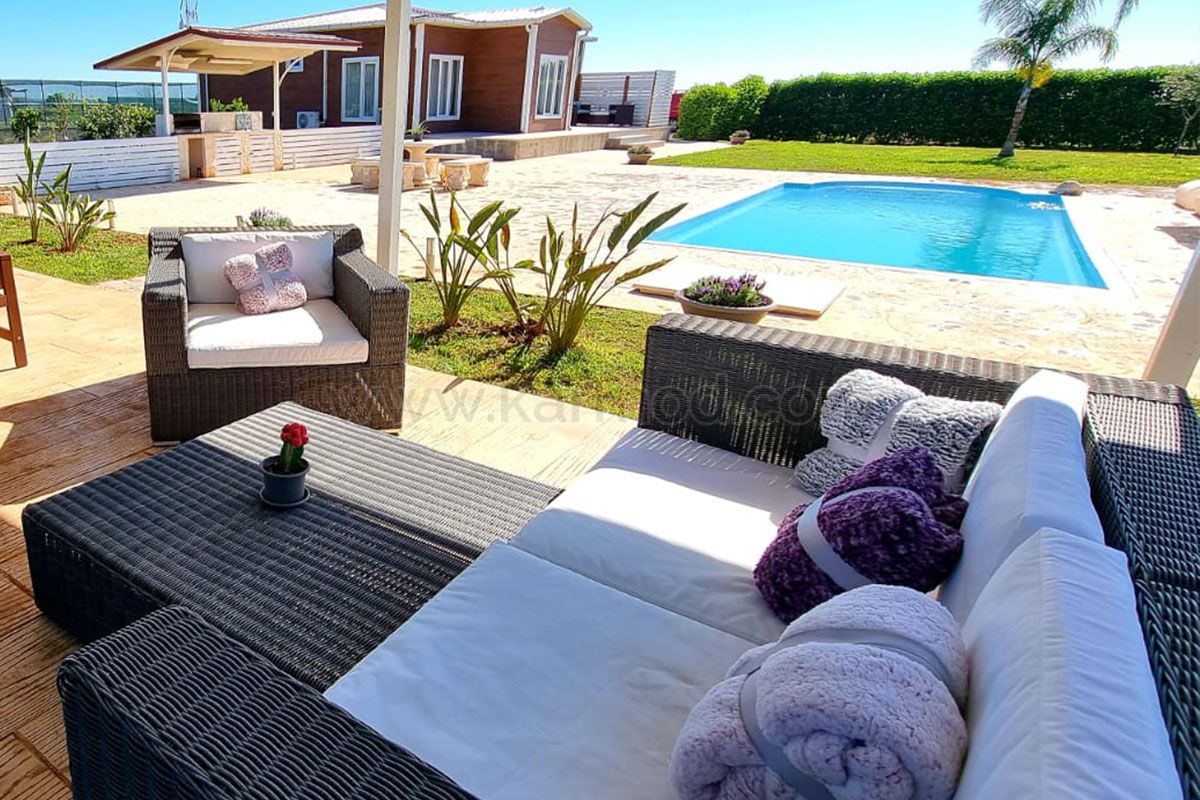
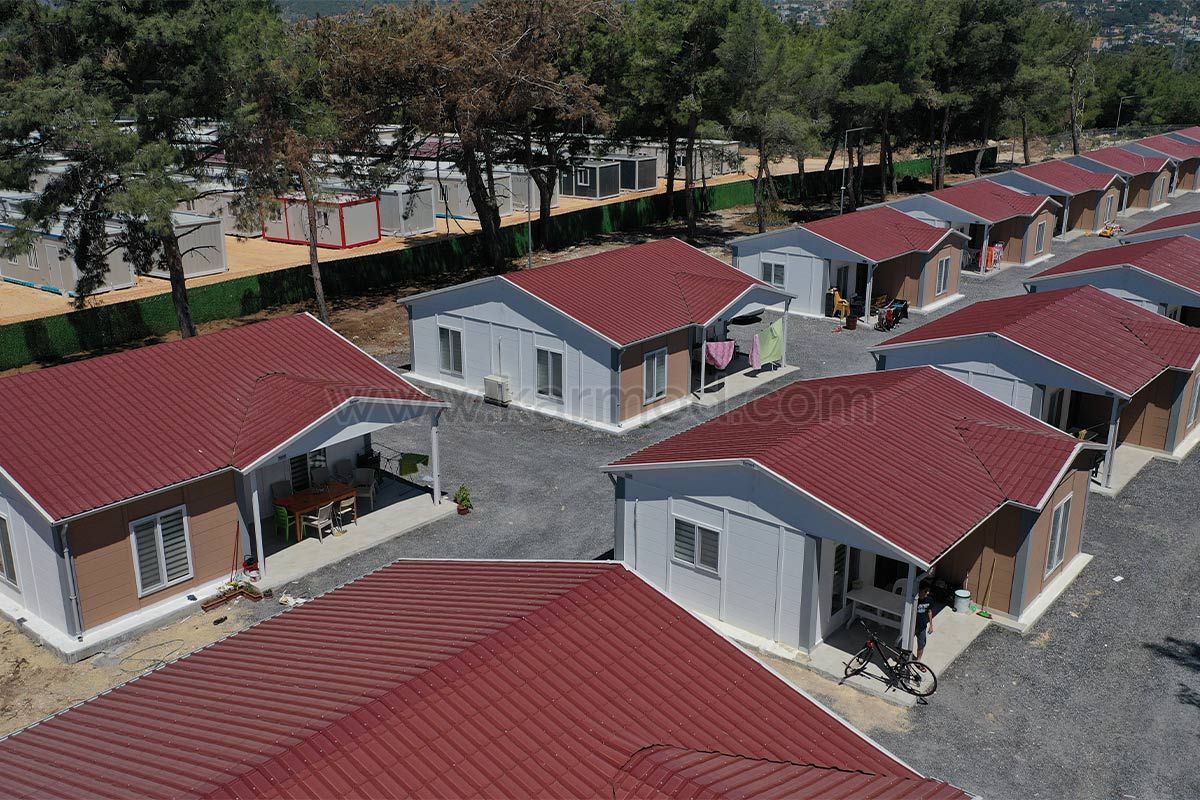
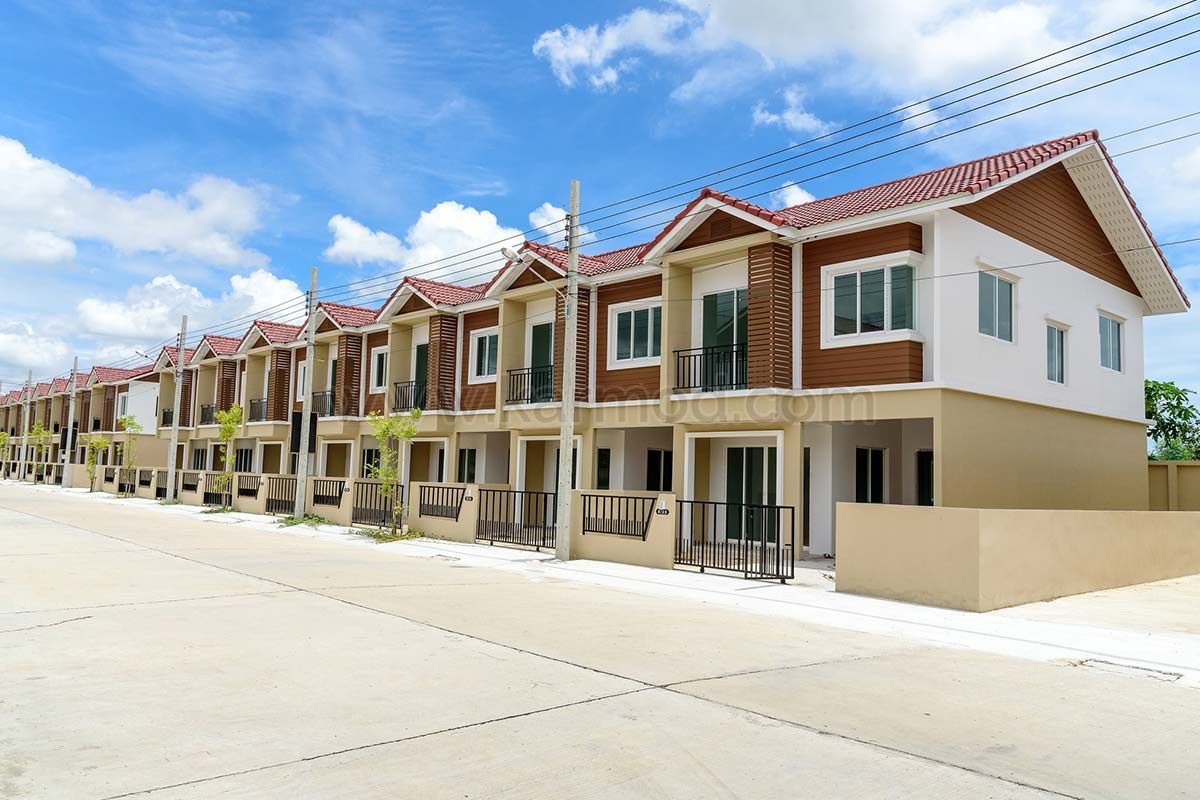
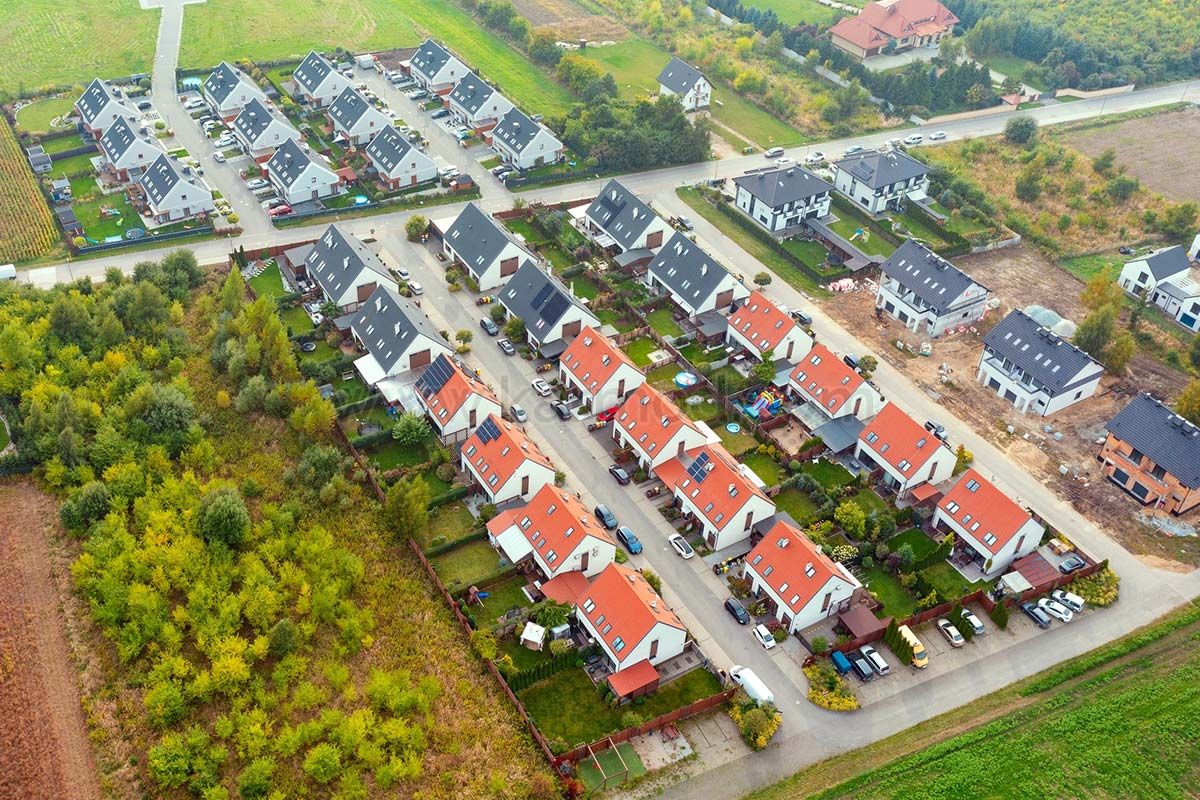
Prefabrication in construction refers to the process of manufacturing building components in a factory or workshop before transporting them to the construction site for assembly. This method streamlines the building process, improves quality control, and reduces waste. It differs from traditional construction, where most work is performed directly on-site.
Prefabricated components include walls, floors, staircases, roof trusses, and façade elements. These parts are designed to fit together seamlessly once delivered to the building site. By creating these standardized pieces in advance, contractors can speed up assembly, maintain higher precision, and minimize material waste.
The advantages of prefabrication include faster construction timelines, reduced labor costs, greater quality control, and less environmental impact due to minimized waste. However, there are also disadvantages: transporting large components can be challenging, customization options may be limited, and upfront costs can sometimes be higher. Despite these drawbacks, prefabrication remains a popular and growing trend in modern construction.
Successful prefabricated construction projects include modular apartment buildings in urban centers, prefabricated bridges, and even entire schools built within weeks. One of the most famous examples is a 57-story skyscraper in China that was assembled in just 19 days using prefabricated techniques. These examples demonstrate the scalability of prefabrication, from small residential units to massive infrastructure projects.
In order to serve you better, if you could kindly send an e-mail to info@karmod.com for questions and details about your theoretical and special architectural plans, projects, and product specifications, your request will be responded to as soon as possible.

From one end of the world to the other, we enable our customers to reach the ready-made construction sector produced with the new technology of the world. We guarantee reliability through technology and innovation, flexible commercial models and smart supply chain solutions that add value for you, following the project production network.
Discover
Karmod is one of the largest prefabricated construction companies in Turkey, with a production of 45,000 m2. produces high quality prefabs and prefab containers