EN
EN 


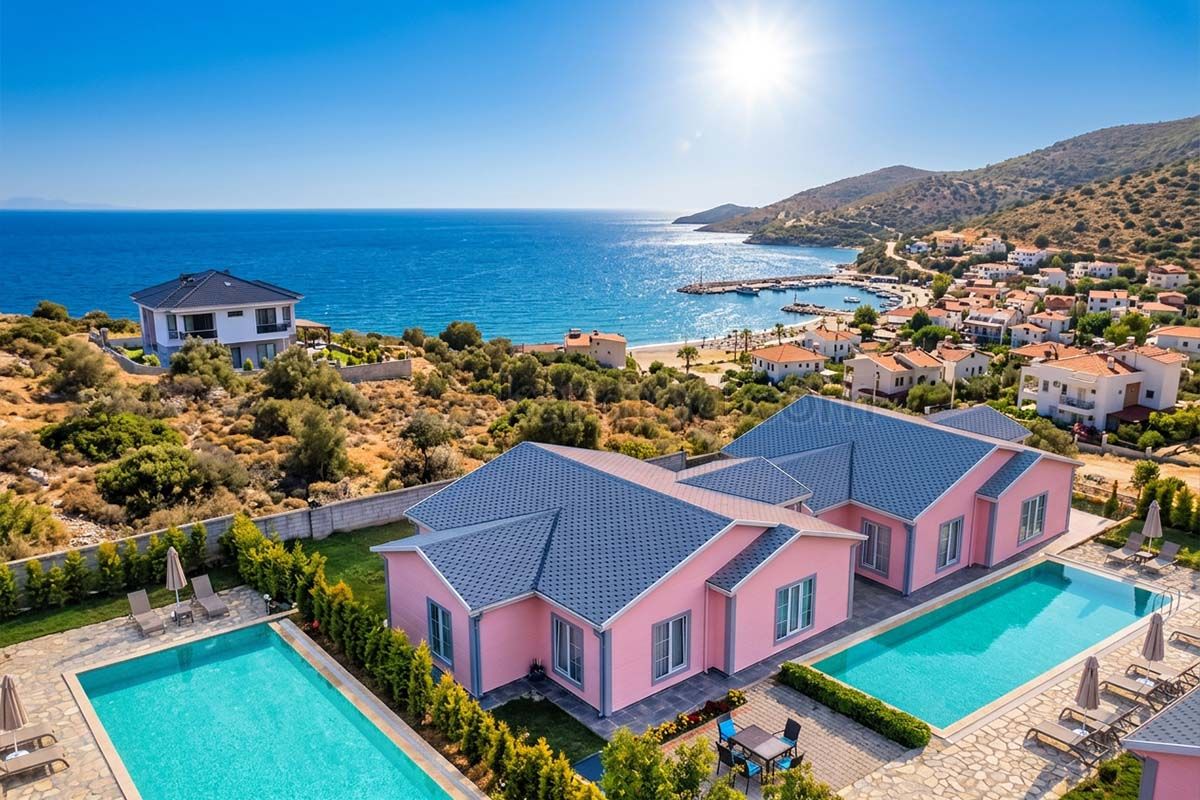
Sri Lanka is an Indian Ocean island nation with a tropical climate, high humidity, and seasonal monsoon rainfall that can affect construction timelines and material durability. Its housing needs range from dense urban areas such as Colombo to coastal towns and inland communities where site access, skilled labor availability, and weather windows can influence project planning. In this setting, a prefab house in Sri Lanka is often considered for its factory-controlled build quality, faster on-site program, and more predictable delivery compared to extended site-built work.
Prefab homes in Sri Lanka can suit the local context because modular housing solutions reduce on-site exposure during critical construction stages and allow clearer control over moisture management, ventilation planning, and durable finishes. As demand grows for practical, resilient housing, prefabricated housing solutions and modular construction systems support projects that prioritize schedule certainty, consistent standards, and adaptable layouts for changing household or project needs.
Sri Lanka’s climate requires attention to heavy rainfall, humidity, salt exposure in coastal zones, and heat management. Prefab and modular construction systems can be specified with region-appropriate roof detailing, drainage planning, corrosion-resistant components, and wall assemblies designed to manage moisture. When ventilation strategy, shading, and durable interior finishes are planned early, a prefab house in Sri Lanka can provide comfortable living with reduced long-term maintenance risk.
Housing and building projects across the island can face logistics constraints depending on site location, road access, and the need to coordinate multiple trades. Prefabricated housing solutions can simplify logistics by delivering planned components and reducing the time and labor intensity required on site. This is particularly helpful for coastal developments, regional towns, and sites where storage space and extended construction staging are limited.
Speed is a major reason for choosing prefab homes in Sri Lanka. With significant manufacturing completed off-site, installation can progress quickly once foundations and utilities are ready. Faster enclosure also helps protect interior works from rain events and supports more predictable scheduling for inspections and handover—especially during monsoon seasons.
Prefab homes prices in Sri Lanka typically depend on total scope: floor area, structural system, insulation and ventilation needs, interior finish level, and the complexity of the layout. Climate-driven specifications—such as corrosion protection, moisture-resistant materials, and roof drainage detailing—can also influence overall cost. Comparing options is usually most accurate when evaluating a complete delivered scope rather than a headline base rate.
Transport and handling costs can affect the final budget, especially for sites with restricted access, limited staging space, or additional lifting requirements. Coastal conditions may also require enhanced packaging and material protection during transit and storage. For multi-module projects, phased deliveries can be used to align with site readiness and reduce on-site congestion.
Because site access, climate exposure, and finish requirements vary widely across Sri Lanka, suppliers commonly provide project-based quotations. This approach helps align pricing to location, structural and envelope requirements, and the selected interior/exterior specification. It also supports clearer comparisons between prefabricated housing solutions by ensuring logistics and installation scope are included consistently.
A low cost prefab house in Sri Lanka is usually achieved through modular planning and controlled specification choices rather than reduced build integrity. Standardized modules, efficient room layouts, and phased upgrade options help keep budgets predictable while maintaining durability in humid and rainy conditions. Modular cost control can also limit scope creep by defining finishes, wet-area specifications, and installation inclusions upfront.
Even at entry-level budgets, affordability without quality loss depends on clarity about what is included—roof and drainage detailing, moisture-resistant finishes, ventilation approach, and corrosion protection. For reference, prefab homes can be specified at different levels depending on climate exposure, intended use, and preferred finish scope.


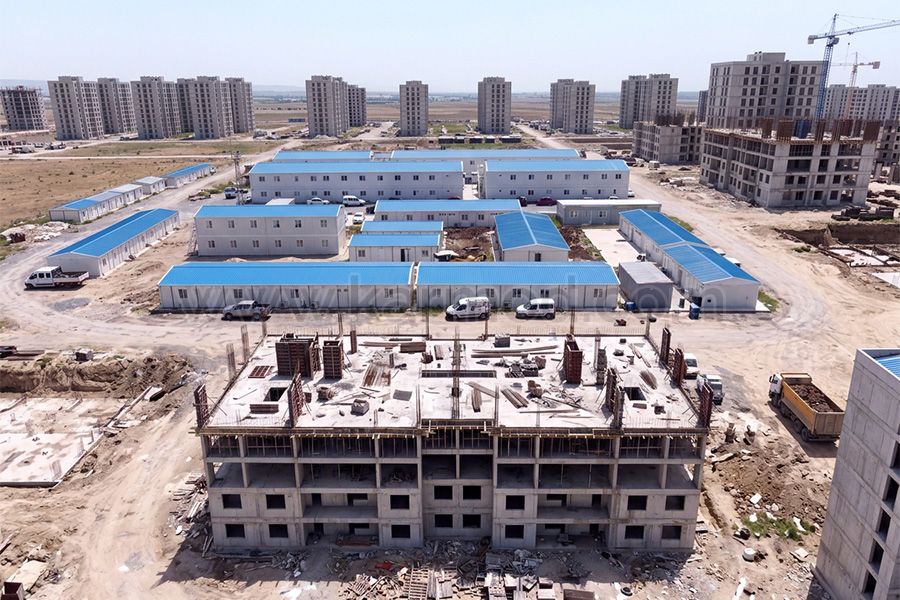
Community housing and public-interest projects often require fast delivery, repeatable standards, and predictable quality. Prefabricated housing solutions can support social housing by enabling consistent unit types that can be deployed across different districts with controlled specifications. This can be relevant for workforce accommodation, community housing programs, and rapid delivery initiatives where occupancy timelines are fixed.
For public or government-supported projects, modular housing solutions can reduce on-site disruption, shorten construction programs, and simplify coordination among trades. Fast deployment benefits are particularly relevant when housing needs increase after severe weather events or when temporary accommodation is required during redevelopment programs.
Prefab steel buildings in Sri Lanka are increasingly used for commercial, industrial, and leisure facilities where durability, efficient construction, and long service life are priorities. Steel structures can be well-suited to Sri Lanka’s tropical climate when specified with corrosion-resistant systems, proper drainage, and ventilation to manage humidity and heat.
High-quality prefab steel buildings can also offer flexible internal layouts for warehouses, workshops, retail spaces, and operational facilities. Long-term use planning typically focuses on protective coatings, envelope performance, and maintenance access to help manage wear in coastal and high-humidity environments.


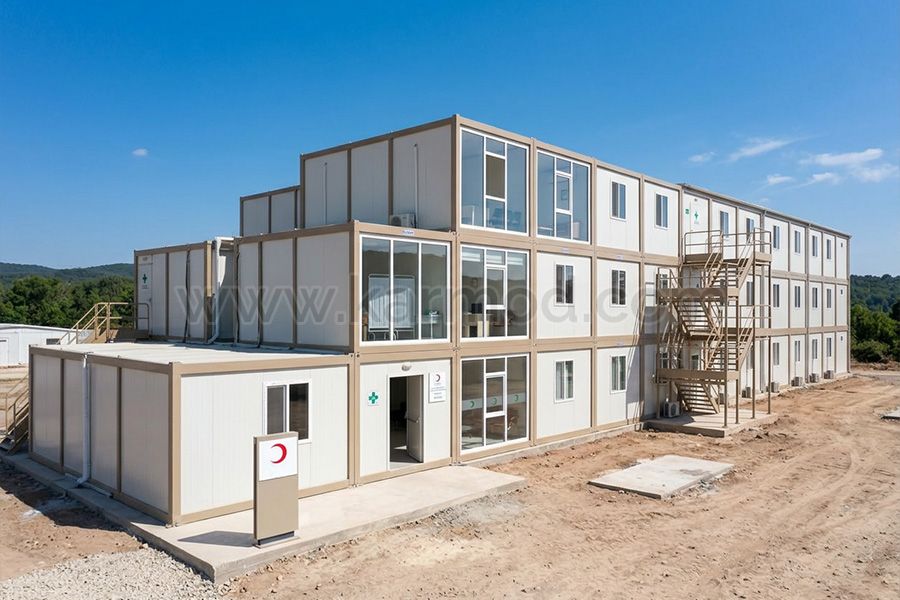
Modular homes in Sri Lanka are often selected for their adaptability and scalable planning. Modular construction systems allow layouts to be tailored for coastal living, suburban family housing, or compact urban plots, while keeping production controlled and repeatable. This approach can reduce material waste and support consistent quality checks during manufacturing.
Karmod’s modular homes can also support expandability, allowing owners to add rooms or adjust internal functions over time. For long-term planning, modular housing solutions make phased development easier—starting with essential spaces and expanding later—while maintaining a coherent structural and architectural plan.
In Sri Lanka’s climate, customization typically focuses on shading, ventilation strategy, moisture-resistant materials, and durable finishes that handle humidity and frequent rainfall. These measures help ensure comfort and long-term performance without excessive maintenance.
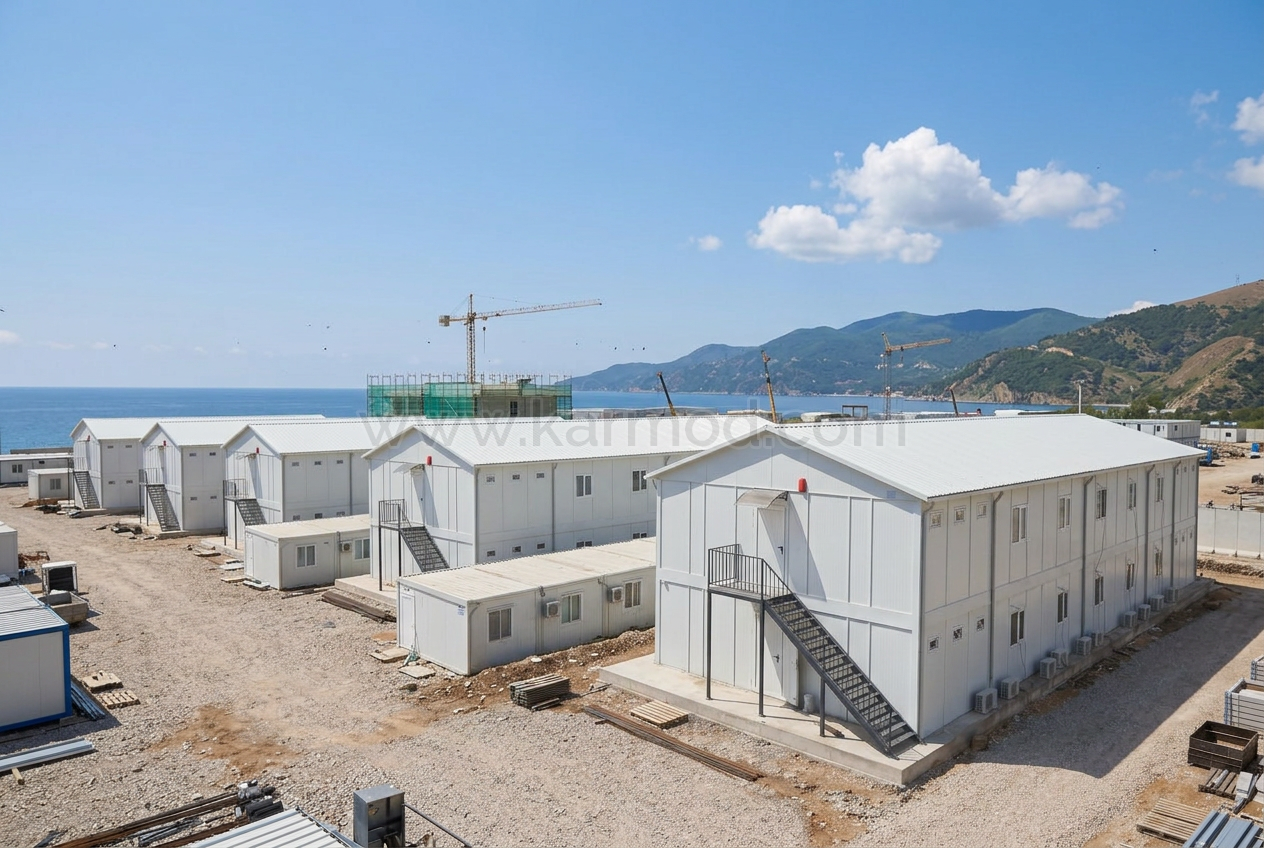
Mobile homes in Sri Lanka are commonly considered for temporary accommodation such as tourism operations, seasonal staff housing, site offices, and project-based deployments. Relocatable units can reduce the need for permanent construction where use is time-limited or where locations may change.
For project-based usage, mobile homes can be specified with practical climate measures—appropriate insulation for comfort, durable moisture-resistant interiors, and ventilation designed for humid conditions. In remote / climate-based construction contexts, relocatable solutions can support faster occupancy while minimizing extended on-site work.
In Sri Lanka’s prefab market, homeowners and project planners typically compare suppliers based on specification transparency, durability in tropical conditions, and the ability to deliver within predictable timelines. Karmod provides prefabricated housing solutions across prefab homes, prefab steel buildings, and modular housing solutions, supporting projects that prioritize controlled manufacturing and efficient installation. When evaluating prefab homes prices in Sri Lanka, the most reliable comparisons come from like-for-like scope reviews—climate specifications, finishes, logistics, and installation requirements—so the final build aligns with both budget expectations and long-term use needs.
In order to serve you better, if you could kindly send an e-mail to info@karmod.com for questions and details about your theoretical and special architectural plans, projects, and product specifications, your request will be responded to as soon as possible.

From one end of the world to the other, we enable our customers to reach the ready-made construction sector produced with the new technology of the world. We guarantee reliability through technology and innovation, flexible commercial models and smart supply chain solutions that add value for you, following the project production network.
Discover
Karmod is one of the largest prefabricated construction companies in Turkey, with a production of 45,000 m2. produces high quality prefabs and prefab containers