EN
EN 


Kiribati is a remote island nation in the central Pacific made up of widely dispersed coral atolls and reef islands. Its geography creates unique building challenges: limited land area, salt-laden coastal air, high humidity, and a tropical climate with heavy rain periods. The country’s distance from major supply hubs also affects construction timelines and access to materials, which makes planning, shipping, and on-site labor efficiency especially important.
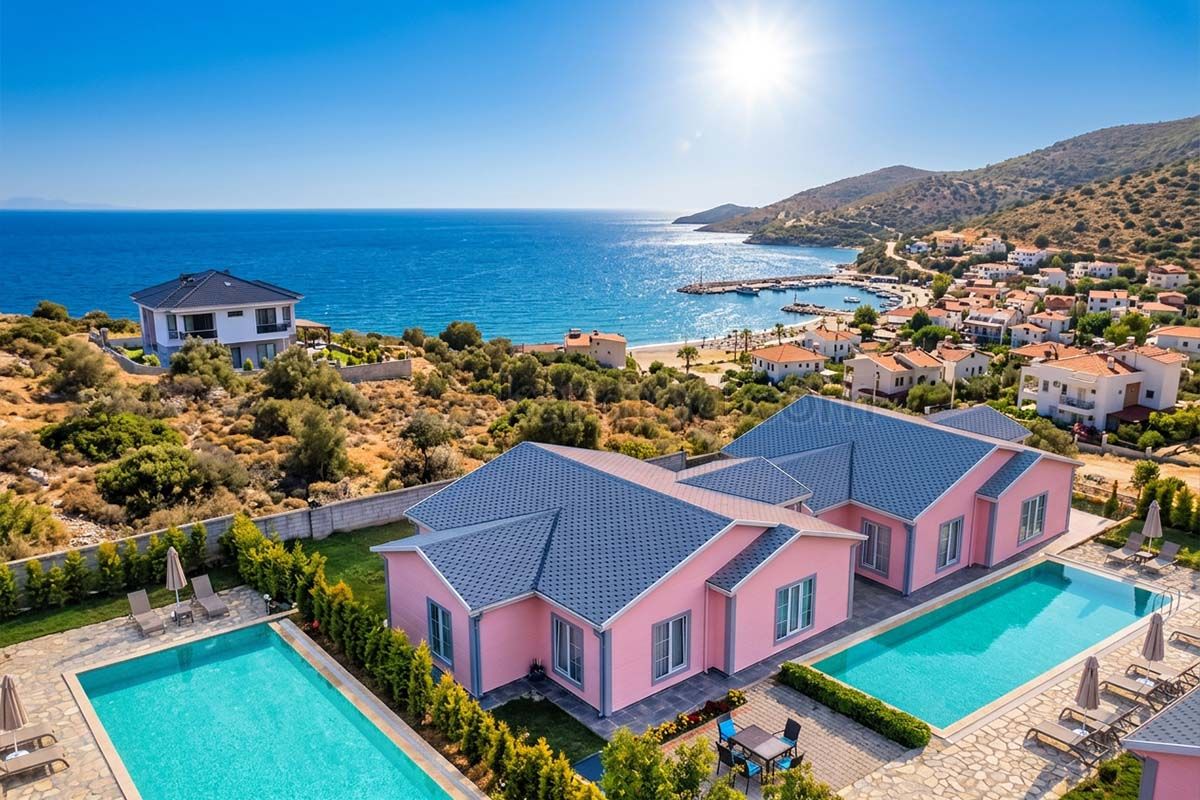
For these reasons, a prefab house in Kiribati is often considered a practical approach for delivering housing with more predictable quality and fewer on-site variables. Prefab homes in Kiribati are typically produced off-site and assembled on location, supporting modular housing solutions that can reduce waste, shorten construction time, and simplify coordination in logistically complex island environments. With the right specifications, prefabricated housing solutions and modular construction systems can also help address climate exposure such as salt corrosion, strong winds, and flooding risk.
Prefab homes can be adapted for different household sizes and site constraints, from compact layouts to larger family homes or multi-unit concepts. Standardized modules can improve consistency, while customization options allow adjustments to room configuration, ventilation strategy, and finish levels. Because much of the work is completed before delivery, on-site activity can be focused on foundations, assembly, and connections—often helping reduce disruption and dependence on extended on-site construction phases.
Kiribati’s coastal conditions make resistance to moisture and salt air a key requirement. Well-designed prefab systems can incorporate corrosion-protected components, moisture-tolerant assemblies, and ventilation planning suited to high humidity. Wind exposure is another factor across low-lying atolls, so structural detailing and anchoring should be aligned with local engineering guidance and site exposure. Where flooding is a concern, elevated floor solutions and practical drainage planning can help improve resilience.
As a geographically dispersed nation, Kiribati faces higher logistics complexity than many mainland markets. Prefab construction can reduce the number of separate material shipments by delivering coordinated building components as a planned package. This can help with staging on limited land, reduce dependency on multiple local deliveries, and support construction on outer islands where access to supplies and equipment may be constrained.
Shorter on-site timelines can be beneficial in remote settings, especially when projects must align with shipping schedules and weather windows. Prefabrication shifts a portion of the work into controlled manufacturing conditions, while on-site work focuses on assembly and finishing connections. This can support faster occupancy for households, workforce accommodation, and community housing needs.
Pricing for prefab homes in Kiribati is generally influenced by the model size, specification level, and what is included in the scope (structure, exterior envelope, interior finishes, and readiness for utilities). Site conditions such as soil, elevation needs, foundation type, and accessibility can also affect the overall budget. In island settings, total cost planning should consider not only the unit price but also the logistics pathway from port handling to final site placement.
For those comparing options, Karmod’s prefab homes range can help illustrate typical layouts and finish levels, while final pricing is usually confirmed through a project-based quotation tailored to the chosen configuration and delivery plan.


Pricing logic: Prefab home costs typically scale with floor area, structural requirements, insulation and ventilation needs, and selected interior/exterior finishes. Standardized designs can help control cost by limiting custom engineering and non-standard components.
Transport and logistics impact: Kiribati’s remoteness means freight, container planning, port handling, and inter-island transport can significantly affect overall cost. The final site location—especially on outer islands—may require additional planning for offloading, equipment, and safe staging.
Project-based quotation approach: A reliable quote usually considers wind exposure, corrosion protection needs, elevation/flood considerations, and the full logistics route. This approach helps clarify inclusions and reduces the risk of unexpected scope gaps during delivery and installation.
A low cost prefab house in Kiribati is typically achieved through efficient planning rather than reducing essential performance features. Keeping layouts compact, using standardized module sizes, and selecting practical finishes can support affordability while maintaining durability in humid, coastal conditions.
Affordability without quality loss: Cost control should preserve key specifications such as corrosion resistance, moisture management, and wind-ready structural detailing. These factors are particularly relevant in salt-air environments where inadequate protection can lead to higher maintenance over time.
Modular cost control: Modular construction systems can improve budget predictability by reducing on-site labor time, limiting material waste, and simplifying procurement. Aligning openings and interior partitions with standard module dimensions can further reduce complexity and support faster installation.
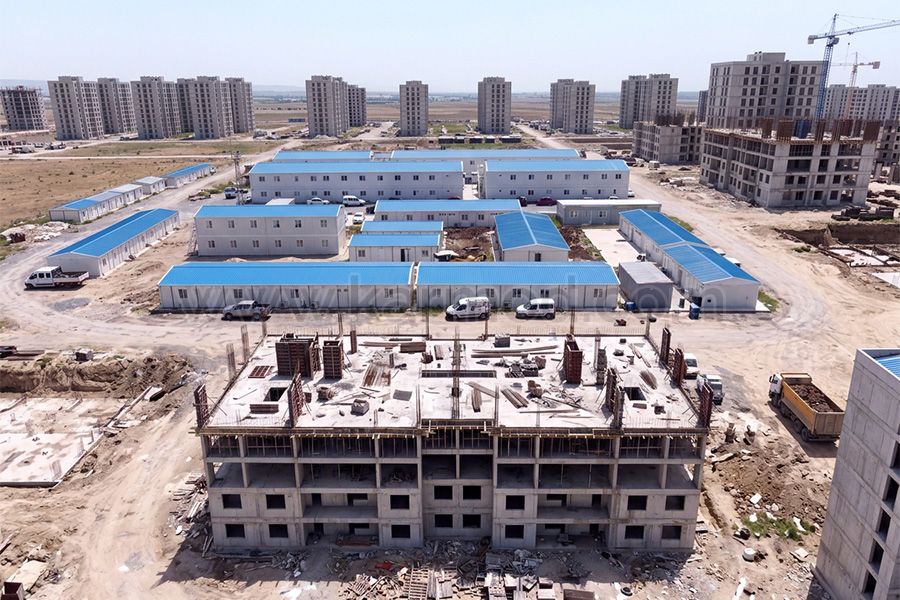
Kiribati’s housing needs can include community-oriented developments, workforce housing, and resilient homes designed for environmental exposure. Prefab and modular housing solutions can support social housing programs by enabling repeatable unit designs, consistent quality, and phased rollouts based on funding and land availability.
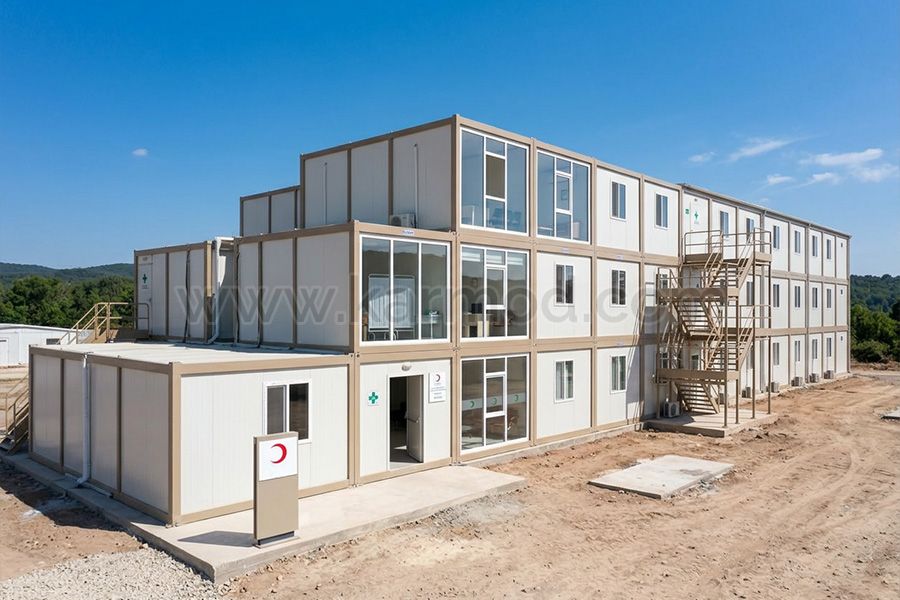
Community housing: Modular planning can help deliver multiple units with consistent standards while allowing variations for household size. Designs can also support shared community facilities, such as communal spaces, classrooms, or health posts where needed.
Public / government projects: For public-sector initiatives, standardized specifications and predictable timelines can simplify procurement and delivery coordination. Prefabricated housing solutions may also help improve transparency around scope, inclusions, and delivery schedules.
Fast deployment benefits: When urgent housing is required—such as after severe weather—prefab systems can reduce on-site construction time and support quicker occupancy, provided groundwork, permissions, and utility planning are coordinated early.
Prefab steel buildings in Kiribati are often selected for facilities that require strength, long spans, and long-term use, such as storage, workshops, small industrial buildings, schools, clinics, and offices. In coastal climates, appropriate corrosion protection, detailing, and maintenance planning are critical for durability.
Steel structures can be designed for high wind exposure and assembled efficiently, which can be valuable when construction windows are tight. For planning and technical reference, Karmod’s prefab steel buildings information can be reviewed alongside local engineering requirements and the specific exposure conditions of the project site.
Modular homes in Kiribati provide flexibility for households and project planners who need adaptable layouts and the option to expand over time. Modular construction systems can support staged development—starting with essential rooms and adding modules later—useful for growing families, rental annexes, or community developments that must be delivered in phases.


Customization: Modular layouts can be configured to support cross-ventilation, shaded outdoor transitions, and practical interior zoning for tropical living. Finish levels and façade treatments can be selected to align with local preferences and maintenance realities.
Expandability: Planning for future modules can help keep upgrades straightforward and avoid costly redesign. This is useful where land constraints require efficient footprints or where household needs change over time.
Long-term planning: For long-term performance, it is important to account for corrosion protection, moisture management, and site drainage. On low-lying islands, elevation strategies and foundation design should be aligned with local conditions and flood risk considerations.


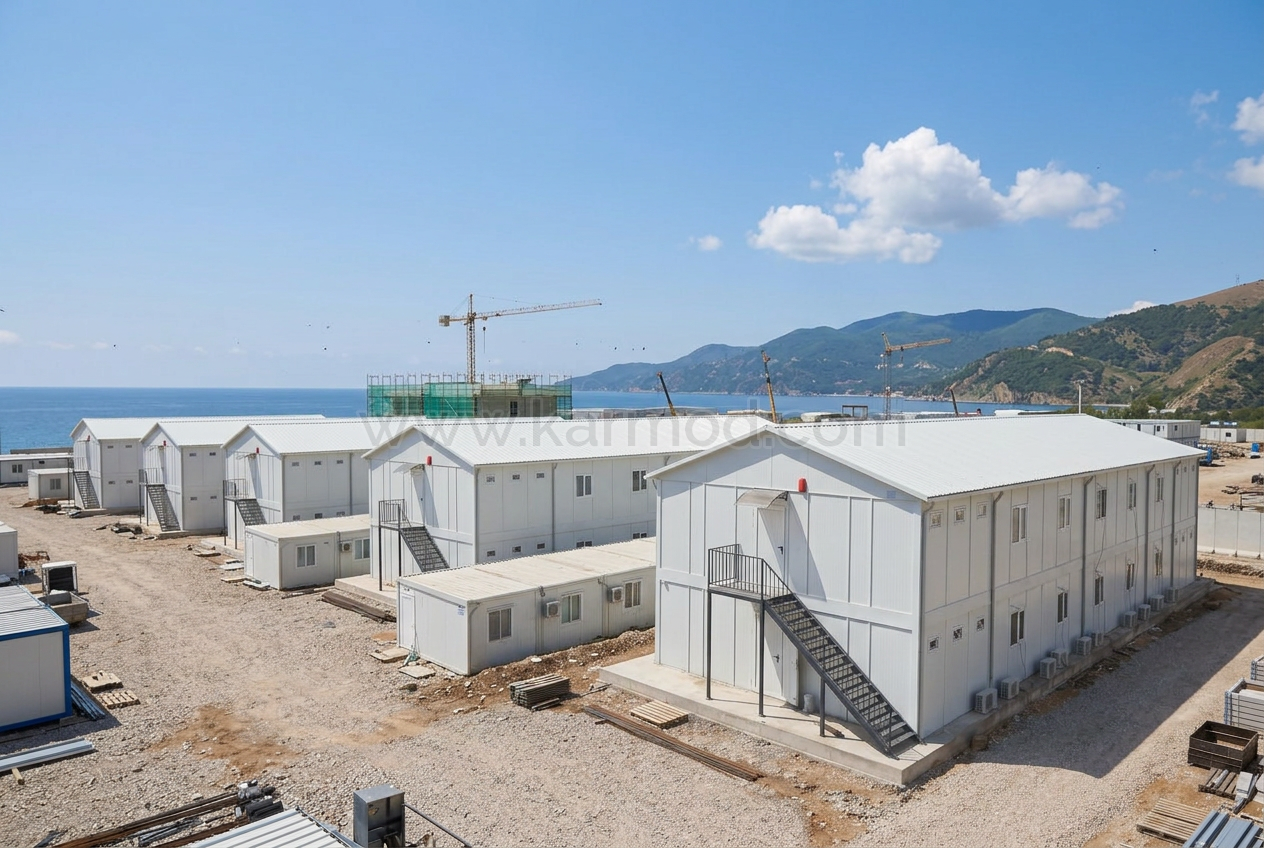
Mobile homes in Kiribati can be suitable for temporary accommodation, workforce housing, or phased projects where relocatable units are beneficial. In remote island contexts, these solutions can reduce the need for extensive on-site construction when short-term occupancy is the priority.
Temporary housing: Mobile units can be deployed for seasonal work, construction teams, or interim housing needs. Specifications should prioritize ventilation, moisture-resistant materials, and practical shading solutions for comfort in tropical conditions.
Relocatable solutions: Because relocation is part of the use case, access routes, lifting points, and transport constraints should be considered early. This helps ensure the unit can be moved safely when project needs change.
Project-based usage: Mobile home deployment is typically planned as a project package that includes delivery method, site preparation, anchoring approach, and utility connections. In Kiribati, where shipping and handling can significantly influence feasibility and cost, this structured approach supports clearer planning and budgeting.
In order to serve you better, if you could kindly send an e-mail to info@karmod.com for questions and details about your theoretical and special architectural plans, projects, and product specifications, your request will be responded to as soon as possible.

From one end of the world to the other, we enable our customers to reach the ready-made construction sector produced with the new technology of the world. We guarantee reliability through technology and innovation, flexible commercial models and smart supply chain solutions that add value for you, following the project production network.
Discover
Karmod is one of the largest prefabricated construction companies in Turkey, with a production of 45,000 m2. produces high quality prefabs and prefab containers