EN
EN 


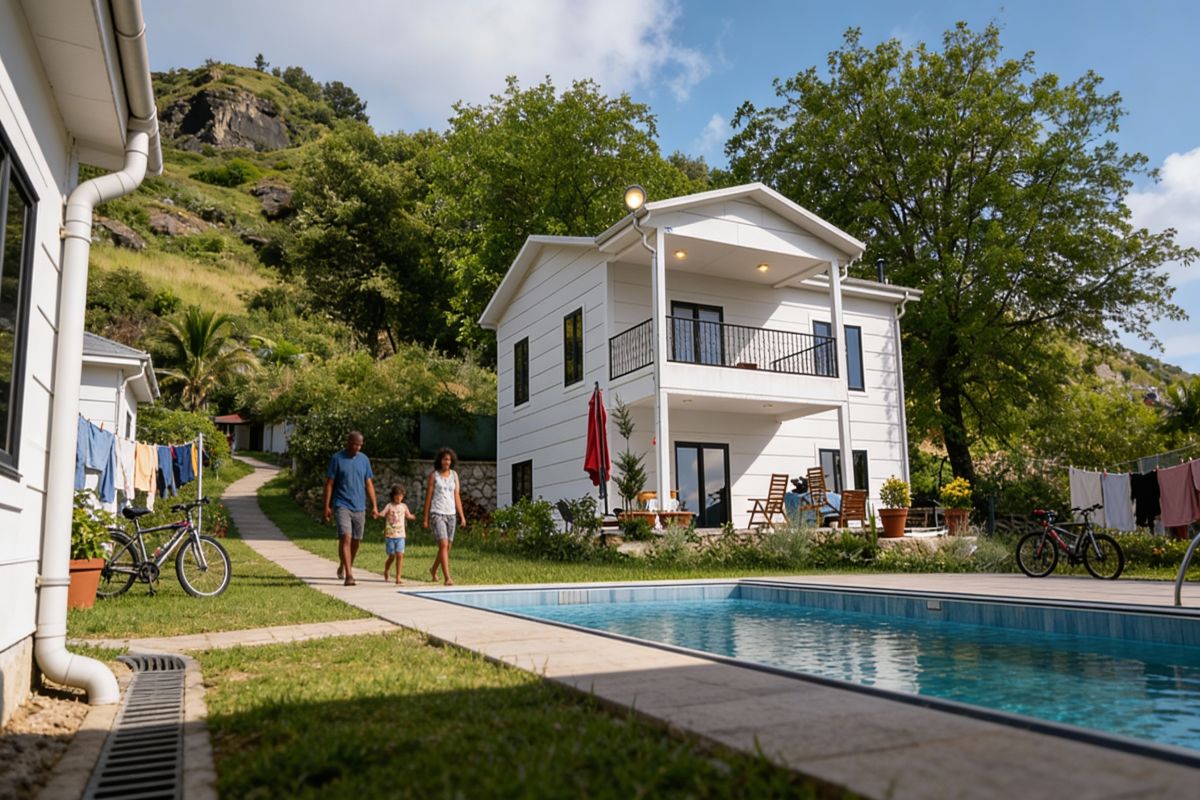
Grenada is a small island nation in the southern Caribbean, made up of the main island of Grenada and the smaller islands of Carriacou and Petite Martinique. Its tropical maritime climate brings heat, humidity, and heavy seasonal rainfall, and the wider region can be affected by tropical storms and hurricanes. With an economy shaped by tourism, services, and agriculture (including spice production), construction materials and skilled labor are often imported or limited, and project timelines can be sensitive to shipping schedules and weather windows.
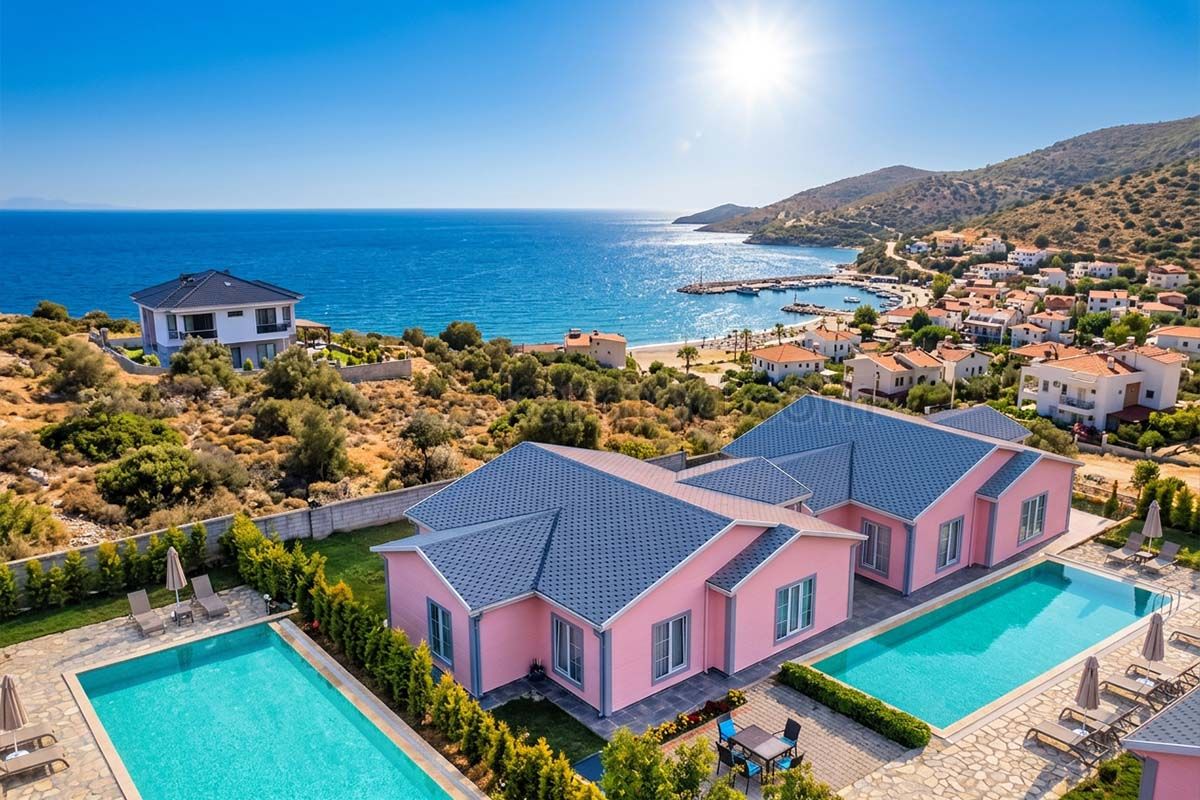
In this context, a prefab house in Grenada can be a practical way to deliver durable, predictable housing with fewer on-site variables. Prefab homes in Grenada are typically manufactured off-site, then transported and assembled using modular housing solutions that help control quality, reduce waste, and shorten installation time. For coastal, hillside, and remote locations across the islands, prefabricated housing solutions and modular construction systems can also simplify logistics and support faster recovery or expansion when housing demand increases.
Prefab homes can be configured for different household sizes and site conditions, from compact layouts to larger family plans. Because many components are produced in controlled factory environments, finishes and technical details can be standardized while still allowing customization for room arrangement, roof type, and insulation needs. On-island assembly can be planned around local access, crane availability, and short weather windows, helping projects stay organized and minimizing disruption at the building site.
Grenada’s humid tropical conditions, salt air near the coast, and intense rainfall make moisture control and corrosion resistance important. Well-specified prefab systems can integrate appropriate ventilation paths, insulation strategies, and protective coatings, while also supporting roof and wall assemblies designed for high wind loads. For hillside plots and coastal zones, the structural approach and anchoring details should be evaluated with local engineering requirements and site exposure in mind.
As an island market, Grenada depends on maritime transport for many building inputs. Prefab packages can reduce the number of separate material deliveries by shipping pre-engineered components in planned loads, which can help simplify staging on constrained sites. This approach is especially useful when building outside major centers or on smaller islands where access and storage space can be limited.
Traditional builds may be slowed by labor availability, intermittent deliveries, or rain periods. Prefabrication shifts much of the work off-site, so on-site phases focus on foundations, assembly, and connections. That shorter site timeline can be valuable for time-sensitive housing needs, post-storm replacements, and projects that must be completed during a specific season.
Prefab home pricing in Grenada typically depends on the building size, specification level, and the scope of what is included (structure, exterior envelope, interior finishes, and MEP readiness). Costs also vary based on site conditions such as slope, soil preparation needs, and the type of foundation required. Where applicable, standardized models can help make budgets more predictable, while customized designs may require additional engineering and detailing.
Karmod provides prefabricated housing solutions for different use cases, and detailed proposals often clarify what is included in the package and what remains on-site. For reference, its prefab homes range can be evaluated as a starting point for layout options and specification levels while final cost should be matched to local requirements, permissions, and site realities.


Transport and logistics impact: As an island destination, shipping distance, container loading plans, port handling, and inland transport to the site can materially affect total project cost. Remote or constrained sites may require additional equipment planning, shorter delivery windows, or phased shipments.
Project-based quotation approach: For accuracy, pricing is usually prepared as a project-based quotation that considers the selected model, intended occupancy, insulation and ventilation needs, wind exposure, and the logistics plan for delivery and assembly in Grenada. This helps align the package with local conditions and reduces the risk of scope gaps.
A low cost prefab house in Grenada can be achievable by focusing on efficient layouts, standardized modules, and practical finish selections rather than reducing essential performance features. Affordability should not come at the expense of durability in humid, coastal conditions or under high wind exposure.
Modular cost control: Modular construction systems can help manage cost through repeatable components, clearer bills of materials, and fewer on-site change orders. Choosing a compact footprint, limiting complex roof geometry, and aligning window/door sizes with standard modules are common ways to keep budgets under control while preserving livability and structural integrity.
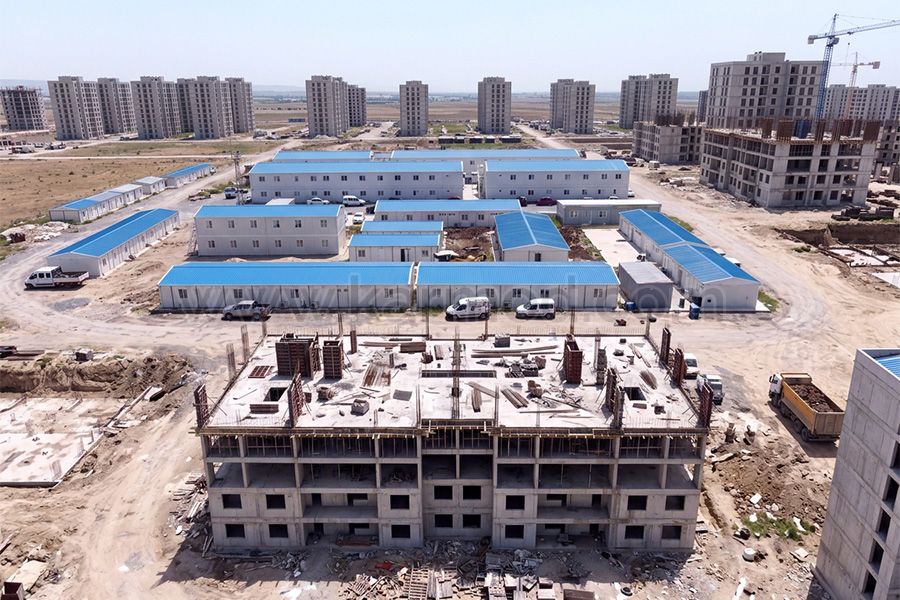
Social and community housing in Grenada may involve rapid delivery, consistent quality across multiple units, and the ability to build in phases as funding or land availability changes. Prefab and modular housing solutions can support these goals by providing repeatable unit types that can be deployed across different sites while maintaining standardized construction quality.
Public / government projects: For public-sector or institutional programs, prefabricated housing solutions can help provide clearer procurement specifications, predictable timelines, and easier coordination of materials. Unit configurations can be adapted to local household needs, accessibility requirements, and community planning considerations.
Fast deployment benefits: When urgent housing is needed—such as after extreme weather events—prefab systems can reduce time on site and accelerate occupancy, provided that approvals, foundations, and utility connections are planned in parallel.
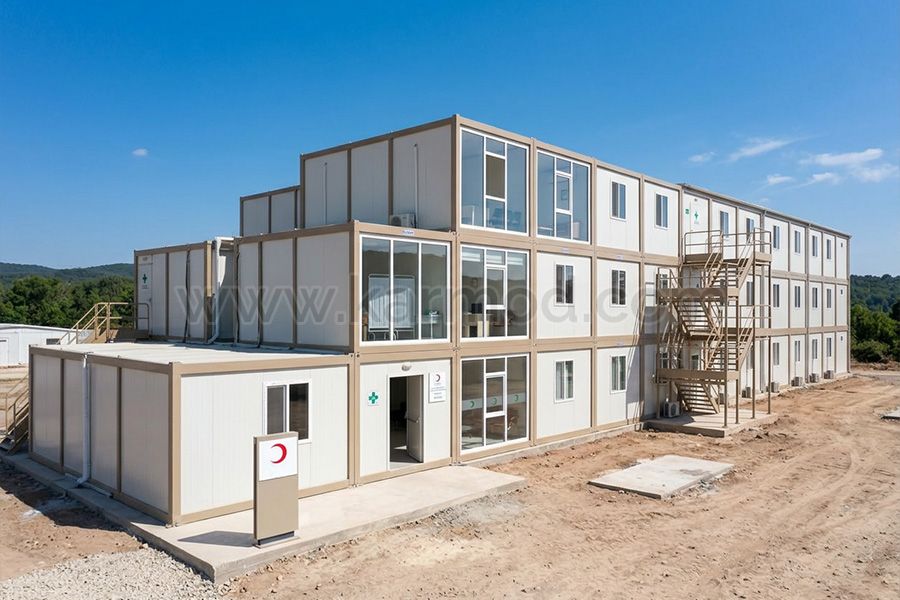
Prefab steel buildings in Grenada are often selected for applications that require strength, long spans, and long-term durability. In humid coastal environments, correctly specified protective coatings, corrosion-resistant detailing, and maintenance planning are important for performance over time.
Steel systems can be used for warehouses, workshops, educational facilities, offices, and mixed-use community buildings. Their predictable structural behavior and prefabricated production can support faster site assembly and clearer coordination for doors, windows, and service penetrations.
For planning and technical reference, Karmod’s prefab steel buildings information can be reviewed alongside local engineering requirements and site exposure conditions in Grenada to determine appropriate detailing, insulation needs, and weather-resistance features.
Modular homes in Grenada can be planned to suit a wide range of sites, from coastal plots to hillside locations, with flexibility in room arrangement and future expansion. Modular construction systems allow homeowners and project planners to prioritize essential spaces first, then add modules later as needs change—such as adding a bedroom, home office, or covered terrace.


Customization: Modular homes can be configured with different façades, interior finish levels, and climate-appropriate features such as ventilation planning and moisture management. Design choices can also reflect local preferences, from simple contemporary forms to elements that align with Caribbean architecture.
Expandability: A modular approach can support incremental growth, which can be useful for multigenerational living, rental annexes, or phased development. Planning expansion paths early helps maintain structural continuity and simplifies future installation work.
Long-term planning: For durability and comfort, long-term performance should be evaluated based on site exposure, wind load requirements, drainage planning, and corrosion protection—especially near the coast and in areas with intense rainfall.


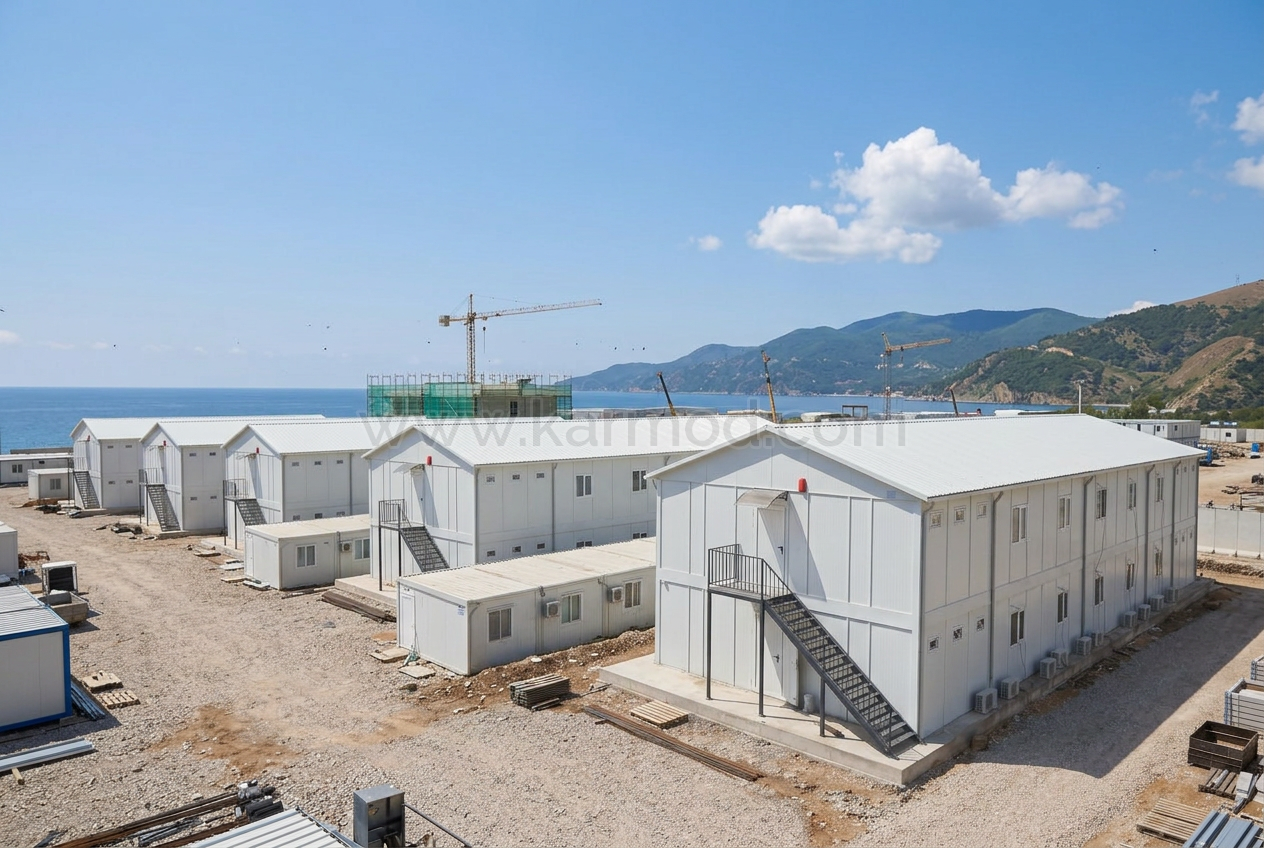
Mobile homes in Grenada are typically used where temporary or relocatable accommodation is needed, such as for construction teams, seasonal staffing, short-term housing demand, or phased site development. They can also be practical for remote areas where a fully permanent build is not yet planned.
Temporary housing: Mobile units can be deployed quickly and connected to utilities where available, supporting short occupancy timelines with basic comfort standards. In tropical climates, specifications should prioritize ventilation, shading, and moisture-resistant materials.
Relocatable solutions: Because units are designed to move, access routes, lifting points, and transport constraints should be considered from the beginning. This helps avoid redesign and supports predictable relocation when project needs change.
Project-based usage: Mobile homes are often quoted and planned as part of a project package that includes delivery method, placement, anchoring strategy, and site services. This approach is especially important in island environments where transport and handling can significantly influence overall feasibility and cost.
In order to serve you better, if you could kindly send an e-mail to info@karmod.com for questions and details about your theoretical and special architectural plans, projects, and product specifications, your request will be responded to as soon as possible.

From one end of the world to the other, we enable our customers to reach the ready-made construction sector produced with the new technology of the world. We guarantee reliability through technology and innovation, flexible commercial models and smart supply chain solutions that add value for you, following the project production network.
Discover
Karmod is one of the largest prefabricated construction companies in Turkey, with a production of 45,000 m2. produces high quality prefabs and prefab containers