EN
EN 


The United States of America spans a vast range of geographies—from coastal plains and deserts to mountain regions and hurricane-prone shorelines—creating highly varied building requirements across states. With climate extremes (heat waves, heavy snowfall, hurricanes, wildfire risk) and a housing market shaped by mobility, labor costs, and regional permitting, Americans increasingly look for construction methods that can deliver predictable quality with less time on site.
In this environment, choosing a prefab house in United States of America can be a practical way to manage budget, scheduling, and performance expectations. Prefab homes in United States of America are often selected for their faster build timelines, controlled manufacturing standards, and the ability to adapt designs to different climate zones. Supported by modular housing solutions and modular construction systems, prefabricated housing solutions can reduce weather delays, improve material efficiency, and simplify construction planning compared to conventional builds.
The journey into prefab living often begins with an exploration of prefab homes prices in United States of America. Here, prospective homeowners compare designs, specifications, and delivery timelines to understand overall value. While pricing differs by region and scope, the core appeal remains consistent: efficient construction, customization options, and scalable project planning without sacrificing structural standards or comfort.
Prefab and modular building methods are used across the country for primary residences, accessory units, rural builds, workforce housing, and community projects. The ability to manufacture key components off-site helps reduce disruption on the property and can support builds in places where on-site labor availability or weather windows are limited.


Because building requirements differ widely between states, prefab homes in United States of America are often planned around climate performance, supply-chain coordination, and efficient installation. Modular construction systems make it easier to standardize quality while still adapting layouts and specifications to local needs.
From snow loads in northern states to hurricane exposure along the Gulf and Atlantic coasts, prefab house in United States of America projects typically prioritize structural engineering, insulation strategy, and moisture management. Depending on the region, specifications may include reinforced framing, high-performance wall assemblies, and roof systems designed for wind or snow loads.
The U.S. market often involves long transport distances and varying site access—from dense urban lots to remote rural parcels. Prefabricated housing solutions support logistics planning by reducing on-site material staging and compressing the schedule. For projects in regions with limited skilled labor availability or tight building seasons, modular housing solutions can help stabilize timelines.
Prefab homes in United States of America are commonly chosen to shorten build time and reduce weather-related delays. Factory production allows key components to be prepared in parallel with site works, helping the installation phase proceed more efficiently once foundations and utilities are ready.
Prefab homes prices in United States of America depend on a combination of design complexity, square footage, material specifications, insulation level, code requirements, and site conditions. In practice, cost comparisons work best when evaluating complete scope: the building package plus transportation, installation, and local site works.
Most prefabricated housing solutions follow a specification-based pricing approach: the more customized the layout and performance features (insulation upgrades, façade options, interior finishes), the more the budget shifts. Standardized modular construction systems can help control costs by limiting custom fabrication and improving production efficiency.
Delivery costs vary widely across the United States due to distance, route constraints, permitting needs for transport, and site accessibility. For rural or hard-to-access lots, logistics planning may influence crane time, staging, and installation sequencing—factors that can affect total project cost for a prefab house in United States of America.
Because regional codes and site conditions vary by state and county, pricing is typically confirmed through a project-based quotation. This helps align the design with local requirements (wind zones, snow loads, energy code targets) and clarifies what is included versus what is handled locally (foundation, utility connections, permits).
A low cost prefab house in United States of America cost plan usually focuses on standardized layouts, simplified rooflines, and controlled finish selections while maintaining structural quality. Affordability does not need to mean lower performance; modular cost control comes from repeating proven components, reducing waste, and minimizing rework.
For homeowners comparing entry-level and mid-range options, reviewing different configuration types can help set realistic expectations on size, specification, and installation scope. See prefabricated house models to understand typical layouts and system approaches.
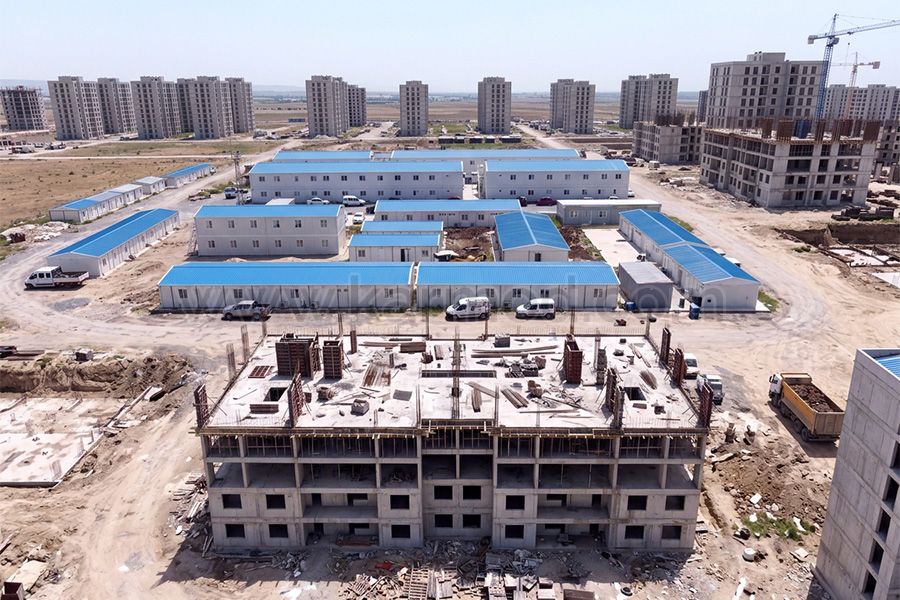
Across the United States, housing shortages and rapid population shifts have increased interest in scalable construction methods for community housing. Prefabricated housing solutions can support social housing projects by enabling repeatable unit designs, consistent quality control, and faster delivery compared to many traditional build programs.
For public or government-supported projects, modular construction systems can reduce schedule risk by manufacturing units in parallel with site preparation. This approach also supports phased delivery, where neighborhoods or multi-building developments are installed in planned stages to match funding and infrastructure readiness.
Fast deployment is a core advantage in circumstances such as post-disaster housing needs, temporary community housing, or time-sensitive workforce accommodation, where speed and predictability matter.
In the United States, prefab steel buildings are widely used for commercial, industrial, agricultural, and mixed-use applications. Prefab steel buildings in United States of America are valued for structural strength, clear-span flexibility, and performance across demanding climates.
Durability is a key driver: steel frames resist many common structural issues associated with pests and long-term deformation. For regions exposed to hurricanes, heavy snow, or seismic activity, engineered steel systems can be specified to meet relevant load requirements.


Weather resistance depends on the complete building envelope—insulation, cladding, roofing, and moisture detailing—combined with the structural system. When designed for the local climate zone, prefab steel buildings in United States of America can support long-term use with predictable maintenance planning.
Long-term adaptability is another advantage. Steel structures can often be expanded or reconfigured, making them suitable for growing businesses, warehousing needs, workshops, and facilities that may change use over time.
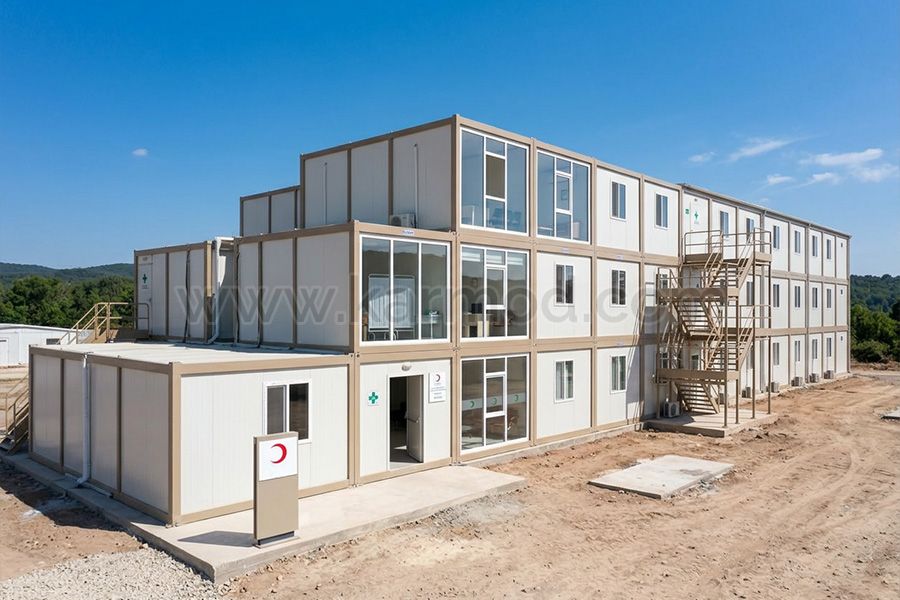
Modular homes in United States of America are built using modular construction systems that combine controlled manufacturing with on-site assembly. These homes are used for a wide range of residential needs, from primary family homes to secondary dwellings and region-specific builds that require reliable scheduling.
Homeowners can typically adjust floor plans, room configurations, and finish packages to reflect lifestyle priorities. In many cases, design choices also support climate performance goals such as insulation upgrades, window specifications, and ventilation strategies depending on region.
A major advantage of modular homes in United States of America is the ability to plan in stages. Additional modules or extensions can be considered as household needs change, supporting long-term flexibility without requiring a full rebuild.
For long-term ownership, modular housing solutions can support consistent build quality and predictable maintenance. When combined with energy-focused specifications, these homes can align with efficiency goals and regional code requirements.
For modular system types and planning approaches, explore modular homes.
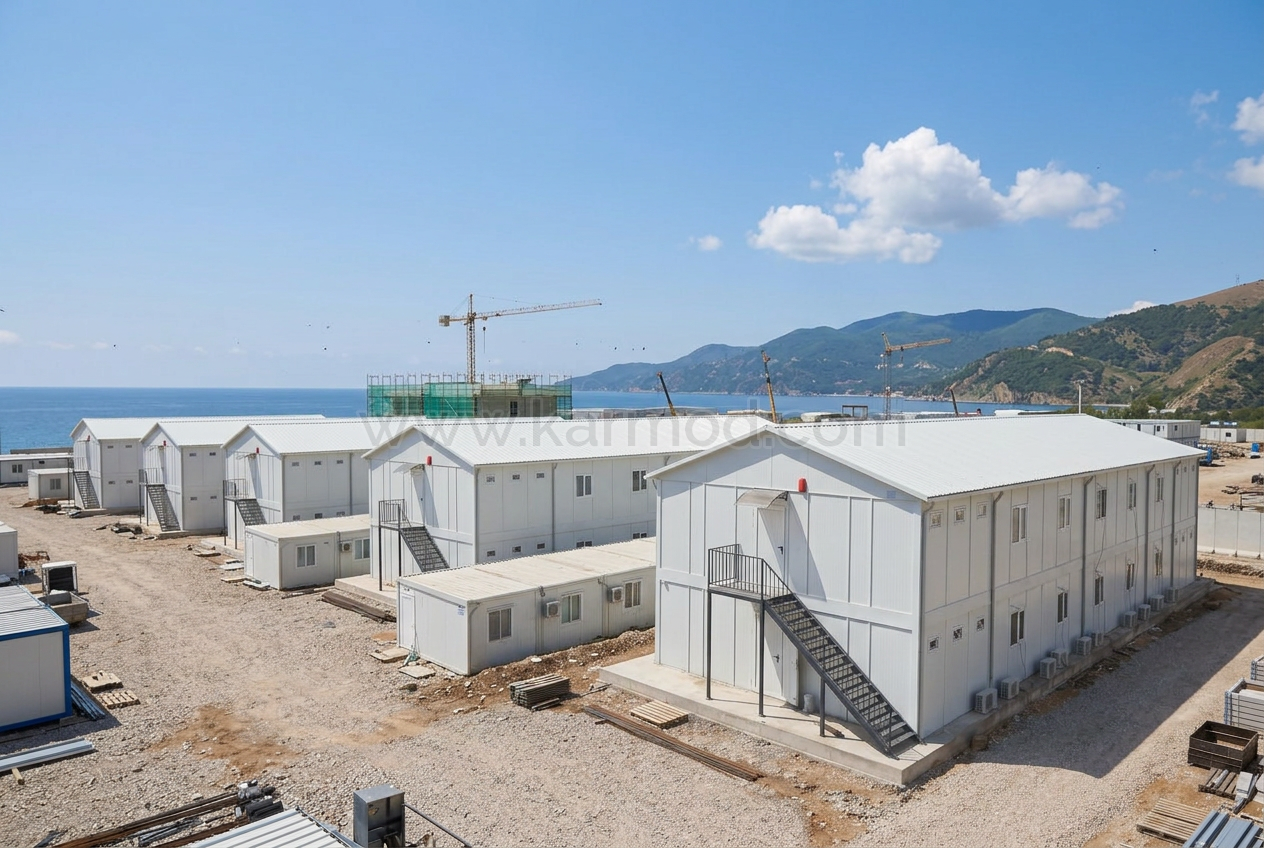
Mobile homes in United States of America are used for temporary housing, relocatable site accommodation, and project-based needs where flexibility matters. They are commonly considered for construction sites, seasonal operations, remote-area projects, and temporary living solutions during renovation or development.
For short-term occupancy needs, mobile homes in United States of America can provide quick set-up and functional interiors without a long build schedule. This can be relevant for workforce housing, transitional accommodation, or time-limited projects.
Relocation capability is a key differentiator. Units designed for transport can be moved when site needs change, supporting phased development or changing operational requirements.
From rural land projects to temporary facilities, mobile homes in United States of America can be planned as part of a wider prefabricated housing solutions strategy, aligning unit specifications and delivery timelines with real-world project constraints.
In order to serve you better, if you could kindly send an e-mail to info@karmod.com for questions and details about your theoretical and special architectural plans, projects, and product specifications, your request will be responded to as soon as possible.

From one end of the world to the other, we enable our customers to reach the ready-made construction sector produced with the new technology of the world. We guarantee reliability through technology and innovation, flexible commercial models and smart supply chain solutions that add value for you, following the project production network.
Discover
Karmod is one of the largest prefabricated construction companies in Turkey, with a production of 45,000 m2. produces high quality prefabs and prefab containers