EN
EN 


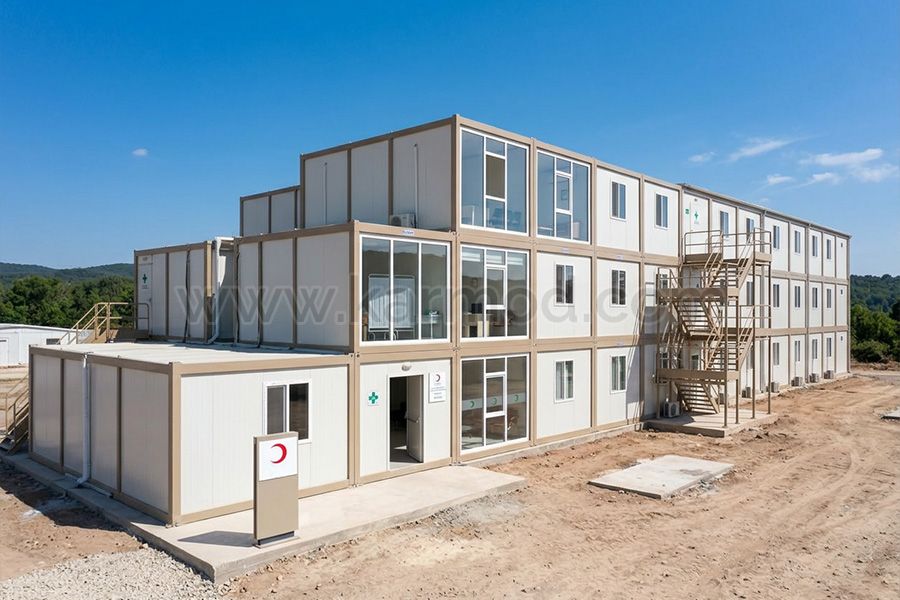
In the aftermath of an earthquake, communities face the difficult journey of rebuilding what was lost — homes, memories, and a sense of safety. Amid the chaos, one construction solution has proven to restore hope faster than any other: steel homes. These modern structures are changing the way the world approaches post-earthquake recovery by combining strength, speed, and design flexibility.
For families who have experienced destruction, moving into a steel house means more than finding shelter. It’s about regaining security, dignity, and a sense of control over life again. Across earthquake-hit regions, these homes have become symbols of renewal — built not just to replace the past, but to create a safer and more sustainable future.
Reconstruction after an earthquake is not only a technical process — it’s deeply emotional. People need to feel that their next home will not collapse, that it will protect them even under pressure. That’s why steel homes are becoming a cornerstone of recovery programs worldwide. They’re built quickly, perform exceptionally well under seismic stress, and offer families something priceless: peace of mind.
Unlike traditional materials that take months to assemble and may fail under stress, prefabricated steel systems can be installed in a matter of weeks. They are lightweight yet incredibly strong, corrosion-resistant, and durable enough to last decades with minimal maintenance. This combination of technical and emotional stability is what makes them a lifeline for survivors who are ready to start over.
When families move into a steel home after a disaster, they’re not just rebuilding walls — they’re rebuilding confidence. The unique properties of steel make it capable of absorbing seismic energy, bending instead of breaking, and standing strong where concrete often fails.
Knowing that your home is engineered to withstand future earthquakes provides a deep sense of psychological comfort. Survivors describe the feeling as living without fear again. And because modern steel structures can be designed to match any architectural style, they don’t just offer safety — they restore beauty, warmth, and a sense of belonging.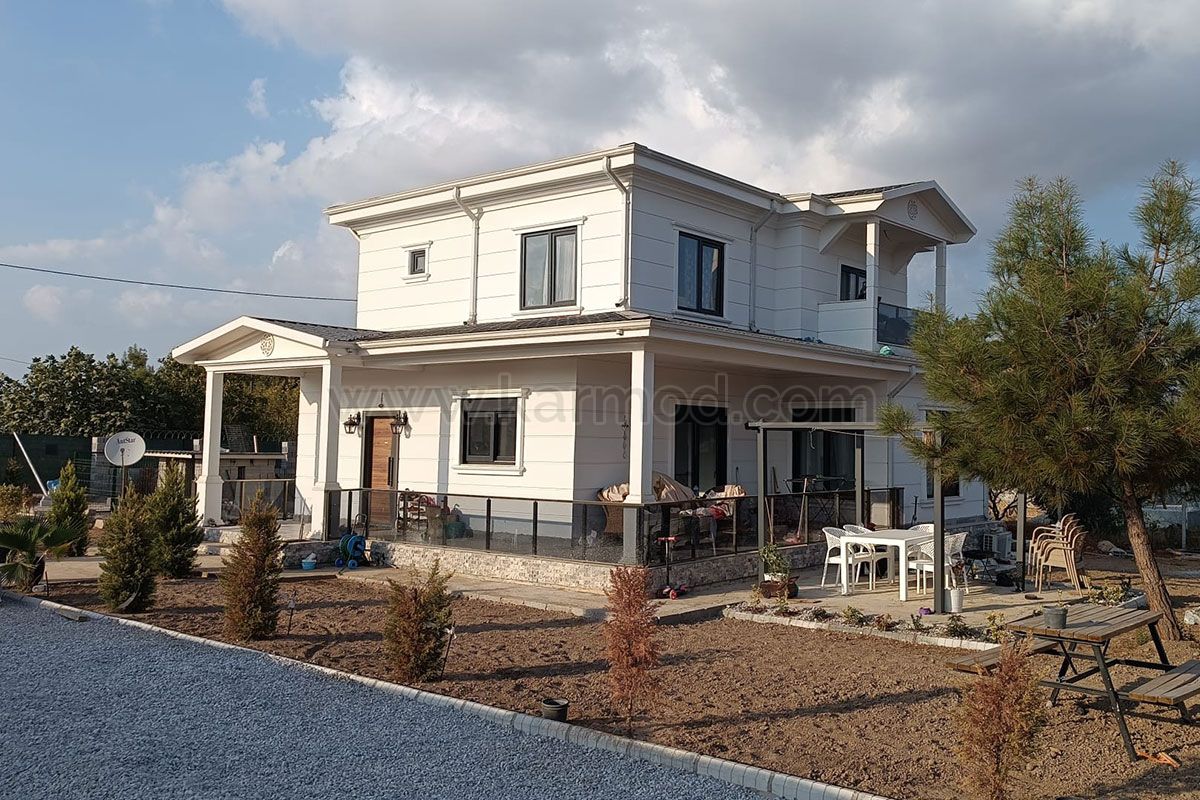
In the world of reconstruction, few materials combine efficiency and endurance as perfectly as steel. After every major earthquake, the same pattern emerges: steel homes remain standing, providing refuge when others fall. This consistent performance has turned them into a global symbol of resilience and recovery.
Why communities choose steel for post-earthquake rebuilding:
For both individual families and governments, this makes steel an intelligent long-term investment. It ensures safety without compromising on comfort or aesthetics — something traditional concrete or brick homes often fail to achieve.
At the heart of every steel home lies precision engineering. Every panel, beam, and joint is designed to distribute seismic forces evenly throughout the frame, minimizing the chance of collapse. Steel’s flexibility allows it to absorb shock waves and return to its original form — an ability no other building material possesses at this scale.
In many post-earthquake regions, the adoption of prefabricated steel houses has directly saved lives. Families report feeling safer and more stable, while construction teams appreciate the reliability and quality of the material. For governments and NGOs, these homes represent a smarter, faster, and more humane approach to rebuilding.
Reconstruction isn’t just about safety; it’s also about speed and accessibility. Displaced families can’t wait months or years for traditional rebuilding projects. Steel housing changes that reality by offering rapid assembly and affordability.
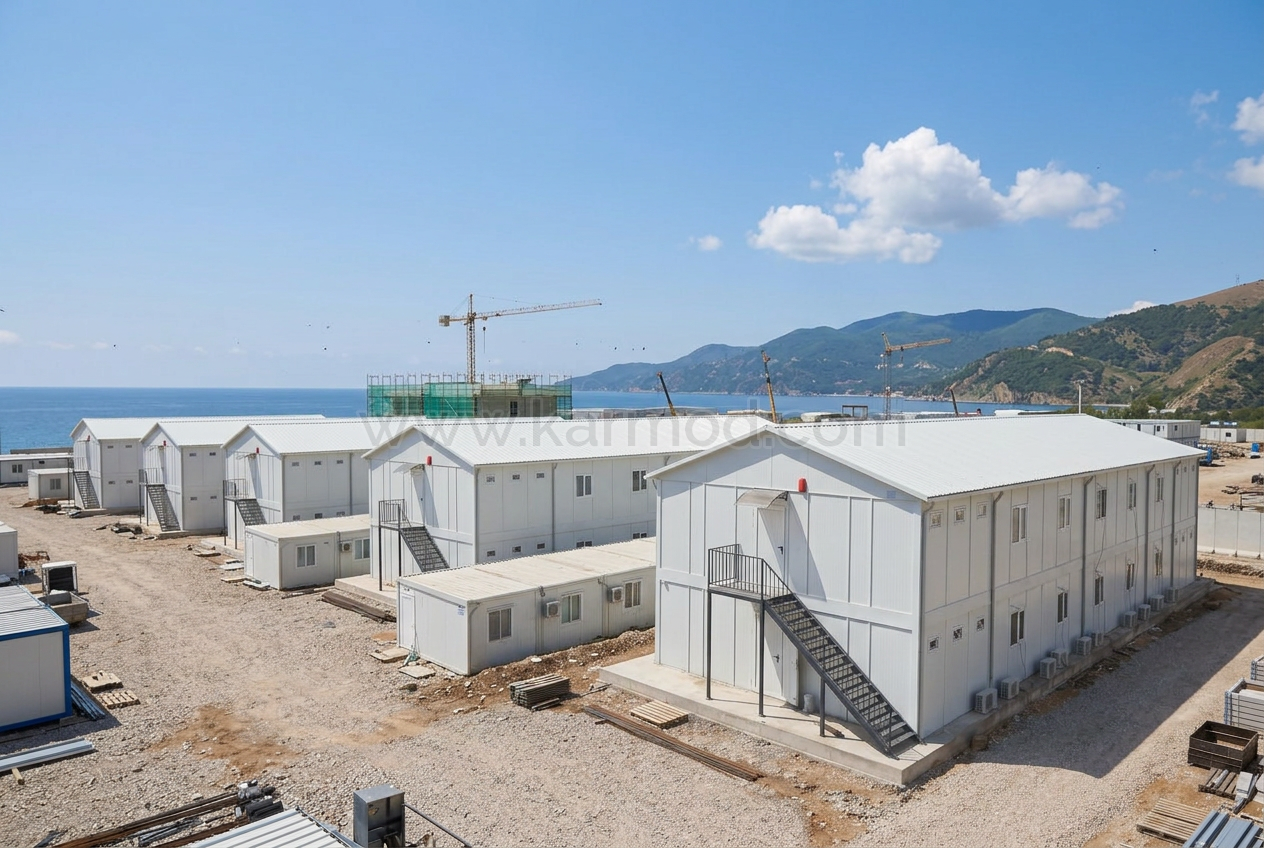
Factories manufacture the main components off-site under controlled conditions. This means fewer weather delays, less waste, and consistent quality. When the modules arrive at the construction area, skilled teams can assemble an entire home within days. The result is a permanent, comfortable residence that stands the test of time — not a temporary shelter.
Behind every steel home is a human story — of fear turned into hope, of destruction transformed into opportunity. In Türkiye, one family whose house collapsed in the 2023 earthquake moved into a prefabricated steel home within three weeks. “We finally sleep peacefully,” the father said. “This house feels unshakable.”
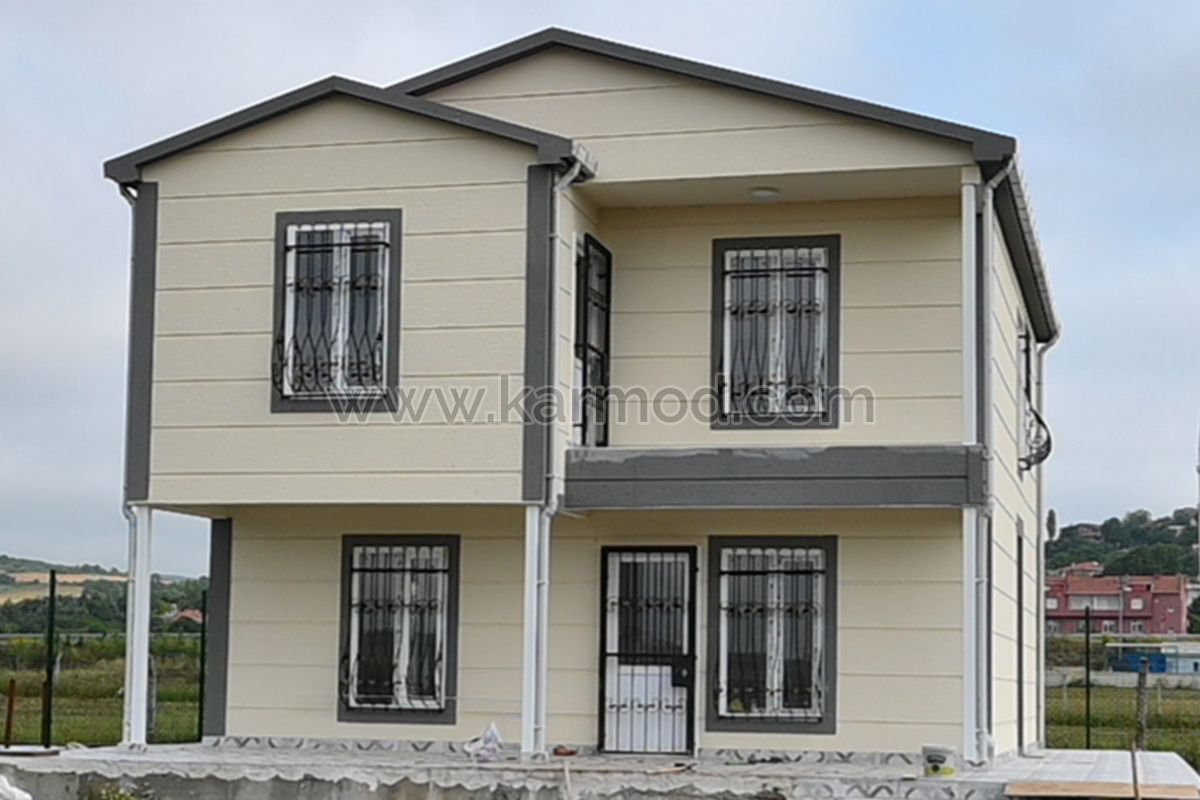
In Nepal, a community of more than fifty families replaced their damaged village with modern steel villas designed for both safety and beauty. In the Philippines, entire neighborhoods rebuilt through steel housing programs now enjoy electricity, insulation, and water systems — features that were once unimaginable in emergency shelters.
Each of these stories proves the same truth: steel is not just a construction material; it’s a foundation for resilience, comfort, and renewal.
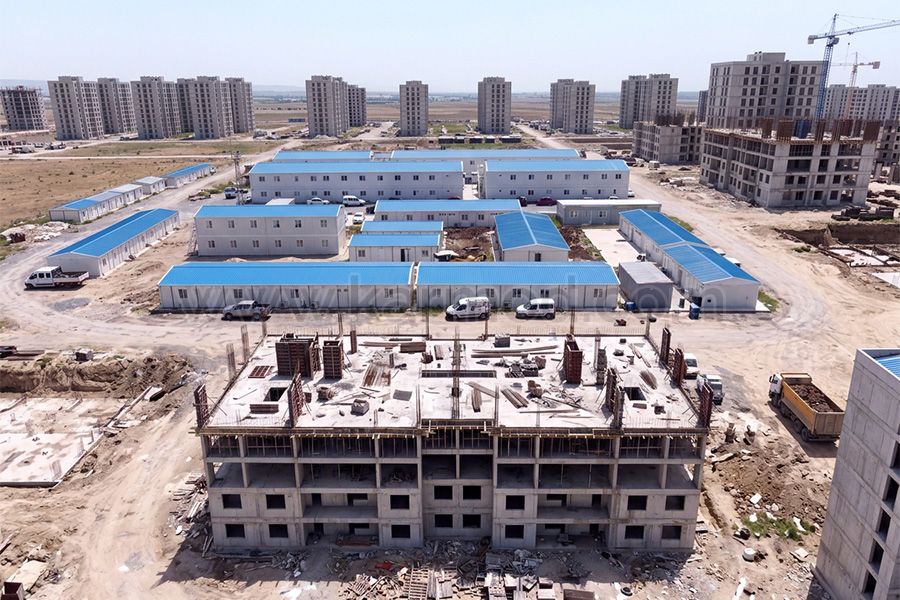
In many countries, the success of steel housing has expanded from individual homes to entire community projects. Local governments and construction teams now collaborate with steel housing manufacturers to build complete, sustainable neighborhoods.
These projects are reshaping the idea of reconstruction:
Through these community-driven programs, the impact of steel reaches beyond housing — it strengthens economies, restores unity, and builds safer futures for generations to come.
Time is critical in disaster recovery. Prefabricated steel structures allow rebuilding to begin almost immediately after an earthquake. Because most of the manufacturing takes place off-site, the on-site work is limited to assembly, saving valuable time and reducing logistical challenges.
This process not only accelerates construction but also ensures consistent quality. Each element is factory-tested before reaching the field, minimizing human error and increasing safety. The reduced need for heavy machinery and labor further simplifies reconstruction in remote or damaged areas.
For earthquake-prone nations, this system has proven revolutionary — it allows life to resume faster, safer, and with a promise of longevity.
Steel homes are not built just to survive the next earthquake — they’re built to last for decades. The material’s resistance to corrosion, fire, and pests ensures that once a community rebuilds, it won’t have to do it again soon.
Even in harsh climates or coastal zones, galvanized steel frameworks maintain their strength and appearance with minimal maintenance. This durability reduces long-term costs for homeowners and governments alike, making steel housing one of the smartest post-disaster investments in the world.
As technology and sustainability evolve, steel homes are leading the transformation of modern reconstruction. The latest designs integrate renewable energy systems, advanced insulation, and smart home technologies — creating structures that are both safe and sustainable.
Governments, engineers, and architects now see steel as a material that represents not only resilience but innovation. It has become the cornerstone of a global housing movement where safety, comfort, and ecological responsibility coexist.
The future of rebuilding is clear: with steel, we can ensure that every home built after an earthquake stands stronger, lasts longer, and protects what truly matters — human life.
If you’re planning to build or rebuild in an earthquake-sensitive area, a steel home is your best path toward safety and sustainability.
Take the next step today:
- Build your future on solid ground — contact us today to start your earthquake-resistant steel home project.
In order to serve you better, if you could kindly send an e-mail to info@karmod.com for questions and details about your theoretical and special architectural plans, projects, and product specifications, your request will be responded to as soon as possible.

From one end of the world to the other, we enable our customers to reach the ready-made construction sector produced with the new technology of the world. We guarantee reliability through technology and innovation, flexible commercial models and smart supply chain solutions that add value for you, following the project production network.
Discover
Karmod is one of the largest prefabricated construction companies in Turkey, with a production of 45,000 m2. produces high quality prefabs and prefab containers