EN
EN 


The educational landscape is evolving faster than ever before. Population growth, urbanization, shifting demographics, and even unexpected global events like pandemics have forced schools to rethink how they use space. Traditional brick-and-mortar construction—though solid and familiar—can’t always keep up with the urgency of demand.
Enter portable classrooms and modular school buildings. These flexible solutions are transforming how communities think about educational infrastructure. Rather than waiting years for permanent buildings, schools can now respond in weeks or months with high-quality, adaptable spaces.
But what exactly are portable and modular classrooms? Why are they increasingly favored by schools, universities, and even training centers? And most importantly, what do they mean for the future of learning environments?
Let’s explore these questions step by step.

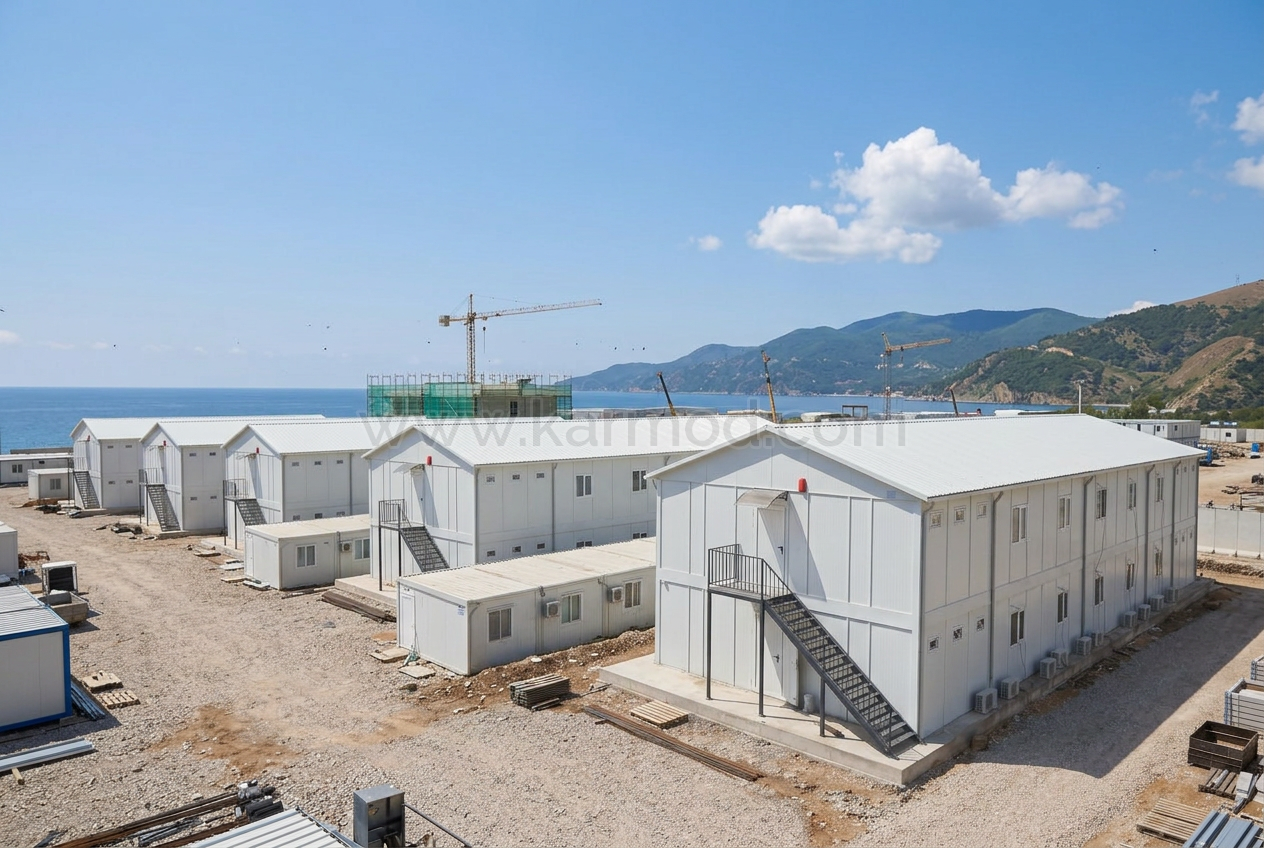
Portable classrooms, sometimes called “relocatable classrooms” or “temporary classrooms,” are prefabricated units designed to be moved, installed, and used with minimal disruption. They are especially common when schools face sudden enrollment surges or construction delays.
Unlike makeshift trailers of decades past, modern portable classrooms are equipped with:
Portable classrooms typically serve schools in situations such as:
In each case, the goal is to ensure learning continues without sacrificing quality or safety.
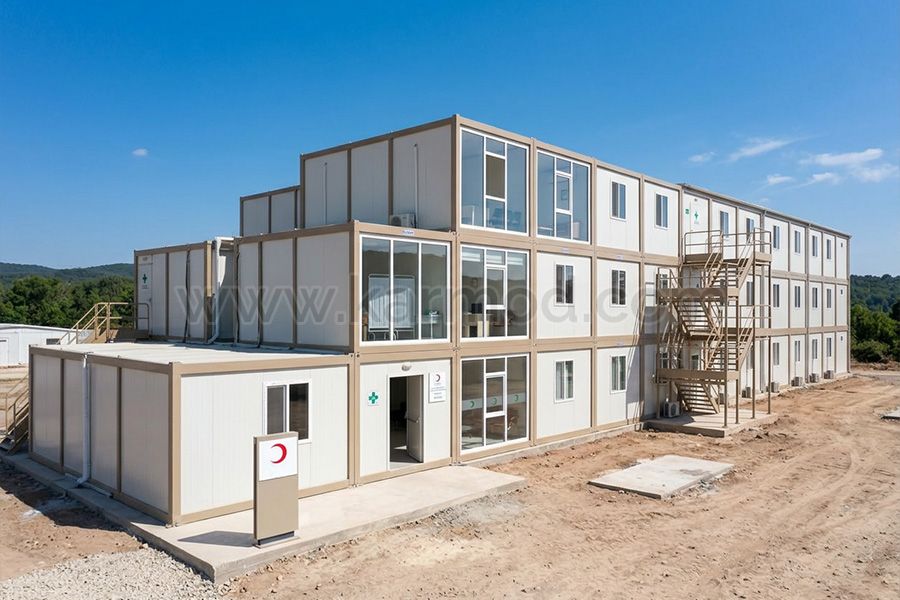
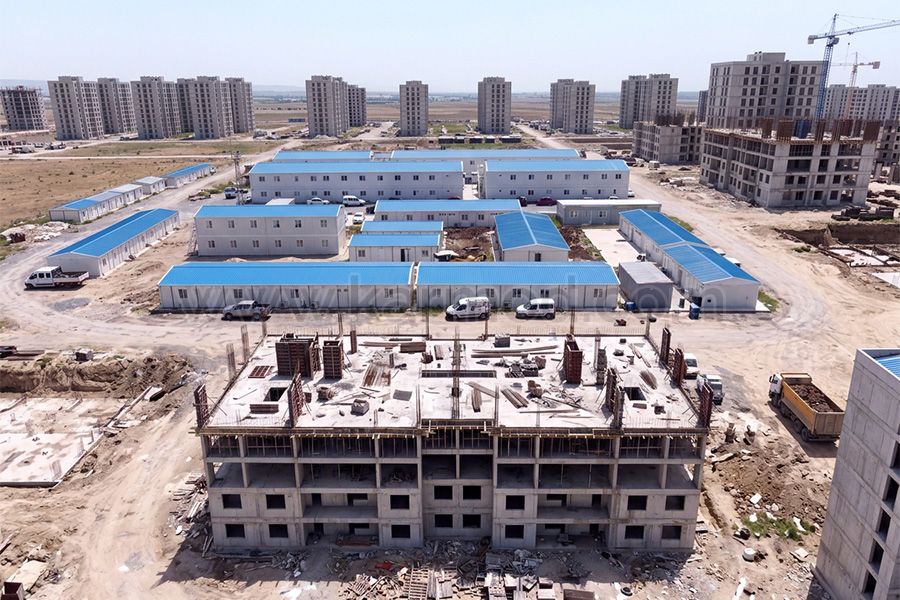
While portable classrooms are designed for quick, often temporary solutions, modular school buildings take the concept further. A modular building is constructed off-site in sections (or modules), then assembled on-site to form anything from a single classroom wing to an entire school campus.
Key advantages include:
One of the strongest arguments for modular schools is their eco-friendliness. Because modules are prefabricated in controlled environments, there’s less material waste. Many modular systems also integrate renewable energy solutions, high-efficiency insulation, and recycled materials, aligning with schools’ growing focus on sustainability.


Portable classrooms and modular school buildings share the same philosophy of flexibility, but they serve different purposes. Portables are usually chosen for short-term needs, such as handling temporary overcrowding or bridging gaps during renovations. They are cost-effective and quick to set up, making them ideal for emergencies or transitional periods. Modular school buildings, on the other hand, are designed with a longer horizon in mind. They can form entire school wings or campuses, last for decades, and be tailored to meet modern educational needs such as STEM labs, libraries, or collaborative learning spaces. In essence, portable classrooms are about immediacy, while modular buildings represent a strategic, sustainable investment in the future of education.
Every year, school districts struggle to predict student numbers. Overbuilding wastes money, while underbuilding leads to overcrowding. Portable and modular solutions provide a safety net, ensuring there is always enough space without long-term financial risk.
Today’s education is not just about desks in rows. Schools increasingly embrace collaborative work, STEM labs, digital learning zones, and flexible seating. Modular buildings can be tailored to these pedagogical shifts much more easily than rigid traditional structures.
Construction projects on campus can be noisy and disruptive. Off-site modular construction minimizes this by keeping most of the work away from students until the final installation phase.

Despite their growing popularity, myths persist:
Although portables are less expensive initially, they may require more maintenance over time. Modular schools demand a higher investment but provide long-term savings. Districts must consider:
Parents and local communities sometimes resist portable classrooms, associating them with overcrowding or lower quality. Transparent communication about safety, comfort, and benefits helps ease these concerns.
Both portable and modular buildings must comply with local regulations. Schools often need permits related to:

In areas affected by hurricanes or earthquakes, modular schools have been installed in a matter of weeks, ensuring students don’t miss an academic year.
Districts in rapidly expanding suburbs of cities like Dallas or Toronto have turned to modular campuses to accommodate thousands of new students without years of waiting.
Even higher education has embraced modular design for research labs, lecture halls, and dormitories, where flexibility and speed are key.
The push for modern, flexible, and sustainable spaces is not slowing down. As technology reshapes both teaching and construction methods, modular and portable classrooms are poised to play an even greater role.
We can expect to see:
Ultimately, the question is no longer whether portable and modular classrooms will be used, but how extensively they will reshape education’s physical spaces.
Portable classrooms and modular school buildings are more than temporary fixes; they are a reflection of how education adapts to societal change. They embody flexibility, speed, and innovation—qualities that today’s schools urgently need.
By embracing these solutions, communities can ensure that no child’s education is delayed by lack of space, no teacher is forced to work in overcrowded rooms, and no district is held back by the slow pace of traditional construction.
The classroom of the future may not look like the classrooms we grew up in—and that’s a good thing. With modular and portable solutions, schools are not just reacting to challenges; they’re building resilient, forward-looking environments for the next generation.
In order to serve you better, if you could kindly send an e-mail to info@karmod.com for questions and details about your theoretical and special architectural plans, projects, and product specifications, your request will be responded to as soon as possible.

From one end of the world to the other, we enable our customers to reach the ready-made construction sector produced with the new technology of the world. We guarantee reliability through technology and innovation, flexible commercial models and smart supply chain solutions that add value for you, following the project production network.
Discover
Karmod is one of the largest prefabricated construction companies in Turkey, with a production of 45,000 m2. produces high quality prefabs and prefab containers