EN
EN 


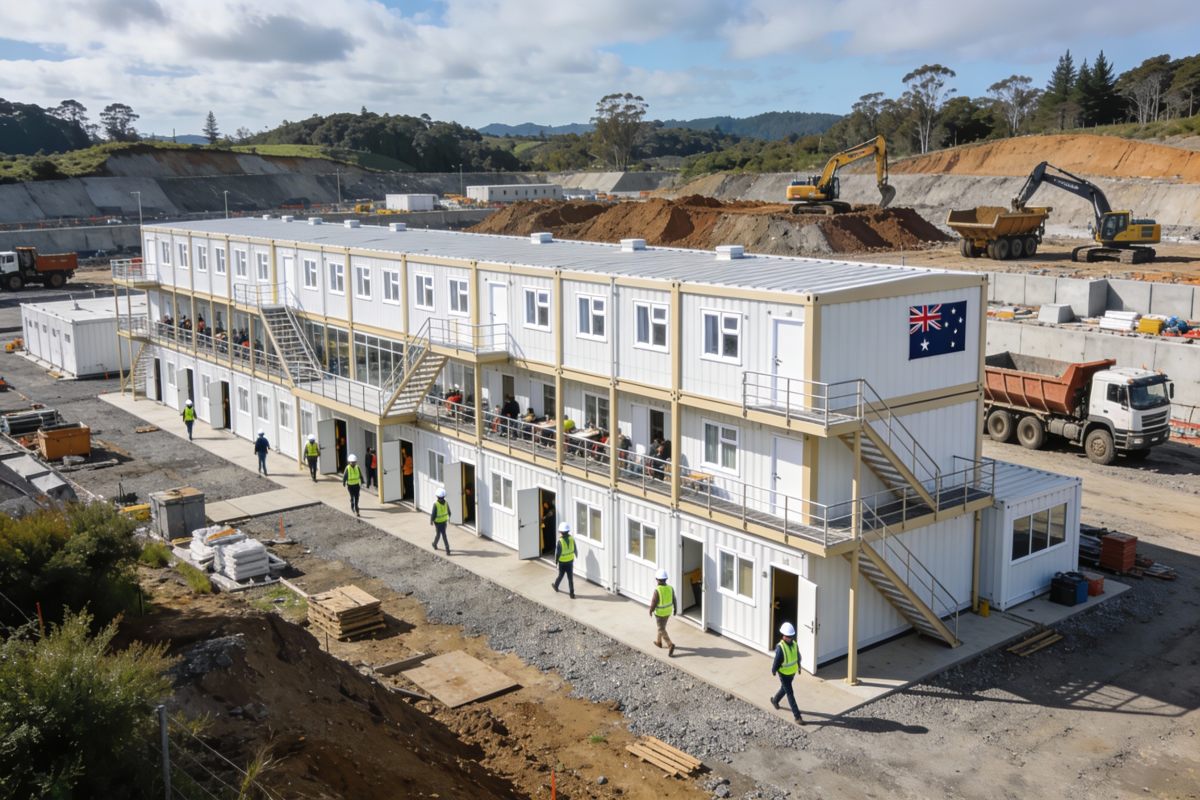
New Zealand spans two main islands in the South Pacific, with dramatic coastlines, alpine ranges, and widely distributed cities connected by strong transport corridors. The country’s climate varies from humid subtropical conditions in the north to cooler, wetter zones in the south, with high wind exposure in many coastal areas and significant seismic design considerations nationwide.
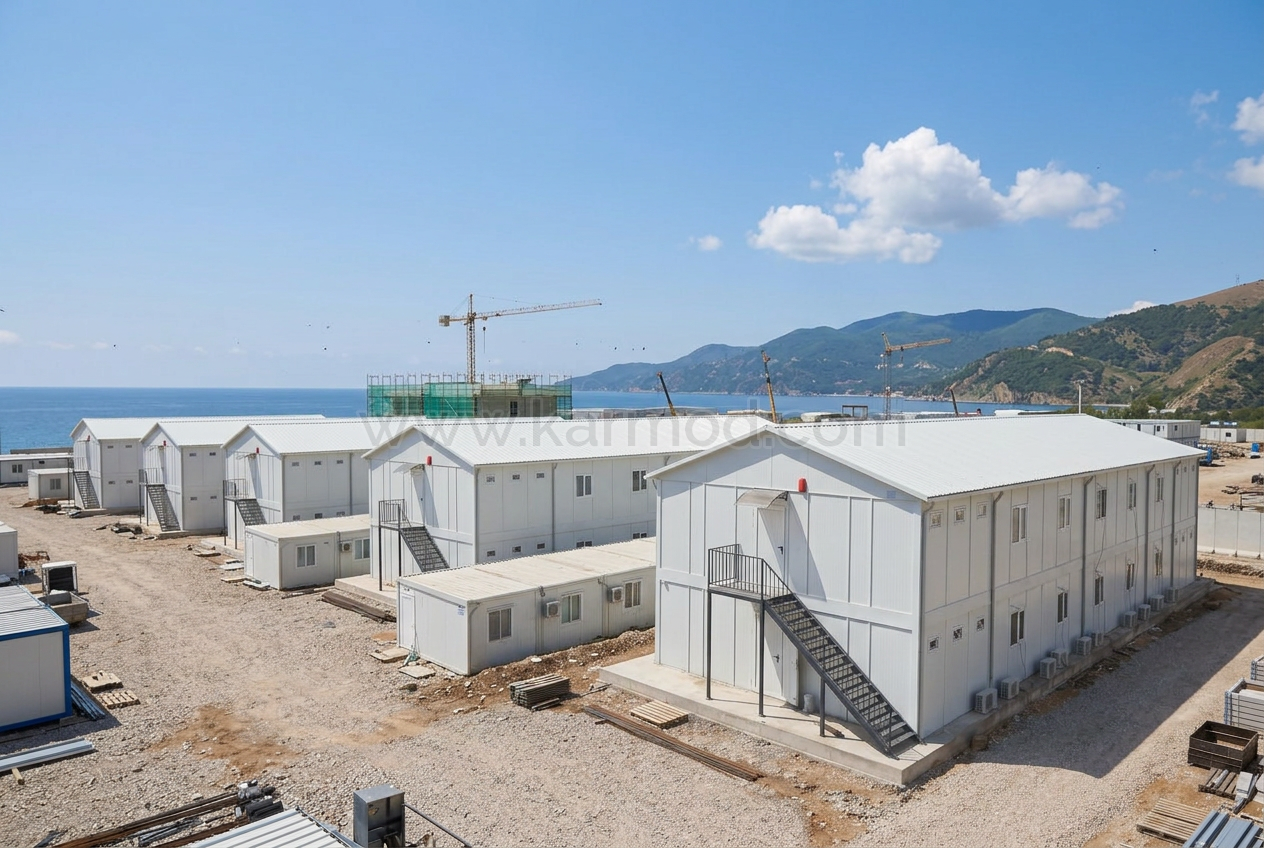
Across construction, infrastructure, agriculture, logistics, and tourism, demand is rising for fast, dependable building methods that can perform in coastal humidity, heavy rainfall, and temperature swings. This is where container-based solutions and container buildings fit naturally: New Zealand container buildings, container homes, and modular construction systems provide predictable build schedules, controlled quality, and adaptable layouts for commercial and operational use.


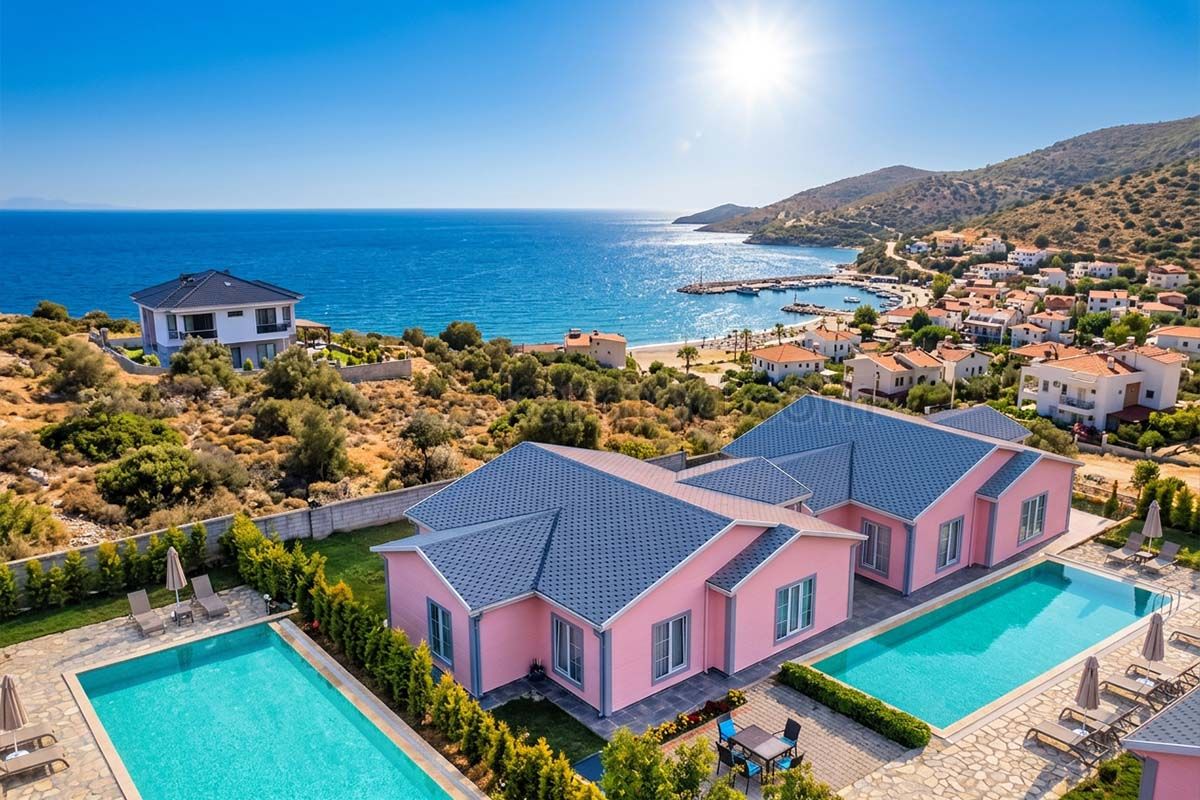
New Zealand container homes are increasingly evaluated as a practical pathway to efficient housing, site accommodation, and secondary dwellings—especially where speed, access limitations, or temporary-to-permanent planning is a factor. As modular container buildings, these units arrive with much of the building scope completed off-site, which helps reduce disruption and improves consistency compared to fully on-site construction.
Sustainability is often the starting point. Prefabricated container systems can reduce material waste through factory optimization, while enabling high-performance insulation packages, airtight detailing, and energy-efficient openings. For projects aiming to limit on-site disturbance—particularly in sensitive landscapes or compact urban sites—modular delivery can also minimize heavy equipment time and construction traffic.
Affordability is less about “cheap builds” and more about cost predictability. New Zealand container homes can shorten timelines and reduce labor exposure on remote or weather-impacted sites. When combined with standardized service cores (bathrooms, kitchens, plant rooms), modular container buildings can streamline procurement and keep scope changes under control.
Flexibility and modularity are central benefits. Units can be planned as single modules for compact living, combined into multi-module layouts, or designed for staged expansion. This suits evolving household needs, short-term accommodation requirements, and multi-use property strategies.
Climate suitability matters in New Zealand, particularly for wind, rain, and coastal corrosion. Climate-resistant container buildings typically use corrosion-protected steel, durable external finishes, and detailing that manages bulk water and ventilation. In humid coastal areas, vapor control layers and mechanical ventilation strategies help manage condensation risk. In cooler southern regions, higher insulation values, thermal breaks, and quality window systems support comfort and operational efficiency year-round.


New Zealand container storage solutions support industries that operate across large distances, variable terrain, and shifting seasonal demand. From rural depots to port-adjacent logistics yards, storage capacity often needs to be deployed quickly, secured reliably, and relocated when operations move. Modular container buildings meet these requirements by combining structural strength with practical fit-out options such as racking, ventilation, insulated linings, and controlled-access doors.
Common use cases include:
Durability and security are key decision drivers. Well-engineered container units are designed around robust steel frames, reinforced access points, and weather-sealed openings. For coastal or high-rainfall areas, corrosion protection and water management detailing help preserve long service life. Where operational continuity matters, the ability to configure lighting, power distribution, and controlled ventilation supports safer, more usable storage.
Relocation advantage is another practical benefit. As projects finish or land-use needs change, New Zealand container storage solutions can be transported to the next site without rebuilding, supporting asset re-use and improving lifecycle value.
In the New Zealand market, the best container manufacturer is often judged less by aesthetics and more by engineering discipline: structural integrity, repeatable quality, and climate-ready detailing. Karmod’s positioning aligns with these expectations through a focus on manufacturing consistency, specification control, and integration of building components that perform reliably in demanding site conditions.
For climate-resistant container buildings, material selection and protective systems matter. Quality steelwork, corrosion-resistant coatings, and long-life external finishes help address coastal exposure and persistent humidity. Equally important is how the building envelope is assembled: insulation continuity, vapor control strategy, window and door performance, and joint detailing all influence comfort, condensation risk, and durability across New Zealand’s varied climate zones.
Customization is most valuable when it stays disciplined. Instead of unlimited variation, dependable manufacturers prioritize adaptable modules and engineered options—such as alternative layouts, service integration, acoustic packages, fire-rated assemblies, and interior finish selections—so projects can match operational needs without sacrificing reliability. This approach supports buyers who require predictable delivery, documentation, and performance for multi-site rollouts.
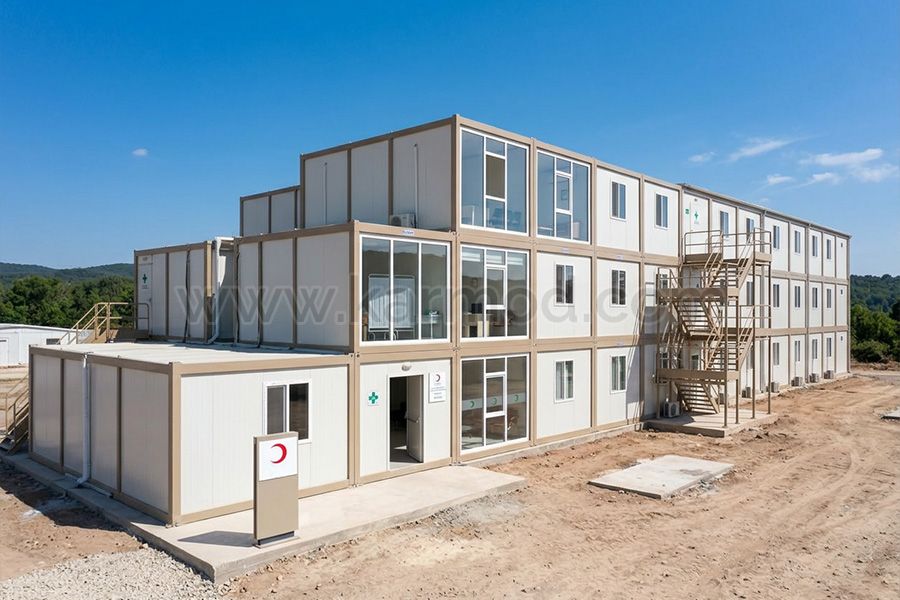
New Zealand container offices are increasingly used to create fast, scalable workspaces for construction projects, logistics hubs, industrial facilities, and remote operations. A well-designed container offices solution can provide comfortable, compliant space with efficient services integration—power, data, HVAC, and lighting—delivered in a shorter timeframe than conventional builds.
Office flexibility comes from modular planning. Teams can start with a single office module and expand into multi-module configurations including meeting rooms, breakout areas, and reception zones. This is especially useful for project-based work where headcount changes over time.
Scalability supports operational growth. Prefabricated container systems allow repeatable deployments across different regions, maintaining consistent standards for fit-out, safety, and user experience—important for organizations managing multiple sites.
Cost advantage is best understood as reduced time-to-operation and improved scope control. By shifting work into a factory environment, businesses reduce weather delays and streamline on-site coordination, helping keep schedules and budgets more predictable.


New Zealand container commercial buildings designs provide a practical route to retail, service, and light-commercial spaces where speed and adaptability are essential. As modular container buildings, these projects can be planned for staged growth—starting with a core footprint and expanding with additional modules as demand increases.
Typical commercial applications include customer-facing showrooms, service counters, training facilities, staff amenities, and mixed-use business hubs. With prefabricated container systems, interior layouts can be planned around functional zones, while façade treatments and entry design can be aligned with branding and local planning expectations.
For operators focused on uptime, container-based commercial space reduces disruption: foundation works can proceed while the building is manufactured, shortening the overall program. This helps businesses open sooner, respond to market changes, or deploy temporary commercial capacity during renovations or peak seasons.
New Zealand container shop innovations are well suited to pop-up retail, event-based trading, and semi-permanent retail clusters where landlords and operators need flexible leasing and rapid installation. Container formats can support small-footprint stores, cafés, ticketing kiosks, or multi-unit retail lanes that encourage foot traffic and shared services.
Brand presence can be built into the design through glazing placement, signage zones, exterior finishes, and canopy integration. Because modular container buildings can be relocated, retailers can test new locations, operate seasonally, or expand into new regions with lower risk than a fixed-build approach.
New Zealand container apartment concepts are increasingly discussed in the context of urban housing constraints, build-speed requirements, and the need for repeatable solutions. While multi-unit residential projects require careful compliance planning and engineering coordination, modular container buildings offer a structured way to standardize unit layouts, service risers, and wet-area assemblies—supporting consistent quality across a development.
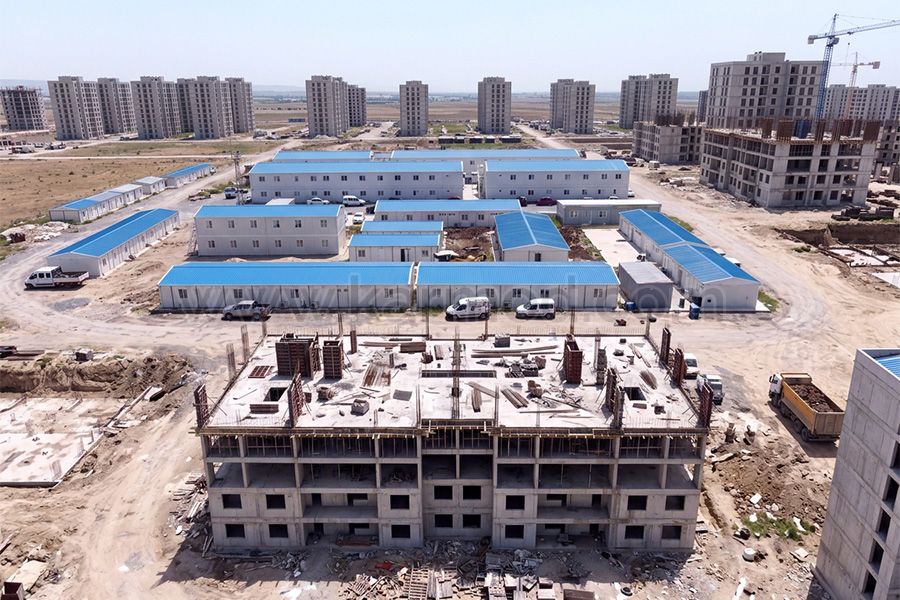
In areas facing housing shortages, prefabricated container systems can help shorten delivery timelines by parallelizing site works and manufacturing. Community-oriented layouts are also achievable, with configurations that create shared courtyards, communal laundries, bike storage, and resident facilities. With thoughtful acoustic detailing and insulation design, container apartment schemes can meet comfort expectations while leveraging modular efficiency.
Beyond housing and workplaces, New Zealand container buildings support public and community infrastructure where fast deployment and functional resilience are priorities. Modular container buildings can be configured for:
When engineered with climate-resistant container buildings principles—corrosion protection, envelope performance, and durable detailing—these structures can operate reliably across New Zealand’s coastal zones, high rainfall regions, and cooler southern climates. For organizations balancing speed, quality, and long-term usability, prefabricated container systems offer a disciplined, adaptable construction pathway that aligns with modern delivery expectations.
In order to serve you better, if you could kindly send an e-mail to info@karmod.com for questions and details about your theoretical and special architectural plans, projects, and product specifications, your request will be responded to as soon as possible.

From one end of the world to the other, we enable our customers to reach the ready-made construction sector produced with the new technology of the world. We guarantee reliability through technology and innovation, flexible commercial models and smart supply chain solutions that add value for you, following the project production network.
Discover
Karmod is one of the largest prefabricated construction companies in Turkey, with a production of 45,000 m2. produces high quality prefabs and prefab containers