EN
EN 


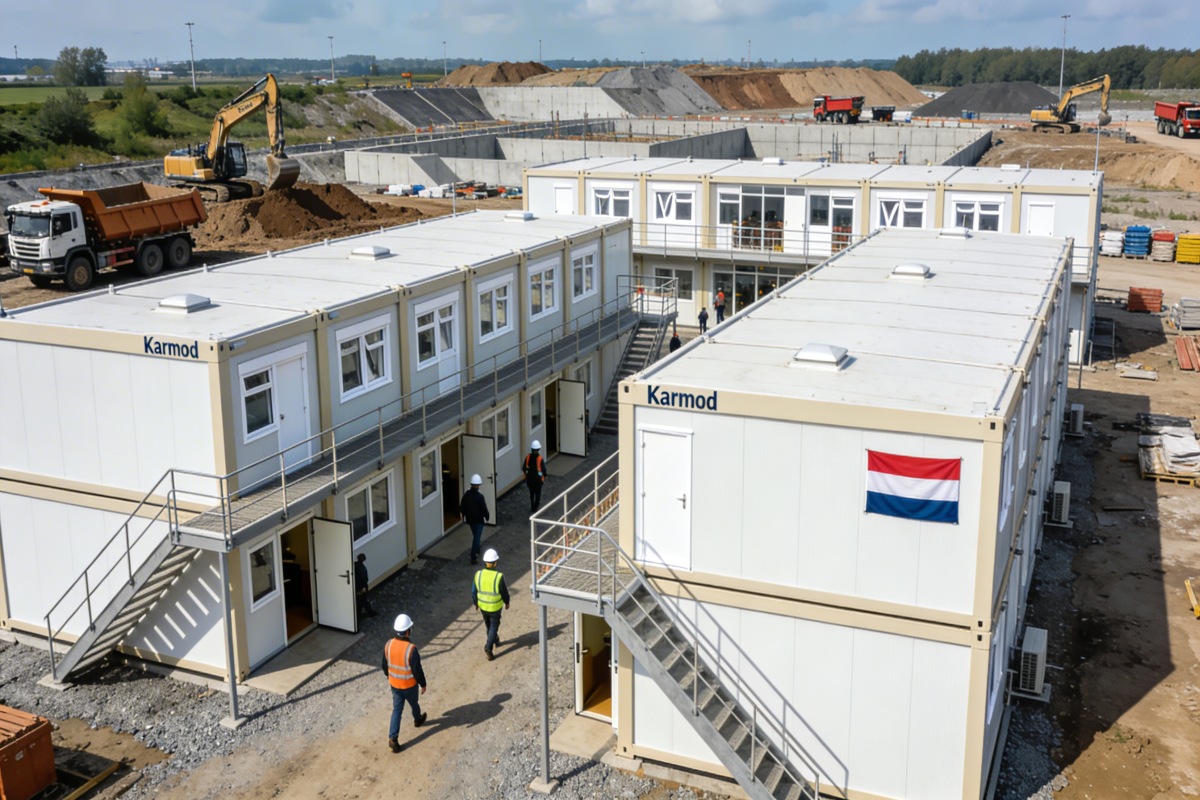
Set against the North Sea and shaped by centuries of land reclamation, the Netherlands is defined by compact cities, extensive waterways, and highly engineered infrastructure. A temperate maritime climate brings frequent rain, strong coastal winds, and seasonal temperature shifts—conditions that influence how buildings are insulated, sealed, and protected against moisture.
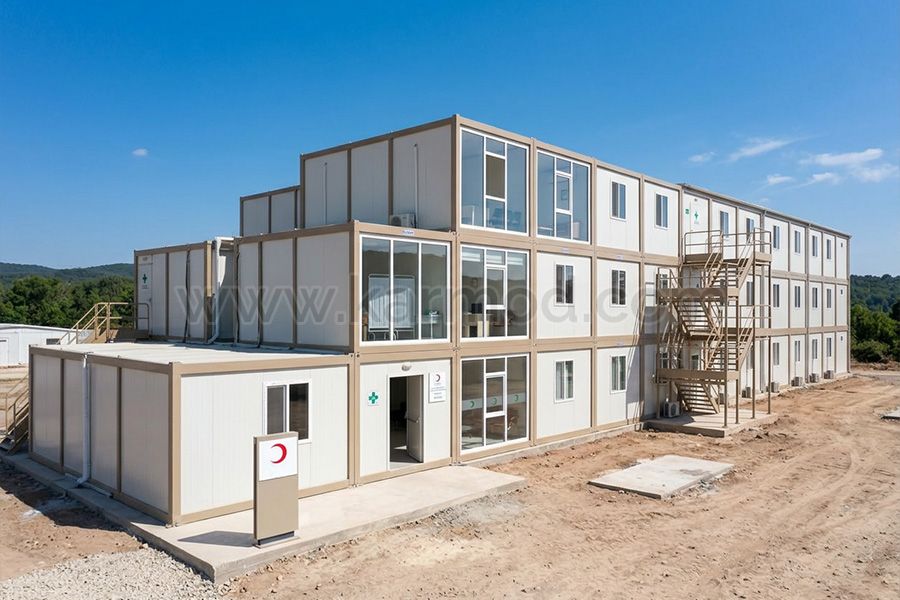
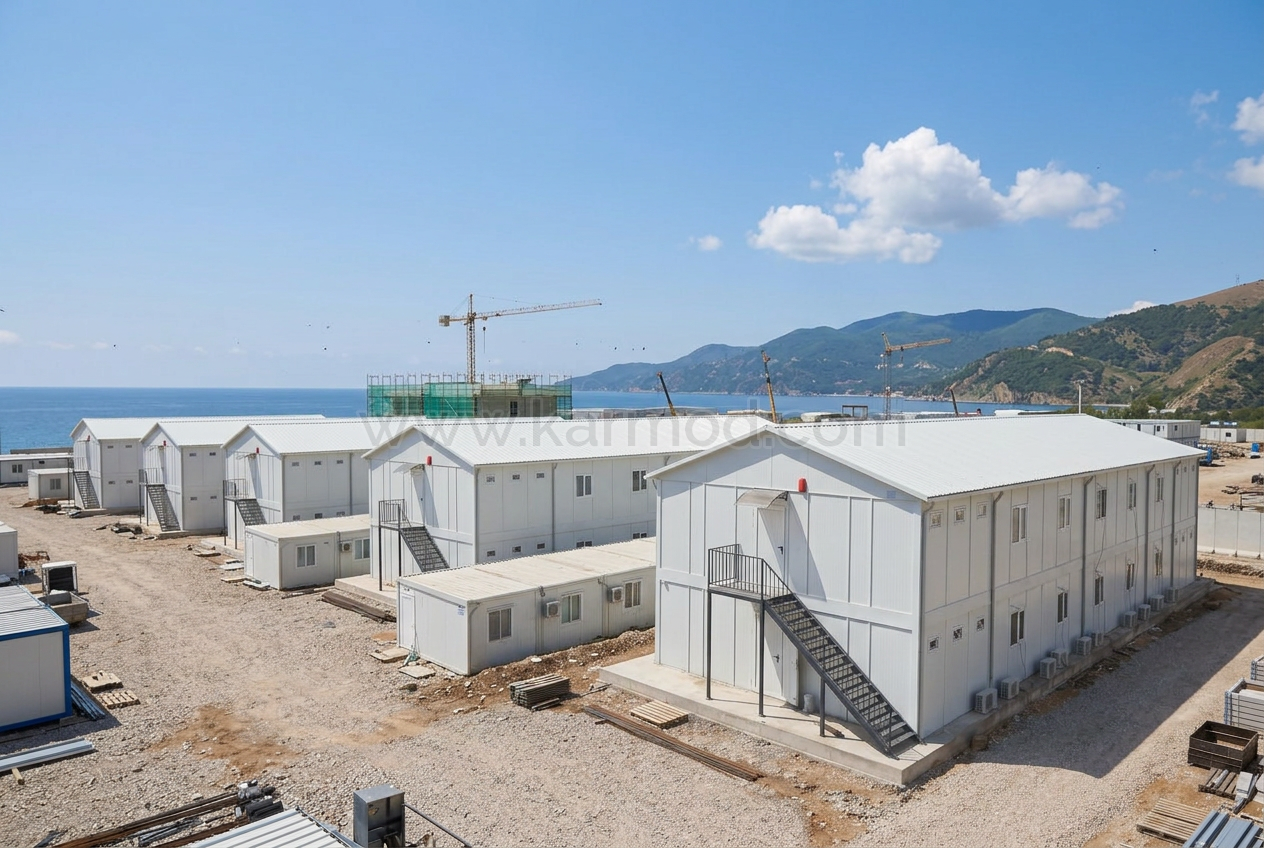
In this context, container buildings have become a practical option for creating fast, adaptable spaces that align with Dutch priorities for efficiency and responsible construction. Alongside container homes and modular construction methods, these solutions support urban infill, temporary-use projects, and permanent facilities where predictable timelines and high build consistency are valued. For broader applications and models, explore container systems designed for modern deployment.


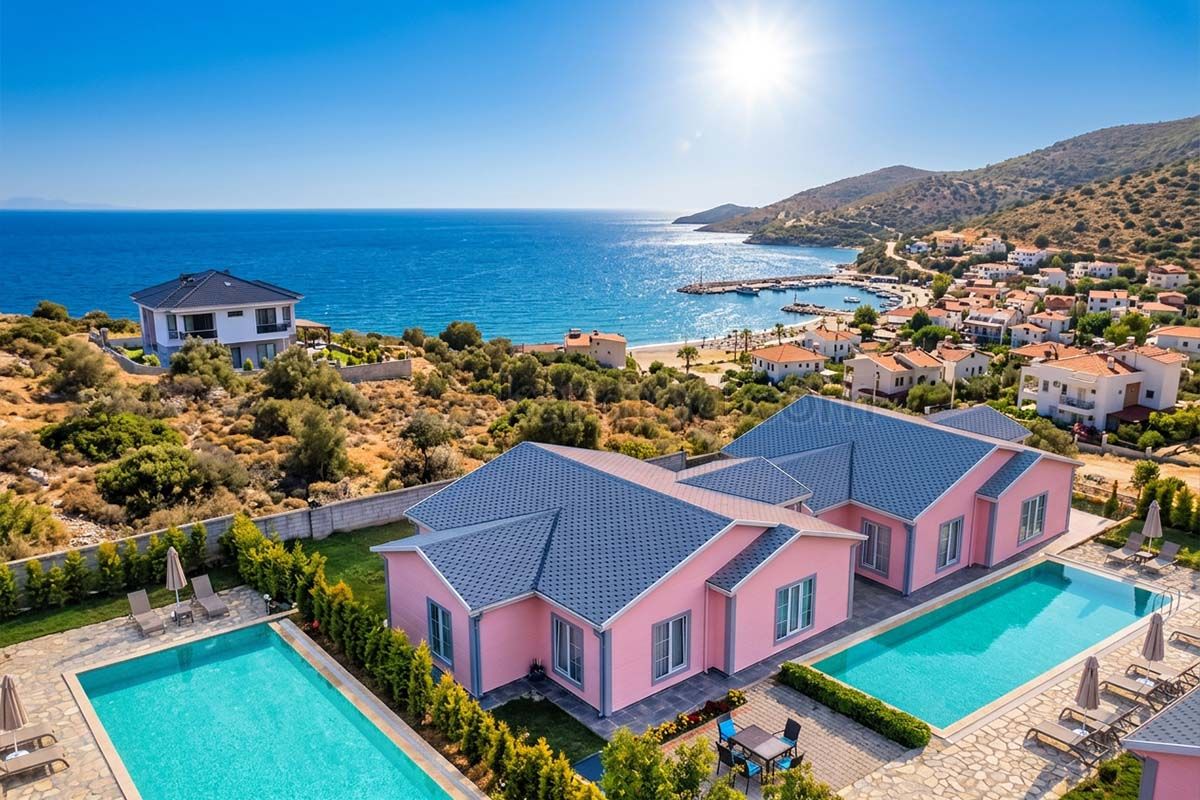
Netherlands container homes are increasingly chosen for their ability to deliver high-quality living spaces within tight footprints. In dense urban areas where land is limited and planning demands are precise, modular container buildings make it easier to standardize layouts while still allowing architectural flexibility. Units can be configured as compact studios, family homes, or multi-module residences that expand as needs change.
Sustainability is often built into the design approach. Prefabricated container systems reduce on-site waste and limit construction disruption, while controlled production improves consistency across insulation layers, airtightness detailing, and interior finishes. Many projects also integrate energy-aware features such as improved glazing, ventilation strategies, and optional solar readiness, supporting lower operational impact over time.
Affordability is supported through predictability rather than shortcuts. Standardized structural components, parallel manufacturing and site preparation, and reduced weather delays can help keep delivery schedules reliable in the Netherlands’ rain-prone climate.
Flexibility is a defining advantage. Netherlands container homes can be adapted for private residences, guest units, mixed-use living, or temporary accommodation, with expansion possible via additional modules or stacked configurations where permitted.
Climate suitability is essential in Dutch conditions. Frequent rainfall and humidity require careful moisture management, robust sealing, and condensation control. Coastal winds and salt exposure call for corrosion-resistant detailing and protective coatings, while insulation and thermal bridging control support year-round comfort. These engineering choices are central to climate-resistant container buildings designed for long-term performance in the Netherlands.


Netherlands container storage solutions fit a country known for making the most of limited space. Whether supporting industrial corridors, port-linked distribution, or active construction sites, container-based storage offers secure capacity that can be deployed quickly and reconfigured as operational needs shift.
For logistics, container storage can function as overflow capacity, cross-dock staging, or secure holding areas near transport routes. In construction sites, units support tool storage, protected materials handling, and organized site workflows. For agriculture, containers can store feed, equipment, seasonal tools, and packaging materials closer to fields and facilities. In mining and quarry activities, robust units provide secure spaces for maintenance equipment, spares, and safety gear.
Durability and security come from reinforced doors, lock-protection details, and interior fit-outs such as racking, shelving, and ventilation where needed. Another advantage is relocation: when a project or season ends, Netherlands container storage solutions can move to a new site, retaining value across repeated use.


For projects involving Netherlands container buildings, manufacturing discipline and technical detailing matter as much as design. Karmod is widely associated with structured production, consistent build quality, and engineering-led solutions that prioritize durability, comfort, and long-term maintainability.
In Dutch weather conditions, performance depends on correct material selection, corrosion protection, and moisture-aware envelope design. Climate-resistant container buildings require reliable coatings, precise sealing, and insulation strategies that address humidity and temperature variation while supporting indoor comfort and operational efficiency.
Customization is approached through practical engineering choices—layout planning, glazing options, interior finishes, ventilation and HVAC readiness, and exterior cladding treatments can be adapted to match site needs and architectural expectations. The result is a solution that integrates smoothly into local planning requirements while remaining dependable over time.
Workplace expectations in the Netherlands continue to evolve, and Netherlands container offices provide an adaptable response. These spaces can be configured as quiet individual offices, meeting rooms, team hubs, or multi-module work environments with clear circulation and functional zoning. A Netherlands container office can be planned with acoustic separation, efficient lighting, reliable insulation, and ventilation strategies suited to year-round use.
Scalability is built in: modules can be added as teams grow or operational needs change, supporting phased development without extensive demolition. This approach also encourages cost predictability, aligning space creation with real demand. When delivered as prefabricated container systems, office units benefit from controlled production quality and faster installation timelines.
Netherlands container buildings are increasingly used to create modern commercial environments that can expand over time. From service facilities and showrooms to hospitality formats and mixed-use sites, modular container buildings support phased growth while maintaining a consistent architectural language.
Retail formats benefit from speed and flexibility, and Netherlands container shop innovations make it easier to create memorable storefronts in high-footfall areas. Pop-up shops can be deployed for seasonal campaigns or market testing, while retail clusters can be assembled as coordinated rows with shared walkways and outdoor seating.
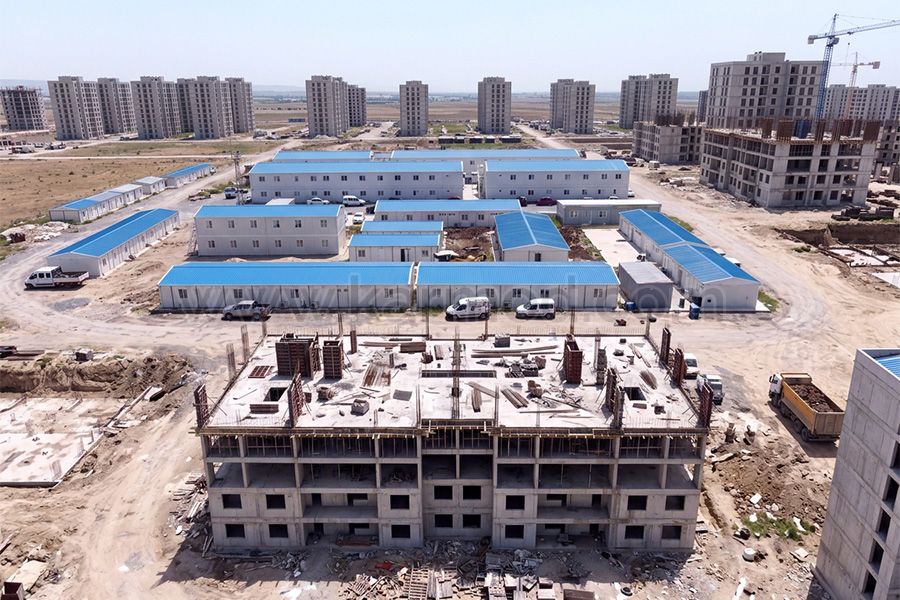
Housing pressure in urban areas has encouraged new approaches to development. Netherlands container homes configured into apartment layouts can support faster delivery while maintaining repeatable quality standards. Stacked modular container buildings can form compact residential blocks with studios, one-bedroom units, or family-oriented layouts.
Beyond housing and workplaces, Netherlands container buildings support a wide range of civic and community functions. Schools, clinics, community centers, training rooms, and public-service facilities can be delivered efficiently using prefabricated container systems planned for long-term performance.
With thoughtful engineering, moisture-aware detailing, and flexible planning, Netherlands container buildings continue to demonstrate how modular container buildings and climate-resistant container buildings can contribute to resilient, efficient, and future-ready spaces.
In order to serve you better, if you could kindly send an e-mail to info@karmod.com for questions and details about your theoretical and special architectural plans, projects, and product specifications, your request will be responded to as soon as possible.

From one end of the world to the other, we enable our customers to reach the ready-made construction sector produced with the new technology of the world. We guarantee reliability through technology and innovation, flexible commercial models and smart supply chain solutions that add value for you, following the project production network.
Discover
Karmod is one of the largest prefabricated construction companies in Turkey, with a production of 45,000 m2. produces high quality prefabs and prefab containers