EN
EN 


The term “housing emergency” refers to the growing inability of people to secure safe, stable, and affordable housing. Rising rents, stagnant wages, and limited housing supply have created a perfect storm in which millions face the risk of eviction or homelessness. This crisis extends beyond individual households—it affects communities, economies, and the social fabric of society.
In the United States, the shortage of affordable homes has reached a critical point. Families working full-time still find themselves priced out of the rental market. Homeownership, once considered the foundation of the American dream, has become increasingly out of reach for younger generations. Urban centers, rural communities, and suburban neighborhoods alike are experiencing the devastating consequences of high housing costs combined with insufficient availability.

Policymakers and advocacy groups argue that the situation warrants the recognition of a national emergency. Declaring such an emergency would highlight the urgent need for federal intervention. It could also unlock resources, funding, and initiatives designed to stabilize markets, expand affordable housing, and protect vulnerable populations from losing their homes.
Assistance programs play a vital role in providing immediate relief for families at risk of homelessness. These programs often include rental subsidies, eviction prevention grants, and emergency funds to cover basic housing costs. Local governments and nonprofit organizations collaborate to ensure that families can remain in stable living environments while working toward long-term housing solutions.


Emergency shelters provide temporary relief, but quality and safety standards must be maintained. Effective shelters offer more than just a roof; they provide access to hygiene facilities, healthcare, mental health support, and case management services. Setting and enforcing national standards ensures that shelters meet the dignity and needs of those seeking refuge.
For individuals who have already lost their homes, immediate housing solutions are critical. Rapid rehousing programs focus on quickly moving people into permanent housing while providing short-term rental assistance and support services. This approach helps break the cycle of homelessness and offers individuals and families a foundation for rebuilding their lives.
Local councils often provide direct emergency housing for residents in crisis. This may involve placing families in temporary apartments, hotels, or social housing units. Councils also work closely with charities and housing associations to expand the reach of available support, ensuring that no one is left without a roof over their head in times of need.
Emergency accommodation is designed to respond swiftly to crises, such as natural disasters, sudden evictions, or unsafe living conditions. These arrangements are typically short-term but essential in preventing individuals from ending up on the streets. They bridge the gap between homelessness and permanent housing, providing stability during times of transition.
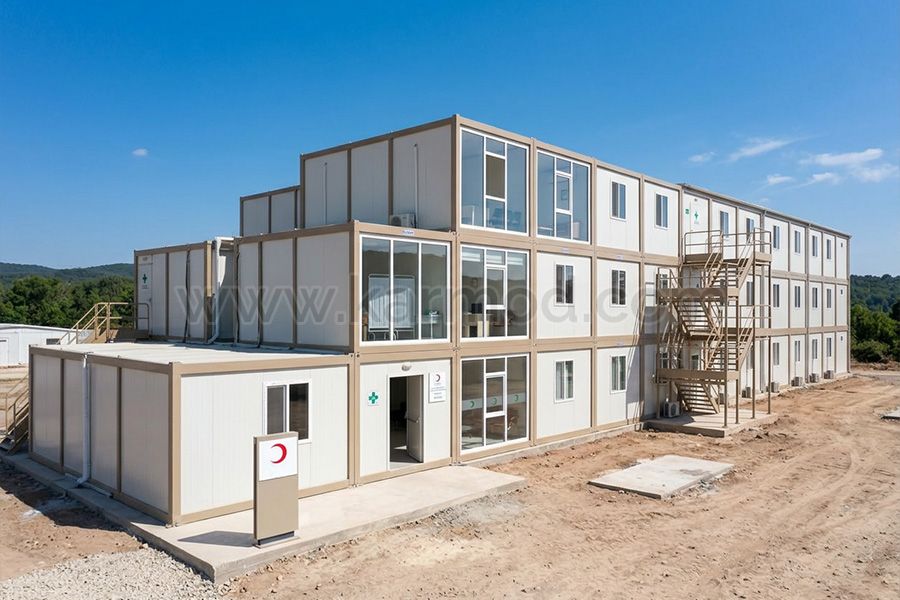
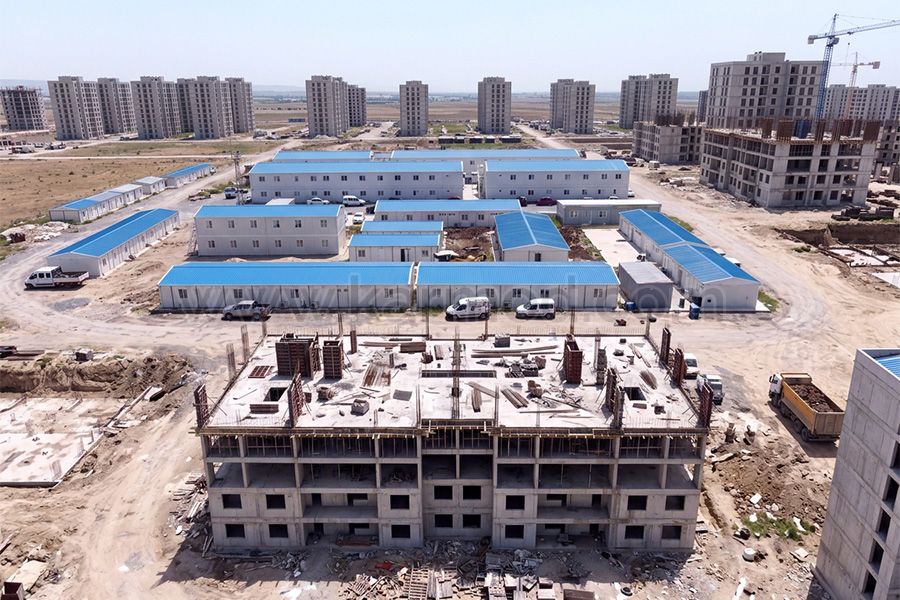
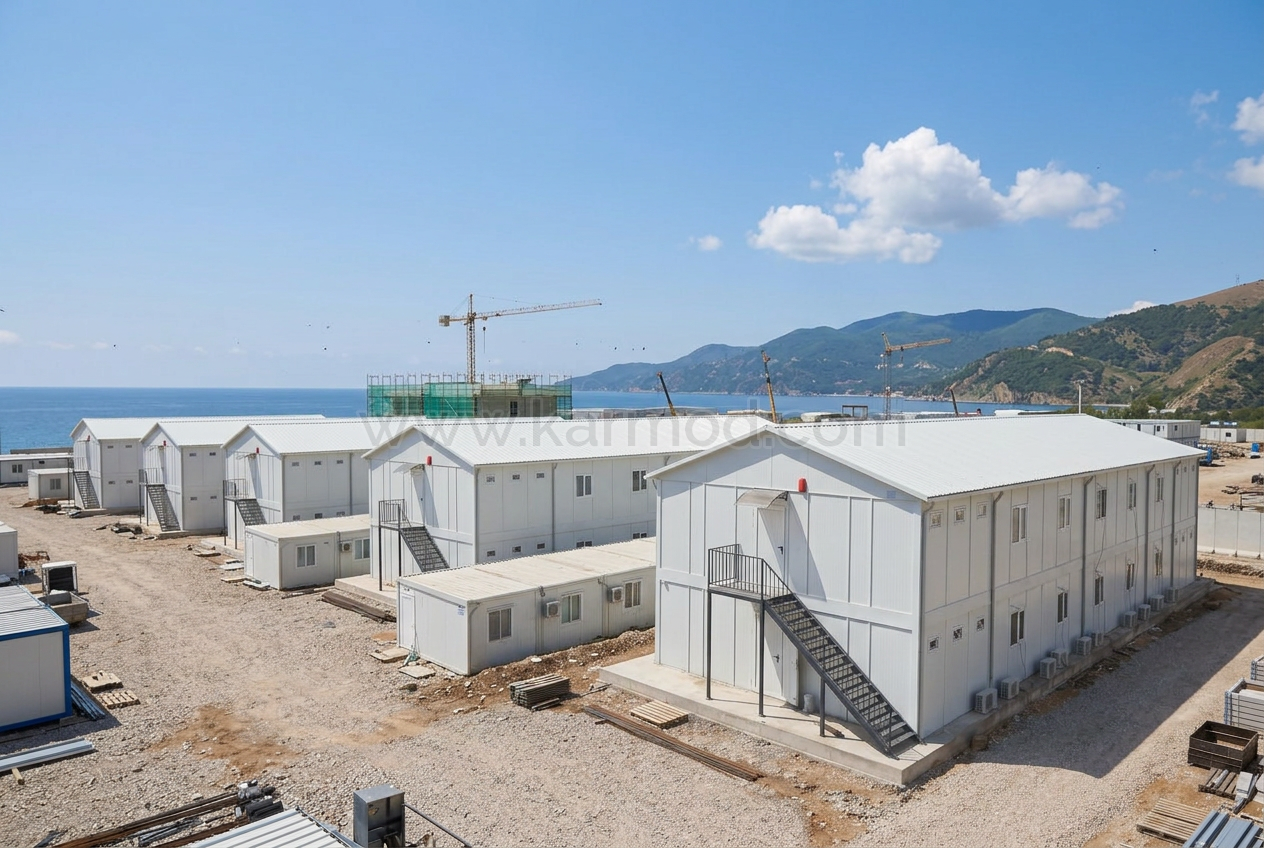
Temporary housing solutions, such as modular homes, converted spaces, or shared facilities, are increasingly being used to respond to housing emergencies. While not a long-term fix, they provide essential breathing room for families and individuals while policymakers work on creating sustainable housing opportunities. The expansion of temporary accommodation ensures that society can respond flexibly to sudden increases in demand.
In order to serve you better, if you could kindly send an e-mail to info@karmod.com for questions and details about your theoretical and special architectural plans, projects, and product specifications, your request will be responded to as soon as possible.

From one end of the world to the other, we enable our customers to reach the ready-made construction sector produced with the new technology of the world. We guarantee reliability through technology and innovation, flexible commercial models and smart supply chain solutions that add value for you, following the project production network.
Discover
Karmod is one of the largest prefabricated construction companies in Turkey, with a production of 45,000 m2. produces high quality prefabs and prefab containers