EN
EN 


Canada is facing one of the most acute housing supply crises in its modern history. Rapid immigration, urbanization, and changing household structures continue to strain the country’s housing capacity. According to the Canada Mortgage and Housing Corporation (CMHC), an additional 3.5 million homes must be built by 2030 to achieve housing affordability for all. Yet at the current pace of construction, that goal is out of reach. Traditional building methods—plagued by labor shortages, supply chain disruptions, cost inflation, and lengthy timelines—can no longer meet the challenge. This reality positions modular and prefabricated transformation not merely as a technical alternative but as a potential national strategy.
Demand for multi-family housing in Canada is surging, especially in metropolitan centers such as Toronto, Vancouver, and Calgary. However, construction productivity has stagnated for decades. Weather-dependent worksites, skilled labor shortages, and complex permitting processes have driven up costs and extended project timelines. A conventional multi-family project typically takes 24 to 36 months to complete, whereas modular or prefabricated methods can shorten this by 30–50 percent.
This inefficiency has not only economic consequences but also social ones: rising rents are displacing low- and middle-income households from urban cores. Addressing the housing crisis therefore requires more than simply building faster—it requires building smarter through industrialized, scalable production systems.
In recent years, the federal government and several provinces have begun to recognize modular and prefabricated construction as a strategic instrument for housing delivery.
The Rapid Housing Initiative (RHI), led by CMHC, has financed thousands of affordable units built with modular and prefabricated systems. Between 2020 and 2024, roughly one-third of all RHI-supported homes were produced using industrialized construction methods. Similarly, the Housing, Planning and Modernization Initiative (HPMI) is aligning national building codes with modular and prefabricated standards, paving the way for faster approval and wider adoption.
At the municipal level, Toronto’s Modular Housing Initiative (MHI) stands out as a compelling model. The program has delivered over 400 permanent modular units for unhoused residents, cutting construction timelines in half compared to conventional builds. Meanwhile, British Columbia (BC) and Ontario are fostering local industry clusters to expand production capacity. The Bella Bella community in BC, for instance, has integrated prefabricated systems into Indigenous housing programs, combining sustainability with local employment and cultural relevance.


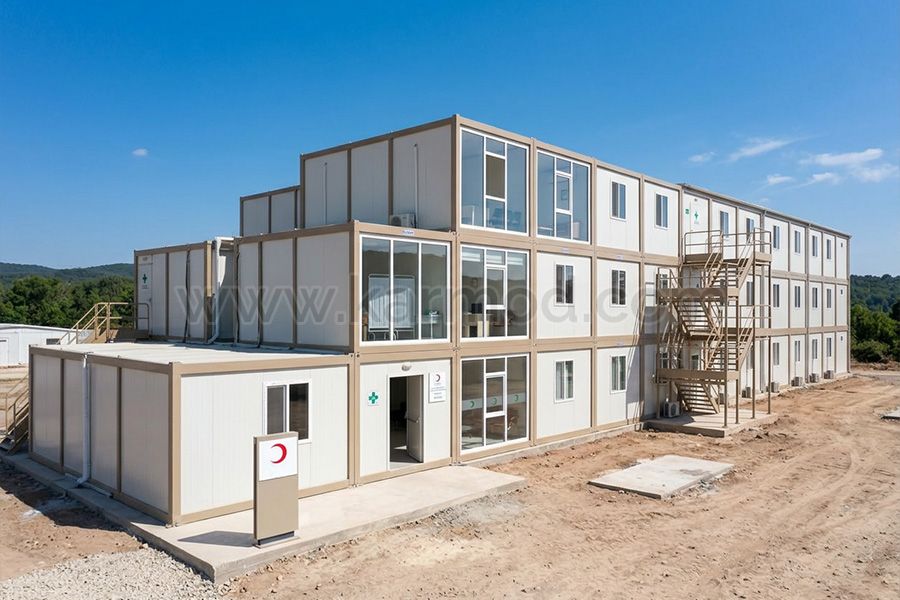
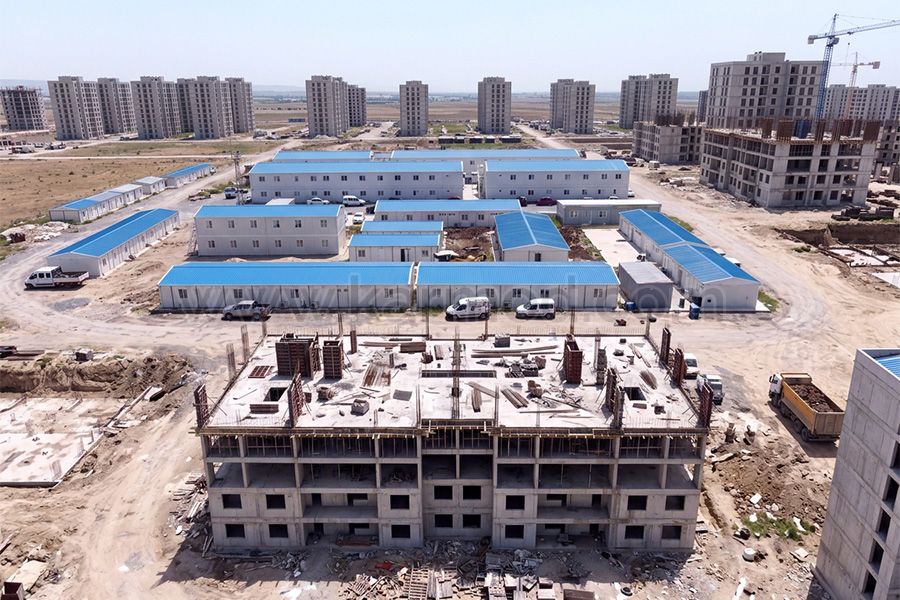
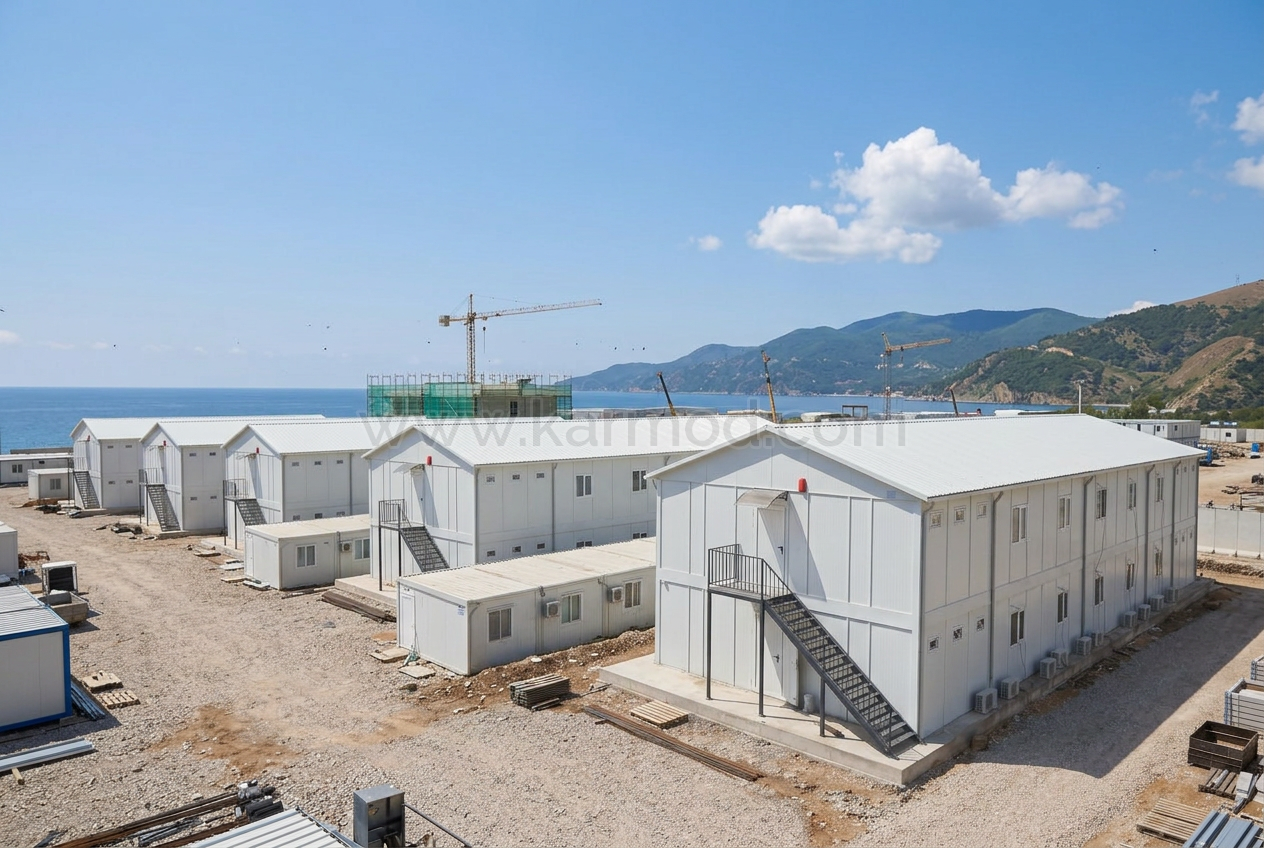
The core strength of modular and prefabricated systems lies in their efficiency. By shifting much of the work to controlled factory environments, projects benefit from consistent quality, reduced waste, and lower risk. This approach can yield 20–40% cost savings, up to 50% time reduction, and energy performance improvements of up to 30%.
Moreover, prefabricated components allow for greater integration of high-performance materials, helping align Canada’s housing production with its net-zero carbon goals. However, these systems are not universally cheaper: factory setup, logistics, and code compliance still require significant upfront investment. Achieving cost competitiveness depends heavily on economies of scale and a steady pipeline of demand.


Across the country, successful implementations demonstrate that modular and prefabricated transformation is not theoretical—it’s already delivering results. In Bella Bella, prefabricated homes built locally have reduced carbon emissions while enhancing community participation. In Toronto, modular projects completed within six to eight months have proven that speed need not compromise quality or dignity. In Kingston, Ontario, modular and prefabricated apartment developments for students and low-income renters illustrate how public–private collaboration can accelerate delivery while maintaining affordability.
Together, these cases reveal that technical innovation alone is insufficient; success depends on coordinated policy, adaptive financing, and strong design leadership.
The nationwide expansion of modular and prefabricated construction will depend on five interrelated foundations.
First, policy alignment must ensure that federal and provincial building codes clearly define and support these systems.
Second, industrial capacity must grow through new manufacturing facilities and standardized supply chains.
Third, financing mechanisms from CMHC and private investors should provide long-term funding instruments tailored to modular production.
Fourth, governance and permitting frameworks at the municipal level need to streamline approval processes and remove bottlenecks.
Finally, design innovation should reinforce the architectural and environmental quality of modular housing, redefining it as both efficient and aesthetically compelling.
When these elements work in unison, modular and prefabricated construction can evolve from a niche innovation into the main engine of Canada’s housing production.
The success of this transformation also hinges on public perception. For decades, modular and prefabricated buildings were viewed as temporary or “box-like” solutions. Today, that perception is shifting as high-quality designs demonstrate how such systems can create durable, beautiful, and community-oriented spaces. Strengthening local production networks—such as BC’s modular factories or Alberta’s steel-frame manufacturers—can reduce transport emissions, lower costs, and invigorate regional economies. This approach encapsulates a powerful idea: “produce locally, transform nationally.”
Canada’s housing crisis cannot be solved simply by pouring more concrete. The path forward lies in smarter, faster, and lower-carbon building models. Modular and prefabricated transformation stands at the heart of that shift. To unlock its full potential, federal and provincial governments must align regulations, financial institutions must support scalable investment, and design culture must champion beauty and sustainability alongside efficiency.
If these steps are taken decisively, Canada will not only bridge its housing gap but also pioneer a sustainable, inclusive, and innovative housing economy. Modular and prefabricated transformation is no longer a stopgap—it is the architectural and social revolution Canada needs.
In order to serve you better, if you could kindly send an e-mail to info@karmod.com for questions and details about your theoretical and special architectural plans, projects, and product specifications, your request will be responded to as soon as possible.

From one end of the world to the other, we enable our customers to reach the ready-made construction sector produced with the new technology of the world. We guarantee reliability through technology and innovation, flexible commercial models and smart supply chain solutions that add value for you, following the project production network.
Discover
Karmod is one of the largest prefabricated construction companies in Turkey, with a production of 45,000 m2. produces high quality prefabs and prefab containers