EN
EN 


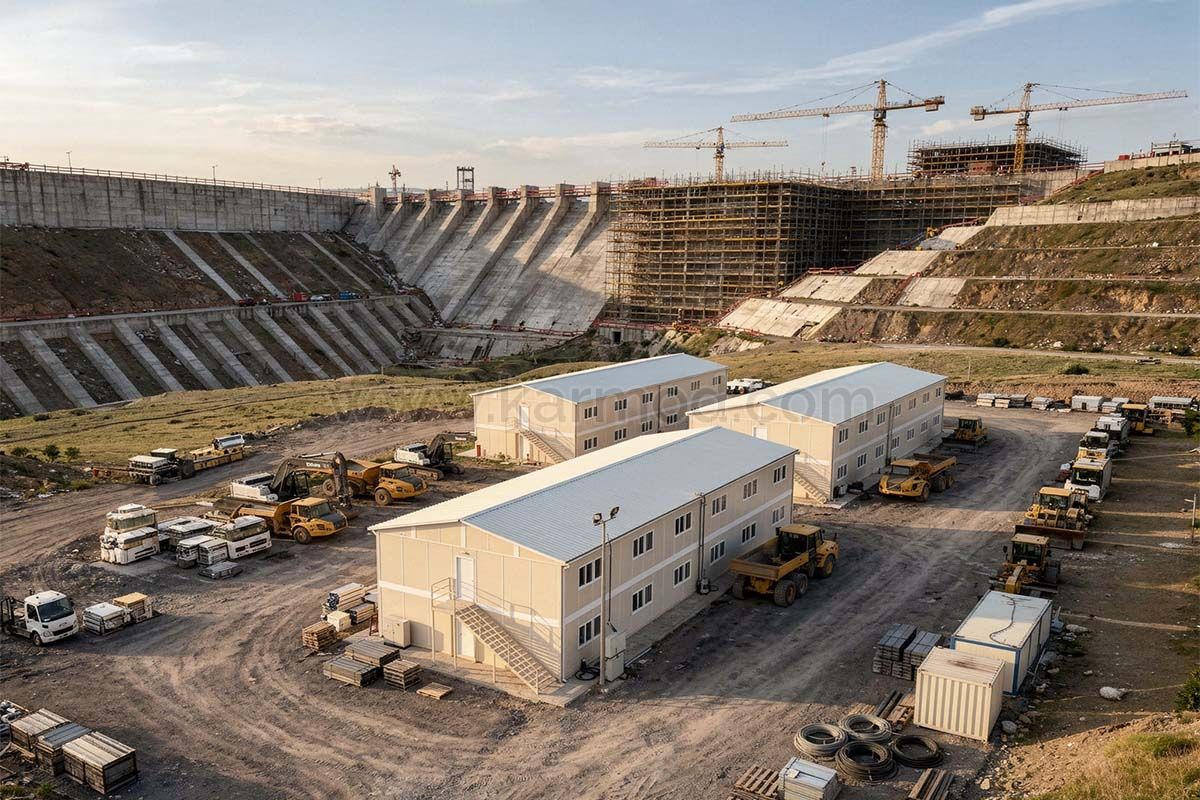
Hydropower projects require carefully planned temporary facilities before major site activities begin. These projects are usually located near rivers, reservoirs, mountain valleys, or remote infrastructure zones where ready-made offices, accommodation, storage, and worker support areas may not be available. For this reason, hydropower project mobilization prefab solutions help contractors create a practical site base during the early stages of construction.
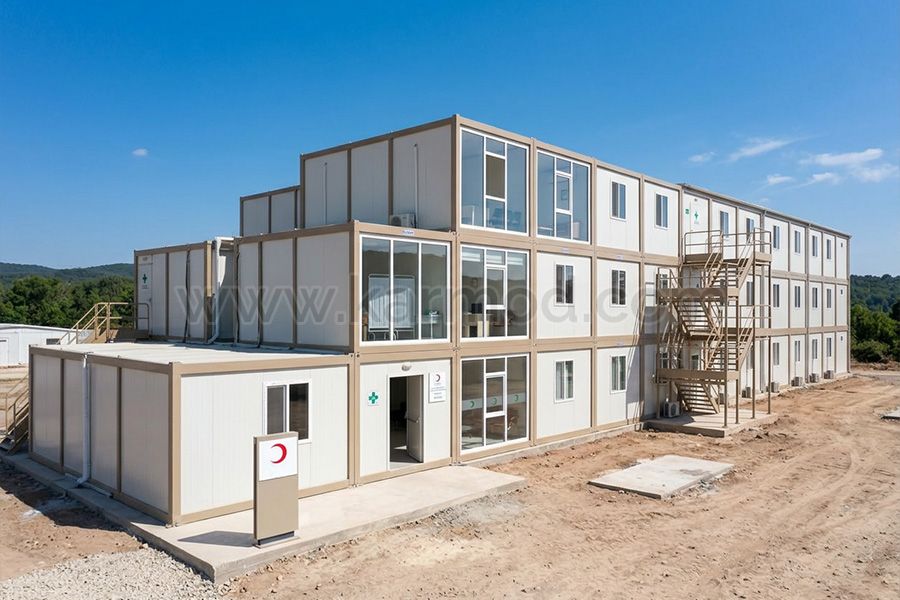
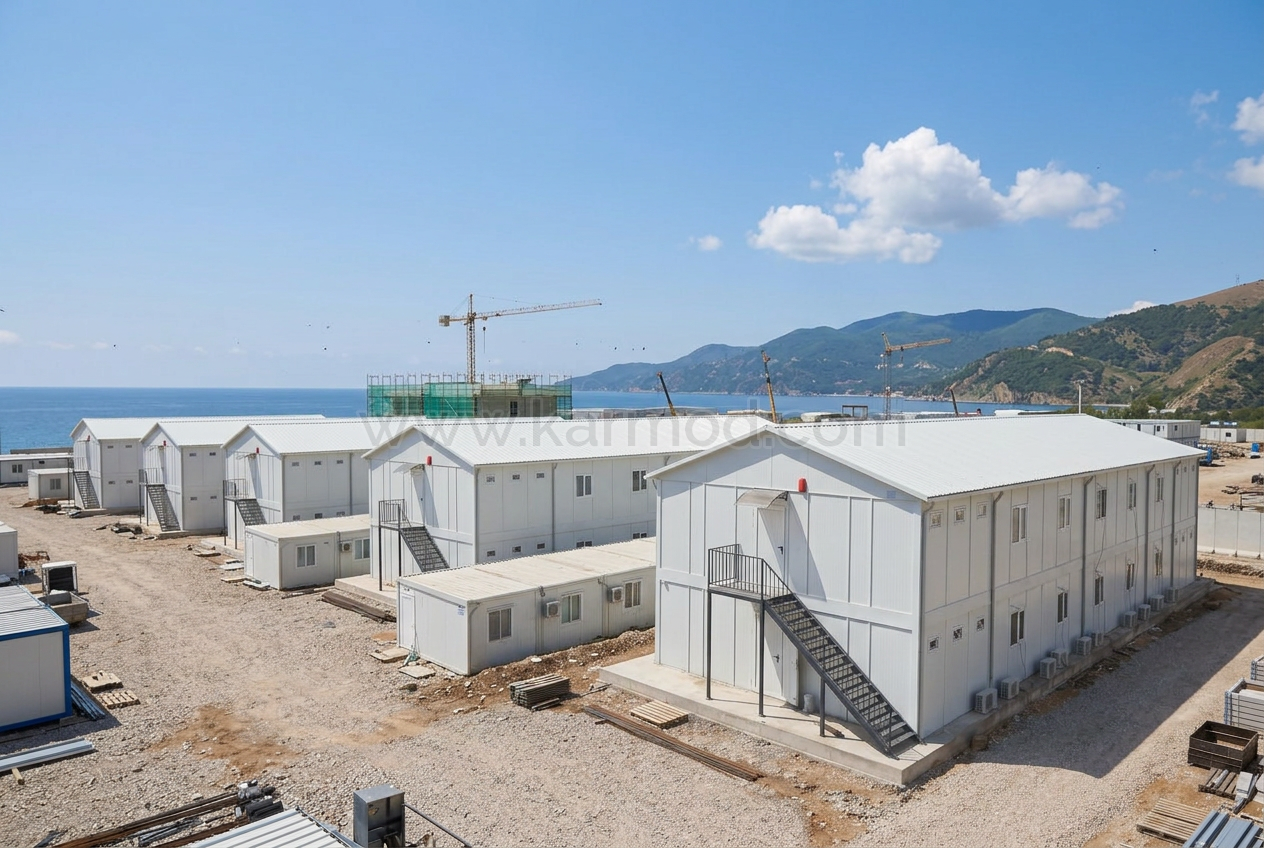
Hydropower Project Mobilization Structures can include modular offices, worker accommodation, dining halls, sanitary units, quality control rooms, testing spaces, storage containers, medical rooms, and security cabins. These buildings support civil works, mechanical installation, electrical systems, reservoir construction, and commissioning activities throughout the project.
Hydropower camp mobilization is important because dam and water power plant projects often begin in challenging locations. Access roads may still be under construction, utilities may be limited, and permanent project buildings may not yet exist. Before large construction teams arrive, the site needs temporary but reliable facilities.
Prefab and modular buildings make this process faster. They can be manufactured before delivery, transported to the project site, and installed according to the mobilization plan. This helps project teams start administrative, engineering, safety, and worker support operations without waiting for permanent buildings.
A mobilization camp also gives the project a central point for coordination. Engineers, contractors, supervisors, safety teams, and field crews can work from the same organized area, which improves communication during the most critical early stages.
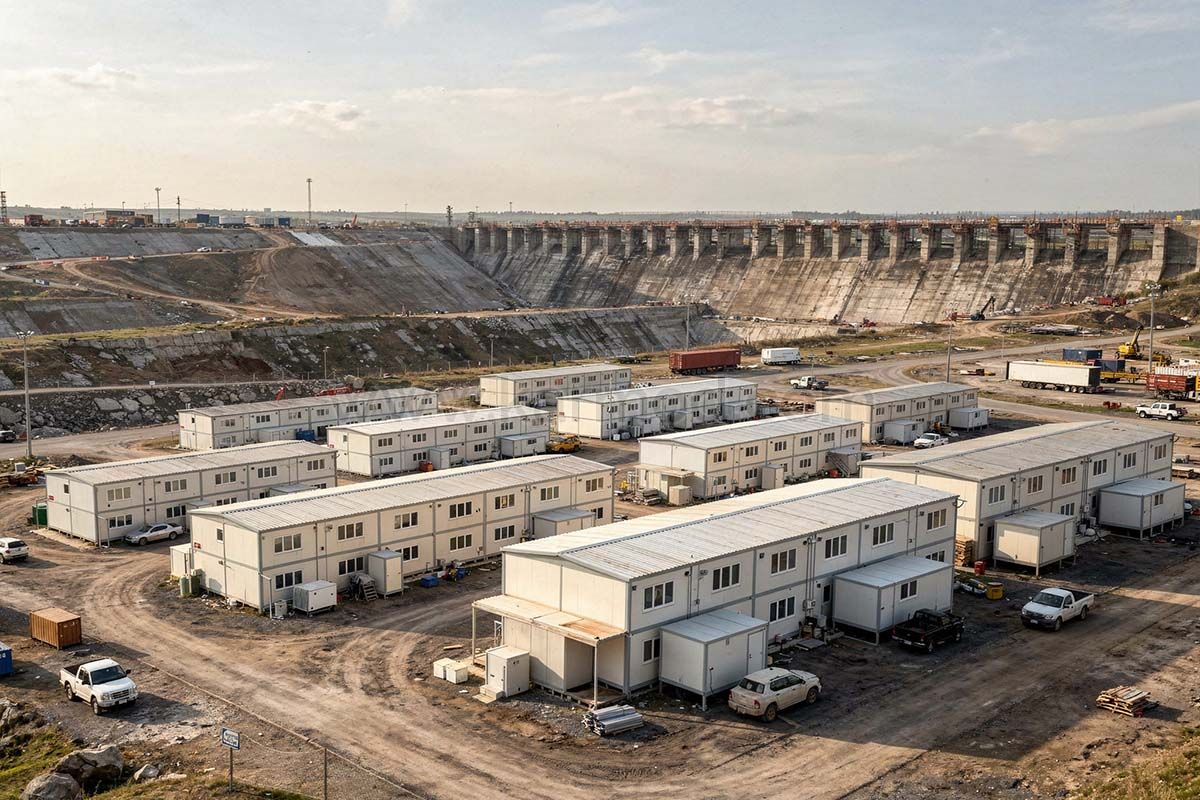
A water power plant camp must support many different construction activities. During the civil works phase, teams may work on excavation, diversion tunnels, cofferdams, spillways, foundations, concrete structures, and access roads. Later, the project may move into powerhouse construction, turbine installation, electrical systems, and testing.
Modular buildings can be adapted to each phase. Site offices can be used for project management, engineering coordination, document control, and contractor meetings. Accommodation units can house workers near the site. Storage containers can protect tools, spare parts, safety equipment, and technical materials.
As the project grows, additional buildings can be added. When one phase is completed, some units can be relocated, removed, or converted for another use. This flexibility is one of the main advantages of modular mobilization structures.
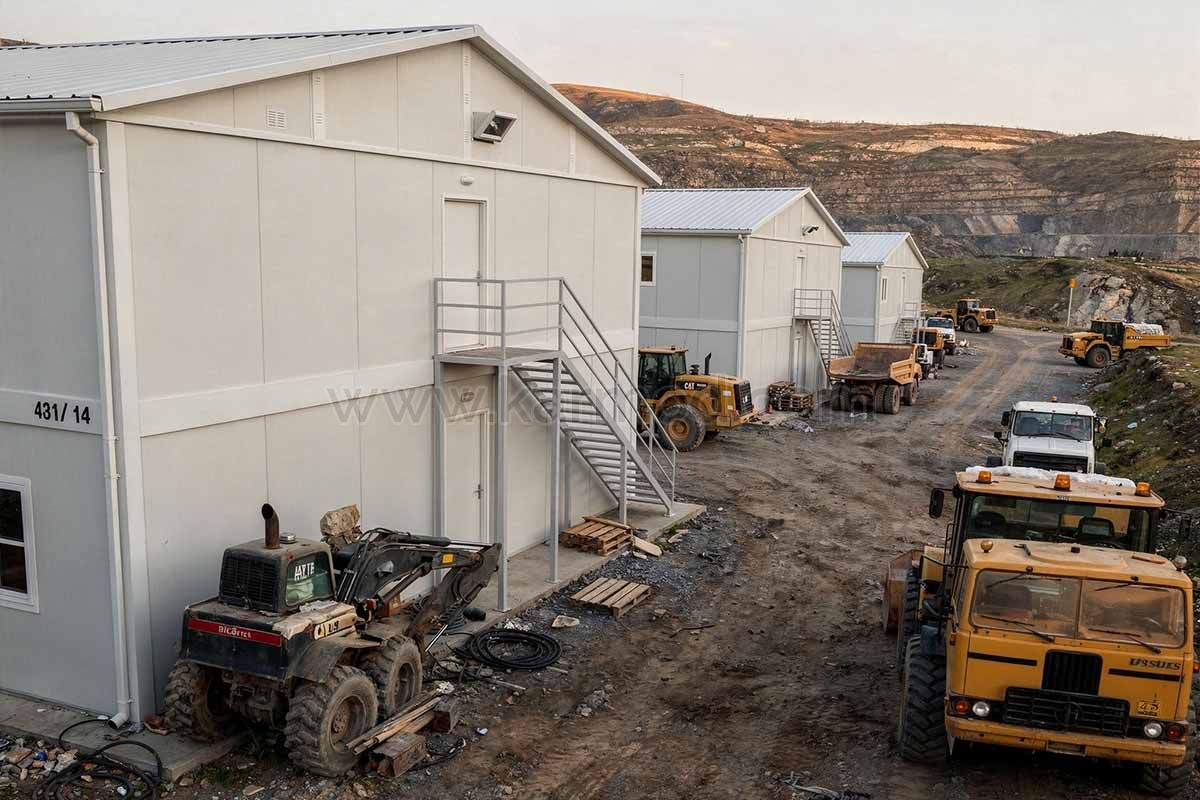
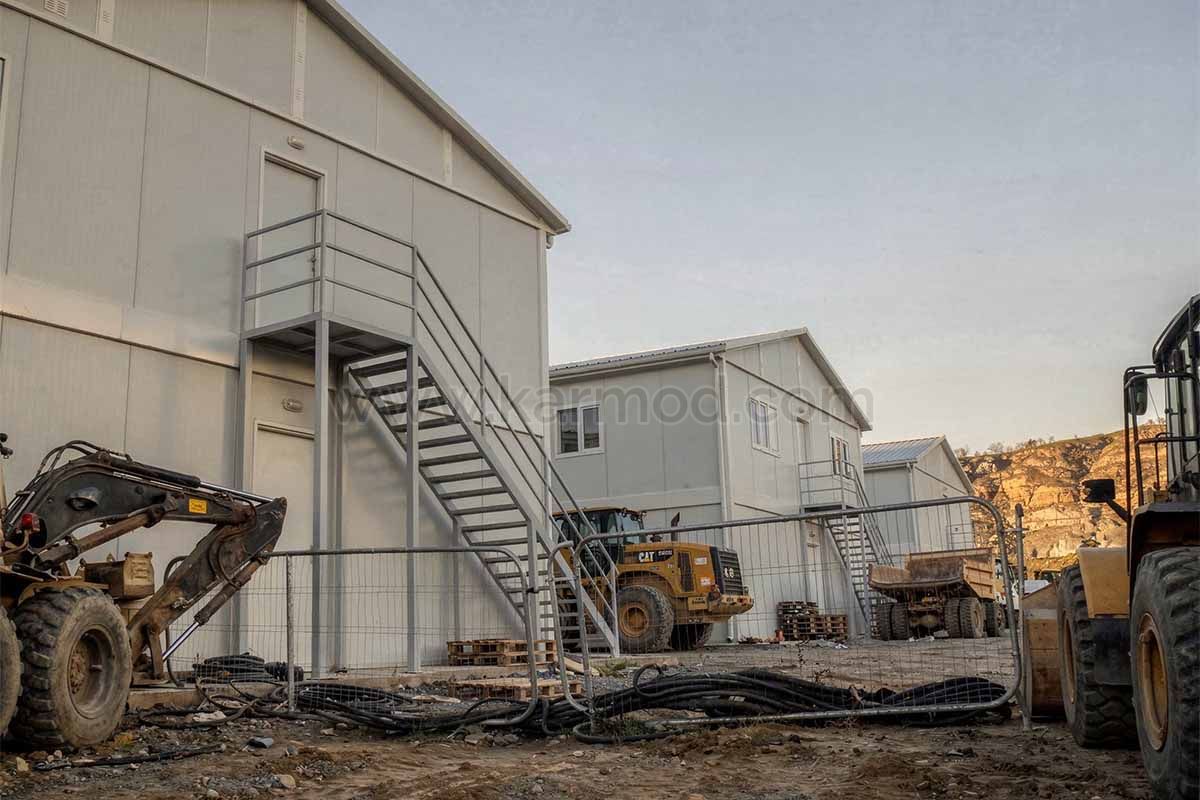
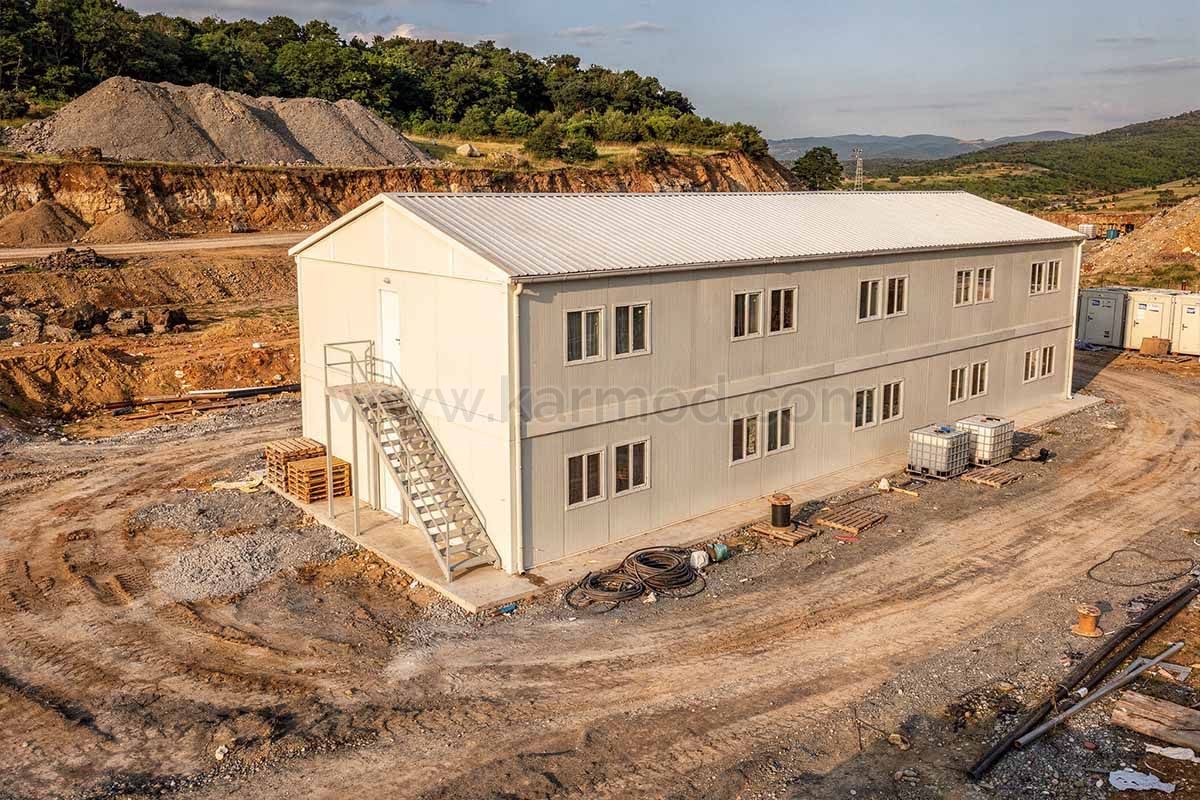
A dam turbine hall construction office is needed during one of the most technical stages of a hydropower project. Turbine hall works involve mechanical teams, electrical engineers, civil contractors, crane operators, quality inspectors, and commissioning specialists. These teams require close coordination because equipment installation must follow precise schedules and technical standards.
Modular office units can be placed near the powerhouse or turbine hall area to support daily planning, installation control, equipment documentation, and technical meetings. These offices may include workstations, meeting rooms, archive spaces, communication systems, and quality control desks.
During turbine and generator installation, having offices close to the work zone helps reduce delays. Engineers and supervisors can review drawings, check installation progress, manage inspection records, and solve field issues more efficiently.
A hydroelectric EPC camp must support engineering, procurement, and construction activities at the same time. These projects usually involve multiple contractors, suppliers, technical teams, and approval processes. A well-planned camp helps keep these teams connected throughout the project.
EPC camp buildings may include management offices, procurement offices, engineering rooms, contractor offices, safety departments, training rooms, meeting halls, and document control areas. Worker facilities may include accommodation, dining halls, kitchens, laundry rooms, sanitary units, recreation areas, and first-aid rooms.
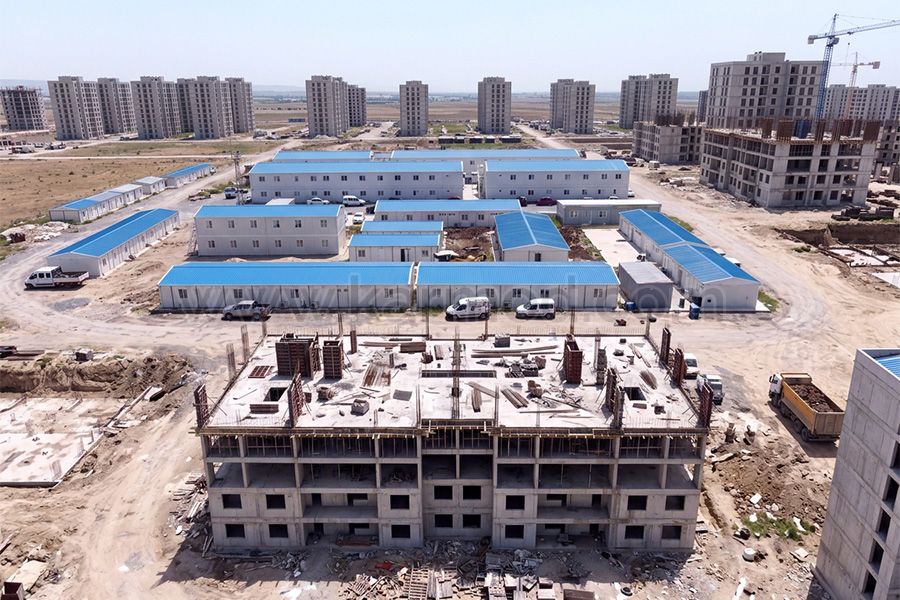
The layout should separate office zones, accommodation areas, storage points, vehicle routes, and active construction zones. This helps improve safety and daily organization. Controlled access points, lighting, signage, emergency routes, and medical support should also be included in the camp plan.
A pumped storage camp may have different requirements from a standard dam site because it can involve upper and lower reservoirs, tunnels, powerhouses, penstocks, access roads, and electrical infrastructure. Workers and engineers may need facilities in more than one location depending on the project layout.
Reservoir project modular buildings can be used as satellite offices, accommodation units, inspection rooms, storage areas, and welfare facilities near different work zones. This allows project teams to remain close to active construction points without relying on a single distant base camp.
For reservoir and pumped storage projects, camp planning should consider terrain, access roads, water levels, drainage, environmental protection areas, and seasonal weather. Modular structures can be positioned and relocated according to these conditions, making them practical for complex hydropower sites.
Hydropower camps are often located near rivers or reservoir areas, so flood risk must be considered from the beginning. Camp placement should account for seasonal water levels, monsoon periods, drainage routes, slope stability, and emergency evacuation paths. Buildings should be positioned away from flood-prone areas whenever possible.
Sustainability is also becoming more important in modern hydropower project camps. Modular buildings can support efficient energy use, reduced material waste, water-saving fixtures, improved insulation, natural ventilation, solar-powered lighting, and controlled wastewater systems.
A well-designed camp protects workers, supports environmental compliance, and helps the project operate more efficiently. Since hydropower projects can continue for many years, temporary facilities should be strong enough for long-term use while remaining flexible for future relocation or repurposing.
In order to serve you better, if you could kindly send an e-mail to info@karmod.com for questions and details about your theoretical and special architectural plans, projects, and product specifications, your request will be responded to as soon as possible.

From one end of the world to the other, we enable our customers to reach the ready-made construction sector produced with the new technology of the world. We guarantee reliability through technology and innovation, flexible commercial models and smart supply chain solutions that add value for you, following the project production network.
Discover
Karmod is one of the largest prefabricated construction companies in Turkey, with a production of 45,000 m2. produces high quality prefabs and prefab containers