EN
EN 


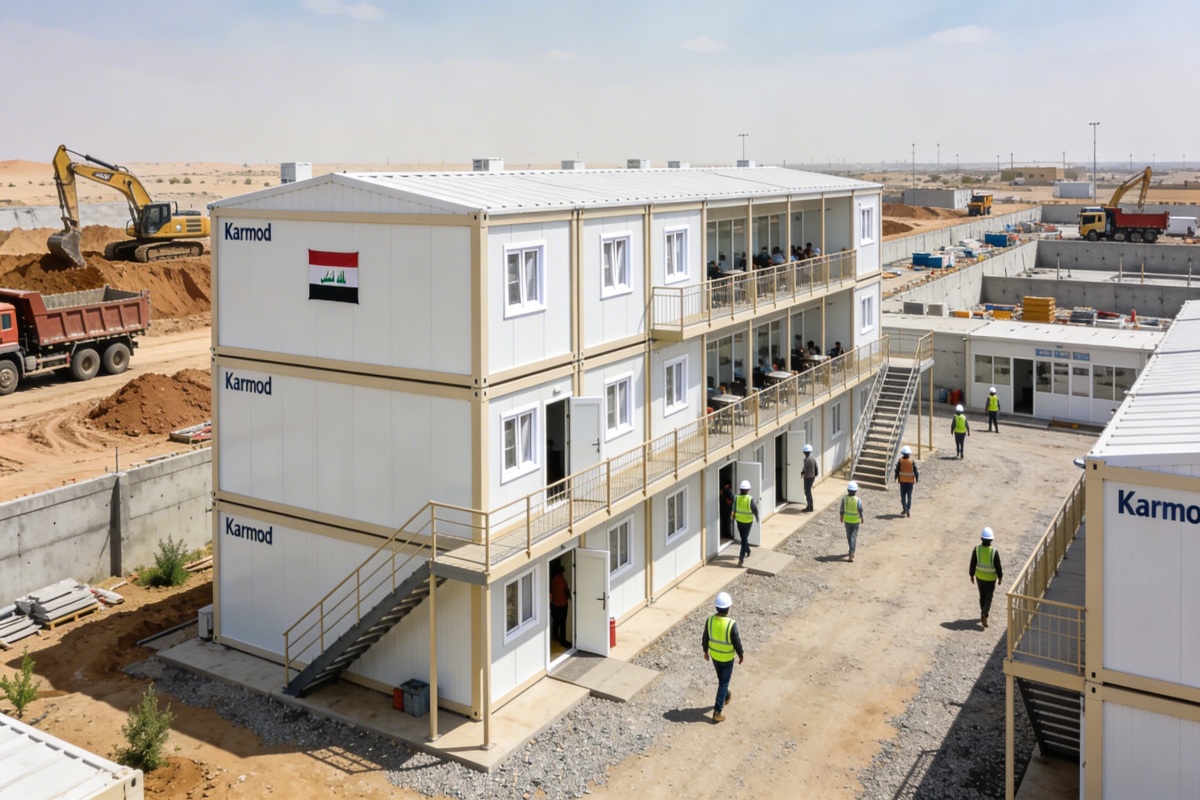
Iraq’s geography stretches from the fertile plains of the Tigris and Euphrates to vast desert regions and rapidly expanding urban centers such as Baghdad and Basra. The country’s hot summers, dust exposure, and regional temperature variations require buildings that are durable, adaptable, and engineered for challenging environmental conditions. At the same time, reconstruction efforts, energy projects, trade, and infrastructure development are driving demand for faster and more efficient construction models.
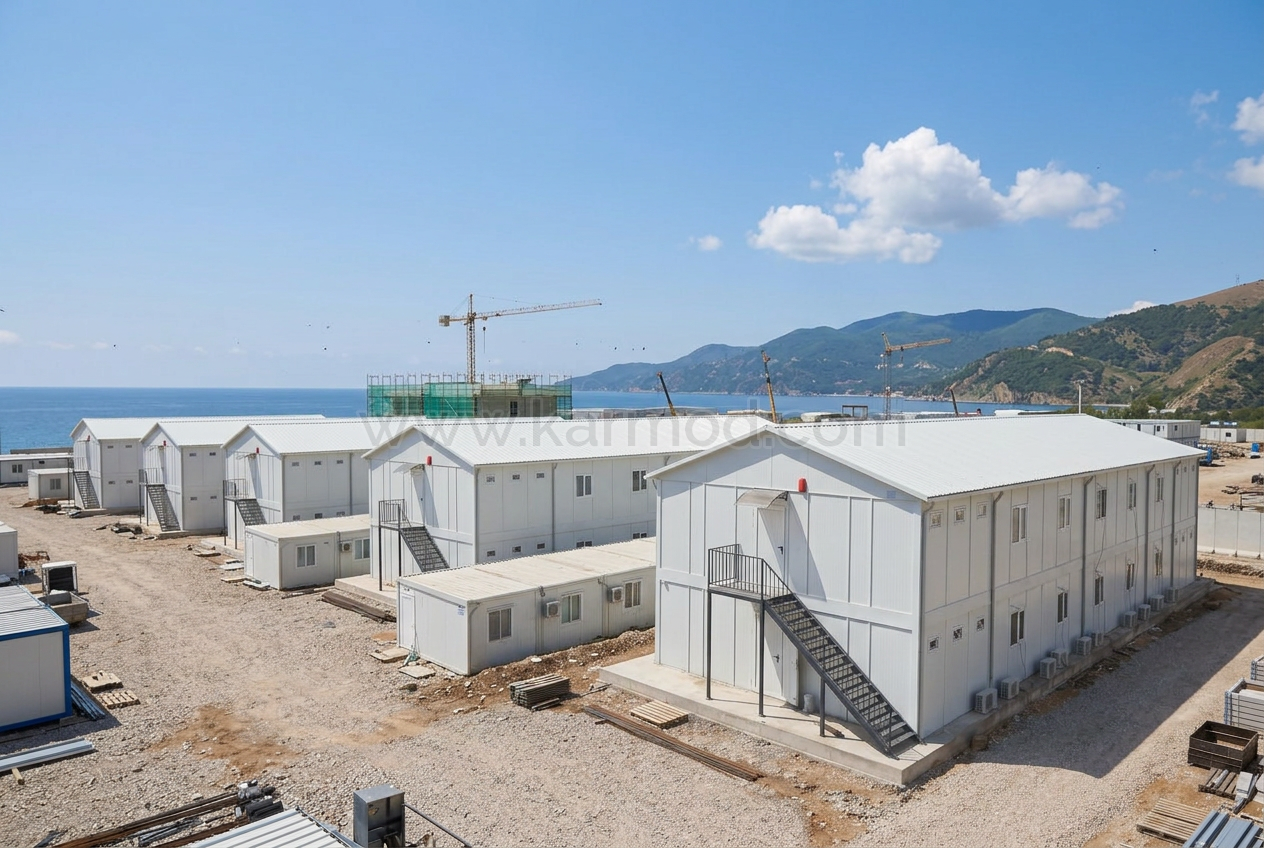
Within this context, Iraq container buildings are gaining prominence as practical, scalable structures for housing, commercial use, and operational facilities. Modern container technology combined with modular container buildings allows projects to move forward with greater predictability. Designed as prefabricated container systems, these structures respond effectively to Iraq’s climate while offering flexibility in layout and expansion.


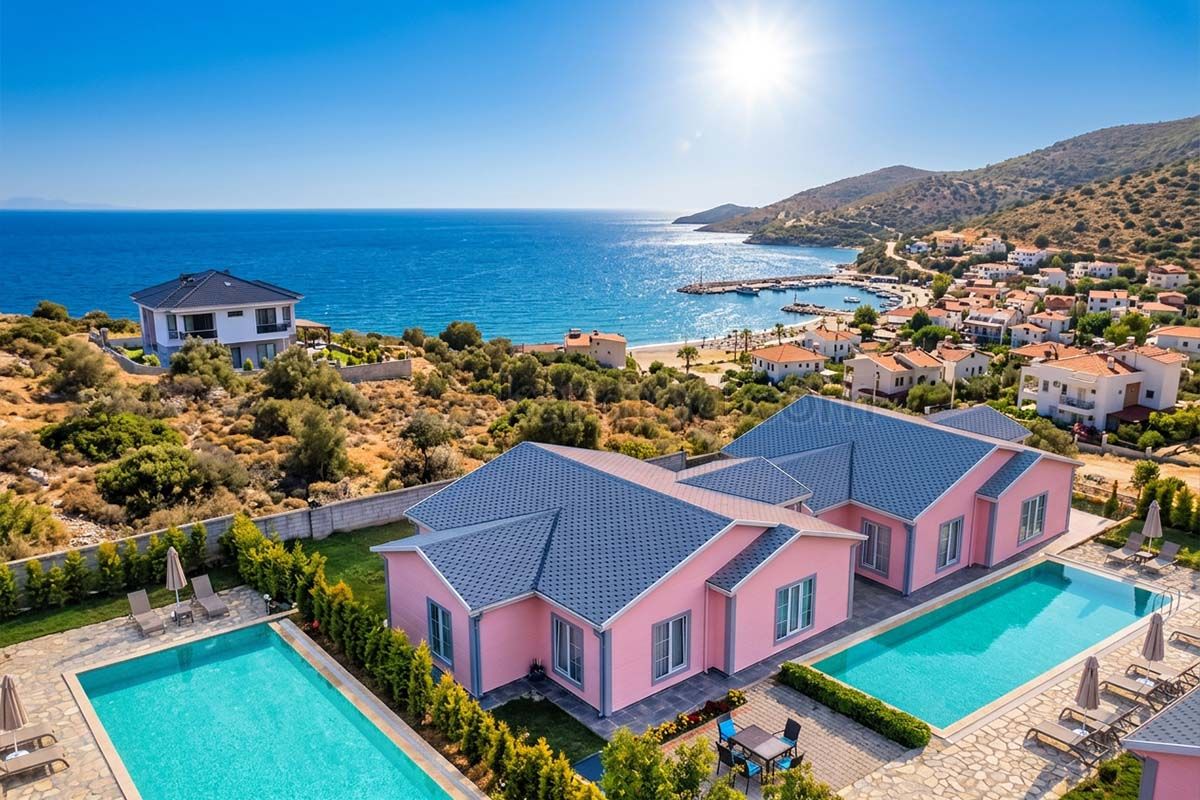
As cities grow and new residential zones develop, Iraq container homes provide an alternative approach to contemporary housing. Built with precision manufacturing processes, these homes are delivered in modules that reduce on-site construction time and improve quality control. This approach is especially valuable in regions where traditional construction can be slowed by climate extremes or logistical constraints.
Sustainability in Iraq is closely linked to material efficiency and long-term performance. Prefabricated container systems reduce excess material waste and support controlled production standards. With appropriate insulation, reflective roofing solutions, and ventilation strategies, climate-resistant container buildings can maintain indoor comfort even during peak summer temperatures.
Affordability and adaptability are additional strengths. Homes can begin as compact units and later expand through additional modules. This modular logic supports phased development, making Iraq container homes suitable for private residences, workforce housing, and temporary-to-permanent accommodation projects.


Storage infrastructure plays a critical role in Iraq’s logistics, oil and gas operations, agriculture, and construction sectors. Iraq container storage solutions offer secure, relocatable units that can be positioned close to project sites or transport hubs. Their standardized dimensions simplify transport and deployment, while reinforced structures ensure long-term durability.
These storage systems are widely used for:
Engineered steel frames, secure locking mechanisms, and protective surface treatments enhance reliability under high temperatures and dust exposure. The ability to relocate units as projects evolve provides long-term operational flexibility.
Selecting a container manufacturer in Iraq requires careful consideration of engineering standards and environmental performance. Karmod focuses on structural stability, material quality, and production consistency to deliver dependable container solutions across different sectors.
For Iraq’s climate, corrosion resistance, thermal insulation, and robust detailing are essential. Climate-resistant container buildings must incorporate protective coatings and insulation systems designed for heat control and long service life. Karmod’s approach emphasizes controlled factory production combined with project-specific customization, ensuring that each container meets operational requirements without compromising structural integrity.
Customization capabilities include interior partitions, electrical infrastructure, plumbing systems, and facade treatments. This engineering-focused methodology supports projects ranging from compact units to large modular complexes.
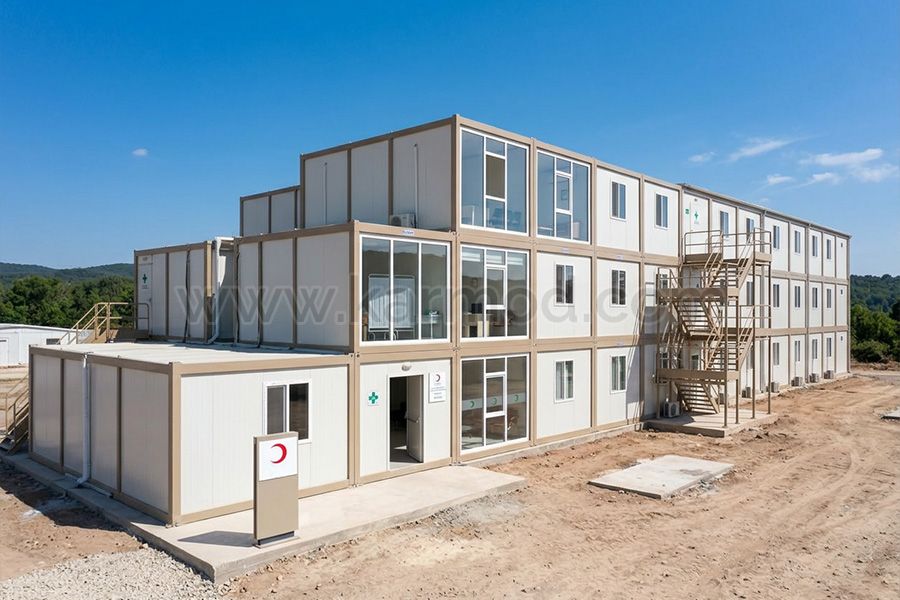
As infrastructure and industrial projects expand, demand for efficient workspace solutions continues to rise. Iraq container offices provide practical environments for site management, engineering coordination, and administrative functions. A professionally designed container office integrates lighting, climate control readiness, insulation, and workspace layouts within a compact modular structure.
Flexibility defines the system. Offices can operate as standalone units or be combined into larger administrative complexes. Expansion is achieved by adding new modules, while relocation is possible when projects shift to new locations. This adaptability aligns with the dynamic nature of construction, energy, and infrastructure developments.
By reducing on-site construction time and streamlining installation, modular container buildings support operational continuity and improved cost control.


Commercial development in Iraq increasingly incorporates modular thinking. Iraq container buildings are used for showrooms, service centers, branch facilities, and mixed-use complexes. Prefabricated container systems enable faster project timelines while maintaining structural reliability.
Typical commercial applications include:
With appropriate insulation and structural reinforcement, these climate-resistant container buildings deliver stable interior environments while supporting rapid deployment.
Retail development benefits from the adaptability of modular systems. Iraq container shop concepts enable fast setup in commercial corridors, tourism areas, and urban redevelopment zones. Units can be customized with glazing systems, facade treatments, and branded design elements.
Because modules can be modified or relocated, retailers maintain flexibility while investing in durable infrastructure.
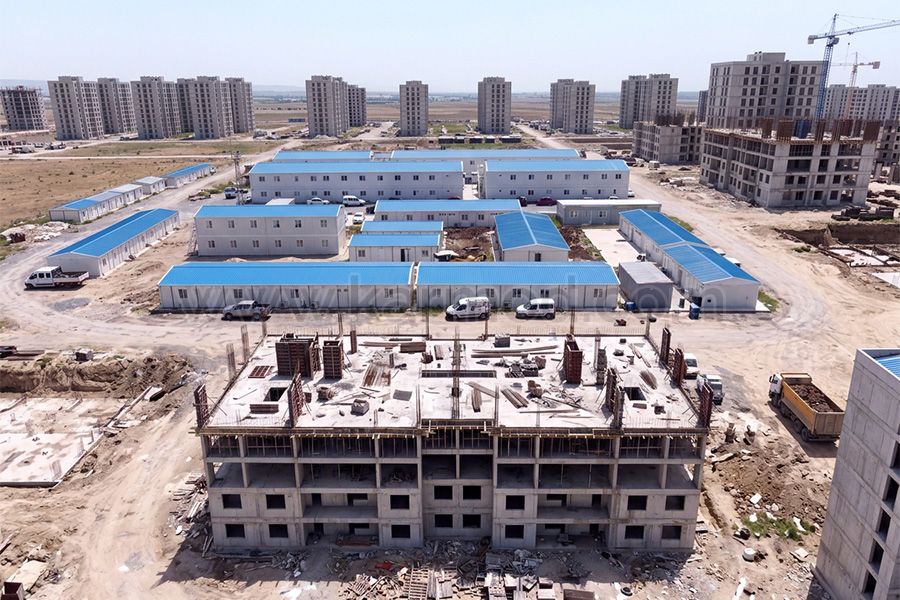
Urban housing demand continues to grow as cities expand. Modular container buildings provide a structured approach to mid-rise and community housing developments. Iraq container homes configured as apartment units can be arranged in stacked layouts with shared corridors and communal outdoor spaces.
Efficient insulation, ventilation planning, and structural reinforcement ensure that apartment complexes meet performance expectations in high-temperature conditions. The modular approach allows phased construction, enabling developers to respond to demand without overextending initial investment.
Community-oriented planning may include shared courtyards, service zones, and adaptable layouts that support long-term residential use.
Container-based design in Iraq extends beyond housing and commerce. Modular systems support educational facilities, healthcare units, community buildings, and infrastructure-related structures. Prefabricated container systems can be configured to serve:
With careful engineering and climate-responsive detailing, Iraq container buildings provide scalable, durable, and adaptable solutions that support the country’s evolving construction landscape. Modular container buildings are becoming an integral part of Iraq’s modern development strategy, combining structural efficiency with long-term functionality.
In order to serve you better, if you could kindly send an e-mail to info@karmod.com for questions and details about your theoretical and special architectural plans, projects, and product specifications, your request will be responded to as soon as possible.

From one end of the world to the other, we enable our customers to reach the ready-made construction sector produced with the new technology of the world. We guarantee reliability through technology and innovation, flexible commercial models and smart supply chain solutions that add value for you, following the project production network.
Discover
Karmod is one of the largest prefabricated construction companies in Turkey, with a production of 45,000 m2. produces high quality prefabs and prefab containers