EN
EN 


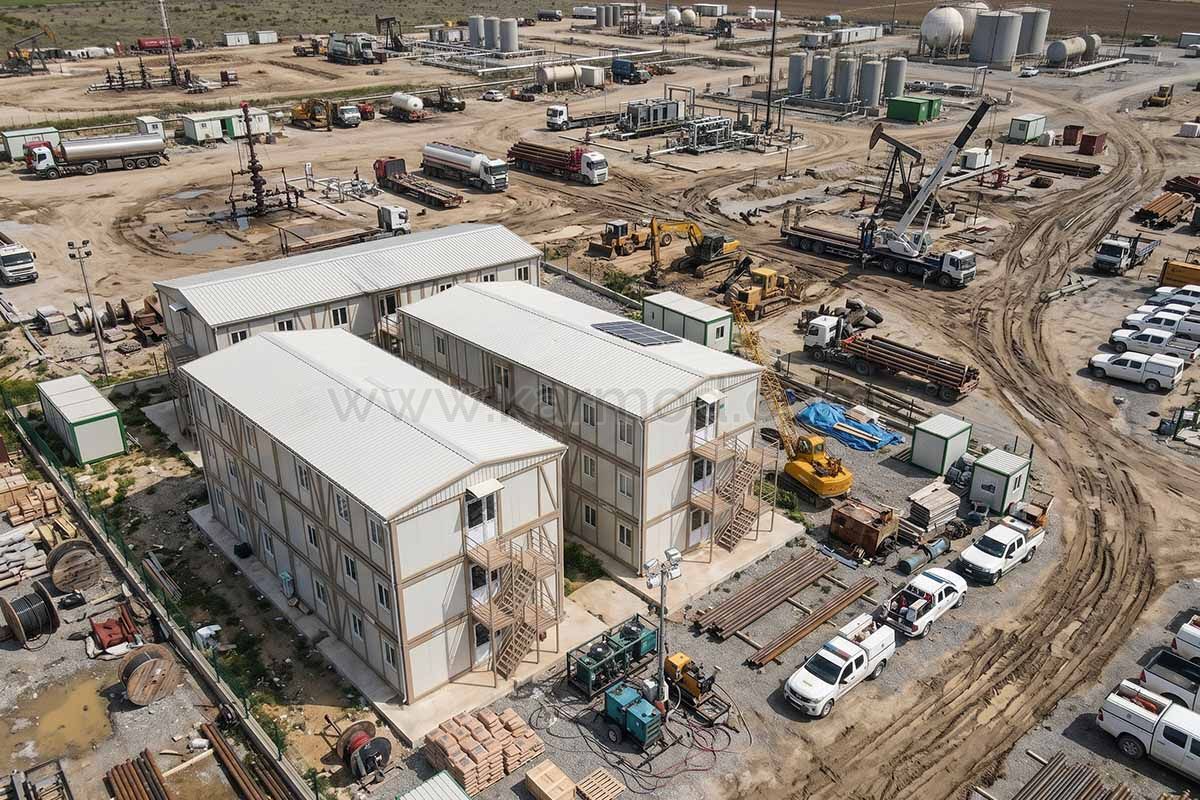
Hydroelectric dam projects are among the most demanding infrastructure works in the energy sector. They are often built in valleys, river basins, mountainous regions, or remote areas where ready-made housing and site facilities are limited. Before construction teams can begin major works, the project area needs a functional base where workers, engineers, supervisors, equipment teams, and management staff can stay and operate safely.
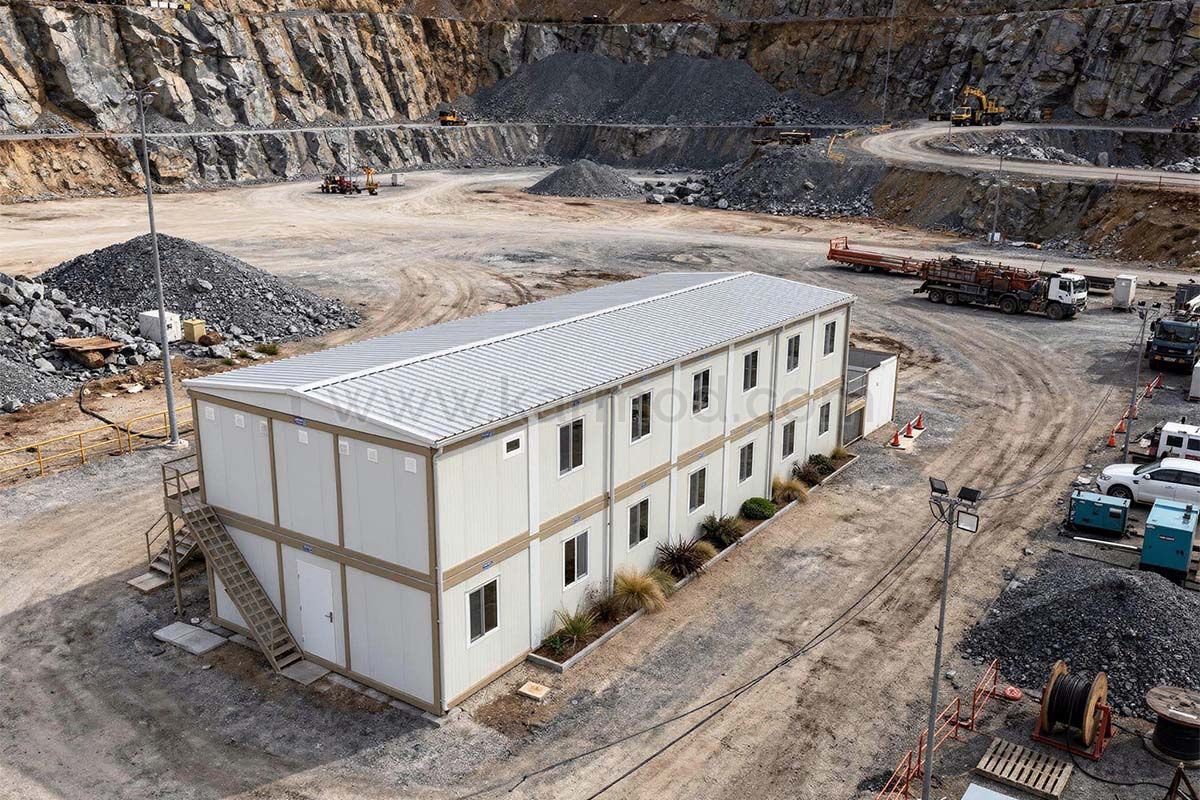
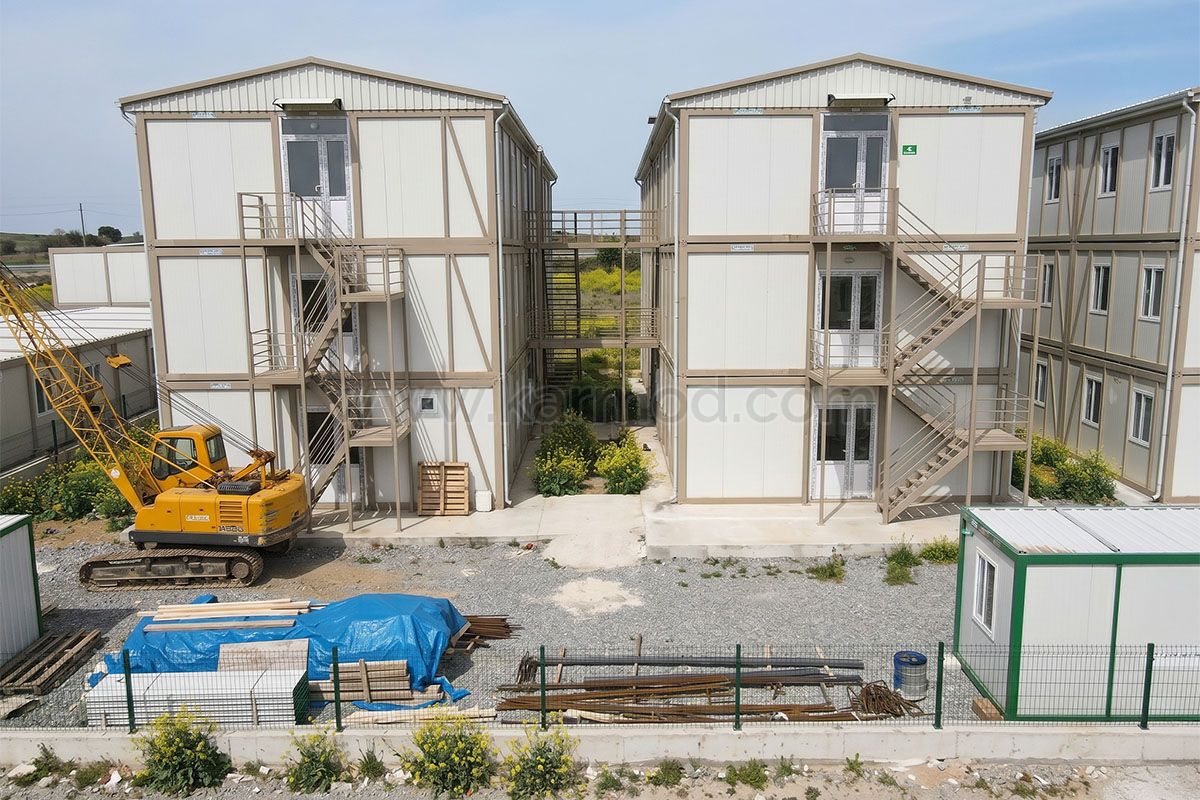
A hydroelectric dam construction camp container system helps create this base quickly. Modular containers can be used for accommodation, offices, dining halls, sanitary facilities, storage areas, medical rooms, security units, and technical support spaces. Because they are transportable and expandable, they are suitable for both early-stage site preparation and long-term dam construction activities.
A dam construction camp must support a large and diverse workforce. Civil engineers, concrete teams, drilling crews, heavy equipment operators, electricians, surveyors, safety officers, logistics teams, and administrative staff may all work in the same project area. Since dam construction can continue for months or years, the camp must be planned as a complete living and working environment.
Container-based camps make this process more manageable. Instead of building permanent structures from the ground up, project owners can use prefabricated modular units that are produced in advance and installed on site. This reduces setup time and allows the camp to grow as the workforce increases.
The modular structure also gives flexibility during different construction phases. Early works may require only offices, storage, and basic accommodation. Later, as excavation, concrete pouring, turbine installation, and infrastructure works increase, additional housing and support units can be added.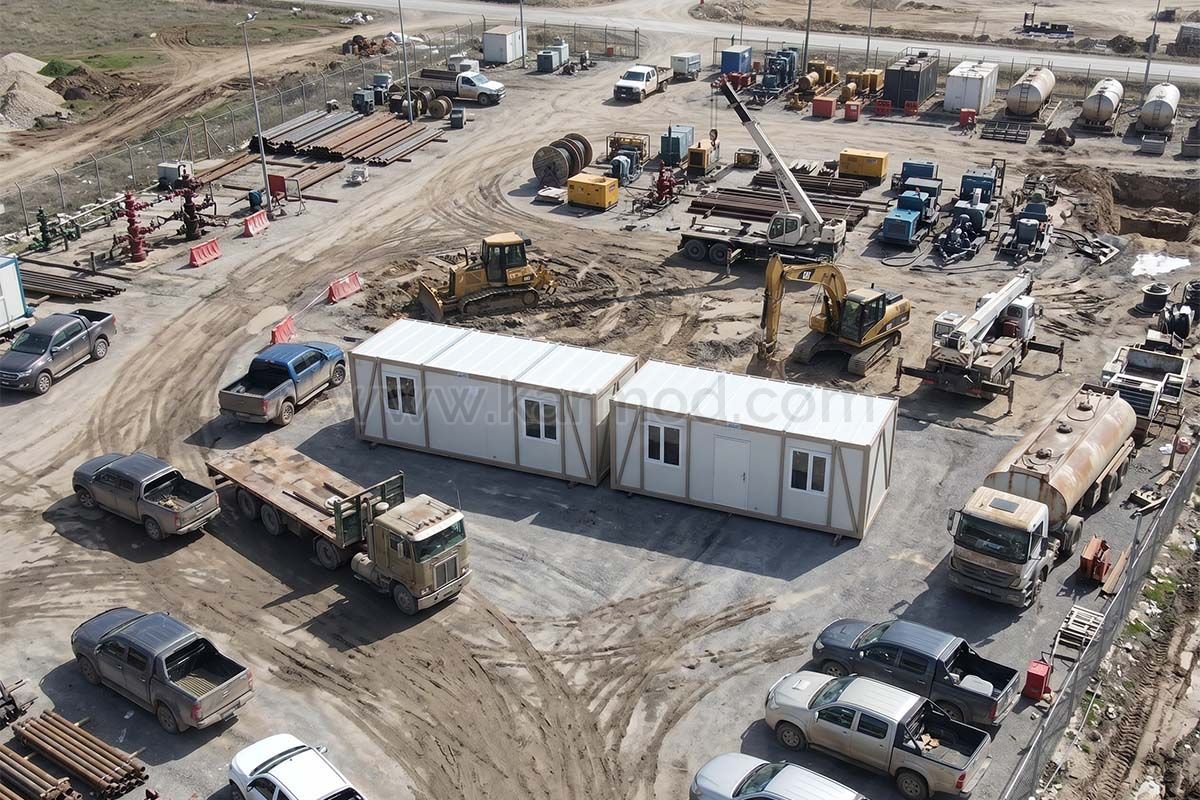
Hydropower project worker accommodation should provide more than a place to sleep. Dam construction crews often work long shifts in physically demanding environments, so rest quality, hygiene, and daily comfort are important.
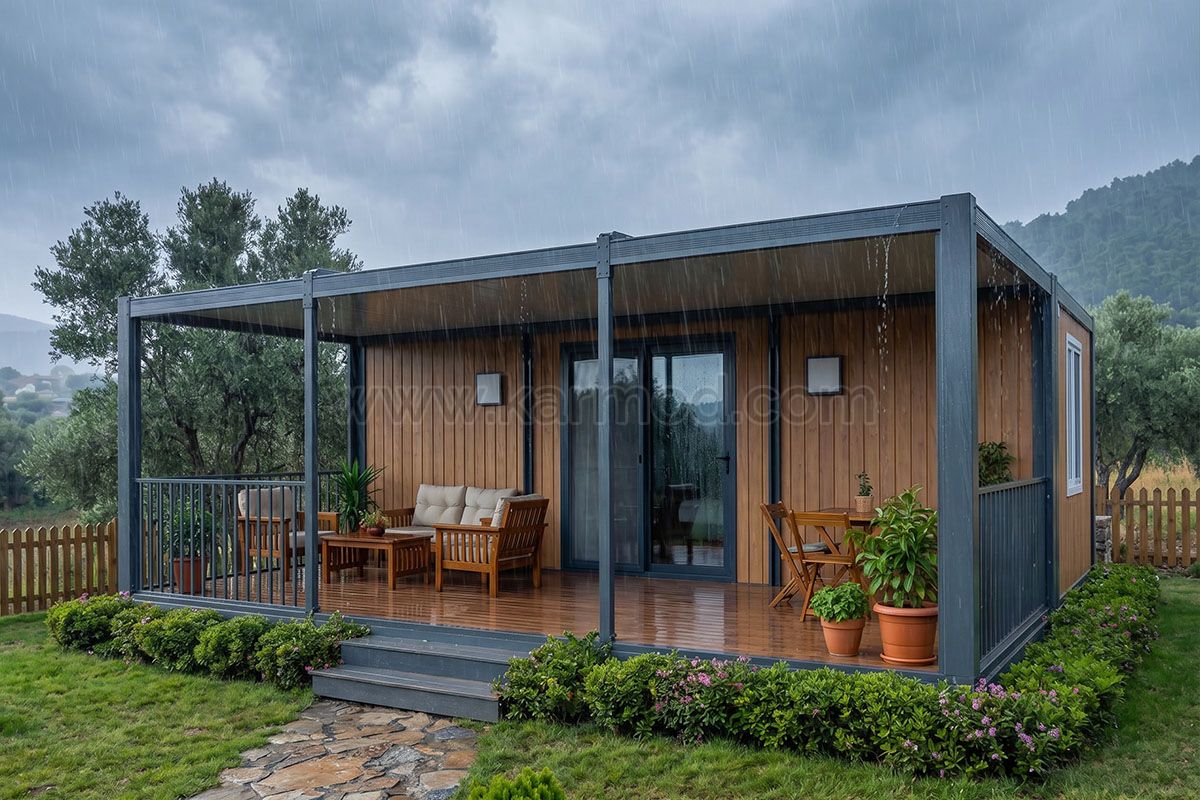
Accommodation containers can be designed as single rooms, shared rooms, dormitory-style units, or supervisor rooms. These units may include beds, lockers, lighting, ventilation, heating, cooling, electrical outlets, and private or shared bathroom options.
In larger camps, accommodation areas are usually supported by dining halls, kitchens, laundry rooms, recreation spaces, changing rooms, and medical units. A well-planned living area helps workers recover after shifts and reduces the need for long daily transportation from distant towns.
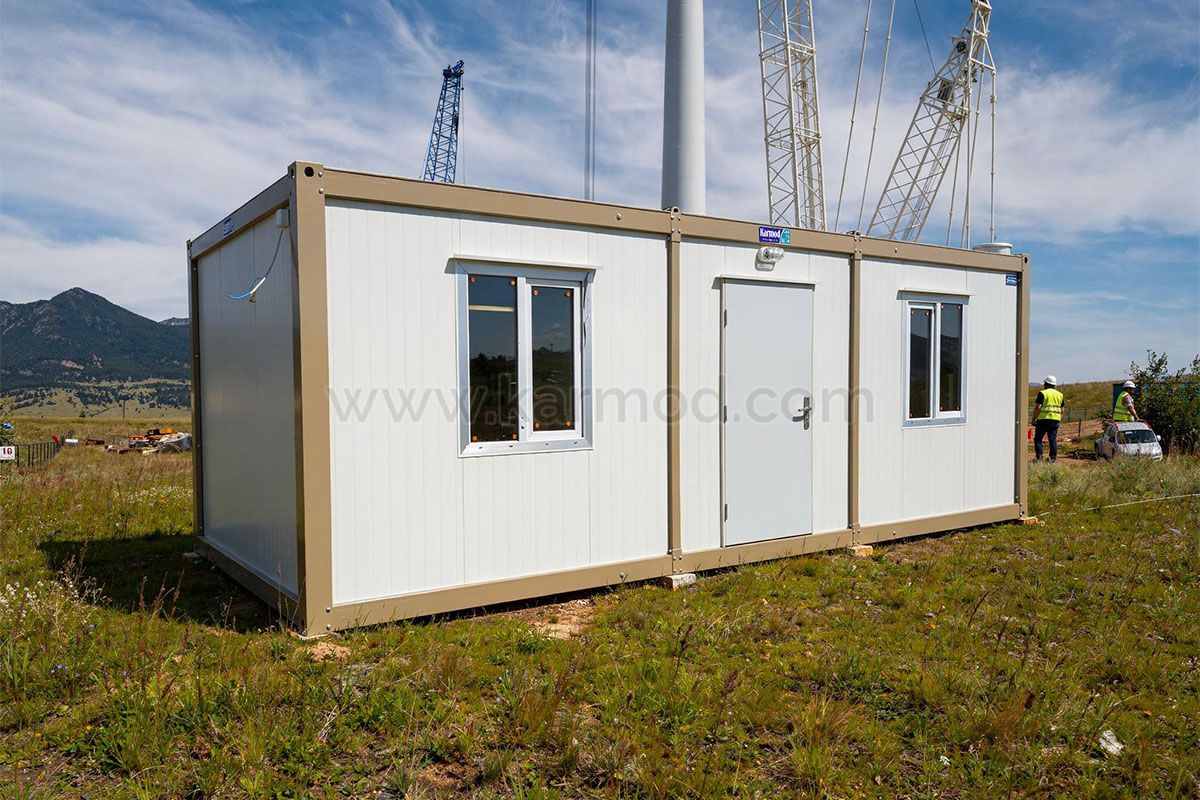
Hydroelectric site housing is only one part of a complete camp system. Dam projects need several support buildings to keep daily operations organized. Office containers can be used for project management, engineering coordination, document control, quality inspection, safety meetings, and contractor administration.
Storage containers are useful for tools, spare parts, protective equipment, electrical components, survey devices, and maintenance materials. Sanitary containers provide toilets, showers, sinks, and changing facilities. Kitchen and dining containers help serve workers close to the project area.
Security cabins, first-aid rooms, training rooms, and technical service units can also be included. When all these facilities are planned together, the camp becomes a reliable operational center for the entire dam site.
A dam labor camp prefab solution is especially useful when the construction area is far from existing infrastructure. Remote dam sites may have limited roads, unstable terrain, changing weather, and difficult access to utilities. Prefabricated container units can be delivered in stages and installed according to site conditions.
These camps can be adapted to the project location. In cold mountain regions, containers can be equipped with thermal insulation, heating systems, double-glazed windows, and reinforced doors. In hot or humid river areas, ventilation, air conditioning, moisture-resistant materials, and anti-corrosion protection may be needed.
Because prefab camp units are manufactured in a controlled production environment, quality and dimensions can be planned before delivery. This helps reduce uncertainty during site mobilization and allows project teams to prepare the layout more efficiently.
A large infrastructure camp energy project requires careful planning from the beginning. The camp should be designed around workforce capacity, construction phases, safety requirements, vehicle circulation, emergency access, utility connections, and environmental conditions.
Accommodation zones should be separated from heavy vehicle routes, material storage areas, fuel zones, and active construction areas. Dining, sanitation, medical, and recreation units should be positioned where workers can access them easily. Office and management units should be close enough to the worksite for coordination but placed in a safe and controlled area.
For dam projects, water and waste management are especially important. Camps may need clean water tanks, wastewater collection systems, septic systems, drainage planning, and controlled waste storage areas. These systems help protect both worker health and the surrounding river environment.
Dam construction sites can expose camp buildings to dust, rain, mud, high humidity, temperature changes, and heavy site traffic. For this reason, container units should be strong, insulated, and easy to maintain.
Durable wall panels, steel structures, non-slip floors, secure doors, weather-resistant roofing, and proper ventilation can improve daily use. Fire safety equipment, emergency exits, lighting, signage, and electrical safety systems should also be included in the camp plan.
Health and safety are central to every hydroelectric project. Clean accommodation, safe food preparation areas, reliable sanitation, medical support, and organized camp movement help reduce risks. A properly designed container camp supports both worker welfare and project continuity.
In order to serve you better, if you could kindly send an e-mail to info@karmod.com for questions and details about your theoretical and special architectural plans, projects, and product specifications, your request will be responded to as soon as possible.

From one end of the world to the other, we enable our customers to reach the ready-made construction sector produced with the new technology of the world. We guarantee reliability through technology and innovation, flexible commercial models and smart supply chain solutions that add value for you, following the project production network.
Discover
Karmod is one of the largest prefabricated construction companies in Turkey, with a production of 45,000 m2. produces high quality prefabs and prefab containers