EN
EN 



Getting low-income housing fast is less about “luck” and more about preparation, reach, and knowing which doors open quickest. In this guide, you’ll find a practical, step-by-step approach you can start today—focused on documents, programs, and shortcuts that move applications from “pending” to “placed.”
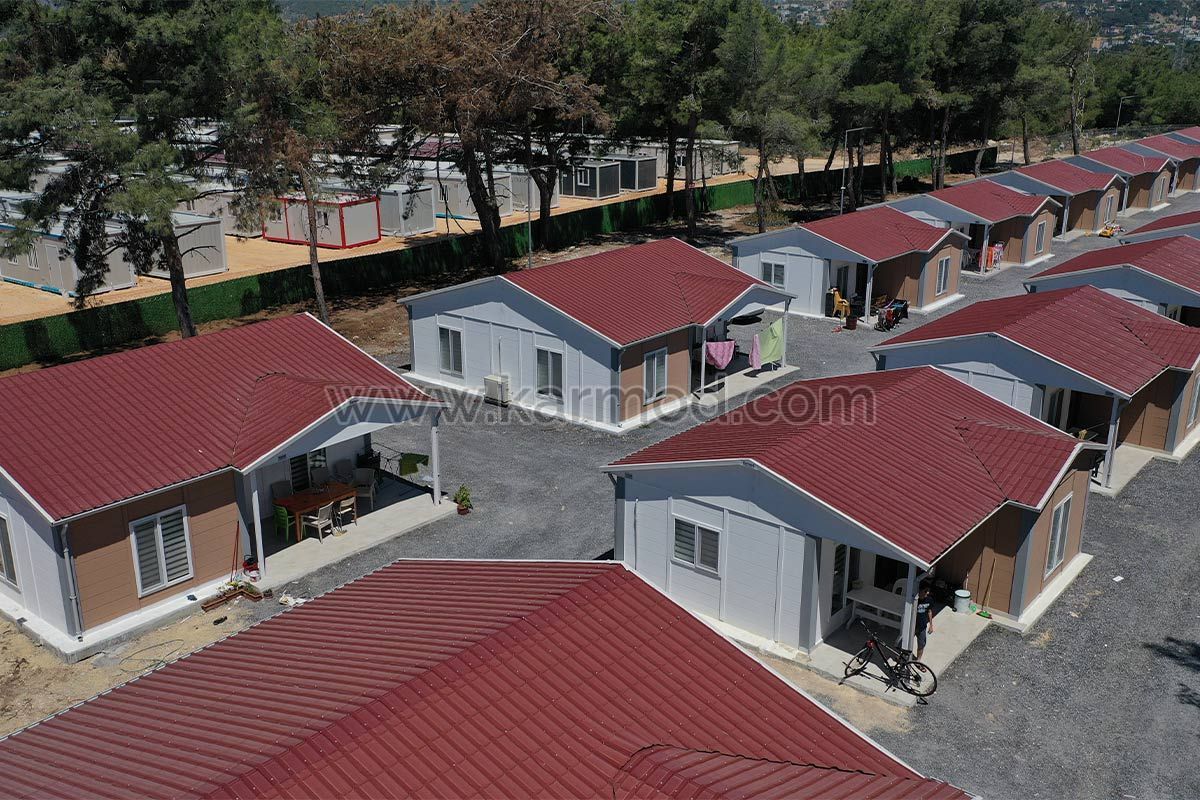
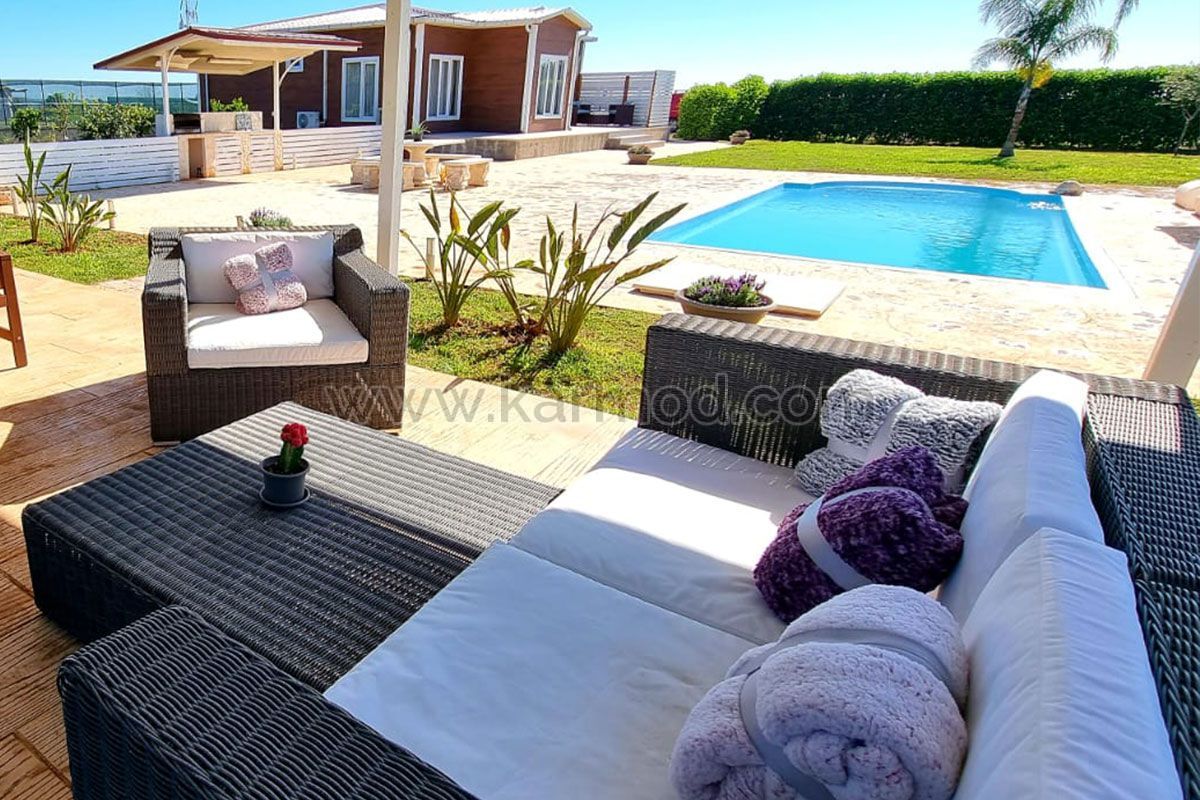
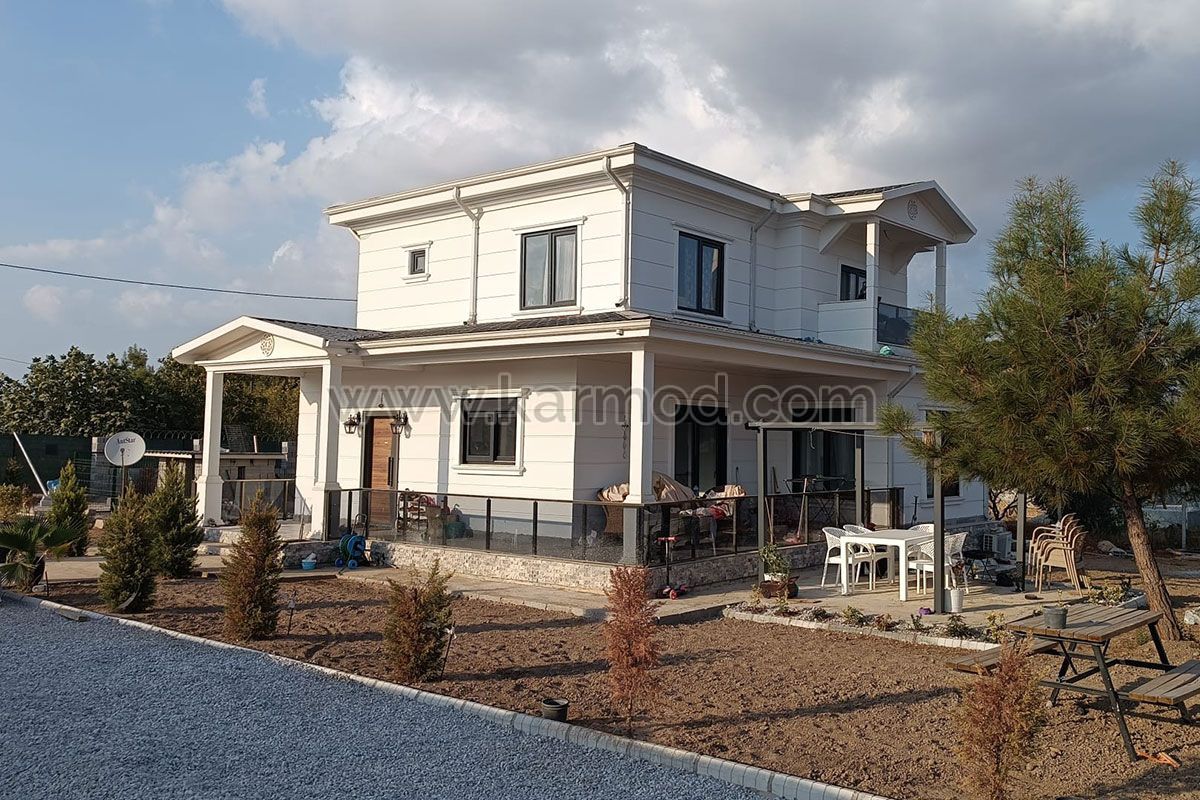

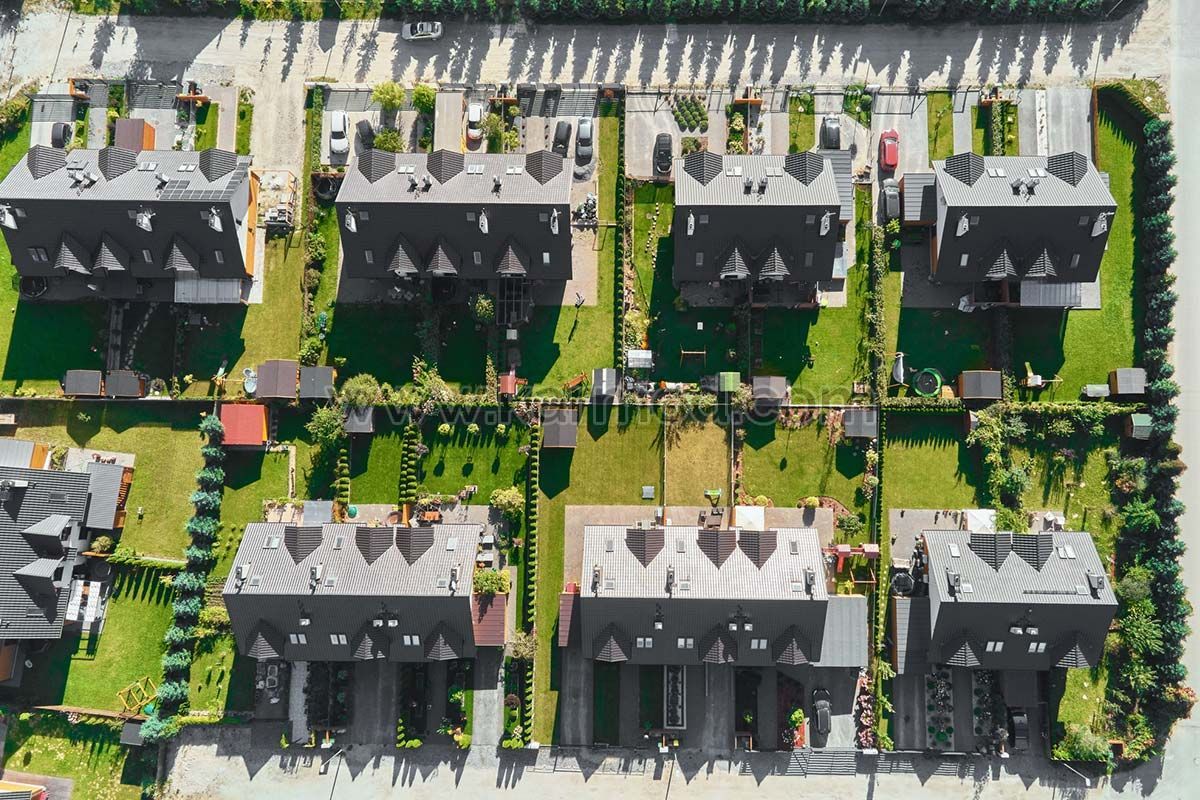
Before you contact any agency or landlord, assemble a simple “readiness pack.” Having this ready speeds up verifications, reduces back-and-forth, and can bump you ahead when units appear suddenly.
Multiple programs can run in parallel; the key is to apply broadly and leverage preference categories.

Many programs prioritize certain situations. If these apply, state them clearly on every application and attach proof.
Speed comes from breadth. Cast a wide net without duplicating effort.
Missing files stall approvals. These items are frequent sticking points—include them from the start.
When safety or shelter is the priority, combine immediate options with longer-term applications.
These small fixes often shave weeks off the timeline.
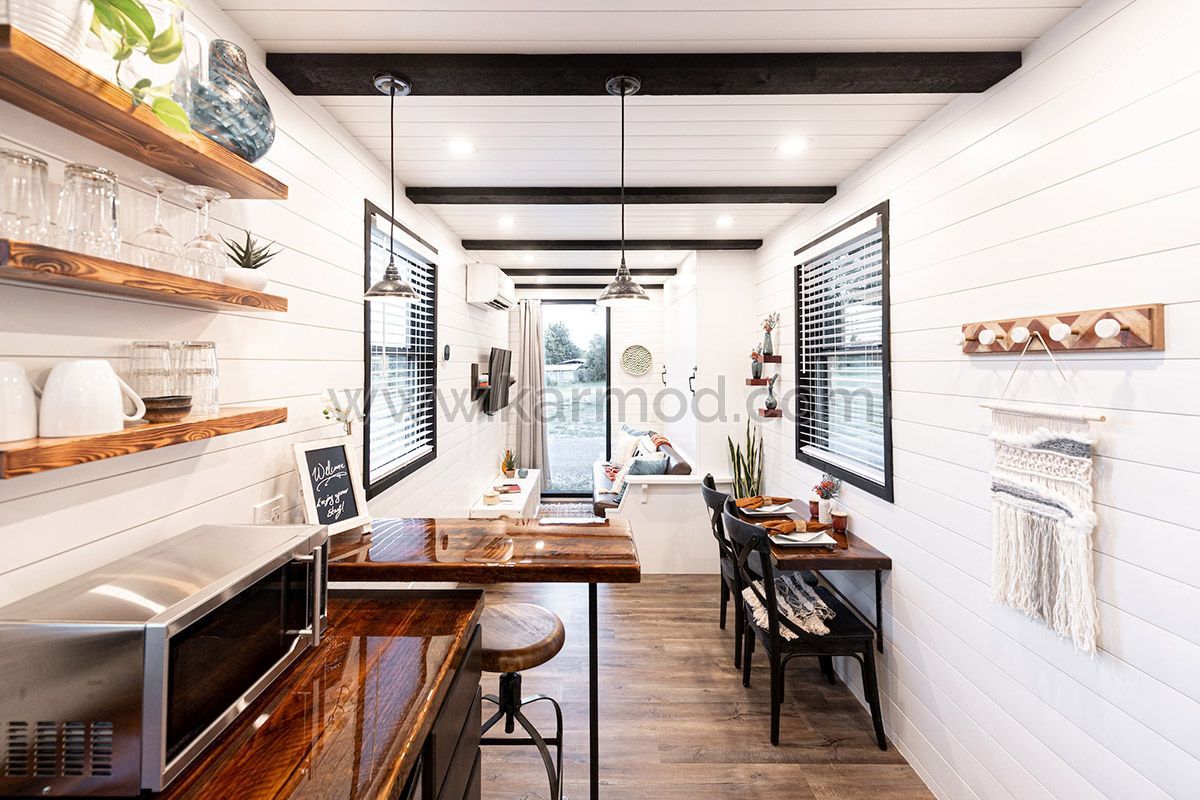
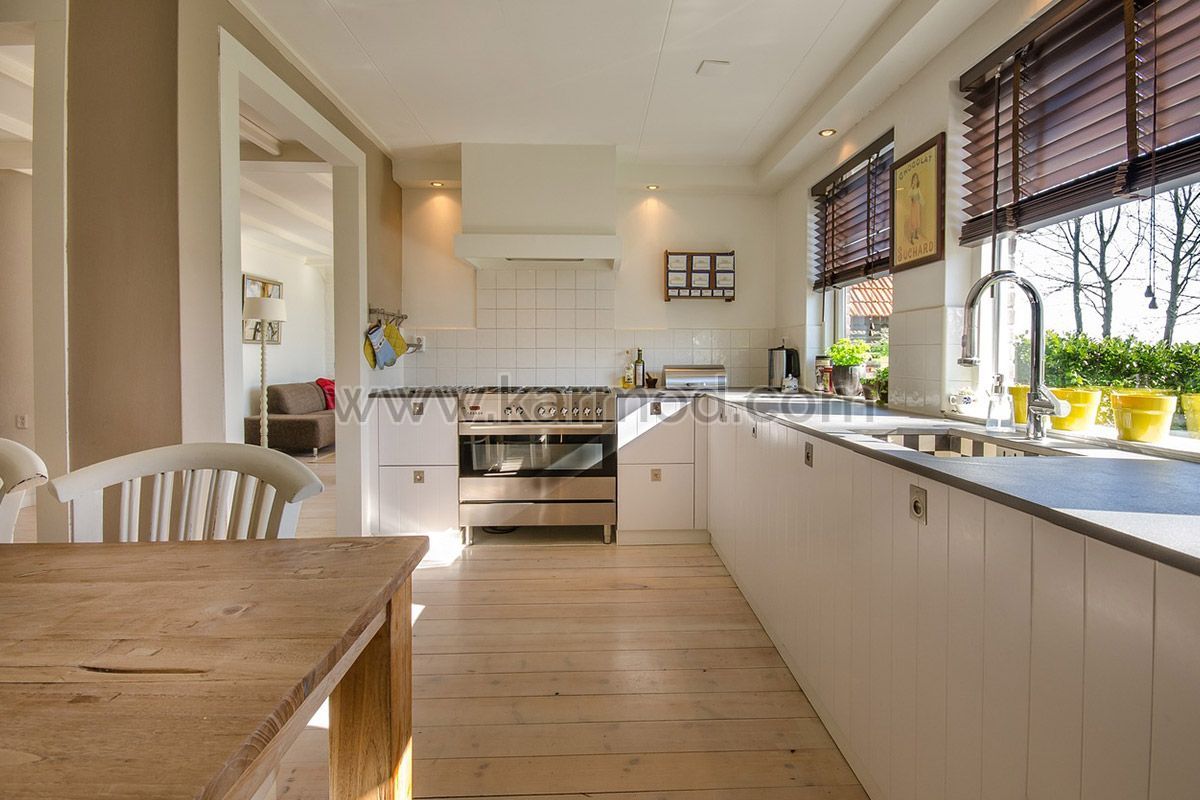
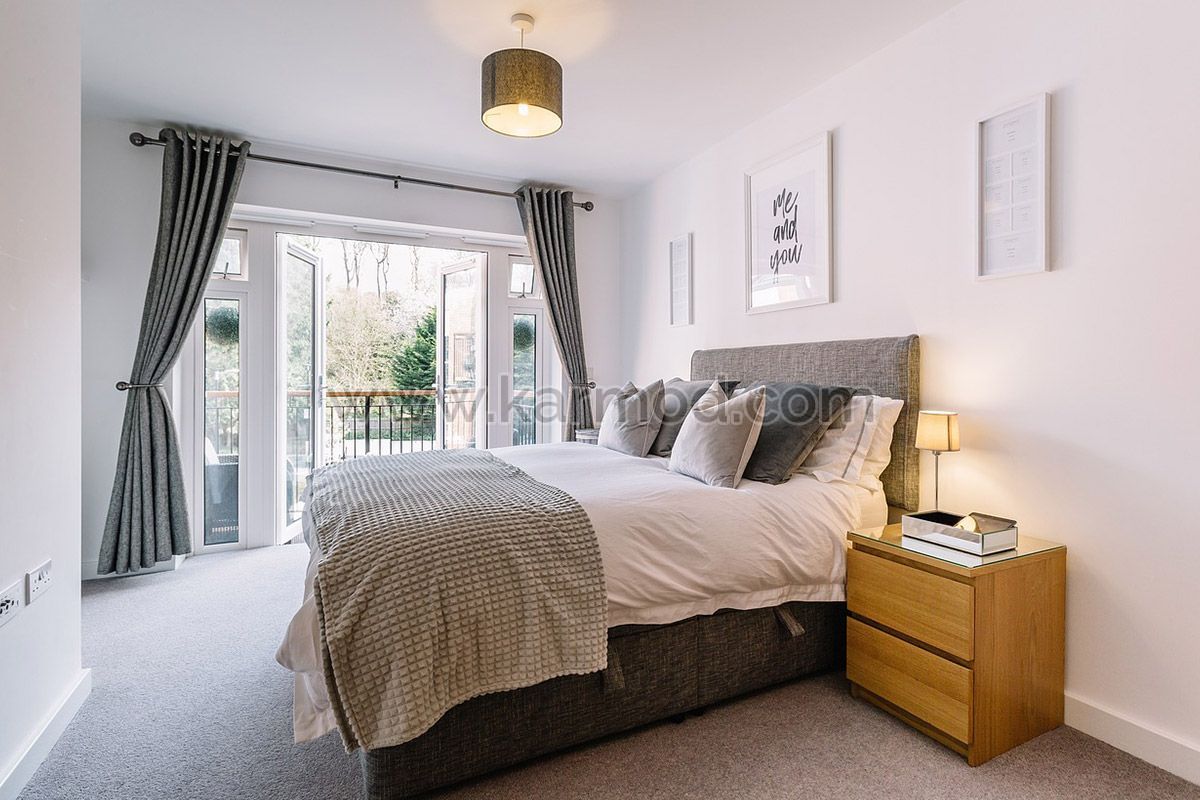

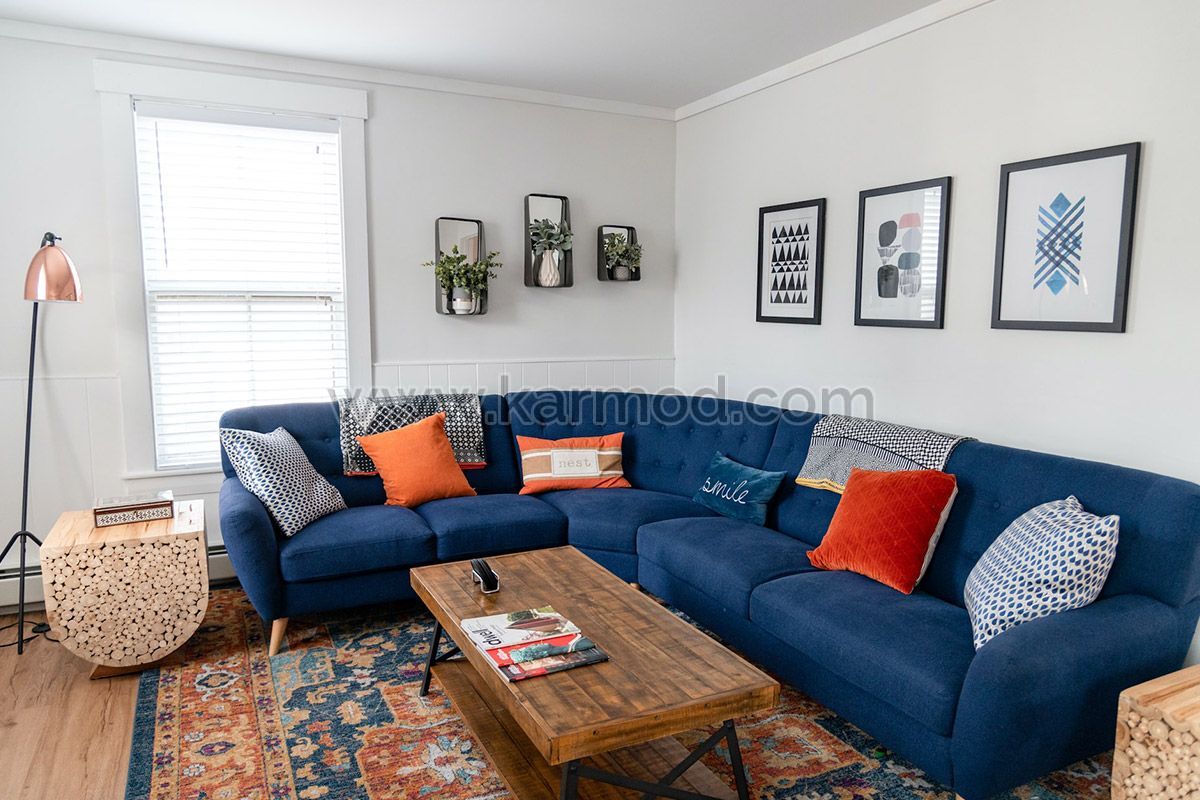

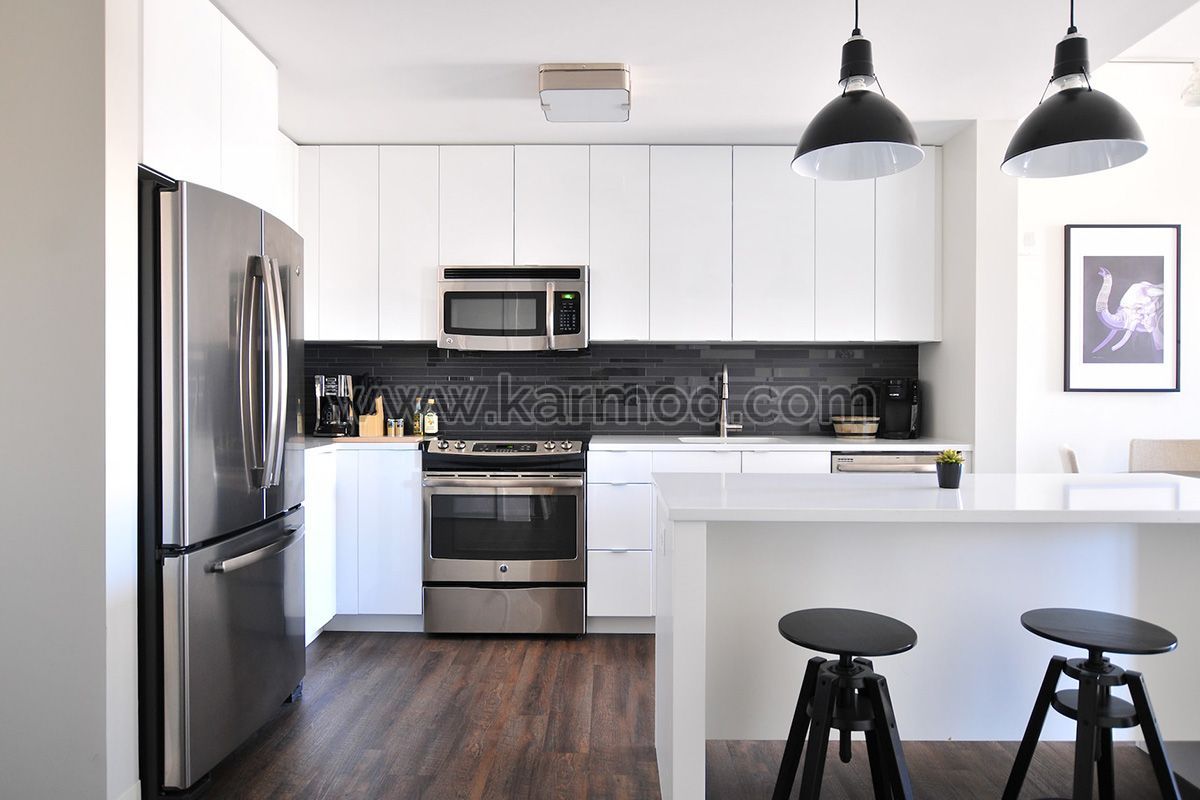
Getting low-income housing fast is about controlling what you can: airtight documents, multiple concurrent applications, and leveraging priority pathways. Start with the 24-hour checklist, apply broadly, follow up weekly, and use emergency options as a bridge while a long-term unit is approved. With a ready-to-go packet and a wide reach, you’ll be first in line when the right door opens.
In order to serve you better, if you could kindly send an e-mail to info@karmod.com for questions and details about your theoretical and special architectural plans, projects, and product specifications, your request will be responded to as soon as possible.

From one end of the world to the other, we enable our customers to reach the ready-made construction sector produced with the new technology of the world. We guarantee reliability through technology and innovation, flexible commercial models and smart supply chain solutions that add value for you, following the project production network.
Discover
Karmod is one of the largest prefabricated construction companies in Turkey, with a production of 45,000 m2. produces high quality prefabs and prefab containers