EN
EN 


If you've ever looked at housing difficulties in developing countries or isolated places, one question constantly comes to mind: how do we build homes that are economical, sustainable, and quick to construct without sacrificing safety or quality?
The answer is increasingly focused on CAD (Computer-Aided Design) and CAM (Computer-Aided Manufacturing) technology. Far from being simply "design software" or "automated machines," CAD/CAM has quietly emerged as a significant generator of low-cost, environmentally friendly housing solutions in areas where they are most needed.
When budgets are tight, every dollar counts. CAD enables engineers and architects to optimize floor designs, avoid material waste, and create structures that are customized to local climates and resources. Instead of trial and error on the ground, the design phase transforms into a precise exercise in which faults are removed before the first wall is cut. What was the result? Reduced waste, fewer redesigns, and more homes provided at a reduced cost.
CAM technology converts digital drawings into precisely made building components. Consider millimeter-accurately constructed panels, trusses, and modular wall systems. This automation reduces worker hours, expedites assembly, and assures constant quality. CAM can help regions with limited skilled labor pools by minimizing the need for specialist on-site construction.
Sustainability is more than just installing solar panels; it also entails using resources more efficiently. CAD/CAM enables builders to reduce offcuts, increase recyclable content, and include energy-efficient technology into the design process. Prefabricated components result in fewer truckloads of material, less on-site waste, and faster installation, lowering the carbon footprint from beginning to end.


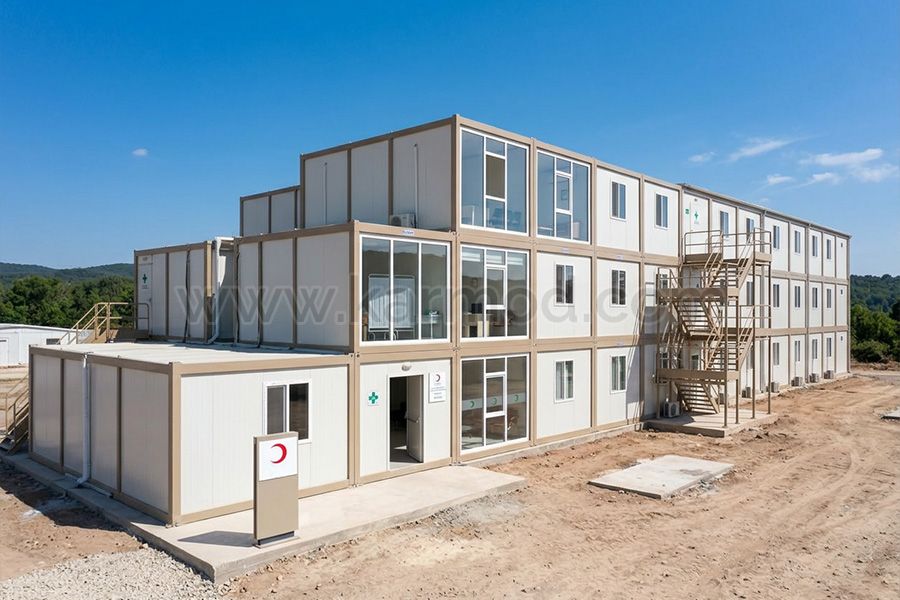
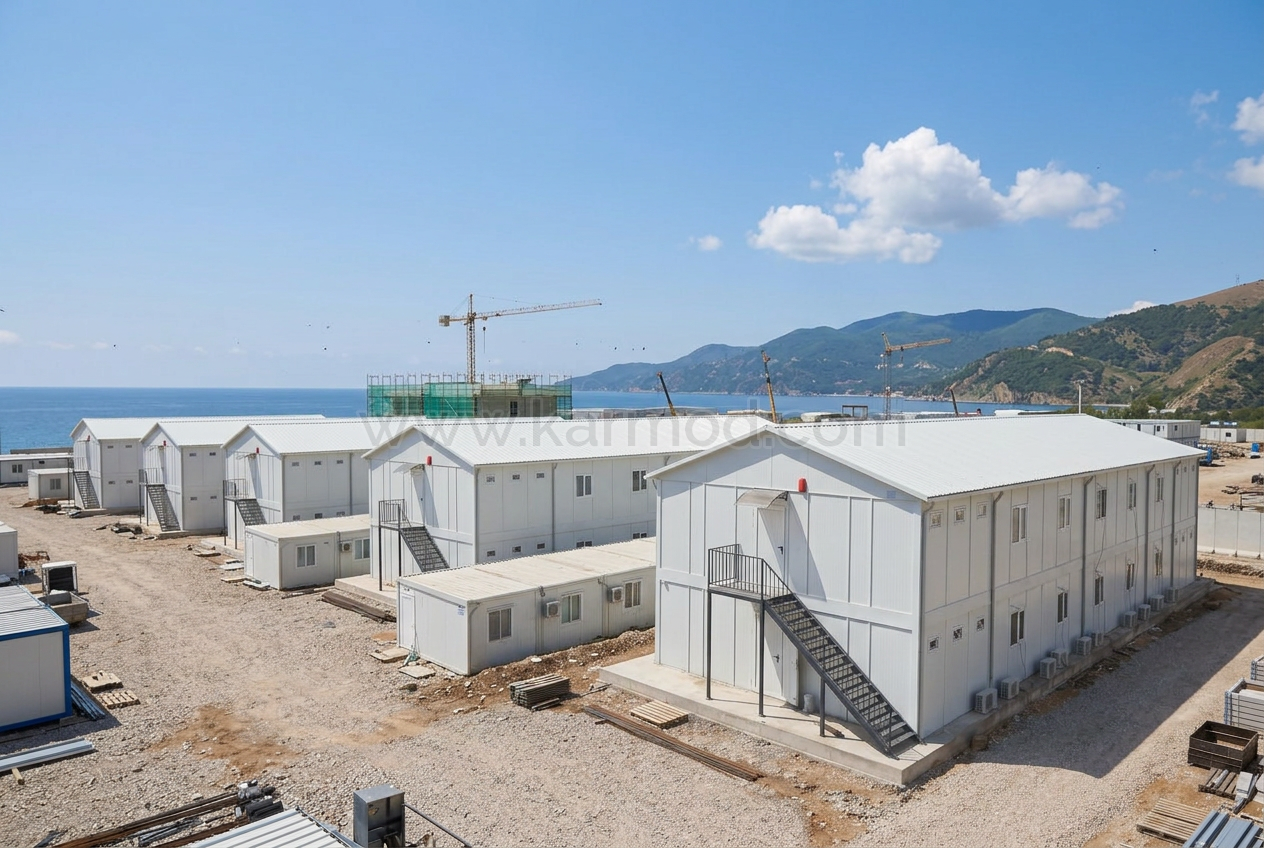
Remote places frequently confront logistical problems, including difficult transportation routes, unstable local supply chains, and hostile conditions. With CAD/CAM, much of the intricacy is handled off-site in controlled environments. Lightweight prefabricated modules can be transported flat-pack, built fast, and customized to local specifications. Whether it's a flood-prone rural village or a desert town, CAD/CAM ensures that housing is durable and adaptive.
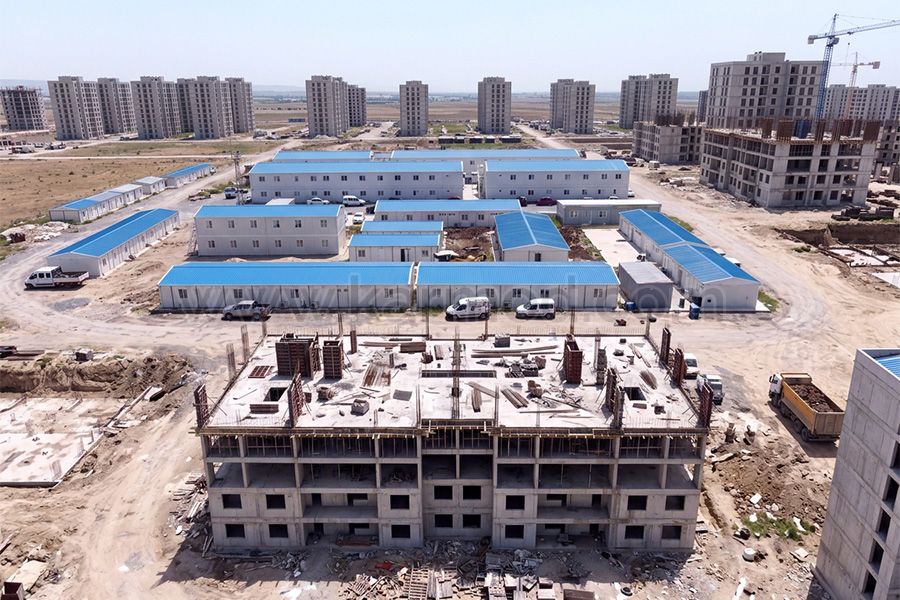
The actual revolution consists of thousands of homes. Because CAD/CAM simplifies design and manufacturing, entire housing projects can be rapidly scaled. Governments, NGOs, and commercial developers gain a repeatable strategy for delivering homes on a large scale while still allowing for local personalization. Affordability, speed, and sustainability no longer compete; instead, they collaborate.


So, to what extent does CAD/CAM transform housing in developing countries? The answer is "profoundly." It is not a panacea—policy, financing, and community engagement remain important—but CAD/CAM has altered the balance of cost, quality, and sustainability. In regions where every dollar and day counts, this technology is more than an upgrade; it's a lifeline.
In order to serve you better, if you could kindly send an e-mail to info@karmod.com for questions and details about your theoretical and special architectural plans, projects, and product specifications, your request will be responded to as soon as possible.

From one end of the world to the other, we enable our customers to reach the ready-made construction sector produced with the new technology of the world. We guarantee reliability through technology and innovation, flexible commercial models and smart supply chain solutions that add value for you, following the project production network.
Discover
Karmod is one of the largest prefabricated construction companies in Turkey, with a production of 45,000 m2. produces high quality prefabs and prefab containers