EN
EN 


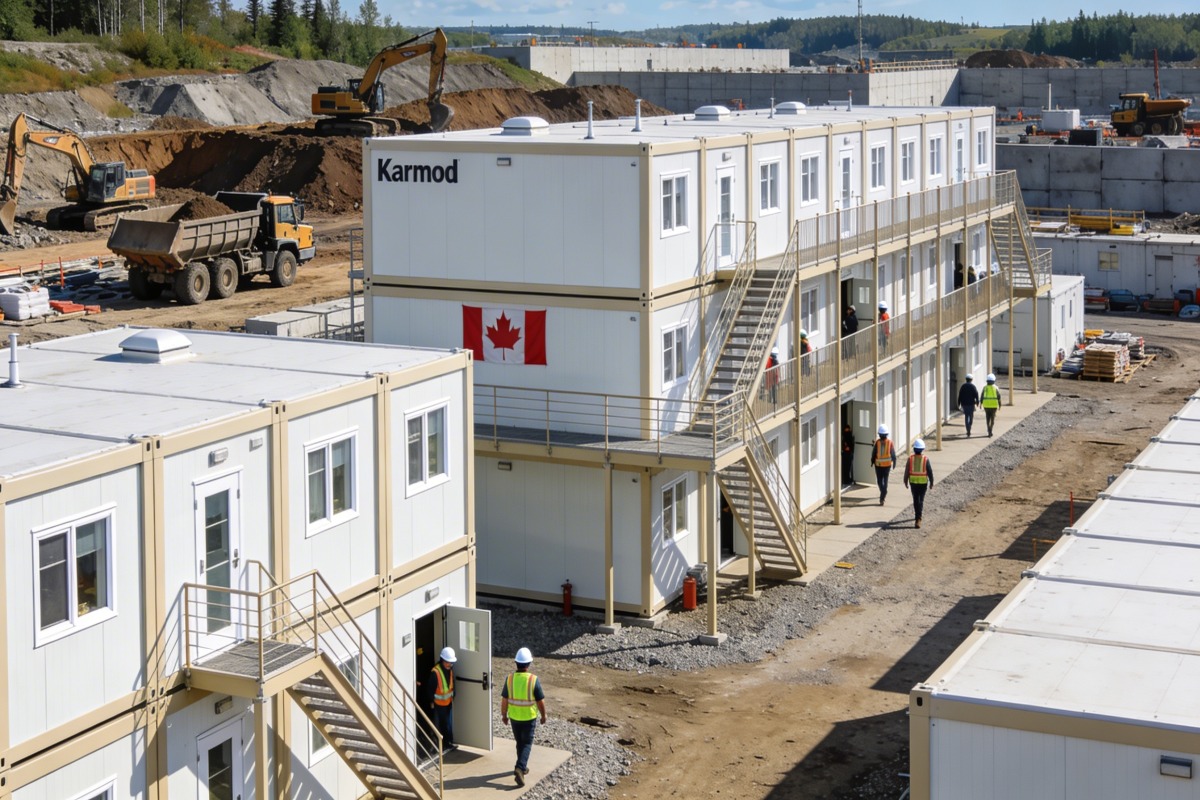
Spanning the Atlantic, Pacific, and Arctic oceans, Canada is defined by vast distances, rugged coastlines, prairie corridors, and major urban hubs concentrated along key transport routes. Its climate ranges from humid coastal zones to dry interior cold, with long winters, heavy snow loads in many regions, and rapid seasonal temperature swings that influence building design, insulation strategy, and site logistics.
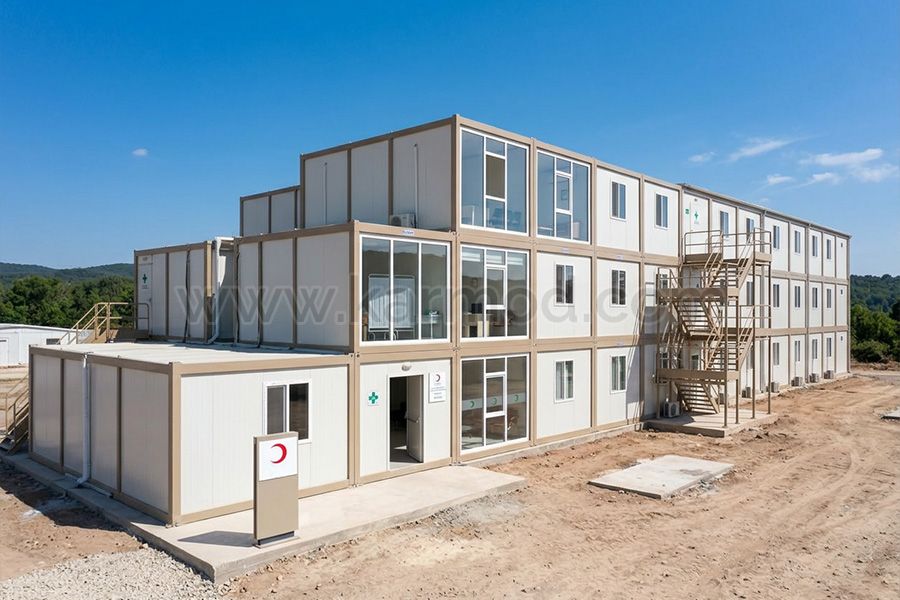
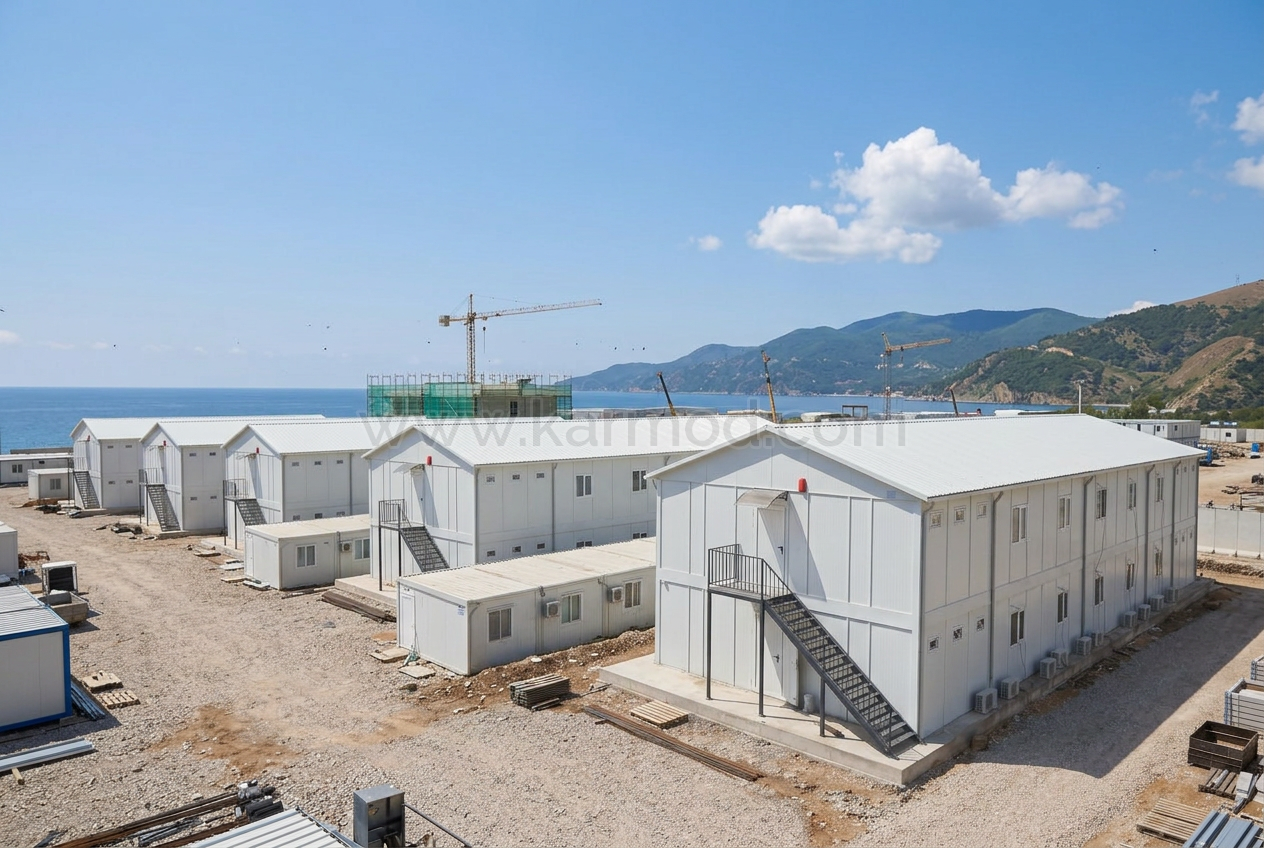
Across energy, mining, forestry, agriculture, logistics, and advanced manufacturing, Canadian projects often require facilities that can be deployed quickly, relocated as operations shift, and engineered for demanding conditions. That is why container-based solutions are increasingly used for container buildings, container homes, and modular construction programs—delivering predictable performance, faster schedules, and scalable footprints across remote and urban locations.


Canada container homes have moved from niche applications to practical, engineered solutions for staff housing, temporary accommodation, and compact residential programs. By using modular container buildings as the structural starting point, teams can standardize room sizes, services, and finishes while still adapting layouts to local planning requirements and site constraints.
Sustainability is one of the strongest drivers. Prefabricated container systems reduce on-site waste, shorten equipment time on the ground, and support more controlled manufacturing conditions—helpful for projects that aim to reduce environmental impact without compromising durability. In many cases, the ability to reuse and repurpose modular components also aligns with long-term asset management strategies.
Affordability is not only about the initial build cost; it is about schedule certainty and lifecycle thinking. For Canada container homes, the value often comes from fewer weather-related delays, predictable procurement, and repeatable detailing. Standardized modules can reduce rework, while factory-driven quality control helps keep performance consistent across multiple locations.
Flexibility and modularity are essential for Canada’s project realities. A site may need a single-unit cabin today and an expanded multi-module configuration next season. Modular container buildings support phased growth: additional units can be installed as headcount rises, budgets change, or land becomes available—without redesigning an entire building from scratch.
Climate suitability is where engineering makes the difference. In cold regions, a robust envelope, thermal breaks, high-performance insulation, airtightness, and moisture control details are critical to prevent condensation and maintain indoor comfort. In coastal areas, corrosion protection and humidity management become priorities. For wind and snow, structural calculations, roof solutions, anchoring, and load paths should reflect local codes and the specific site exposure—ensuring climate-resistant container buildings that remain stable through severe seasonal conditions.


Canada container storage solutions are widely used to solve operational bottlenecks on dispersed sites where space, security, and access are constantly changing. From urban infill projects to remote industrial operations, containerized storage provides a controlled, lockable environment that can be delivered quickly and relocated without dismantling a traditional structure.
In mining, storage needs often include secure parts rooms, tool cribs, consumables, and protected areas for critical spares. A modular approach supports staged growth: a single unit can become a connected cluster as production ramps up, while climate-resistant container buildings help protect contents from extreme cold, snow intrusion, and condensation risks.
For agriculture, container storage is used for equipment, seasonal inventory, packaging materials, and on-site distribution support—especially in regions where weather can disrupt schedules. Prefabricated container systems help keep sensitive items protected, and units can be positioned to support efficient movement between fields, barns, and loading points.
In logistics and freight operations, Canada container storage solutions add flexible capacity near depots, ports, or intermodal facilities. They can function as overflow storage, secure cages, documentation areas, or staging spaces—supporting fast reconfiguration as demand shifts through the year.
On construction sites, containerized storage reduces theft risk and improves site organization. Durable steel construction, reinforced access points, and configurable internal fittings allow teams to set up dedicated zones for tools, PPE, small parts, and maintenance supplies. When the project ends, relocation is straightforward—supporting multi-site contractors who need assets to move with their workload.
Choosing a container solution for Canada involves more than selecting a footprint; it requires confidence in structural integrity, envelope performance, and the consistency of manufacturing. Karmod’s approach is often evaluated on engineering discipline: predictable production standards, thoughtful detailing for moisture control, and specification pathways that support demanding climates and different operational use cases.
For Canada container buildings, material selection and protection systems matter. Climate-resistant container buildings typically require corrosion-resistant treatments, reliable insulation assemblies, and durable interior finishes designed for frequent use. Karmod’s manufacturing focus emphasizes repeatability and controlled fabrication—helpful when buyers need multiple units delivered across regions with consistent performance.
Customization is also an engineering topic. From door placements and internal partitions to HVAC integration and electrical routing, prefabricated container systems must balance standardization with the realities of each site. Karmod’s capability is centered on producing modular solutions that can be configured for housing, storage, offices, and commercial functions while keeping assembly logic simple and maintenance access practical.
Canada container offices provide a practical path to high-function workspaces where speed, relocation, and scalability are central requirements. Whether supporting a remote industrial site, a rail or logistics hub, or an urban construction project, a container office can be deployed with minimal disruption and configured to match operational workflows.
Well-designed container office solutions prioritize comfort and productivity: insulation and air sealing for thermal stability, acoustic measures to reduce noise, and layouts that support meetings, supervision, and administrative functions. When projects evolve, modular container buildings can be expanded by adding units for additional teams, storage, or dedicated technical rooms.
The cost advantage of Canada container offices is frequently tied to reduced downtime and improved schedule certainty. With prefabricated container systems, fit-out work is performed in controlled conditions, and on-site assembly is more predictable—especially valuable where winter weather can compress construction windows and increase labor constraints.


Commercial development in Canada increasingly demands flexible footprints—spaces that can open quickly, adapt to tenant change, and expand without prolonged site disruption. Canada container buildings support this by enabling modular expansion strategies: add units for new services, reconfigure circulation, or extend back-of-house capacity as demand grows.
For commercial uses, modular container buildings can serve as sales offices, customer service points, training rooms, temporary showrooms, or site-based support facilities. Prefabricated container systems also allow standardization across multiple locations, helping brands maintain consistent quality while adapting exterior treatments to local context.
In many cases, climate-resistant container buildings are essential for commercial reliability—particularly where snow loads, freeze-thaw cycles, and wind exposure are factors. Envelope detailing, entry protection, and mechanical system selection should be aligned with region-specific requirements to keep occupant comfort stable and operating costs predictable.
Canada container shop concepts work especially well for pop-up retail, seasonal operations, and fast-deploy storefronts. In high-traffic areas, a container-based unit can be positioned and opened quickly, allowing brands to test locations or respond to events without committing to long construction timelines.
Retail clusters built from modular container buildings can create compact, walkable micro-destinations—useful for markets, waterfronts, and redevelopment zones. Branding flexibility is another advantage: façade treatments, signage, glazing strategies, and interior finishes can be tailored to the customer experience while keeping the structural base standardized.
In Canada’s growing metropolitan regions, housing pressure has increased interest in alternative delivery methods that can shorten build timelines and enable repeatable quality. Container-based apartment concepts—when engineered and code-aligned—can support compact urban housing, student accommodation, and workforce lodging where speed and scalability are important.
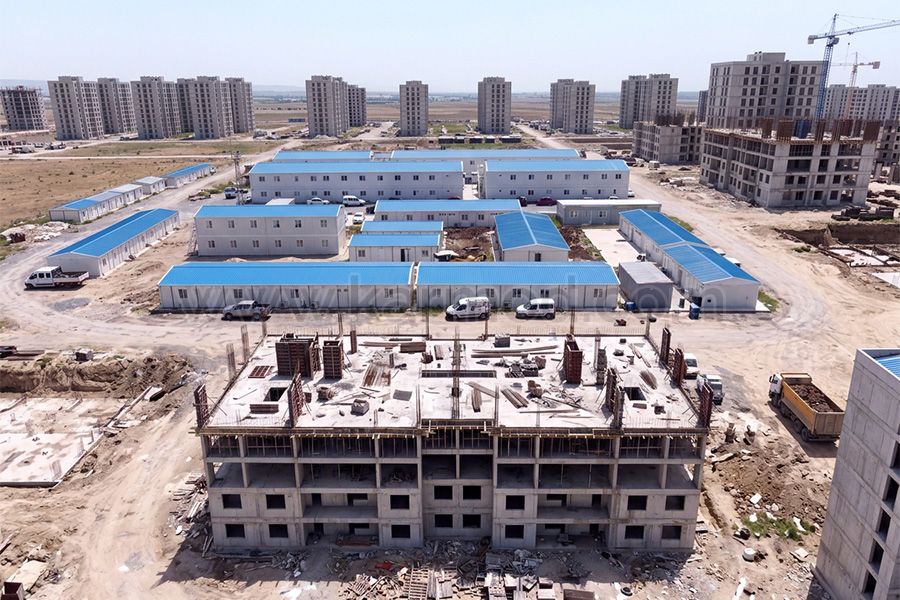
Canada container buildings used for multi-unit living typically focus on efficient service cores, optimized circulation, and modular repetition to reduce complexity. Community layouts can be planned around courtyards, shared amenity zones, and phased additions—allowing developments to expand as land parcels are assembled or financing stages progress.
For urban applications, attention to acoustic performance, fire strategy, and long-term maintenance planning is essential. Climate-resistant container buildings also support comfort in dense environments, helping manage winter heating loads and summer cooling needs through better envelope performance and ventilation design.
Beyond housing and business, Canada container buildings are increasingly used as practical infrastructure assets. Their modular nature makes them suitable for projects where rapid delivery, relocation, and consistent quality can improve service access—especially in remote or rapidly changing contexts.
Schools and training facilities can use modular container buildings as temporary classrooms, skills labs, or administration blocks while permanent buildings are developed. Clinics and health posts can be configured with cleanable interiors, controlled entry points, and dedicated zones for consultation and basic procedures—supporting community care with fast deployment.
Community centers, emergency response facilities, and public service points can benefit from prefabricated container systems that reduce on-site disruption and deliver predictable fit-out quality. In infrastructure projects, containerized units can support site supervision, testing labs, secure document rooms, and worker welfare facilities—integrated into a broader modular construction strategy.
Across these applications, the most successful outcomes come from aligning the design with the operational need: right-sizing spaces, planning for utilities, and selecting details that support climate suitability. With careful engineering, Canada container homes, Canada container offices, and Canada container storage solutions become durable assets—practical, scalable, and compatible with the realities of Canadian sites and seasons.
In order to serve you better, if you could kindly send an e-mail to info@karmod.com for questions and details about your theoretical and special architectural plans, projects, and product specifications, your request will be responded to as soon as possible.

From one end of the world to the other, we enable our customers to reach the ready-made construction sector produced with the new technology of the world. We guarantee reliability through technology and innovation, flexible commercial models and smart supply chain solutions that add value for you, following the project production network.
Discover
Karmod is one of the largest prefabricated construction companies in Turkey, with a production of 45,000 m2. produces high quality prefabs and prefab containers