EN
EN 


The need for affordable and sustainable housing in Zambia directly affects social stability, public health, and long-term economic resilience, particularly for low income households. Housing challenges in both urban and rural areas call for delivery models that are efficient, adaptable, and financially responsible. Within this context, Karmod’s modular and prefab homes present practical housing solutions that align with Zambia’s geographic diversity and climatic conditions while supporting housing affordability goals.
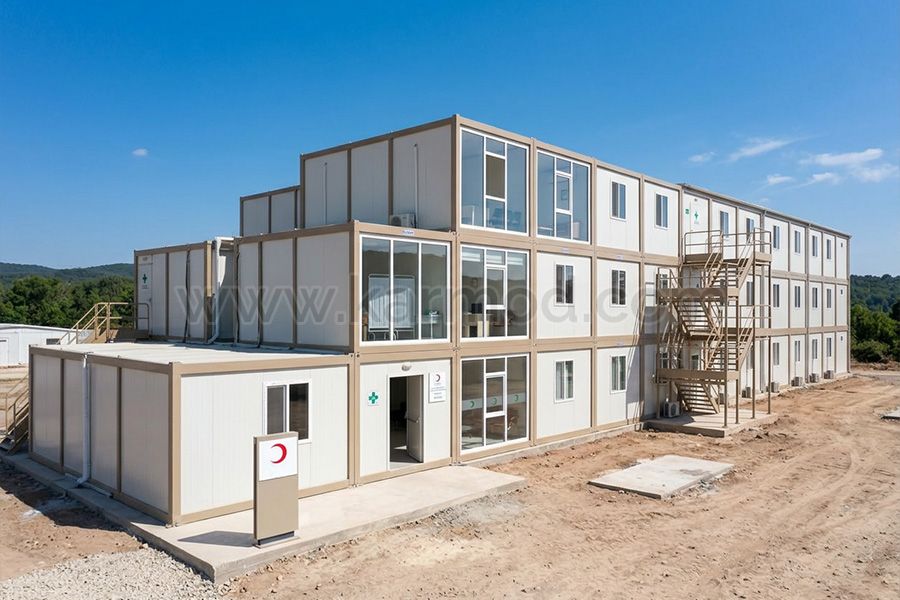
Modular homes are produced in factory-controlled sections and later assembled on site, allowing housing units to be delivered within compressed timeframes. This approach is especially relevant where housing shortages require swift intervention. Factory-based production also ensures consistent quality control, resulting in homes that meet durability expectations while supporting energy efficiency and lower long-term operating costs.
Prefab homes follow a similar production logic, with components manufactured off-site before final installation. This method significantly reduces labor dependency and material waste, lowering overall construction costs. Design flexibility remains a key advantage, enabling prefab housing to respond to household size, cultural living patterns, and site-specific conditions. As a result, residents benefit from housing that supports dignity, functionality, and community integration.
Karmod’s engagement in Zambia’s housing sector reflects an emphasis on scalable, socially oriented construction. By focusing on modular and prefab housing systems, the company contributes to the development of low income housing that prioritizes accessibility, durability, and efficient delivery. These housing models support resilient communities by offering stable living conditions rather than short-term fixes.


Zambia’s approach to modular social housing highlights the role of structured construction systems in addressing housing shortages responsibly. Modular housing construction enables public authorities and housing providers to deliver low cost housing solutions that are consistent in quality and predictable in cost. This approach supports the creation of residential environments that respond to immediate demand while remaining viable over the long term.
Key features of modular social housing initiatives in Zambia include:
Zambia’s use of modular construction for social housing demonstrates how modern building methods can support public housing objectives while remaining adaptable to local conditions.
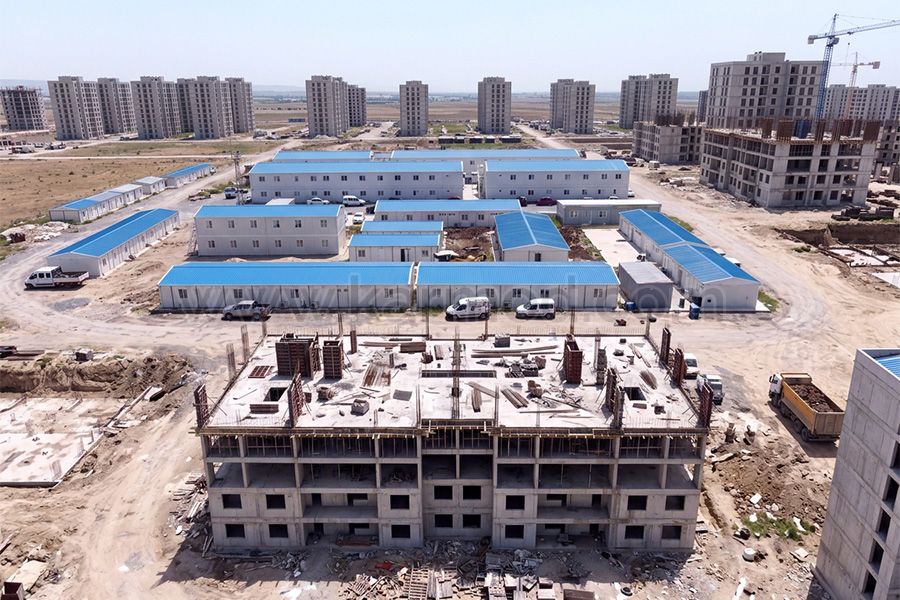
Prefab low income housing projects in Zambia offer a structured response to affordability constraints across the housing sector. These initiatives focus on low cost housing construction methods that reduce financial pressure on both housing providers and residents. Prefabricated housing units are produced off-site and assembled locally, enabling efficient project scaling and consistent quality outcomes.
Core aspects of prefab low income housing projects in Zambia include:
By prioritizing low cost housing plans and prefab construction systems, Zambia is strengthening its capacity to deliver affordable housing while supporting long-term development objectives.


Affordable modular housing construction is becoming an increasingly relevant strategy in Zambia’s response to housing affordability challenges. This construction model supports low cost housing Zambia initiatives by combining standardized production with site-based assembly. The result is housing that remains accessible while meeting essential performance and comfort requirements.
Key aspects of modular housing construction in Zambia include:
These construction strategies enhance housing accessibility while introducing efficiency and sustainability into Zambia’s broader housing framework.


Zambia’s housing strategy increasingly relies on solutions that can function as both temporary and permanent accommodation. Low cost social housing projects supported by modular construction allow housing units to transition according to need, supporting emergency response, transitional housing, and long-term settlement development.
Essential elements of this approach include:
By combining affordability with adaptability, Zambia is advancing housing solutions that respond to both immediate needs and long-term community development.
Karmod supports Zambia’s affordable housing objectives through the delivery of mobile affordable housing systems designed for efficiency and scalability. As a manufacturer focused on modular construction, Karmod contributes housing solutions that align with low income social housing priorities while maintaining consistent quality standards.
Key features of Karmod’s approach in Zambia include:
Karmod’s role demonstrates how mobile modular housing construction can support inclusive housing delivery in Zambia.
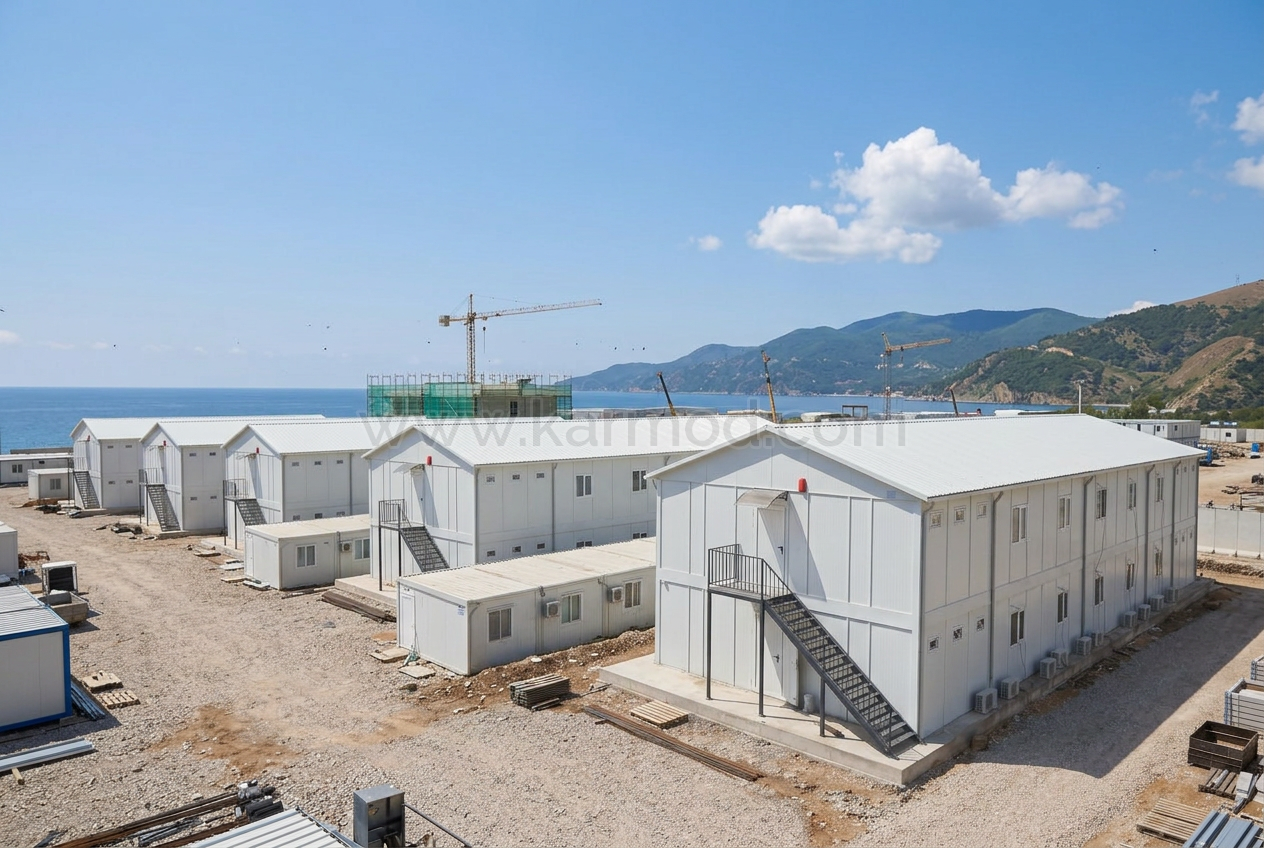
Modular housing construction offers a practical response to temporary housing needs in Zambia, where speed, cost control, and adaptability are essential. This approach is particularly relevant in emergency situations or areas experiencing rapid population shifts.
Advantages of modular housing for temporary accommodation include:
Through modular construction, Zambia can address temporary housing requirements efficiently while maintaining standards of safety, affordability, and dignity for residents.
In order to serve you better, if you could kindly send an e-mail to info@karmod.com for questions and details about your theoretical and special architectural plans, projects, and product specifications, your request will be responded to as soon as possible.

From one end of the world to the other, we enable our customers to reach the ready-made construction sector produced with the new technology of the world. We guarantee reliability through technology and innovation, flexible commercial models and smart supply chain solutions that add value for you, following the project production network.
Discover
Karmod is one of the largest prefabricated construction companies in Turkey, with a production of 45,000 m2. produces high quality prefabs and prefab containers