EN
EN 


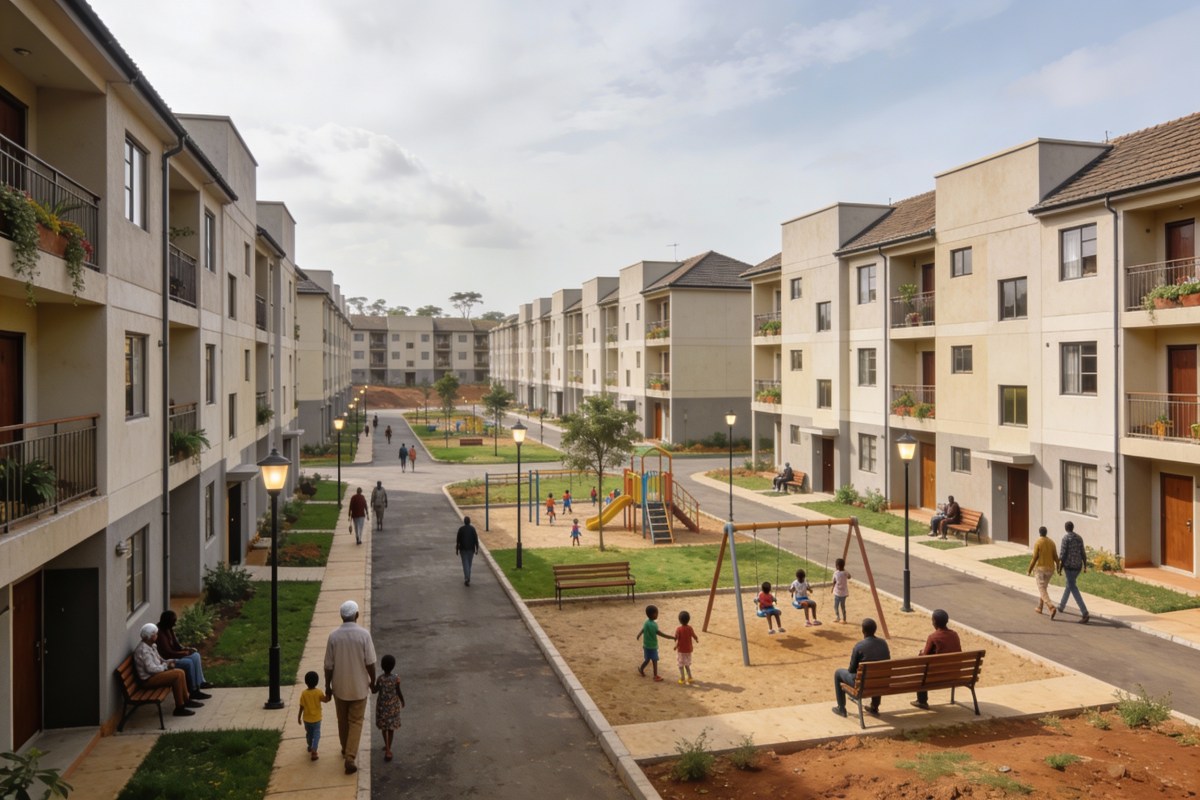
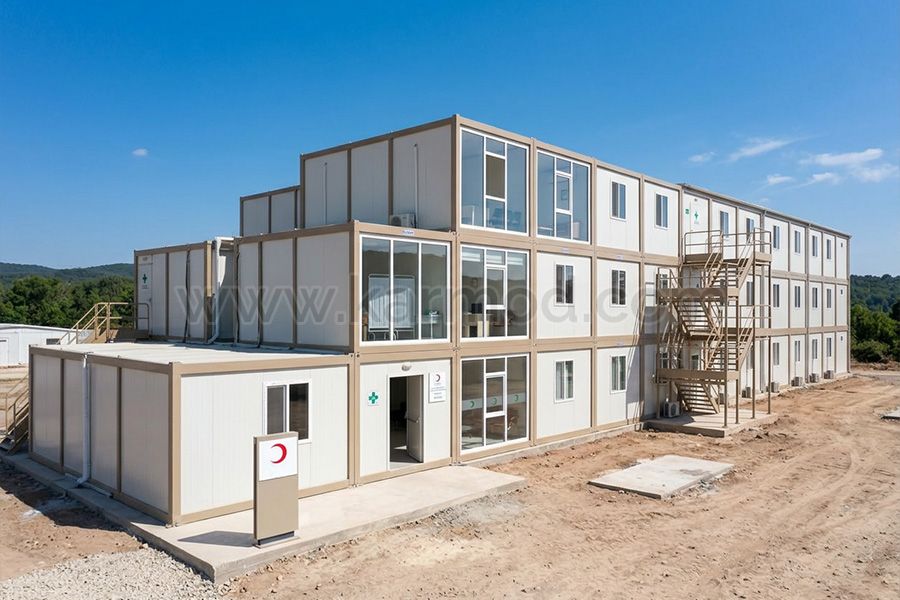
Uganda’s ambition to expand affordable social housing is closely linked to rapid urban growth, shifting household needs, and the practical challenge of delivering homes that remain affordable to live in, not only affordable to build. For low income families, housing security depends on safe structures, reliable services, and predictable running costs. Within this context, companies such as Karmod are positioned as contributors to housing delivery models that use modular and prefabricated houses to support faster project completion while maintaining consistent quality standards.
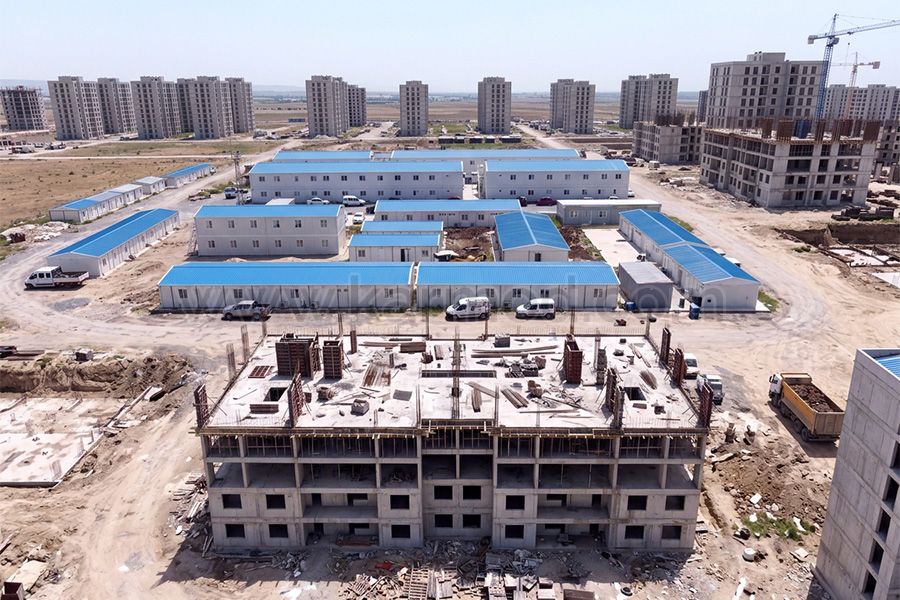
The value of modular homes is their ability to shorten the path from planning to occupancy. Built as pre-engineered sections and assembled on site, modular systems can reduce on-site labor time and help projects progress even when local construction capacity is stretched. This matters in Uganda’s growing urban areas, where demand for low cost housing can outpace conventional delivery methods. Modular housing also supports phased development, allowing housing providers to expand supply in stages as infrastructure and land availability permit.
Prefab homes are also shaping Uganda’s low cost housing options by moving production into controlled factory settings. Off-site manufacturing supports consistent construction quality, reduces material waste, and can improve cost predictability for public housing projects and NGO-led initiatives. These efficiencies can translate into more accessible housing for low income households, while design choices that prioritize ventilation, durability, and ease of maintenance can help protect long-term sustainability in everyday use.


Karmod’s role in affordable social housing in Uganda is framed around reducing delivery time, improving cost control, and providing durable homes that can support community stability. By applying modular and prefabricated construction methods, the emphasis is placed on housing that is practical to manage and comfortable to live in, supporting both immediate needs and longer-term community development. This combination of speed, affordability, and resilience can help expand access to dignified housing for households under the greatest pressure.
Uganda’s housing response increasingly depends on solutions that can scale quickly while protecting long-term livability. Modular social housing contributes to this goal by enabling faster delivery of low cost housing construction and improving project predictability for public authorities and housing partners. As urbanization accelerates, modular housing construction offers a structured way to expand supply without compromising the baseline requirements of safety, comfort, and durability.
The adoption of modular housing in Uganda supports a more efficient build process by manufacturing units off site and assembling them at the project location. This reduces site disruption, shortens timelines, and can improve cost control, which is critical for affordable housing for low income. Modular approaches also make it easier to standardize essential building performance, helping housing providers manage quality across multiple sites and phases.


Key benefits of Uganda's modular housing projects include:
Prefab low income housing in Uganda reflects a practical approach to expanding affordable housing supply under constrained timelines and budgets. By using off-site production, housing providers can implement low cost housing plans that are easier to deliver at scale while maintaining consistent build quality. This model can support public housing projects, NGO housing programs, and community-led developments that require predictable delivery and cost control.
Uganda's prefab housing projects stand out for their:
By focusing on modular and prefab housing, Uganda can strengthen its capacity to deliver low cost, high-quality housing that supports community stability. These construction models help connect urgent housing needs with long-term planning goals, improving the prospects for affordable, safe, and sustainable living conditions.
Modular housing construction is emerging as a practical pathway for creating low cost housing Uganda while improving delivery speed and project predictability. By assembling prefabricated units on site, housing providers can shorten construction timelines and control costs more effectively than many conventional approaches. This supports Uganda’s goal of expanding affordable housing for low income while maintaining safe and durable standards.


The advantages of adopting modular housing construction in Uganda include:
Uganda’s housing needs often require both immediate accommodation and long-term residential stability. Modular housing construction can support this dual requirement by enabling projects designed for temporary use, permanent residency, or phased transitions between the two. By leveraging mobile affordable housing, housing providers can respond to urgent pressures while keeping pathways open for more durable housing outcomes.
Key aspects of this dual approach include:
By expanding modular and mobile affordable housing options, Uganda can develop flexible housing strategies that respond to immediate needs while supporting long-term sustainability. This approach helps align rapid delivery with durable community outcomes, improving access to dignified housing for low income households.
Uganda is seeing growing interest in mobile affordable housing as communities seek solutions that can be deployed quickly and adapted over time. Karmod’s role in this segment is linked to modular housing construction methods that support faster delivery while maintaining consistent quality. For affordable housing for low income and low income social housing projects, this approach can improve predictability in timelines and costs, which is essential for public and institutional stakeholders.
Karmod’s low cost housing construction approach emphasizes tailored low cost housing plans that respond to different community contexts. Mobile affordable housing can be particularly relevant where relocation, phased development, or rapid installation is needed, and where housing providers must plan for changing priorities. This flexibility supports more resilient housing delivery while keeping affordability central.
The key advantages of Karmod’s mobile affordable housing include:
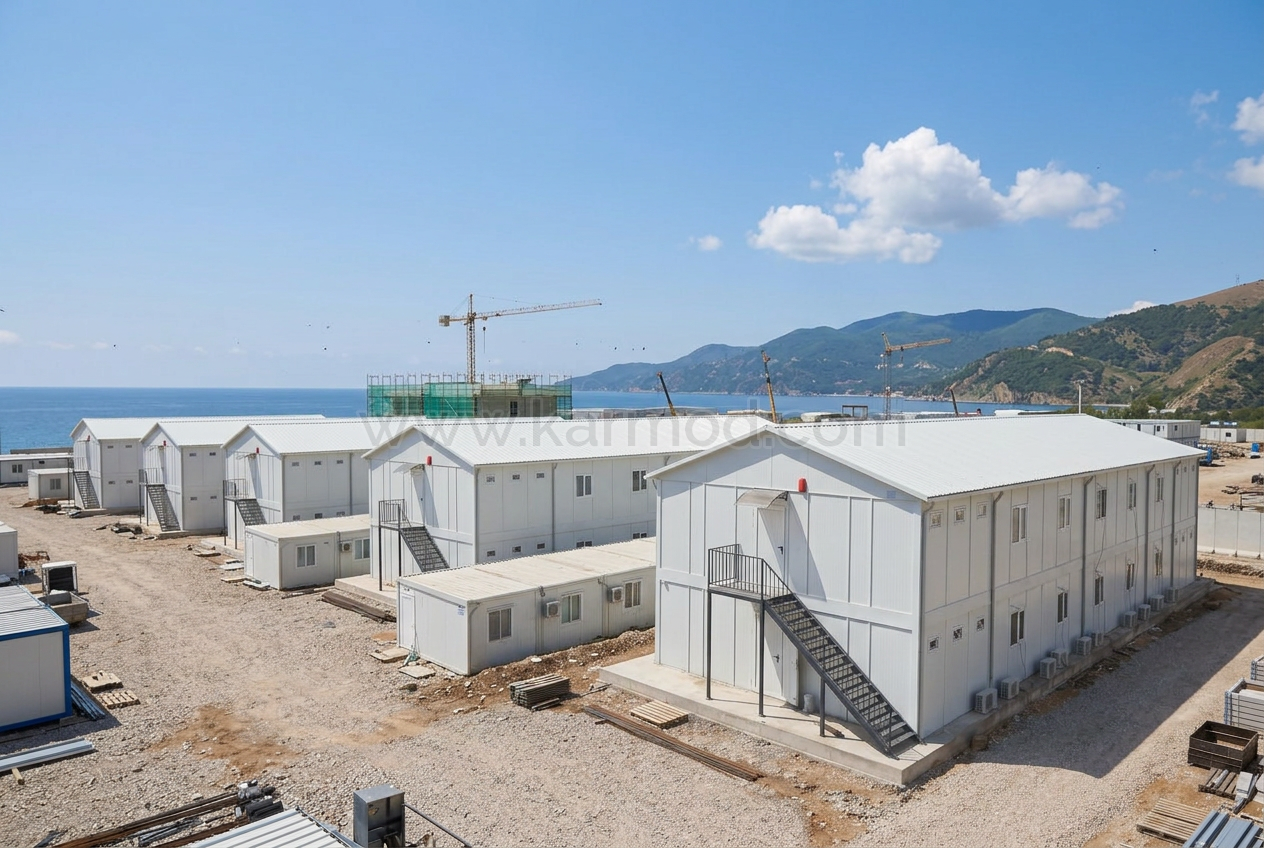
For temporary housing needs in Uganda, modular housing construction offers a practical method for delivering low cost, quickly deployable accommodation while maintaining basic standards of safety and dignity. This is especially relevant for households affected by displacement, seasonal movement, or transitional living circumstances where speed and affordability are critical.
The modular construction technique is particularly suited to Uganda's needs for several reasons:
Karmod’s mobile and modular housing solutions illustrate how industrialized construction can strengthen temporary housing capacity in Uganda. By combining quick assembly with cost control and durable standards, modular delivery can help meet urgent needs while supporting pathways toward longer-term housing stability.
In order to serve you better, if you could kindly send an e-mail to info@karmod.com for questions and details about your theoretical and special architectural plans, projects, and product specifications, your request will be responded to as soon as possible.

From one end of the world to the other, we enable our customers to reach the ready-made construction sector produced with the new technology of the world. We guarantee reliability through technology and innovation, flexible commercial models and smart supply chain solutions that add value for you, following the project production network.
Discover
Karmod is one of the largest prefabricated construction companies in Turkey, with a production of 45,000 m2. produces high quality prefabs and prefab containers