EN
EN 


In Slovakia, access to affordable social housing represents a growing structural challenge as household incomes struggle to keep pace with housing costs. Public authorities and local communities are therefore seeking delivery models that can expand low-income housing supply without placing long-term strain on public budgets. In this context, Karmod contributes with cost-conscious construction approaches designed to support scalable, efficient, and socially oriented housing development. By applying modular and prefab building methods, these solutions respond to the practical realities of housing affordability while maintaining consistent quality.
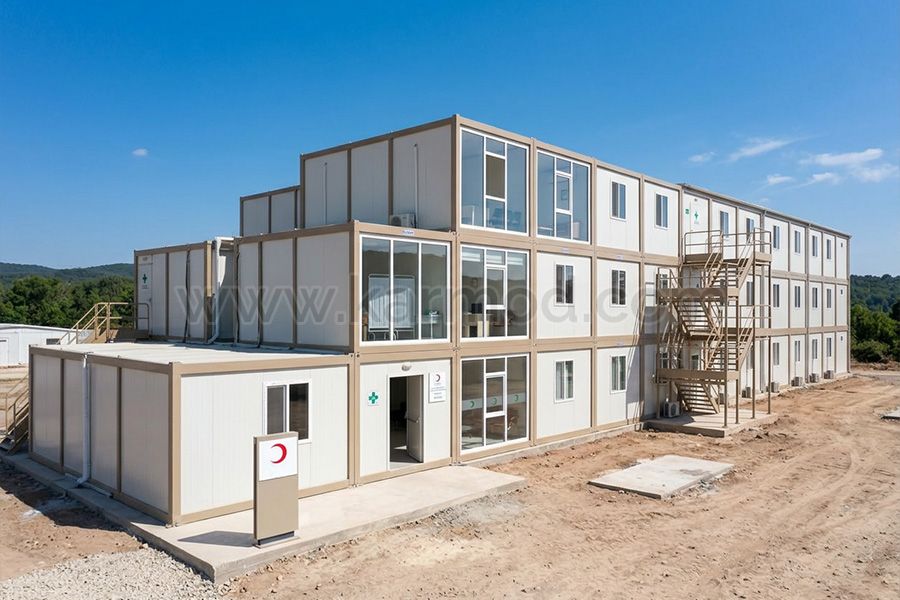
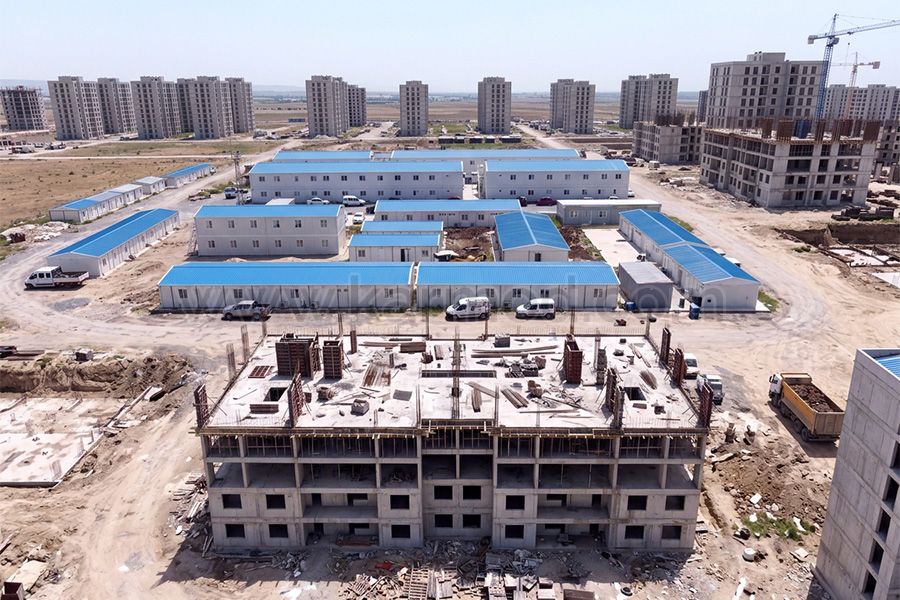
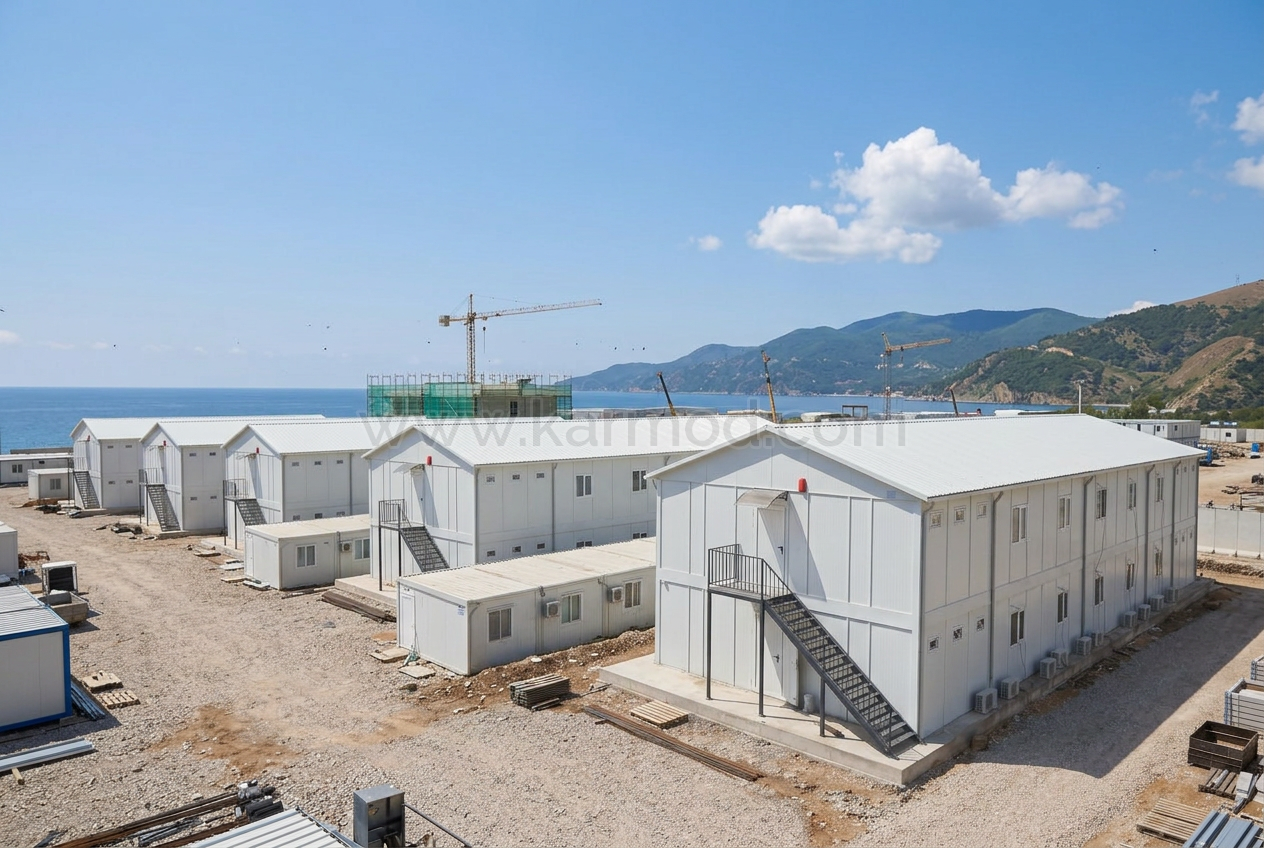
Modular housing introduces a fundamentally different approach to delivering public housing projects. Homes are produced off-site within controlled factory environments, allowing construction schedules and material use to be managed with greater predictability. This process shortens delivery timelines and helps stabilize costs, both of which are essential for social housing programs. Prefab housing systems also support repeatable designs that can be adapted to different locations, making them suitable for municipal housing initiatives across Slovakia.


Affordability is not limited to initial construction budgets. Operational costs play a decisive role in the long-term success of low-income housing. Modular and prefab homes are designed with energy efficiency in mind, helping residents manage utility expenses more effectively. Durable materials and simplified maintenance requirements further reduce lifetime costs, ensuring that housing remains accessible and financially sustainable for residents and managing authorities alike.
Beyond individual units, social housing must support stable and inclusive communities. Modular housing projects in Slovakia are typically planned with access to essential services such as transport links, education facilities, and healthcare. This integrated approach strengthens community cohesion and supports social participation, aligning housing provision with broader public policy objectives.


The experience in Slovakia highlights how modern construction methods can reshape public housing delivery. By combining economic efficiency with environmental responsibility, modular and prefab solutions provide a realistic pathway for expanding social housing stock while maintaining long-term value for both residents and public stakeholders.
To respond effectively to housing shortages, Slovakia is increasingly examining modular construction as a practical option for social housing delivery. This approach allows public housing providers to balance speed, cost control, and build quality. Homes manufactured in controlled environments can be assembled on-site within short timeframes, helping municipalities respond to demand without extended construction disruptions.
Prefab housing projects in Slovakia are increasingly applied to meet urgent and medium-term housing needs. Prefabricated units can be transported and assembled efficiently, offering flexible solutions for municipalities managing housing pressure in both urban and regional contexts.
Through modular and prefab construction, Slovakia is developing housing models that combine affordability, adaptability, and long-term value. These approaches contribute not only to addressing housing shortages but also to strengthening social inclusion and community resilience.
Modular housing construction is reshaping how affordable housing is delivered in Slovakia. By standardizing production and improving process control, this method helps manage costs while ensuring consistent performance across housing developments intended for low-income groups.
Social housing strategies in Slovakia incorporate both temporary and permanent solutions to address varying levels of need. While mobile housing units provide immediate relief, permanent developments offer long-term residential stability.
By combining temporary and permanent housing options, Slovakia can address immediate needs while building a stable foundation for long-term social housing provision.
The development of mobile affordable housing in Slovakia reflects a broader shift toward adaptable housing delivery. Manufacturers such as Karmod contribute solutions designed to support public housing initiatives through cost-efficient construction and flexible deployment.
Housing designs emphasize practicality and adaptability, enabling use across different urban and regional contexts. This flexibility supports municipal planning efforts and helps accommodate diverse household needs within low-income housing programs.
Modular construction methods reduce environmental impact while accelerating delivery schedules. Faster assembly and reduced waste help maintain affordability without compromising structural integrity.
Through mobile housing projects, Karmod demonstrates how industrialized construction can align with national objectives to improve living conditions for low-income communities, supporting both short-term housing provision and long-term social stability.
Effective temporary housing solutions in Slovakia must balance speed, adaptability, and future usability. Modular and mobile housing systems address these requirements by offering rapid installation alongside the option for extended use.
Temporary housing strategies based on modular principles allow authorities to respond quickly to emergencies or redevelopment needs while maintaining acceptable living standards.
Scalable modular designs ensure that temporary housing capacity can be expanded without disproportionate cost increases, supporting efficient resource allocation during periods of high demand.
Construction methods emphasize material efficiency and waste reduction, supporting environmental responsibility alongside urgent housing delivery.
By applying adaptable modular housing approaches, Slovakia can manage temporary housing needs effectively while retaining pathways toward permanent solutions.


Slovakia’s approach to low-cost social housing reflects a structured effort to combine affordability, sustainability, and delivery efficiency. Modular construction and coordinated planning support the creation of housing solutions that respond to both immediate demand and long-term community needs.
Together, these measures demonstrate how Slovakia can leverage modular construction to address social housing challenges in a balanced, sustainable, and policy-aligned manner.
In order to serve you better, if you could kindly send an e-mail to info@karmod.com for questions and details about your theoretical and special architectural plans, projects, and product specifications, your request will be responded to as soon as possible.

From one end of the world to the other, we enable our customers to reach the ready-made construction sector produced with the new technology of the world. We guarantee reliability through technology and innovation, flexible commercial models and smart supply chain solutions that add value for you, following the project production network.
Discover
Karmod is one of the largest prefabricated construction companies in Turkey, with a production of 45,000 m2. produces high quality prefabs and prefab containers