EN
EN 


Hong Kong is defined by density, scarce land, and a housing market where access to affordable homes remains a central public concern. For low income families, the gap between income and housing costs can translate into overcrowding, long waiting times, and unstable living arrangements. In this environment, the case for affordable social housing is closely tied to delivery models that can add capacity quickly while keeping operating costs and maintenance demands manageable. Karmod positions its work in this space around modular and sustainable construction methods intended to support more predictable, scalable housing delivery in Hong Kong.
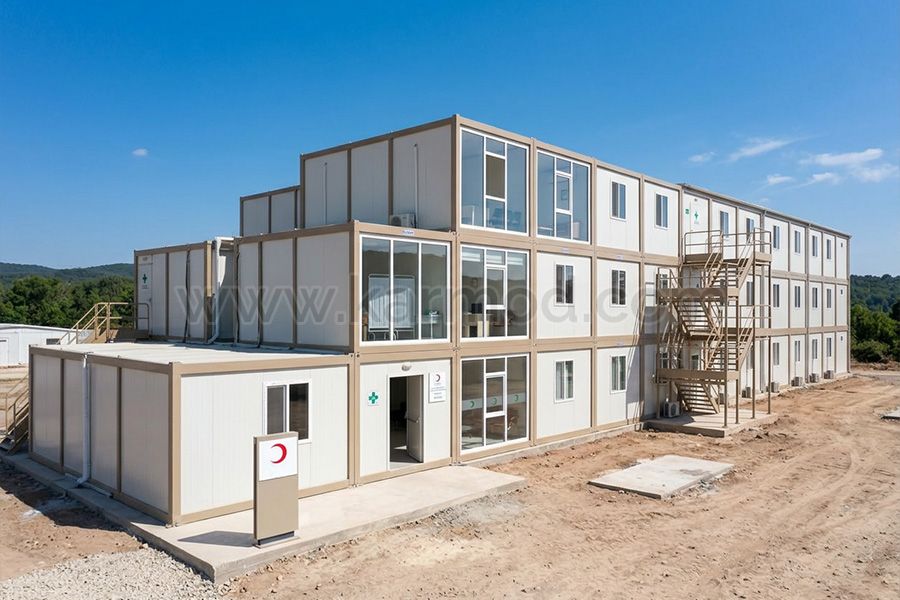
Karmod’s approach to Hong Kong’s housing constraints is built on modular homes and prefabricated houses that can shorten construction timelines while maintaining consistency in build quality. These systems are intended to reduce on-site disruption and help control project schedules, which is especially relevant in tightly built urban areas. For low income families, affordability is not only about the initial delivery cost but also about comfort, safety, and day-to-day livability. By applying industrialized construction processes and repeatable design standards, Karmod frames modular and prefab housing as options that can support housing affordability without treating quality as optional.
The modular home concept involves producing homes as modules that are transported and assembled on site, shifting much of the work into controlled factory settings. This can improve quality control, reduce material waste, and limit delays created by complex site conditions. Prefabricated houses use factory-produced components that are assembled at the project location, offering similar benefits in speed, standardization, and design flexibility. Both approaches can be planned to support practical layouts and durable materials that hold up under high occupancy demand typical of dense cities.
Karmod’s commitment to affordable social housing for low income earners in Hong Kong is presented as a community-focused delivery model rather than a unit-only response. Housing outcomes improve when developments support stable routines, privacy, and a sense of safety, alongside shared systems that encourage community integration. By expanding access to modular and prefabricated housing options, Karmod positions these projects as part of a broader effort to strengthen social welfare and neighborhood stability.
Expanding affordable social housing in Hong Kong involves real constraints, including limited space, complex logistics, and the need to meet public expectations for safety and performance. Modular and prefabricated construction offers a practical pathway for increasing supply while improving predictability in cost and delivery. Through its focus on industrialized building methods and social responsibility, Karmod presents a model that can inform other cities facing similar pressures, where housing affordability depends on faster delivery, long-term sustainability, and inclusive planning.


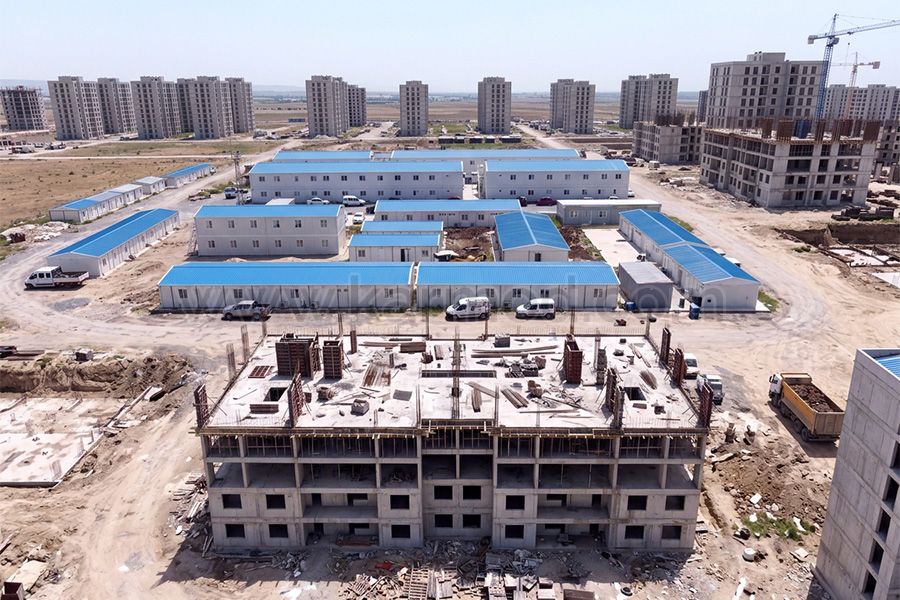
Hong Kong’s housing pressures call for solutions that can deliver new homes quickly within a dense urban fabric. Modular social housing supports this objective by reducing the time required to add housing capacity while maintaining consistent standards. For public housing stakeholders, the value lies in improved delivery certainty and the ability to plan housing supply in phases that match land availability and infrastructure constraints. This approach aligns with the need for low cost housing Hong Kong and supports affordable housing for low income households where time and scale are decisive factors.
Prefab low income housing projects in Hong Kong respond to urgency while aiming to protect dignity and livability. By simplifying construction logistics and enabling faster assembly, prefab delivery can help shorten the gap between housing demand and available supply. These projects also support scalable planning, allowing housing providers to expand capacity without relying solely on lengthy conventional build cycles.
By expanding modular and prefab delivery models, Hong Kong can strengthen its capacity to provide affordable housing at scale. These approaches can help reduce delivery time, support predictable costs, and improve long-term sustainability, offering a practical framework for other dense urban centers managing housing affordability pressures.
Affordable modular housing construction offers Hong Kong a structured way to increase housing supply under extreme land and schedule constraints. The method supports low cost housing Hong Kong objectives by improving delivery predictability and enabling repeatable quality standards, which matter in large-scale public housing contexts. It also supports housing affordability by focusing on lifecycle performance, not only initial construction costs.
Why Modular Housing Construction is the Future of Affordable Living:
Modular housing construction can support both temporary accommodation and permanent housing delivery in Hong Kong, depending on how projects are planned and managed. This versatility allows housing providers to respond to urgent demand without limiting long-term options, especially where land use and project phasing require flexible approaches.
Advantages of Modular Construction for Social Housing:
By using modular housing construction to address temporary and permanent needs, Hong Kong can strengthen housing resilience while improving affordability. A focus on low cost housing construction, affordability for low income families, and sustainability can help make quality housing more consistently accessible across the city.
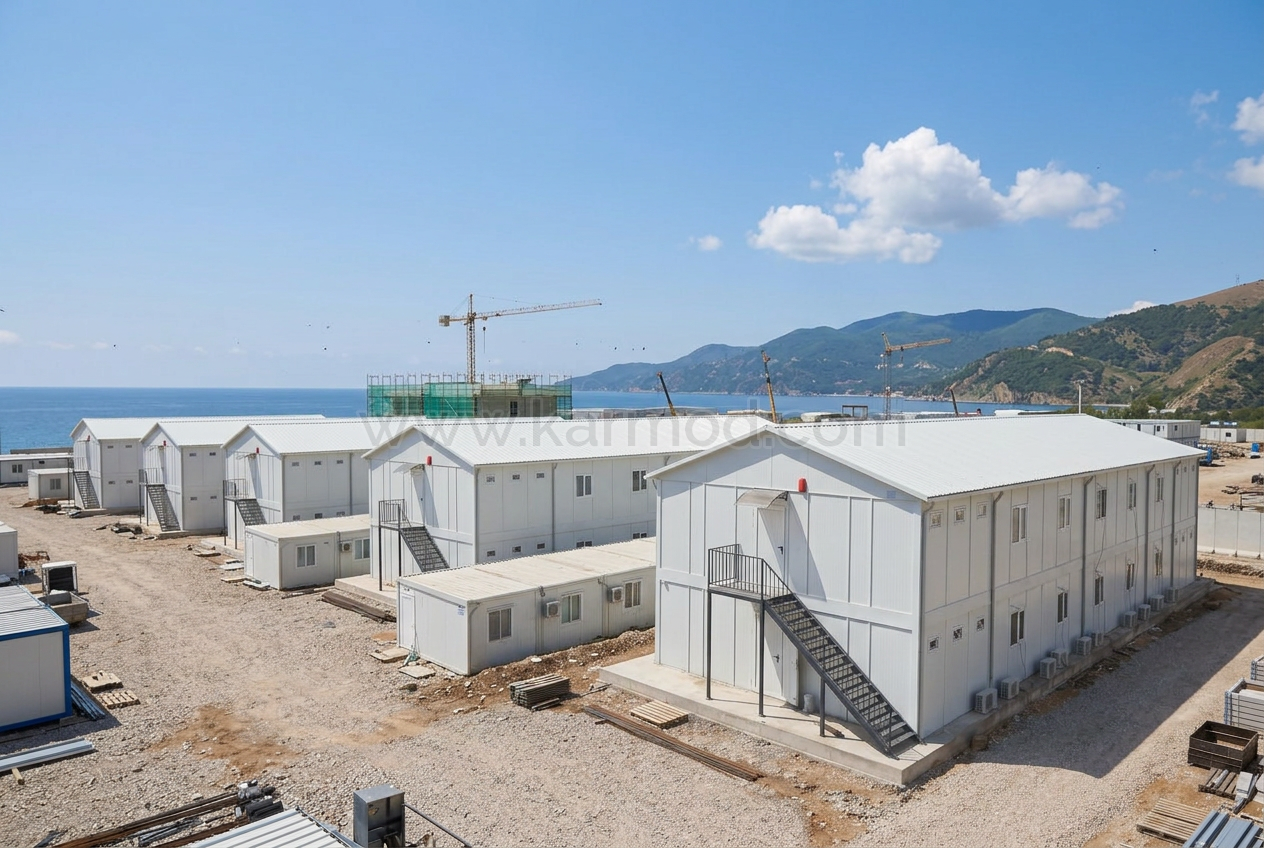
In Hong Kong, mobile affordable housing solutions can support short-term capacity needs where space constraints and urgent demand require flexible deployment. Karmod positions itself as a provider of modular systems aligned with low cost housing Hong Kong priorities, aiming to deliver consistent quality while supporting dignified living standards for low income social housing. This approach emphasizes reliability, lifecycle value, and the ability to respond quickly when housing capacity must be added under tight timelines.


Karmod’s experience in modular housing construction supports low cost housing plans that can be delivered with clearer timelines and controlled production standards. For public stakeholders and housing partners, this can help reduce delivery risk while keeping affordability central. The intent is to support affordable housing for low income families as a stable foundation for community security rather than as a short-term workaround.
The low cost housing construction process emphasized by Karmod centers on efficiency and standardization, with attention to reducing waste and supporting sustainable performance. By applying mobile affordable housing principles, developments can be planned to remain adaptable, allowing capacity to be reallocated or reconfigured as needs shift across the city.
Temporary housing in Hong Kong must respond to urgent demand under strict space limitations, making speed and planning certainty essential. Modular housing construction offers a practical method for deploying temporary accommodation quickly while maintaining basic standards of safety, privacy, and comfort. For housing providers, this approach supports faster delivery without requiring long on-site build periods that can be difficult in dense urban settings.
Affordable housing for low income individuals must remain accessible in both cost and usability. Low cost housing construction techniques can lower delivery barriers while helping ensure that temporary housing does not compromise dignity. When planned responsibly, modular temporary housing can also support future reuse or transition, improving long-term value for public and institutional stakeholders.
In low income social housing, the priority is to meet urgent need while safeguarding quality of life. Temporary units should support stable day-to-day living with functional layouts and durable materials, recognizing that “temporary” housing can often remain in use longer than intended. This perspective helps align short-term delivery with longer-term sustainability and operating cost considerations.


Karmod’s work in mobile affordable housing illustrates how modular construction can expand temporary capacity while keeping affordability, sustainability, and efficiency in focus. By supporting rapid deployment and adaptable planning, modular systems can help Hong Kong move toward a more inclusive housing landscape where low income households can access safe and reliable homes when they are most needed.
In order to serve you better, if you could kindly send an e-mail to info@karmod.com for questions and details about your theoretical and special architectural plans, projects, and product specifications, your request will be responded to as soon as possible.

From one end of the world to the other, we enable our customers to reach the ready-made construction sector produced with the new technology of the world. We guarantee reliability through technology and innovation, flexible commercial models and smart supply chain solutions that add value for you, following the project production network.
Discover
Karmod is one of the largest prefabricated construction companies in Turkey, with a production of 45,000 m2. produces high quality prefabs and prefab containers