EN
EN 


Across Uruguay’s diverse urban neighborhoods and smaller regional communities, affordable social housing is a practical priority for public authorities, housing cooperatives, and community partners. The focus is clear: deliver quality homes for low-income households without compromising durability, comfort, or long-term operating costs. Within this context, Karmod contributes to housing delivery through modular and prefab homes, supporting housing programs that require speed, consistency, and controlled project budgets.
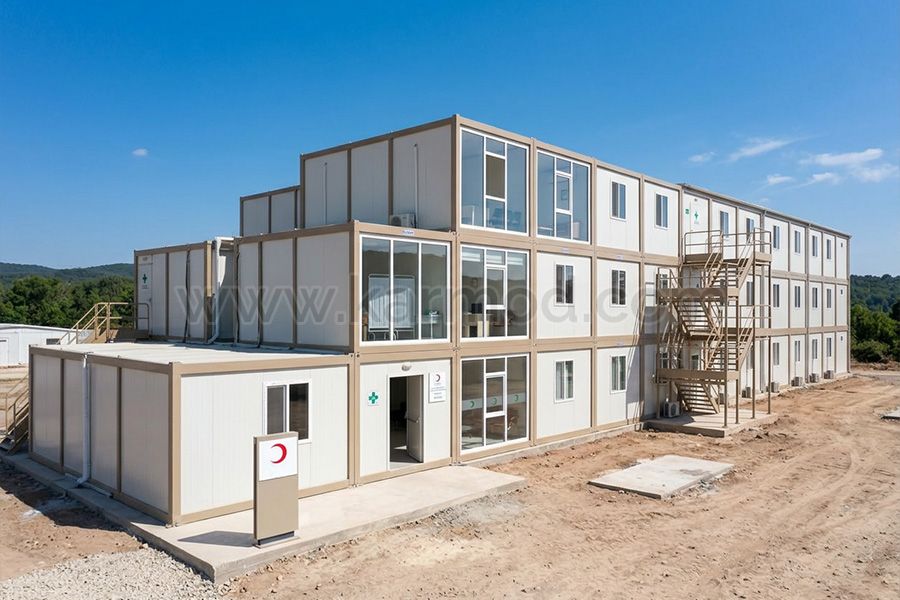
Responding to the need for housing that balances affordability with reliable build quality, Karmod develops modular homes designed for efficient delivery and day-to-day livability. By producing key components in a factory setting and completing assembly on-site, modular construction shortens timelines and reduces site disruption—an advantage for municipalities planning public housing projects in active urban areas. The standardized process also supports predictable costs, while allowing layouts and finishes to be adapted to the expectations of Uruguayan families and local project requirements.
Karmod’s work with prefab homes reinforces this approach with units that are fully or partially manufactured off-site under controlled conditions. This improves quality assurance and reduces the waste and delays often associated with conventional construction. Prefabricated delivery models can be particularly useful when housing authorities need to scale low-income housing quickly, keep projects on schedule, and maintain consistent performance standards across multiple sites.


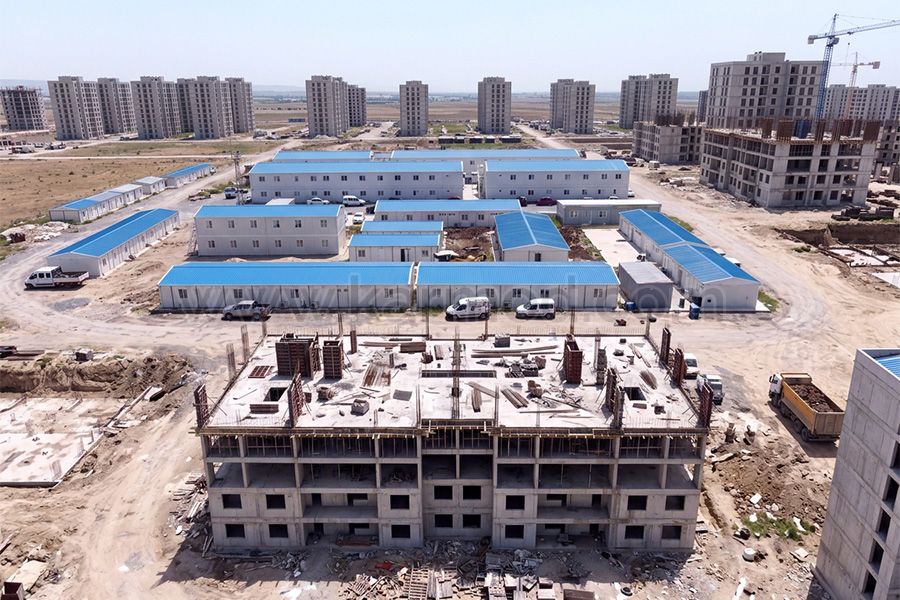
Karmod’s role in affordable social housing in Uruguay aligns with a broader objective: improving housing stability while supporting healthy, integrated communities. Modular and prefab homes can be deployed as part of cohesive neighborhood plans, helping project stakeholders focus on access, safety, and essential services rather than treating housing as isolated units. The result is a delivery model that supports both housing affordability and the creation of livable environments where households can settle and plan for the future.
As Uruguay continues to strengthen its approach to housing provision, collaboration between manufacturers, public institutions, and community organizations remains central. When delivery models prioritize quality control, sensible operating costs, and community integration, affordable housing for low income becomes more achievable, scalable, and resilient over time.


Uruguay is increasingly evaluating modular social housing as a pragmatic path to expand affordable housing supply with greater speed and cost discipline. Modular housing construction supports public and municipal objectives by delivering standardized quality, improving schedule reliability, and reducing exposure to delays common in site-based building. For low-income families, this can translate into faster access to stable, well-performing homes.
The approach relies on producing housing modules in a factory environment and transporting them for on-site assembly. This workflow reduces construction waste and enables tighter quality control, helping ensure durability and consistent building performance. Modular solutions can also be planned to suit Uruguay’s varied geography—from dense city settings to smaller towns—by adapting footprint, access points, and community layout to local conditions and available land.


Prefabricated low-income housing is also emerging as a key component within Uruguay’s affordable housing strategy. Prefab homes, built fully or partially in a factory environment, offer a structured way to increase housing delivery while supporting quality assurance and predictable project management. Because installation is faster than many traditional methods, prefabrication can help address housing demand with fewer on-site disruptions.
Current project concepts often explore a range of low-cost housing ideas suited to different needs, from mobile units used for transitional accommodation to permanent prefabricated homes designed for long-term stability. For institutions planning public housing projects, these options can help align delivery speed with community services, utilities, and neighborhood design.
The growing interest in modular housing construction and prefabricated homes reflects a commitment to practical low-income social housing outcomes: affordability that holds over time, homes that are comfortable and safe, and delivery models that can be repeated across regions without losing quality.
When coordinated with thoughtful planning, modular and prefab delivery can strengthen housing affordability while improving community integration. With experienced providers and responsible implementation, Uruguay can expand its affordable housing capacity in a way that is consistent, durable, and scalable.
Affordable modular housing construction in Uruguay is increasingly associated with more disciplined project delivery and stronger lifecycle value. Rather than focusing only on initial build cost, modular methods support better cost control across planning, construction, and long-term maintenance—an important consideration for housing authorities managing public assets and resident well-being.
In Uruguay, low-cost social housing can serve both short-term and long-term needs, depending on how projects are planned and managed. Modular and prefabricated systems support this flexibility by offering housing units that can be deployed quickly, maintained reliably, and adapted over time.
Uruguay’s work to expand affordable modular housing construction, alongside both temporary and permanent low-cost social housing, reflects a practical commitment to housing stability. When projects prioritize durability, manageable operating costs, and community integration, modular and prefab approaches can deliver housing that performs well not only at handover, but throughout its service life.
Within Uruguay’s affordable housing landscape, Karmod operates as a manufacturer supporting mobile affordable housing and modular delivery for institutional and community-led projects. This approach can be relevant where housing needs shift across regions or where rapid deployment is required for transitional accommodation, service workers, or community support initiatives.
Karmod’s use of modular housing construction methods enables structured production, schedule predictability, and consistent quality. Mobile and relocatable options can also provide flexibility for municipalities and NGOs that must respond to changing demand, land availability, or staged development plans, while maintaining acceptable standards for safety, comfort, and durability.
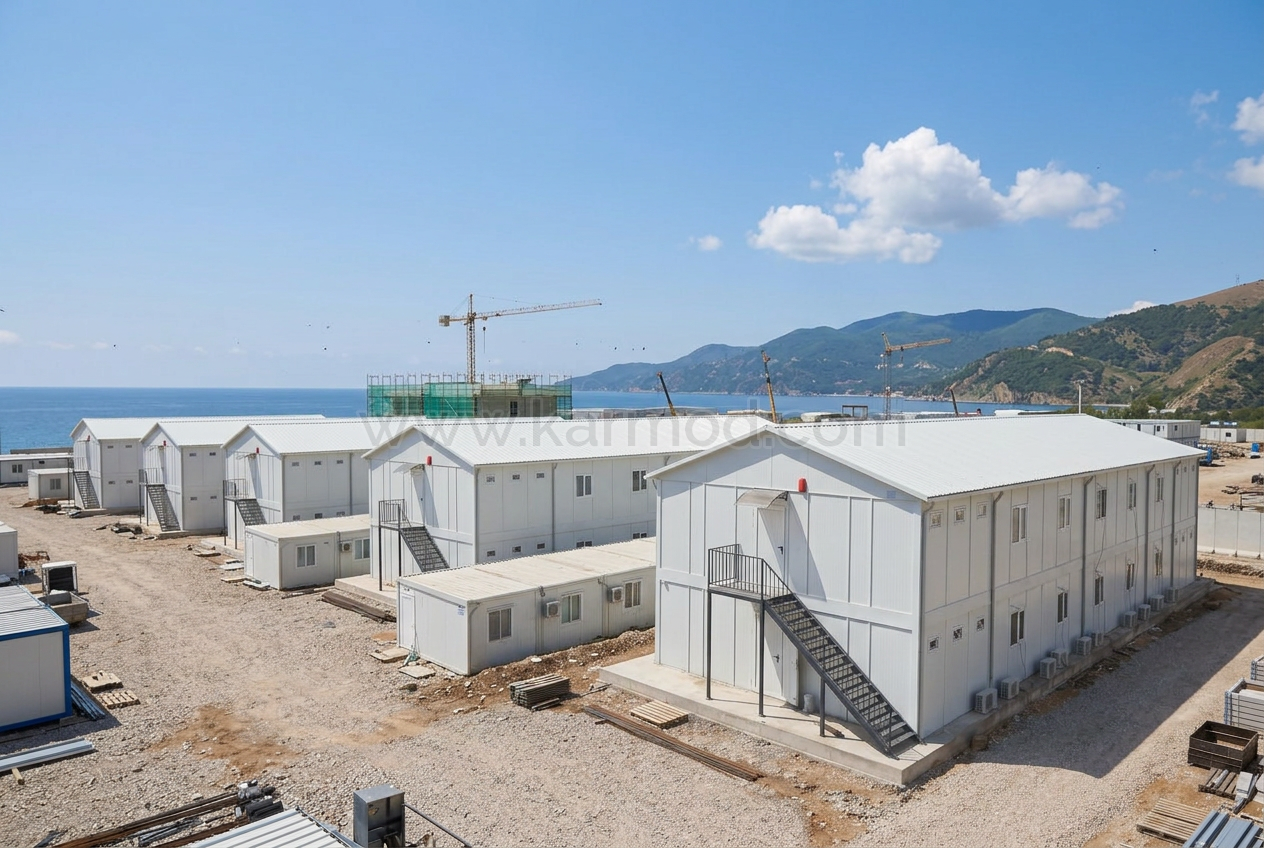
For temporary housing in Uruguay, the practical challenge is delivering safe, comfortable units quickly, while keeping costs under control for public institutions and community organizations. Modular and prefab systems provide a reliable method because they minimize on-site construction time, support consistent quality, and allow units to be deployed where they are needed most.
This method supports several essential requirements:
By applying modular and prefabricated delivery models in partnership with housing authorities and community stakeholders, Uruguay can strengthen its capacity to respond to short-term needs while reinforcing long-term housing objectives. With structured planning and dependable construction systems, low income social housing can remain a stable priority within Uruguay’s broader affordable housing strategy.
In order to serve you better, if you could kindly send an e-mail to info@karmod.com for questions and details about your theoretical and special architectural plans, projects, and product specifications, your request will be responded to as soon as possible.

From one end of the world to the other, we enable our customers to reach the ready-made construction sector produced with the new technology of the world. We guarantee reliability through technology and innovation, flexible commercial models and smart supply chain solutions that add value for you, following the project production network.
Discover
Karmod is one of the largest prefabricated construction companies in Turkey, with a production of 45,000 m2. produces high quality prefabs and prefab containers