EN
EN 


In the United Kingdom, the quest for affordable social housing is a critical issue that demands innovative, scalable solutions. Amidst persistent housing demand and rising development constraints, Karmod contributes to this effort with modular and prefab homes designed to support public housing projects and low-income housing delivery. These homes represent more than a construction alternative; they reflect a practical pathway toward improving housing affordability across England, Scotland, Wales, and Northern Ireland while maintaining quality and long-term sustainability.
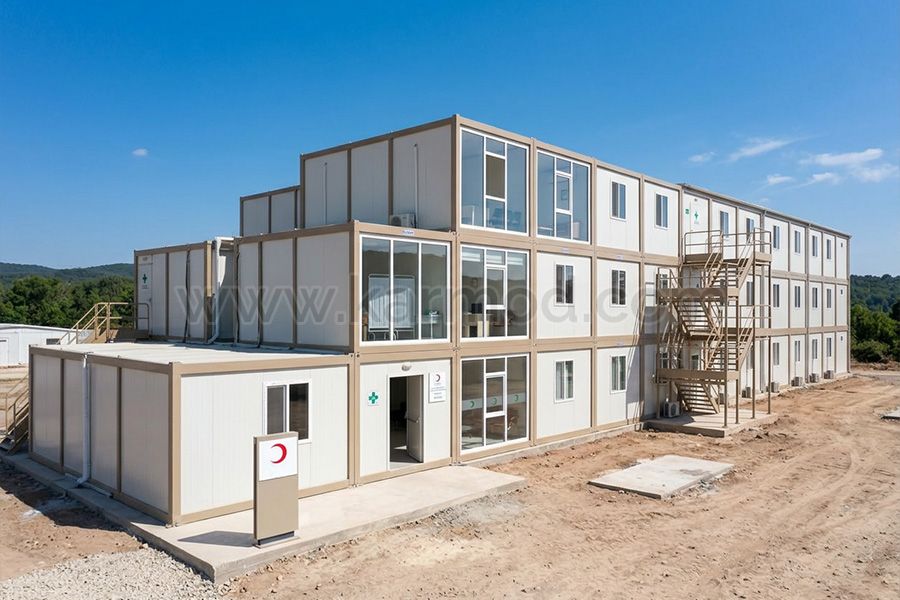
Modular homes are manufactured in a controlled factory environment and assembled on-site, enabling predictable build schedules and consistent standards. This off-site construction model reduces material waste, site disruption, and weather-related delays—factors that are particularly relevant in the UK’s variable climate. By shortening delivery timelines, modular construction supports local authorities and housing associations in accelerating affordable social housing programmes without compromising structural integrity or occupant comfort.
Karmod’s approach to prefab and modular construction aligns with the operational realities of UK public housing. Each unit can be configured to meet local planning requirements, site constraints, and community expectations. For low-income housing developments, this adaptability allows schemes to balance density with liveability, ensuring that homes are not only affordable to build but also affordable to operate. Energy-efficient insulation, durable materials, and cost-conscious design help reduce long-term operating costs, supporting both residents and housing providers in achieving sustainable tenancy models.


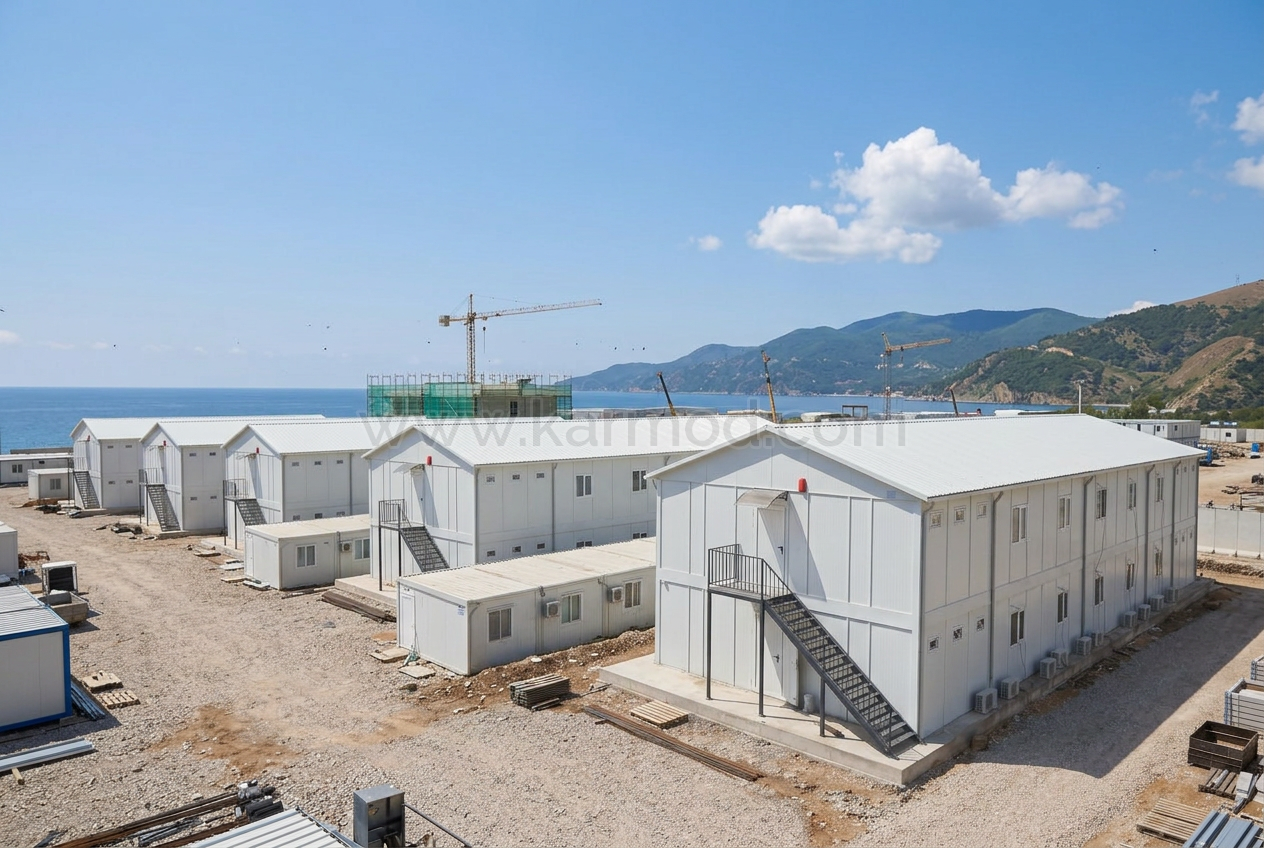
The flexibility of modular and prefab systems makes them suitable for diverse affordable social housing schemes, from infill urban plots to larger regeneration initiatives. In dense metropolitan areas such as London or Manchester, modular units can be integrated into compact developments where speed and minimal disruption are essential. In rural or coastal regions, where access and logistics present different challenges, factory-built homes provide a controlled and efficient alternative to conventional construction. This versatility enables public authorities to respond to regional housing demand with tailored delivery models.
As the UK continues to address housing shortages and affordability pressures, modular construction provides a structured framework for long-term resilience. By combining faster delivery with predictable budgeting and quality assurance, these systems support a more stable pipeline of low-income housing and community-based developments. The emphasis is not solely on increasing supply, but on strengthening the overall sustainability and inclusiveness of the housing sector.


The United Kingdom is navigating a complex housing landscape in which affordability, land availability, and delivery speed must be carefully balanced. System-built residential solutions offer a structured response to these pressures. By assembling pre-manufactured sections into complete dwellings, modular construction enhances efficiency while maintaining compliance with UK building standards and performance expectations.
Constructing homes in a factory-controlled setting before installation on-site reduces build time and improves cost certainty. For public housing providers and municipalities, this predictability strengthens financial planning and procurement processes. It also supports phased development strategies, allowing affordable social housing units to be delivered in line with funding cycles and community infrastructure readiness. As demand for low-income housing continues across urban and regional areas, these efficiencies play a central role in sustaining long-term housing programmes.


Sustainable construction practices are integral to modern UK housing policy objectives. Modular systems facilitate improved thermal performance, airtightness, and material optimisation. This focus not only lowers development costs but also reduces energy consumption for residents, addressing housing affordability from both a capital expenditure and operational perspective. The result is housing that supports long-term sustainability while remaining financially accessible.
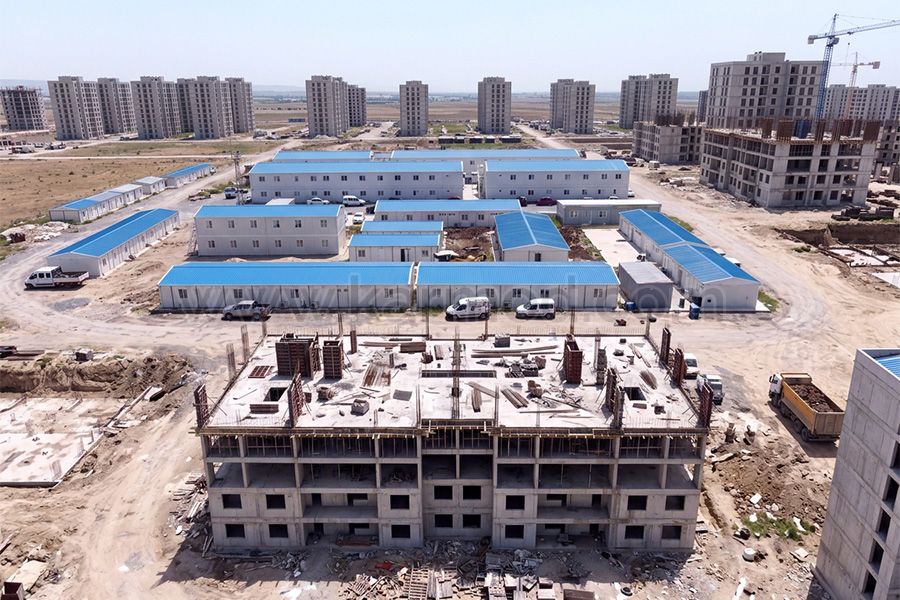
Prefabricated construction offers a practical method for delivering low-income housing projects at scale. By producing components off-site and transporting them for final assembly, developers can streamline coordination and reduce on-site labour intensity. This approach significantly shortens modular housing construction timelines, making it particularly suitable for public authorities seeking efficient delivery of affordable social housing units.
Across the UK, prefab housing concepts are being applied to a range of community-focused developments. From compact family homes to multi-unit residential blocks, these projects prioritise accessibility, durability, and energy performance. Thoughtful layout planning supports functional living spaces, while adaptable designs enable schemes to reflect local identity and community integration objectives.
A key strength of prefab construction lies in its adaptability. Units can serve as interim accommodation during regeneration programmes or as permanent dwellings within long-term social housing estates. This dual capability supports flexible housing delivery models, allowing councils and housing associations to respond to changing demographic needs without committing to rigid, single-purpose structures.
By advancing prefab and modular methods, the United Kingdom strengthens its capacity to address housing insecurity through structured, policy-aligned solutions. These developments reflect a commitment to building communities that are economically sustainable and socially inclusive, ensuring that affordable housing remains a foundational component of national development.
The United Kingdom continues to expand the use of advanced construction techniques to improve housing affordability outcomes. System-built residences enable controlled production, consistent quality, and reduced programme risk—factors essential for large-scale affordable social housing initiatives.
The UK’s affordable social housing strategy increasingly recognises the need for both immediate and long-term accommodation pathways. Modular systems offer a coherent framework for delivering housing that can respond to urgent demand while remaining viable for permanent use.
Through these approaches, the United Kingdom advances a balanced housing model that integrates speed, durability, and social value. Affordable social housing is treated not as a short-term measure, but as a long-term component of resilient urban and regional planning.
Within the UK housing sector, Karmod operates as a manufacturer focused on mobile and adaptable residential solutions that support affordable social housing objectives. Its production-based model enables consistent quality control and efficient logistics, aligning with the procurement needs of public authorities and institutional partners.
Temporary housing in the United Kingdom requires solutions that are efficient, relocatable, and aligned with long-term planning considerations. Modular construction provides a structured methodology capable of addressing these criteria while maintaining quality standards.
By integrating modular construction into both temporary and permanent affordable social housing strategies, the United Kingdom strengthens its capacity to meet housing demand with precision and responsibility. These methods reinforce a commitment to durable, inclusive, and economically viable housing solutions that serve communities across the country.
In order to serve you better, if you could kindly send an e-mail to info@karmod.com for questions and details about your theoretical and special architectural plans, projects, and product specifications, your request will be responded to as soon as possible.

From one end of the world to the other, we enable our customers to reach the ready-made construction sector produced with the new technology of the world. We guarantee reliability through technology and innovation, flexible commercial models and smart supply chain solutions that add value for you, following the project production network.
Discover
Karmod is one of the largest prefabricated construction companies in Turkey, with a production of 45,000 m2. produces high quality prefabs and prefab containers