EN
EN 


In the diverse landscapes of Switzerland, access to adequate housing remains a complex challenge, particularly for households with limited financial means. High land values, strict planning frameworks, and strong demand place sustained pressure on housing affordability. Within this context, affordable social housing requires solutions that are not only cost-efficient but also compatible with Switzerland’s expectations for quality, durability, and environmental responsibility. Modular and prefab homes have emerged as viable responses to these constraints, offering structured, repeatable housing models suited to public and social housing delivery.
The principle behind modular homes lies in the off-site production of standardized building components, which are later assembled on location. This approach enables precise cost control, shorter construction timelines, and consistent quality outcomes—key priorities for municipalities and housing providers. Prefab homes, produced almost entirely in factory environments, further streamline delivery while minimizing on-site disruption. Both models support predictable budgeting and operational efficiency, which are essential in publicly funded or socially driven housing projects.
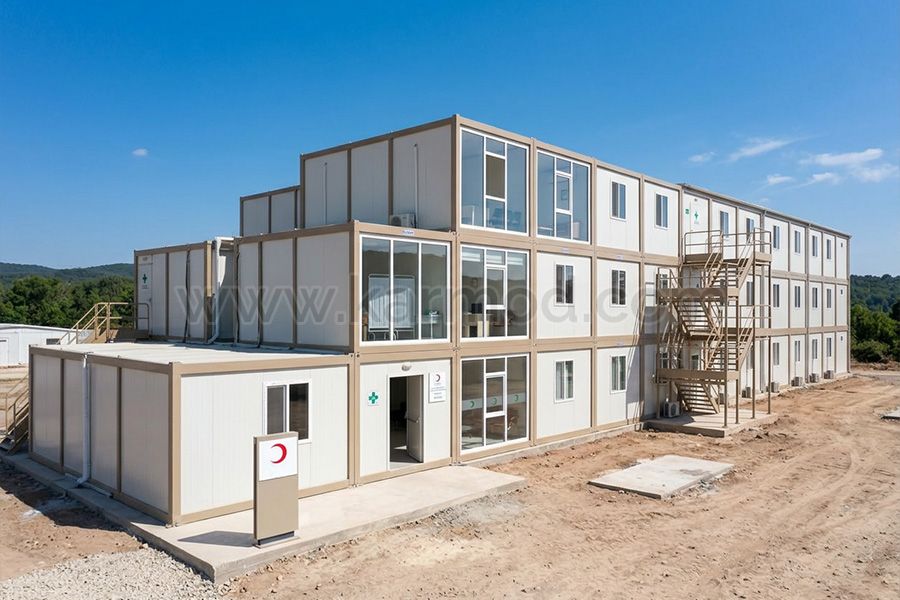
Karmod’s approach to affordable social housing in Switzerland centers on accessibility, long-term performance, and responsible resource use. By applying modular and prefabricated construction methods, housing developments can be delivered more efficiently without compromising structural integrity or resident comfort. These systems support scalable housing strategies that respond to varying local needs while aligning with broader objectives such as reduced operating costs and long-term sustainability.


In a country where housing costs directly affect social cohesion and workforce stability, affordable social housing plays a stabilizing role within both urban and peripheral regions. Solutions that balance affordability with architectural quality contribute to community acceptance and long-term viability. Modular and prefab housing models, when applied thoughtfully, allow public authorities and housing organizations to expand capacity while maintaining standards expected within the Swiss built environment.
Modular social housing supports Switzerland’s goal of delivering inclusive residential environments while responding to spatial, financial, and environmental constraints. Rather than focusing solely on construction speed, modular housing enables structured planning, repeatable quality, and efficient land use—factors that are especially relevant in dense urban areas and alpine regions alike.


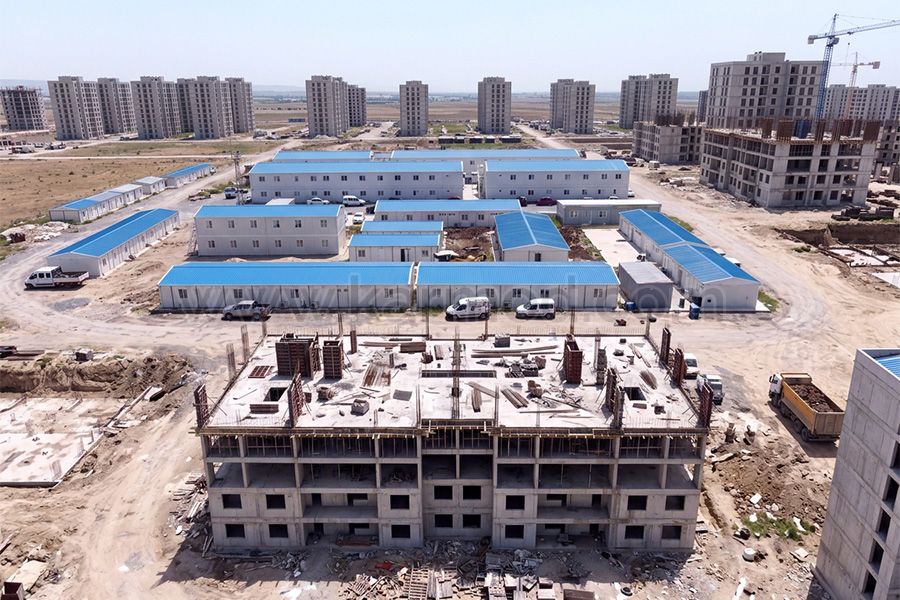
Prefab low income housing projects in Switzerland address affordability challenges through industrialized construction processes that emphasize consistency and predictability. By shifting much of the construction activity off-site, these projects reduce exposure to weather delays, labor shortages, and cost overruns.
Through prefabrication, Switzerland can expand its social housing stock while maintaining a balanced approach that respects both economic constraints and social responsibility. These projects demonstrate how industrialized building methods can support inclusive housing strategies without sacrificing durability or livability.
Affordable modular housing construction in Switzerland reflects a structured response to housing demand that prioritizes efficiency, quality control, and long-term sustainability. By combining standardized production with adaptable design, modular housing supports public housing initiatives seeking reliable delivery models.


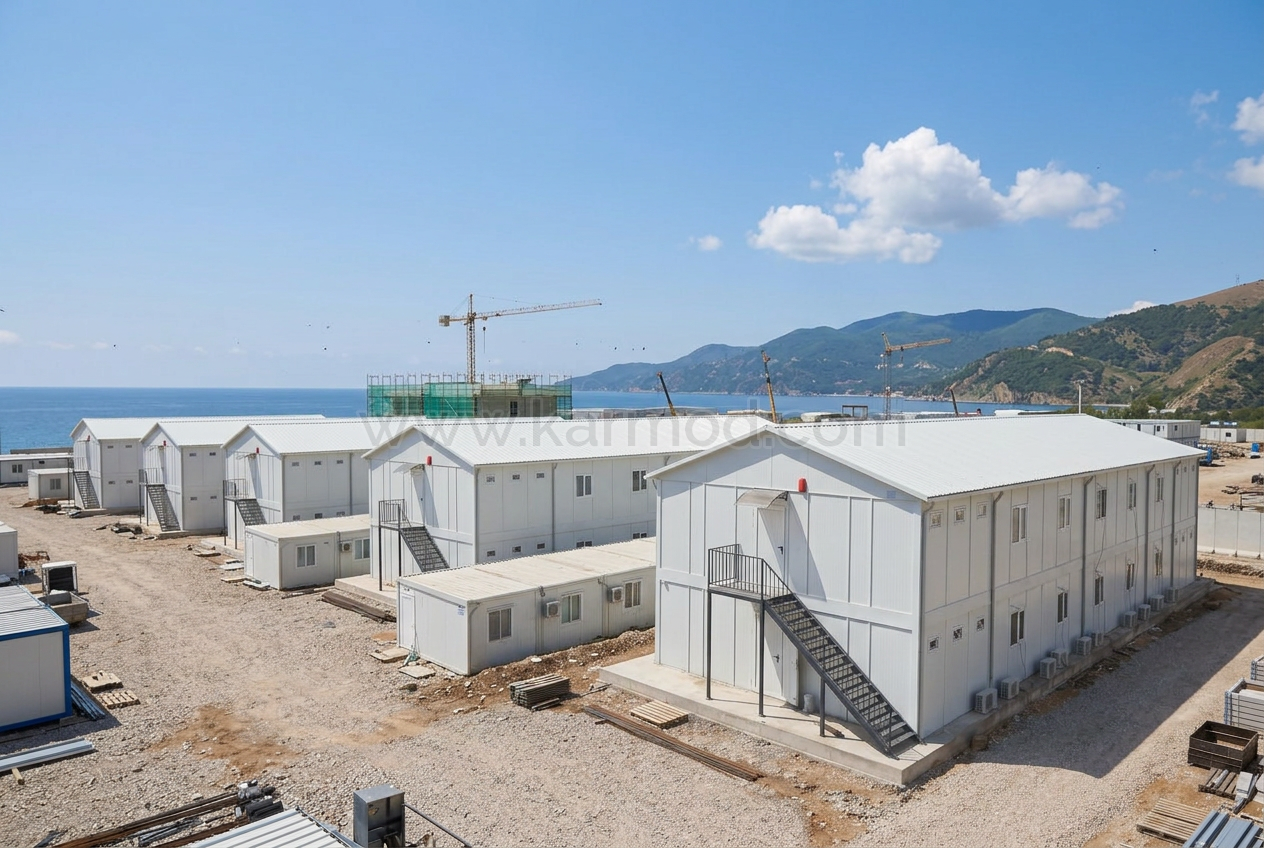
Switzerland’s housing strategies increasingly recognize the need for both temporary and permanent low cost social housing solutions. Modular and prefab construction enables a flexible response, accommodating short-term housing requirements while supporting long-term residential stability.
By integrating temporary and permanent housing models within a unified construction strategy, Switzerland strengthens its capacity to respond to housing needs while maintaining social equity and long-term sustainability.
Karmod contributes to Switzerland’s affordable housing landscape through the development of mobile and modular housing systems designed for efficiency, durability, and adaptability. These solutions support public authorities and housing organizations seeking scalable and reliable housing delivery models.
Modular housing construction provides a structured and dependable method for delivering temporary housing in Switzerland. Its efficiency and adaptability make it particularly suited to situations requiring rapid yet high-quality accommodation solutions.
Through modular construction, Switzerland can address temporary housing needs with solutions that are efficient, dignified, and aligned with long-term housing objectives.
In order to serve you better, if you could kindly send an e-mail to info@karmod.com for questions and details about your theoretical and special architectural plans, projects, and product specifications, your request will be responded to as soon as possible.

From one end of the world to the other, we enable our customers to reach the ready-made construction sector produced with the new technology of the world. We guarantee reliability through technology and innovation, flexible commercial models and smart supply chain solutions that add value for you, following the project production network.
Discover
Karmod is one of the largest prefabricated construction companies in Turkey, with a production of 45,000 m2. produces high quality prefabs and prefab containers