EN
EN 


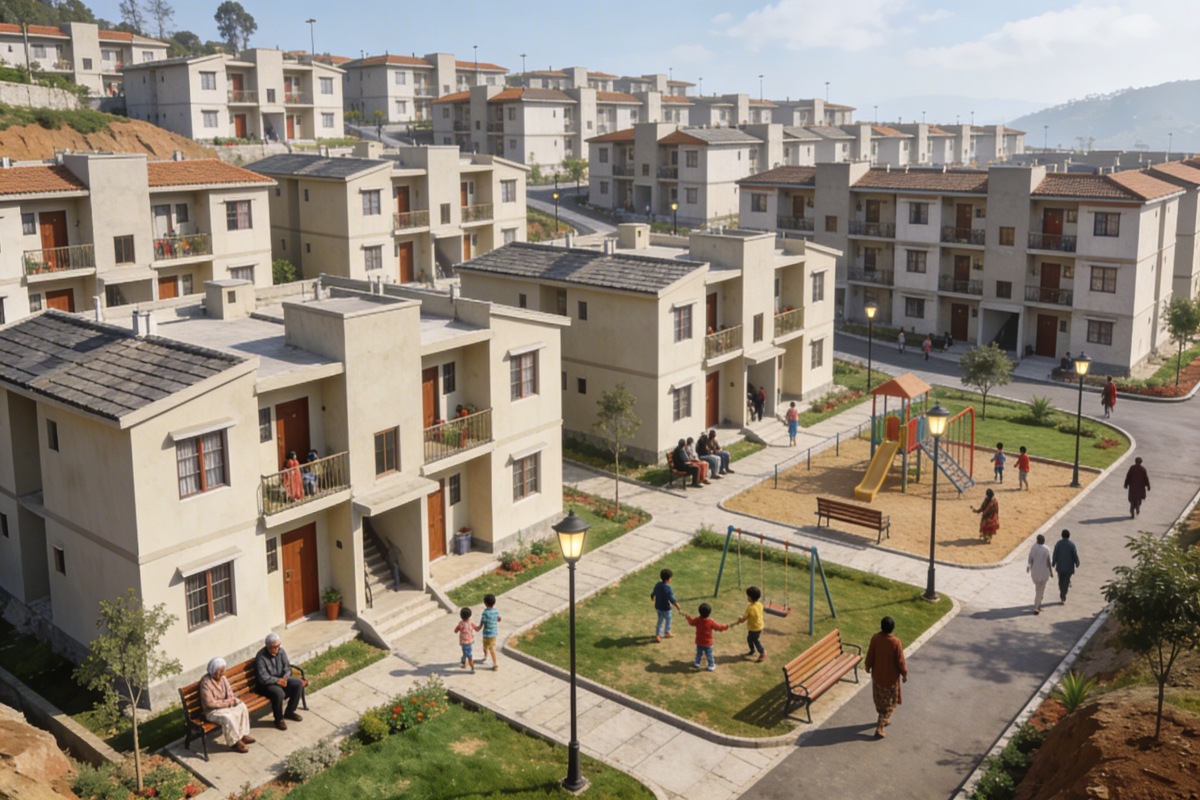
In Nepal, expanding access to affordable social housing for low-income families remains a national priority as urban centers grow and rural communities continue to face structural housing challenges. Rapid urbanization, internal migration, and exposure to natural hazards have intensified the demand for safe, durable, and economically accessible homes. In response, construction models such as modular homes and prefab homes are gaining recognition as practical delivery systems for public housing projects. Companies like Karmod contribute to this transition by supporting structured, scalable, and sustainability-focused housing solutions.
Modular and prefabricated housing systems introduce a disciplined approach to low-income housing development in Nepal. By manufacturing building components in controlled production facilities and assembling them efficiently on-site, these methods reduce construction timelines and limit cost uncertainty. For municipalities and housing authorities working within strict budgets, this predictability strengthens planning capacity and supports long-term housing affordability objectives.
Karmod’s involvement in modular housing construction reflects a broader shift toward industrialized building techniques that align with Nepal’s geographic realities. Mountainous terrain, remote settlements, and climate variation require adaptable construction systems that are both transportable and resilient. Through durable materials and precision manufacturing, modular and prefab homes provide reliable performance while maintaining cost efficiency, helping public stakeholders address housing demand without compromising quality standards.


Beyond financial accessibility, affordable social housing must support community integration and long-term livability. Modular layouts allow for incremental expansion, shared infrastructure planning, and adaptable unit configurations. This flexibility is particularly valuable in Nepal, where family structures and settlement patterns vary between urban municipalities and rural districts. By enabling contextual design adjustments, modular housing enhances safety, comfort, and social cohesion.
As Nepal strengthens its housing delivery frameworks, modular and prefab systems serve as structured tools for reducing backlogs and improving resilience. Affordable housing initiatives rooted in efficiency and durability create stable foundations for households while supporting broader economic development and inclusive urban growth.


Developing modular social housing in Nepal enables faster and more controlled implementation of public housing projects. Unlike traditional construction, modular systems allow parallel progress—site preparation can occur while structural components are produced off-site. This synchronized workflow reduces delays and supports efficient resource allocation, critical in regions where infrastructure access may be limited.
Modular housing also supports long-term sustainability objectives. Factory-based production minimizes material waste and improves insulation consistency, contributing to reduced operating costs for residents. In colder high-altitude areas and humid lowland regions alike, well-designed modular envelopes improve thermal comfort and structural performance, ensuring homes remain durable over time.


Affordable housing for low-income households in Nepal must balance speed with permanence. Modular construction achieves this balance by offering scalable unit designs that can evolve with household needs. Whether implemented in clustered community developments or dispersed rural settlements, modular social housing strengthens resilience while maintaining economic feasibility.
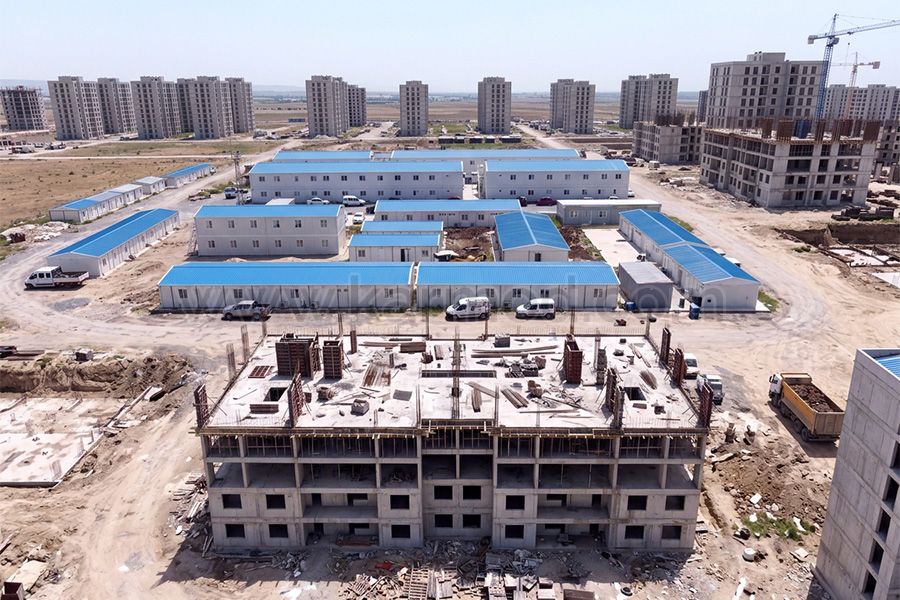
Prefabricated low-income housing projects introduce additional efficiency into Nepal’s affordable housing landscape. Prefab construction relies on standardized components engineered for rapid assembly, helping authorities respond to housing shortages with structured delivery models. This method supports consistency in quality while reducing dependency on prolonged on-site labor.
For communities facing displacement due to environmental risks or infrastructure redevelopment, prefab housing provides a reliable alternative to temporary shelters. The shortened build cycle enables faster occupancy, which is essential when addressing urgent accommodation needs. At the same time, durable prefabricated systems maintain structural integrity suitable for permanent settlement.
Mobile affordable housing further enhances flexibility within Nepal’s housing strategies. Units can be deployed in remote districts, transitional settlements, or expanding urban zones, responding to demographic shifts and development priorities. By integrating prefab systems into broader low income social housing initiatives, Nepal strengthens its capacity to deliver adaptable, cost-conscious housing solutions.
Through careful planning and responsible implementation, prefab housing projects contribute to long-term sustainability while expanding access to secure living environments for underserved populations.
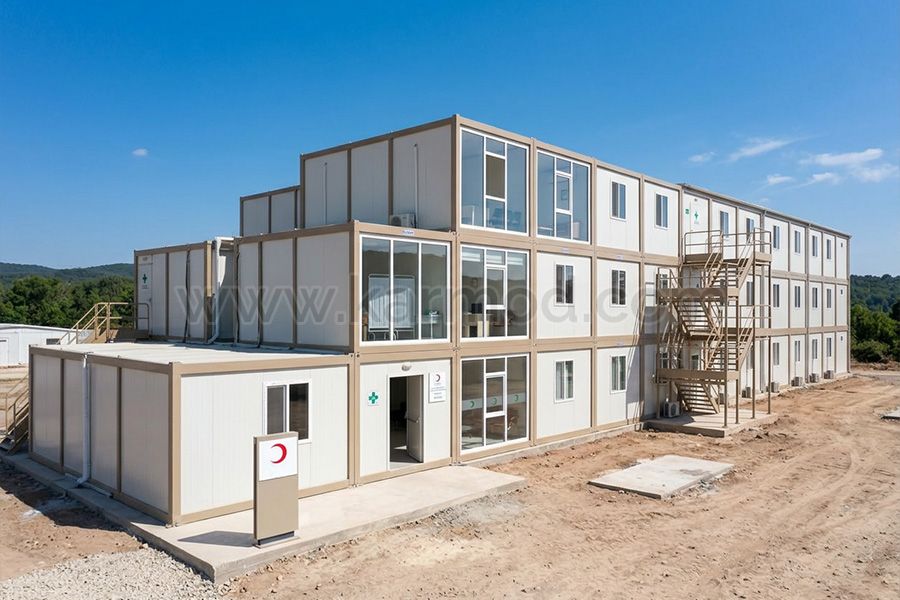
Karmod contributes to Nepal’s affordable modular housing construction landscape by delivering mobile and fixed housing solutions tailored to diverse terrains. Transportable modular units are particularly valuable in mountainous areas where conventional construction logistics can be complex. Precision manufacturing ensures structural stability while reducing on-site disruption.
Nepal requires housing strategies that address both transitional accommodation and permanent settlement needs. A dual approach allows authorities to deploy temporary units quickly while advancing structured plans for long-term residential development.
Karmod operates as a mobile affordable housing manufacturer supporting Nepal’s evolving public housing landscape. Through modular housing construction and prefabrication expertise, the company assists housing providers in delivering structured, cost-efficient developments. Its systems are designed to meet practical requirements for durability, transportability, and efficient assembly.
By focusing on low cost housing ideas grounded in engineering precision rather than temporary improvisation, Karmod contributes to stable and adaptable housing delivery models. These mobile units support both emergency accommodation needs and long-term social housing expansion, reinforcing institutional efforts to strengthen housing accessibility across Nepal.
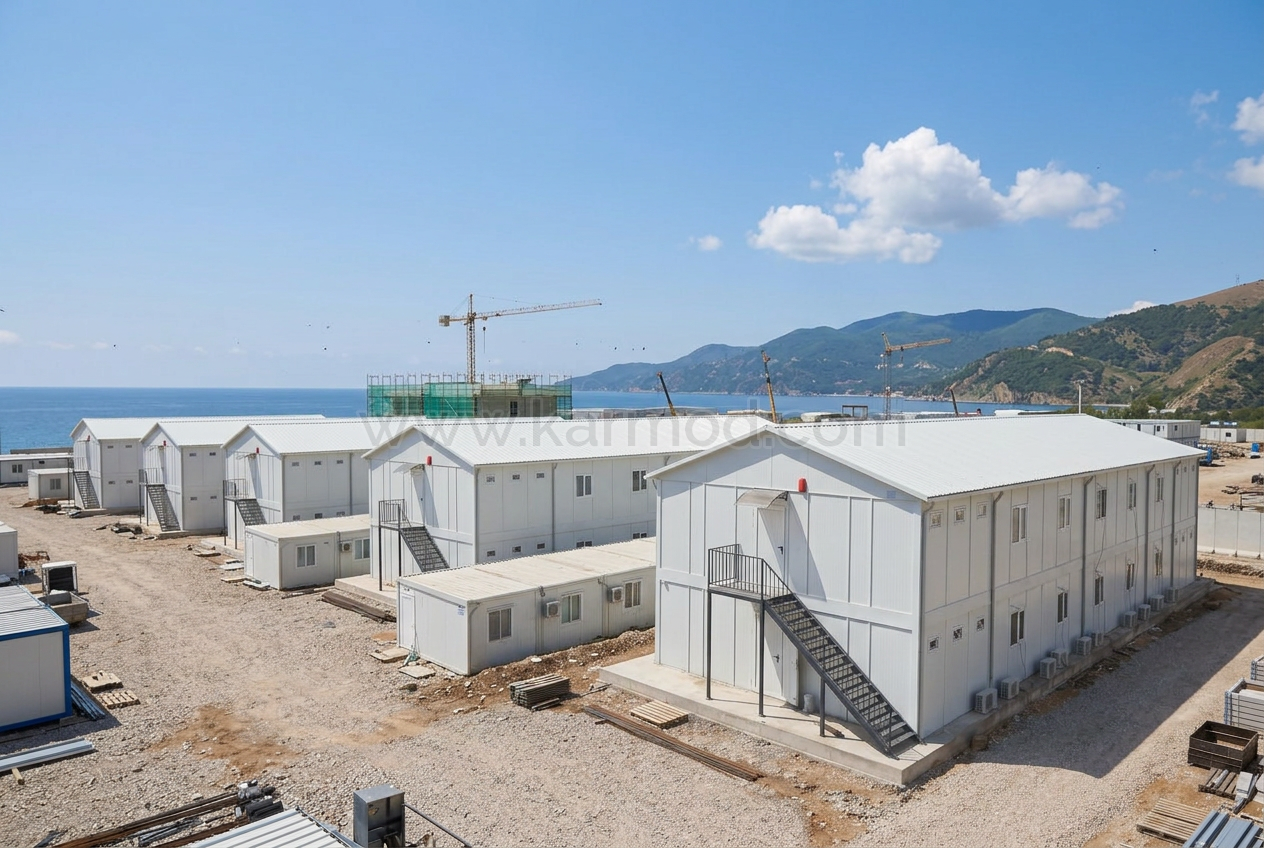
An effective temporary housing strategy in Nepal combines rapid deployment with structural reliability. Modular housing construction offers this balance by enabling swift installation while maintaining building performance suitable for extended occupancy. This approach is particularly relevant in a country vulnerable to environmental disruptions and infrastructure transitions.
Mobile affordable housing systems provide additional adaptability, allowing settlements to be adjusted as planning priorities evolve. Efficient low cost housing construction techniques reduce financial strain on public budgets while maintaining acceptable living standards.
When integrated into comprehensive housing frameworks, modular and mobile solutions enhance Nepal’s ability to respond to immediate needs without undermining long-term development goals. This method supports housing affordability, operational efficiency, and inclusive community growth throughout the country.
In order to serve you better, if you could kindly send an e-mail to info@karmod.com for questions and details about your theoretical and special architectural plans, projects, and product specifications, your request will be responded to as soon as possible.

From one end of the world to the other, we enable our customers to reach the ready-made construction sector produced with the new technology of the world. We guarantee reliability through technology and innovation, flexible commercial models and smart supply chain solutions that add value for you, following the project production network.
Discover
Karmod is one of the largest prefabricated construction companies in Turkey, with a production of 45,000 m2. produces high quality prefabs and prefab containers